

 Náhled v interiéru
 Sdílet
 Sdílet
 Podrobnosti o díle
 Průvodce

 Stáhnout
 Podobné položky
 Rentgenové snímky
 Slideshow
 Statistiky
Calvary
 Oil
Oil- WallArt
- Renaissance
 1530
1530- Renaissance
 242.0 x 239.0 cm
 Grão Vasco National Museum
 Zobrazit více
Giclée / Umělecký tisk
Giclée nebo plátěný tisk muzeální kvality s rychlou výrobou a širokou nabídkou povrchových úprav. ( Koupit ručně malovaný obraz Přepnout na digitální obraz)




P118B Kč10

P118H Kč10

P118W Kč10

P438Z Kč10

P508JH Kč12

P508YH Kč12

P805H Kč10

P805Z Kč10

P919BZ Kč10

P919G Kč10

P919XJ Kč10

P959ZH Kč10

P968JZ Kč12

W106C Kč8

W218G Kč10

W218JH Kč8

W218Y Kč10

W307PJ Kč10

W316G Kč10

W316PJ Kč8

W316Y Kč10

W398PJ Kč8

W4111J Kč10

W500HY Kč15

W500JH Kč15

W692G Kč12

W849H Kč8

W940BG Kč15

W953PJ Kč8




Vyberte si z našich přednastavených velikostí, které odpovídají původním proporcím díla.

Zadejte šířku a výšku, které potřebujete pro váš rám nebo stěnu. Tisk lze pouze oříznout, nikdy však nelze zvětšit obraz nad jeho původní rozměr, proto při výběru jiného formátu dochází ke ztrátě části obrazu. Před samotným tiskem vám zašleme digitální náhled k schválení. Obraz zobrazený na této stránce nenabízí skutečný výřez — ten uvidíte pouze v náhledu.
Celosvětové doručení () do 2 týdnů namísto standardních 4/5 týdnů. (25 říjen)

Zdarma celosvětová expresní doprava

Vysoce kvalitní lněné plátno

Kompletní pojištění přepravy

Záruka vrácení celního poplatku

Záruka věrného barevného souladu

100dení lhůta pro vrácení zboží (pouze při vadách výroby)

100% záruka vrácení peněz

Sleva při více objednávkách
 Skleněná varianta je dostupná pouze u rozměrů menších než 110 cm

Calvary
Giclée / Umělecký tisk
Rozměry reprodukce
-


Celková cena za vybrané možnosti reprodukcí
Kč 1711
A Monumental Testament of Faith: The Soul of the Portuguese Renaissance
In the heart of the sixteenth century, amidst the maritime grandeur of the Age of Discovery, a masterpiece emerged that would capture the very essence of spiritual devotion and artistic innovation. Vasco Fernandes, known affectionately to history as Grão Vasco, crafted his "Calvary" around 1530, creating an emblem of Portuguese Renaissance art that continues to resonate with profound emotional depth. This is not merely a depiction of a biblical event; it is a meticulously layered narrative where the terrestrial and the divine collide. The painting serves as a window into an era defined by fervent religious piety, where every brushstroke was intended to illuminate profound theological truths through visual splendor.
The composition is a masterclass in dynamic movement, utilizing sweeping diagonal lines to guide the viewer’s gaze through a crowded, emotionally charged landscape. At the center of this cosmic drama stands the cross of Christ, positioned with such deliberate prominence that it feels as though the spectator is standing directly at the foot of Golgotha. The scene is teeming with life—soldiers, bystanders, and horses create a sense of historical immediacy, yet the focus remains anchored by the central figure of Jesus. His outstretched arms and the palpable expression of suffering invite a direct, visceral connection between the observer and the sacred subject, making the piece an unparalleled centerpiece for those who appreciate art that speaks to the human condition.
A Synthesis of Flemish Precision and Portuguese Grandeur
What makes "Calvary" truly extraordinary is its sophisticated stylistic fusion. Grão Vasco, heavily influenced by the Northern European traditions he encountered through Flemish masters, utilized the medium of oil paint to achieve a level of luminosity rarely seen in the Iberian Peninsula at the time. Through the careful application of translucent glazes, he achieved a breathtaking depth, allowing light to dance across the canvas and cast dramatic, heavy shadows that heighten the scene's theatrical intensity. This technique lends an ethereal glow to Christ’s figure, separating the divine from the surrounding earthly chaos.
However, Grão Vasco did not simply mimic the Flemish style; he infused it with a distinctly Portuguese soul. There is a palpable sense of solemnity and monumental scale in his work, a characteristic born from his patronage by the Catholic Church and the cultural atmosphere of the Manueline period. For the discerning collector or interior designer, this painting offers more than just aesthetic beauty; it provides a sense of historical weight and architectural dignity. The interplay of light and shadow, combined with the rich, saturated tones, makes it an ideal choice for creating a focal point in spaces that demand sophistication, contemplation, and a touch of the sublime.
Symbolism and the Narrative Landscape
Beyond its technical brilliance, "Calvary" is a dense tapestry of Christian symbolism. The painting captures the profound tension between life and death, salvation and sin. Christ is positioned between the Good Thief and the Bad Thief, a narrative device that serves as a powerful meditation on redemption. The surrounding figures—the swooning Virgin Mary, St. John, and Mary Magdalene—are rendered with such psychological realism that their grief becomes a shared experience for the viewer. Even in the smaller, more peripheral details, such as the miniature scene of Judas's hanging or the transport of the ladder, Grão Vasco weaves a complex web of temporal and narrative dimensions.
For those seeking to adorn a home or gallery with a high-quality reproduction, "Calvary" offers an inexhaustible source of inspiration. It is a work that rewards repeated viewing, revealing new layers of detail and meaning with every encounter. Whether placed in a quiet study to inspire meditation or in a grand hall to command attention, this masterpiece brings with it the enduring legacy of the Portuguese Renaissance—a period where art was used to bridge the gap between the mortal world and the eternal.
Otázky a odpovědi
Jakou úroveň kontrastu má dílo „Calvary“ od Vasco Fernandes (Grão Vasco)?
„Calvary“ od Vasco Fernandes (Grão Vasco) vykazuje Balanced kontrast mezi světlými a tmavými částmi.
Proč má dílo „Calvary“ právě takový autorský status?
Dílo „Calvary“ od Vasco Fernandes (Grão Vasco) spadá do volného užívání (v rámci volného užití – autorská práva vypršela). Autorské právo vyprší po určité době od úmrtí umělce, ke kterému došlo v roce 1542.
Jakou atmosféru do interiéru přináší „Calvary“ od Vasco Fernandes (Grão Vasco)?
S svou Dramatic atmosférou je dílo „Calvary“ ideální volbou do Living Room.
Biografie umělce
Mistr z Viseu: Život a odkaz Grão Vasca
V samotném srdci portugalské renesance few jmen rezonuje s takovou úctou jako Vasco Fernandes, který je historií znám pod něžným přezdívkou Grão Vasco. Fernandes se narodil kolem roku 1475 ve historickém městě Viseu a vypracoval se do postavení titána 16. století – malíře, jehož štětec dokázal zachytit duchovní žár i rostoucí pozemský przepych své éry. Jeho životní dílo představuje hluboké průsečíky severoevropské technické preciznosti a jedinečné portugalské duše, čímž vytvořilo vizuální jazyk definující období manuelského stylu – věk námořních objevů a zdobné, dekorativní magnificence.
Základy extraordinary dovedností Fernandese byly položeny v dílnách jeho současníků, zejména pod vlivem školy Joaneanes. Toto spojení s flamandskými tradicemi bylo transformativní; představilo mu sofistikovanou techniku olejomalby, která umožnila úroveň záře a mikroskopických detailů, jak dosud nevídanou na Iberijském poloostrově. Díky této linii se Vasco naučil manipulovat se světlem a stínem, ovládl umění chiaroscuro a jemné vrstvení pigmentů, aby vytvářel textury, které působily divákovi téměř hmatatelně. Tato syntéza flamandského realismu s místní, emotivní citlivostí se stala znamením jeho zralého stylu.
Tapiserie víry a detailů
Dílo Grão Vasca je charakteristické svými monumentálními oltářními obrazy, které sloužily nikoli pouze jako dekorace, ale jako hluboká teologická okna pro věřící. Jeho schopnost vplést komplexní náboženské příběhy do kompozic s nesmírnou dramatickou silou je nejléře patrná v jeho zpracování sakrálních témat. V dílech jako Křest Kristův lze spatřit dechberoucí ovládnutí dynamického pohybu a duchovní patosu. Luminousní detaily vody a božský svět dopadající na scénu odrážejí mistra ve vrcholné technické zdatnosti, který využívá každý tah štětcem k vyvolání pocitu zázraků.
Kromě osamělých postav svatých possessed Fernandes neuvěřitelnou schopnost zachytit lidské emoce a komunitní napětí. Jeho interpretace Poslední večeře představují monumentální úspěchy renesančního umění. V těchto kompozicích umělec vystupuje za hranice pouhé ikonografie, aby prozkoumal psychologickou hloubku učedníků a využil dramatickou hru světla k zdůraznění váhy Kristovy poslední večeře. Důsledná pozornost věnovaná záhybům oděvů, symbolické využití flóry i architektonický grandióz v jeho malbách přispívají k pocitu manuelského velkoleposti – stylu, který zrcadlí bohatství zlatého věku portugalské průzkumné éry.
Historický význam a trvalý vliv
Historický význam Vasco Fernandeze nelze přehodnotit; byl architektem národní estetiky. Integruováním preciznosti Severu s dekorativní exuberancí portugalského dvora poskytl vizuální identitu národu nacházejícímu se v zenitu své moci. Jeho odkaz nacházíme ve způsobu, jakým pozvedl status malíře ze prostého řemeslníka na hlubokého vyprávěče lidské i božské podmínky.
Dnes díla Grão Vasca nadále fascinují publikum po celém světě a slouží jako nezbytné referenční body pro každého, kdo se chce porozumět renesanci v jižní Evropě. Jeho přínos lze shrnout do několika klíčových uměleckých pilířů:
- Technická inovace: Mistrovské přijetí a zdokonalení technik flamandské olejomalby v rámci Portugalska.
- Kulturní syntéza: Bezproblémové propojení severoevropského realismu s ornamentálním, námořní inspirací ovlivněným manuelským stylem.
- Spirituální narativ: Bezkonkurenční schopnost přeložit komplexní náboženské doktríny do emocionálně rezonujících vizuálních zážitků.
- Národní identita: Ustanovení definitivní portugalské malířské školy, která stála vedle velkých tradic Itálie a Flander.
Když se díváme na nesmrtelný lesk jeho oltářních obrazů, vidíme víc než jen barvu na dřevě; vidíme tlukot srdce renesanční éry, uchovaný skrze vizionářský pohled Grão Vasca.

Vasco Fernandes (Grão Vasco)
1475 - 1542 , Portugalsko
Rychlé informace o umělci
- Artistic Movement Or Style: Manuelínský styl
- Artists Or Movements Influenced By This Artist: ['Edite Melo']
- Artists Who Influenced This Artist: ['Joaneanes']
- Date Of Birth: ok. 1475 Viseu
- Date Of Death: ok. 1542
- Full Name: Vasco Fernandes
- Nationality: Portugalec
- Notable Artworks:
- Svatý Jan Křtitel
- Seina v Paříži
- Plavba Pacifickým oceánem
- Svatba ryb
- Place Of Birth: Portugalsko
Související články

Oil on Canvas: A Historical & Technical Exploration of a Timeless Artistic Medium
Explore the rich history & enduring techniques of oil painting on canvas. Discover the science behind its longevity, conservation practices, and contemporary relevance. Expert insights for art enthusiasts.

Trvalý odkaz olejomalby: Technika, historie a současná praxe
Prozkoumejte historii a techniky olejomalby s námi! Od středověku po současnost – detailní průvodce pro milovníky umění a profesionály. Objevte tajemství mistrů a inspirujte se.
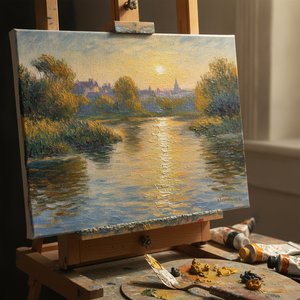
The Soul of Impressionism: Why Oil on Canvas Captures Eternal Light and Timeless Emotion
Discover the enchanting alchemy of Impressionism. Explore how the mastery of oil on canvas, through glazing and impasto, captures eternal light and emotion. Perfect for lovers of Monet and Van Gogh seeking the profound depth of hand-painted fine art.

The Enduring Power of Painting: A Historical & Contemporary Exploration of Form and Emotion
Explore the rich history & enduring techniques of oil painting with OriginalUniqueArt. Discover masterpieces, learn about art collecting, and find authentic handmade reproductions crafted by skilled artists.

The Enduring Legacy of Oil on Canvas: Technique, History & Aesthetic Impact
Explore the rich history & techniques of oil painting – from Renaissance masters to Impressionism. Discover pigments, layering methods, and why this timeless medium endures. Expert insights for artists & art enthusiasts.