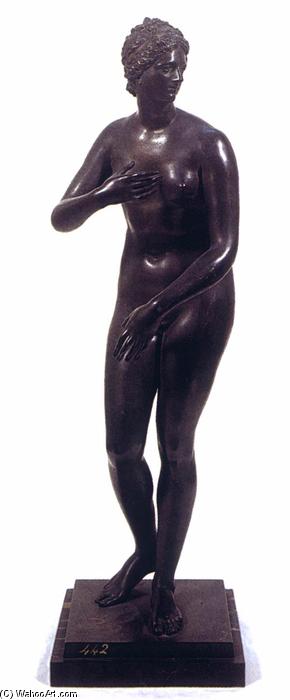
 Náhled v interiéru
 Sdílet
 Sdílet
 Podrobnosti o díle
 Průvodce

 Stáhnout
 Podobné položky
 Rentgenové snímky
 Slideshow
 Q&A
Q&A Statistiky
Venus


 Zobrazit více
Získejte soubor připravený k tisku, který svou kvalitou výrazně převyšuje webový náhled. Každý prodávaný digitální obraz pochází z vysokorozlišeného originálu v naší databázi – obvykle o šířce 5 000 až 15 000 pixelů – díky čemuž můžete tisknout ve velkém formátu, provádět těsný střih nebo si s jistotou užít i ty nejjemnější detaily.
Žádný soubor neopustí naše studio bez úprav. Digitální expert kontroluje barvy v porovnání s původním malířským dílem a v případě potřeby je upravuje, poté pomocí profesionálních nástrojů pro retuš zvyšuje ostrost a detailnost — přičemž vždy zůstává věrný tahům štětcem a stylu umělce. Výsledkem je obraz, který vypadá jako malba, nikoliv jako naskenovaný snímek s filtrem.
Schvalování před dokončením: náš expert vám do 72 hodin zašle obraz e-mailem k revizi. Nejsste spokojeni? Můžete požádat o úpravy či opravy, nebo si můžete vyžádat vrácení peněz, pokud kvalita neodpovídá vašim očekáváním.
Tuto kvalitu využívají vydavatelství, designová studia, galerie i tiskárny.
Digitální obrazy
Stáhněte si soubor ve vysokém rozlišení pro osobní prohlížení, tisk nebo kreativní projekty. ( Přepnout na tisk Koupit ručně malovaný obraz)
Součást každé objednávky digitálního obrazu
Profesionální digitální doručení, zaručené
Když si vyberete OriginalUniqueArt.com, nezískáváte pouze obrázek – získáváte digitální umělecké dílo s profesionálně vylepšenými detaily, zpracované s precizností a podpořené zárukou za spokojenost. Zde je vše, co vaše objednávka automaticky obsahuje:

Rychlé doručení e-mailem
Váš digitální obraz ve vysokém rozlišení vám bude zaslán e-mailem do 72 hodin od objednávky – připraven k okamžitému použití.

Digitální soubor s využitím AI
Vaše umělecké dílo je profesionálně optimalizováno pomocí pokročilých nástrojů umělé inteligence a manuální úpravy, což zajišťuje maximální úroveň detailu, ostrosti a přesnosti barev.

Doživotní bezplatné znovuodeslání digitálních obrazů
Soubor jste omylem smazali nebo ztratili? Žádný problém – kdykoliv vám ho znovu zašleme zcela zdarma.

Bez poplatků za dovoz – navždy
Užijte si své umělecké dílo okamžitě bez celních poplatků, daní nebo nákladů na dopravu – digitální stažení je vždy bez daňových povinností.

Záruka přesnosti barev
Díky profesionálním nástrojům a správě barev zajišťujeme, aby váš digitální obraz odrážel původní barvy co nejvěrněji.

100dená záruka spokojenosti
Pokud nebudete s digitálním obrázkem spokojeni, provedeme jeho revizi nebo vám vrátíme 100% platby do 100 dnů – bez jakýchkoliv dotazů.

100% záruka vrácení peněz
Nespokojeni? Získejte plnou náhradu peněz do 100 dnů od obdržení digitálního souboru – bez zbytečných dotazů.

Slevy při hromadných objednávkách
Koupě 3 obrazů ušetří 10% – Koupě 5 obrazů ušetří 15% – Koupě 10+ obrazů ušetří 20%. Ideální pro kreativní projekty, galerie a agentury.
Biografie umělce
A Sculptor of Whimsy: The Life and Art of Valerio Cioli
Valerio Cioli, a name perhaps less celebrated than his Renaissance contemporaries yet profoundly influential in the development of Florentine sculpture, flourished during the latter half of the 16th century. Born in Florence in 1529 and passing away in 1599, Cioli’s career unfolded against a backdrop of artistic innovation and the powerful patronage of the Medici court. While details regarding his early training remain somewhat elusive, it is understood he immersed himself in the sculptural traditions of the city, absorbing the lessons of masters like Michelangelo – though his path would diverge significantly from the High Renaissance ideals of classical perfection. Cioli’s art wasn't about imposing grandeur; it was about playful observation, a touch of irony, and an embrace of the unconventional. He often worked collaboratively with his brother Giovanni Simone Cioli, making disentangling individual contributions to certain projects a challenge for modern scholars. However, Valerio’s distinctive style – characterized by dynamic movement, expressive faces, and a penchant for depicting everyday life – consistently shines through.The Boboli Gardens: A Stage for Cioli's Imagination
Cioli’s enduring legacy is inextricably linked to the Giardino di Boboli, the magnificent Florentine garden commissioned by Cosimo I de’ Medici. It was within this expansive landscape that he created some of his most iconic works, transforming the space into a veritable theater of sculpture. The centerpiece, and arguably his masterpiece, is the Fontana del Bacchino (1560). This fountain isn't merely decorative; it’s a witty commentary on court life. It depicts Pietro Barbino, a dwarf in Cosimo I’s service, ironically nicknamed Morgante – after the giant from Luigi Pulci’s epic poem – portrayed nude and reclining upon a tortoise as a drunken Bacchus. The sculpture is a fascinating blend of humor and social observation, capturing both the absurdity and the vulnerability of its subject. The fountain's playful spirit, far removed from the solemnity of earlier Renaissance fountains, established Cioli’s reputation for whimsical baroque themes. Further enriching the Boboli Gardens are two additional sculptures attributed to Valerio (in collaboration with his brother): Uomo che vanga (Digging Man) and Uomo che scarica il secchio in un tino (Man Emptying a Bucket into a Vat). These figures, depicting laborers engaged in simple tasks, represent an early interest in portraying the lives of ordinary people – a departure from the traditional focus on mythological or religious subjects.Beyond Boboli: A Diverse Oeuvre
While the Boboli Gardens remain central to his fame, Cioli’s artistic output extended beyond these commissioned works. He demonstrated versatility and skill in various sculptural mediums and styles. A notable example is his Satyr with a Flask, now housed in the Museo del Bargello. This sculpture showcases his ability to render anatomical detail and imbue classical motifs with a sense of lively energy. Perhaps one of his most significant, though less frequently discussed, achievements was his contribution to the tomb of Michelangelo Buonarroti in the Basilica di Santa Croce. Cioli sculpted personifications of Painting, Sculpture, and Architecture – allegorical figures intended to honor the multifaceted genius of the Renaissance master. This commission underscores the esteem in which Cioli was held by his contemporaries; he was entrusted with a task of immense symbolic importance, paying tribute to one of history’s greatest artists. He also collaborated with Giovanni Vincenzo Casali on the statue of San Giovanni Evangelista for the Chapel of San Luca in the Annunziata, further demonstrating his collaborative spirit and willingness to engage in large-scale projects.Influences and Artistic Development
Cioli’s artistic development was shaped by a complex interplay of influences. The legacy of Michelangelo is undeniable – evident in his understanding of anatomy and dynamic composition. However, he consciously moved away from the High Renaissance emphasis on idealized forms, embracing instead a more naturalistic and expressive style. The Mannerist movement, with its elongated figures and dramatic poses, also left its mark on his work. But what truly sets Cioli apart is his unique ability to infuse his sculptures with humor, irony, and a sense of playful observation. He wasn’t simply replicating classical models or adhering to established conventions; he was creating something new – a distinctly baroque sensibility that anticipated the artistic trends of the 17th century. His fascination with everyday life, as evidenced in the Boboli sculptures depicting laborers, reflects a growing interest in realism and social commentary during the Renaissance period.Historical Significance and Lasting Legacy
Valerio Cioli’s historical significance lies not in revolutionizing sculpture but in subtly shifting its direction. He bridged the gap between the High Renaissance and the Baroque, paving the way for artists who would embrace dynamism, emotion, and theatricality. His work challenged traditional notions of beauty and decorum, introducing a new level of wit and irony into Florentine art. The Fontana del Bacchino, in particular, remains a powerful symbol of Medici patronage and the complex social dynamics of the Renaissance court. While often overshadowed by more celebrated figures, Cioli’s sculptures continue to captivate audiences with their playful spirit, expressive faces, and enduring charm. He stands as a testament to the power of observation, the importance of individuality, and the enduring appeal of art that dares to be both beautiful and thought-provoking.
Valerio Cioli
1529 - 1599
Stručné informace
- Full Name: Valerio Cioli
- Nationality: Italian
- Date Of Birth: 1529
- Date Of Death: 1599
- Place Of Birth: Settignano
- Notable Artworks:
- Fontana del Bacchino
- Uomo che vanga
- Satyr with a flask
- Artistic Movement Or Style: Baroque
- Artists Who Influenced This Artist: ['Michelangelo Buonarroti']
- Artists Or Movements Influenced By This Artist: ['Giovanni Simone Cioli']