
 Náhled
 Sdílet
 Sdílet
 Podrobnosti o díle

 Stáhnout
 Podobné položky
 Rentgenové snímky
 Slideshow
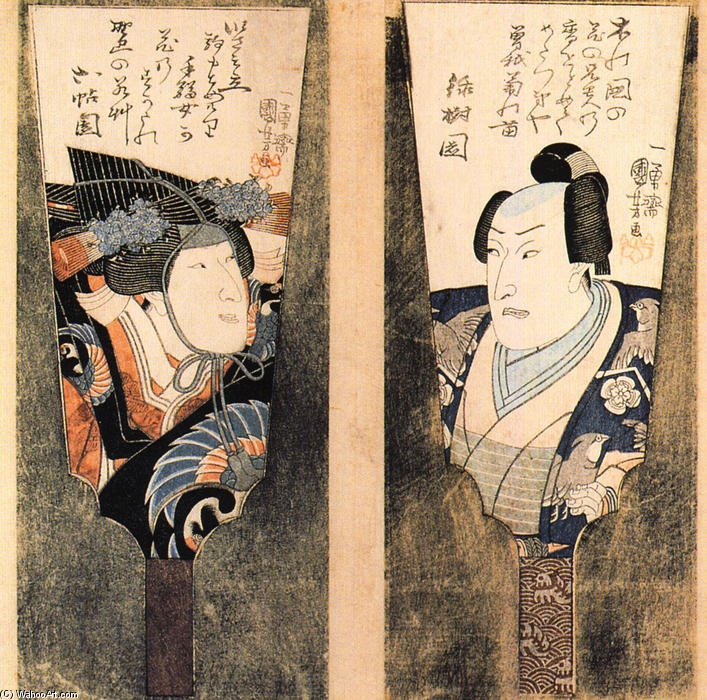
The actor (12)

 Zobrazit více
Koupě vysoce rozlišeného, vylepšeného digitálního obrazu, který je mnohem kvalitnější než online náhled.
Každý soubor je pečlivě připraven našimi odborníky pomocí pokročilých nástrojů a expertní manuální retuše. Zajišťujeme, aby každý obraz disponoval výjimečnou ostrostí, přesnou barevnou věrností a jemnými detaily.
Finální soubor vám bude do 72 hodin zaslán e-mailem, optimalizovaný pro okamžité použití v profesionálním, redakčním i tiskovém prostředí. Nabízíme stejnou kvalitu, které důvěřují špičková designová studia, nakladatelství i galerie.
Digitální obrazy
Stáhněte si soubor ve vysokém rozlišení pro osobní prohlížení, tisk a kreativní projekty. ( Přepnout na tisk Přepnout na ručně malovanou reprodukci)
Součást každé objednávky digitálního obrazu
Profesionální digitální doručení, zaručeno.
Když si vyberete OriginalUniqueArt.com, nezískáváte pouze obrázek – získáváte digitální umělecké dílo s profesionálně vylepšenými detaily, zpracované s precizností a podpořené zárukou za spokojenost. Zde je vše, co vaše objednávka automaticky obsahuje:

Rychlé doručení e-mailem
Váš digitální obraz ve vysokém rozlišení vám bude zaslán e-mailem do 72 hodin od objednávky – připraven k okamžitému použití.

Digitální soubor s využitím AI
Vaše umělecké dílo je profesionálně optimalizováno pomocí pokročilých nástrojů umělé inteligence a manuální úpravy, což zajišťuje maximální úroveň detailu, ostrosti a přesnosti barev.

Bezplatné doživotní znovuodeslání
Soubor jste omylem smazali nebo ztratili? Žádný problém – kdykoliv vám ho znovu zašleme zcela zdarma.

Bez poplatků za dovoz – navždy
Užijte si své umělecké dílo okamžitě bez celních poplatků, daní nebo nákladů na dopravu – digitální stažení je vždy bez daňových povinností.

Záruka přesnosti barev
Pomocí profesionálních nástrojů a správy barev zajišťujeme, aby váš digitální obraz odrážel původní barvy co nejvěrněji.

60denní záruka spokojenosti
Pokud nebudete s digitální fotografií spokojeni, provedeme její revizi nebo vám vrátíme 100% během 60 dnů – bez jakýchkoliv dotazů.

100% záruka vrácení peněz
Nespokojeni? Získejte plnou částku zpět do 60 dní od přijetí vašeho digitálního souboru – bez jakýchkoliv dotazů.

Slevy při hromadných objednávkách
Koupěte si 3 obrazy, ušetřete 10% - Koupěte si 5, ušetřete 15% - Koupěte si 10+, ušetřete 20%. Ideální pro kreativní projekty, galerie a agentury.
Popis sběratelského kusu
A Window Into Edo Japan: Kuniyoshi's "The Actor" – A Symphony of Color and Drama
Utagawa Kuniyoshi’s “The Actor,” executed in 1847, stands as a quintessential example of *shunga*, the Japanese erotic woodblock print genre that flourished during the Edo period (1603-1868). More than just a depiction of theatrical performance, this triptych delves into themes of beauty, masculinity, and fleeting moments captured in exquisite detail—a testament to Kuniyoshi’s mastery of technique and his profound understanding of Japanese aesthetics. Produced by Ichimura Uzaemon XII for the prestigious Gobuji Chūshingura series, commissioned to commemorate the heroic tale of samurai loyalists defending Edo Castle against Tokugawa forces, “The Actor” embodies the spirit of its time—a fascination with idealized figures and a celebration of artistic virtuosity.- Subject Matter: The print portrays Ichimura Uzaemon XII as Tada Kurodo Yukitsuna, a prominent Kabuki actor known for his dramatic performances and captivating stage presence. Kuniyoshi meticulously captures Yukitsuna’s posture—a deliberate pose designed to convey nobility and strength—emphasizing the importance of gesture and expression within Japanese theater traditions.
- Style & Technique: Kuniyoshi employed a bold, expressive style characteristic of *shunga*, utilizing thick black outlines and vibrant colors achieved through multiple blocks of pigment applied to the wood surface. The artist’s masterful use of tonal gradation—particularly in the background—creates depth and atmosphere, transporting viewers into the theatrical space depicted.
- Historical Context: “The Actor” reflects the Edo period's obsession with idealized beauty and heroic narratives. Gobuji Chūshingura itself was a popular tale celebrating samurai loyalty and courage, mirroring broader societal values during this era. Kuniyoshi’s inclusion of tattoos—a symbol of honor and warrior identity—further reinforces these themes, demonstrating his awareness of cultural conventions.
- Symbolism: The intricate patterns adorning Yukitsuna's kimono serve as visual metaphors for status and refinement—elements central to Edo society’s hierarchical structure. Furthermore, Kuniyoshi’s careful composition directs the viewer’s gaze towards Yukitsuna’s face, highlighting the importance of facial expression in conveying emotion and embodying character within Kabuki performances.
- Emotional Impact: Despite its erotic undertones—a common feature of *shunga*— “The Actor” transcends mere sensuality to evoke feelings of admiration for beauty and contemplation on the ephemeral nature of human experience. Kuniyoshi’s artistic vision captures a moment frozen in time, inviting viewers to appreciate the artistry and cultural significance of Edo Japan.
Biografie umělce
A Life Immersed in the Floating World
Utagawa Kuniyoshi, born Yoshisaburō on January 1, 1798, in Edo (modern-day Tokyo), stands as a towering figure at the close of the *ukiyo-e* tradition – the “pictures of the floating world” that so vividly captured Japanese life during the Edo period. His journey began not amidst artistic circles, but within the practical realm of his father’s silk-dyeing business. This early exposure to color and pattern would subtly inform his later work, imbuing it with a distinctive vibrancy. Even as a young boy, however, Kuniyoshi was captivated by the dramatic world of *ukiyo-e*, particularly the heroic imagery of warriors and artisans that populated popular prints. These formative impressions ignited within him a passion that would define his life’s pursuit. He entered the studio of Utagawa Toyokuni I in 1811, adopting the name Kuniyoshi and embarking on a rigorous apprenticeship that honed his skills and introduced him to the conventions of the Utagawa school.From Humble Beginnings to Masterful Innovation
Kuniyoshi’s early career was marked by a period of relative obscurity. While proficient in the established styles, he struggled to find his unique voice amidst the crowded landscape of Edo printmaking. His initial works largely mirrored those of his teacher, offering little that distinguished him from his contemporaries. However, this period of exploration proved crucial. He experimented with various genres and techniques, gradually developing a distinctive approach characterized by dynamic compositions, bold colors, and an increasingly sophisticated understanding of narrative storytelling. The breakthrough came in 1827 with the release of *The One Hundred and Eight Heroes of the Popular Suikoden*, a monumental series based on the Chinese novel *Shui Hu Zhuan*. This work catapulted Kuniyoshi to fame, establishing him as a master of *musha-e* – warrior prints. The series wasn’t merely an illustration of heroic tales; it was a showcase for Kuniyoshi's burgeoning talent for dramatic composition and characterization. He didn’t simply depict warriors; he brought them to life with compelling emotion and intricate detail. The sheer scale of the project, involving hundreds of individual prints, demonstrated his growing mastery of the woodblock printing process and his ability to manage a large-scale artistic undertaking.A Synthesis of Tradition and Western Influence
What truly sets Kuniyoshi apart is his willingness to embrace innovation while remaining deeply rooted in Japanese artistic traditions. As the Edo period drew to a close, Japan experienced increasing contact with the West, and Kuniyoshi was among the first *ukiyo-e* artists to incorporate elements of Western perspective and shading into his work. This wasn’t simply imitation; he skillfully integrated these techniques to enhance depth, realism, and dramatic impact. His landscapes, in particular, demonstrate a masterful command of atmospheric effects and spatial relationships, often evoking a sense of grandeur and awe. He didn't abandon the established conventions of *ukiyo-e*, such as bold outlines and flat colors, but rather layered them with subtle Western influences to create a unique visual style. Beyond technique, Kuniyoshi expanded the subject matter of *ukiyo-e*. While traditional themes like beautiful women and Kabuki actors remained popular, he ventured into new territory, depicting historical scenes, mythological creatures, and even satirical commentaries on contemporary society. His triptych *In Minamoto’s Residence the Earth Spider Appears as a Monster* (1843) is a prime example of this daring approach, cleverly disguising political criticism within a fantastical narrative.The Suikoden Series: A Defining Achievement
Kuniyoshi's most celebrated work, *The One Hundred and Eight Heroes of the Popular Suikoden*, solidified his reputation as a master artist. Based on the classic Chinese novel *Shui Hu Zhuan* (also known as *Outlaws of the Marsh*), this epic series depicted the adventures of a band of heroic outlaws who battled against corrupt officials and monstrous demons. Kuniyoshi’s interpretation was far from a straightforward illustration; he infused each scene with dynamic action, dramatic lighting, and compelling characterization. The prints are renowned for their energy, their vibrant colors, and their skillful use of perspective to create a sense of depth and movement. The series demonstrated Kuniyoshi's ability to synthesize traditional Japanese storytelling with Western artistic techniques, resulting in a work that was both visually stunning and emotionally engaging. It remains one of the most influential and beloved *ukiyo-e* prints ever created.Legacy and Influence
Kuniyoshi’s influence on subsequent generations of artists is undeniable. He left behind a vast and diverse body of work – estimated to number over 5,000 designs – that continues to inspire awe and admiration today. His innovative blending of traditional Japanese aesthetics with Western techniques paved the way for new artistic possibilities, while his willingness to challenge conventions broadened the scope of *ukiyo-e*. He trained numerous students, including Yoshitoshi, who would carry on his legacy into the Meiji period. His work is held in major museums worldwide and continues to be studied by art historians and enthusiasts alike. Kuniyoshi’s art serves as a testament to the enduring power of imagination, skill, and artistic innovation. He remains a pivotal figure in the history of Japanese art, whose work continues to resonate with audiences around the world. He passed away on April 14, 1861, leaving behind a legacy that firmly cemented his place as one of the last great masters of *ukiyo-e*.
Kuniyoshi Utagawa
1797 - 1861 , Japonsko
Stručné informace
- Artistic Movement Or Style: Ukiyo-e
- Artists Or Movements Influenced By This Artist: ['Ozawa Tsuyoshi']
- Artists Who Influenced This Artist: ['Toyokuni Utagawa']
- Date Of Birth: 1798-01-01
- Date Of Death: 1861-04-14
- Full Name: Utagawa Kuniyoshi
- Nationality: Japonský
- Notable Artworks:
- Sto osm hrdinů
- Duch Taira Tomomori
- Most Gojō
- Place Of Birth: Tokio, Japonsko

