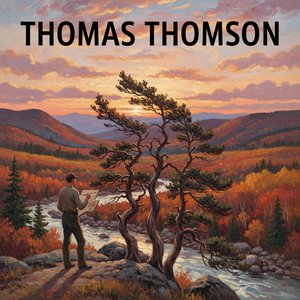
Morning
Ručně malovaná olejová reprodukce
Ručně malovaná olejná barva na plátně ve vašem zvoleném rozměru i s rámem, vyrobená našimi umělci na zakázku. ( Přepnout na tisk
Přepnout na obrázek)
P118B $10
P118H $10
P118W $10
P438Z $10
P508JH $12
P508YH $12
P805H $10
P805Z $10
P919BZ $10
P919G $10
P919XJ $10
P959ZH $10
P968JZ $12
W106C $8
W218G $10
W218JH $8
W218Y $10
W307PJ $10
W316G $10
W316PJ $8
W316Y $10
W398PJ $8
W4111J $10
W500HY $15
W500JH $15
W692G $12
W849H $8
W940BG $15
W953PJ $8
Vyberte si z našich přednastavených velikostí, které odpovídají původním proporcím díla.
Můžete zadat vlastní rozměry pro konkrétní rám nebo prostor. Pokud se vámi vybraná velikost neshoduje s proporcemi původního obrazu, dílo buď ořízneme, nebo jej doplníme ručně malovanými prvky. Před zahájením výroby vám bude zaslán digitální náhled ke schválení.
Upozorňujeme, že náhled na obrazovce neodpovídá skutečnému ořezu ani rozšíření. Pouze digitální náhled přesně zobrazí finální kompozici.
Ačkoliv je možné zvolit vlastní velikost, pro zachování původních proporcí doporučujeme vybrat rozměr z předdefinovaného seznamu.
Po přijetí objednávky vám tým OriginalUniqueArt.com zašle e-mail s pokyny a poskytne náhledovou verzi.
Celosvětová doprava () za 3–4 týdny namísto standardních 5 týdnů. (5 srpen). Bez kompromisů v kvalitě.
Zdarma celosvětová expresní doprava
Vysoce kvalitní lněné plátno
Kompletní přepravní pojištění
Záruka vrácení celního poplatku
Záruka přesného barevného shodu
60denní lhůta pro vrácení zboží (pouze při vadách výroby)
100% garance vrácení peněz
Sleva při hromadné objednávce
Morning
Technika reprodukce
Rozměry reprodukce
-
Celková cena za výběr
$ 300
Popis díla
The Essence of Dawn: Unveiling “Morning”
Tom Thomson’s “Morning,” painted in 1915, isn't merely a landscape; it’s a distilled moment of profound serenity captured on wood-pulp board. This evocative piece, now readily available as a meticulously crafted reproduction at OriginalUniqueArt.com, transports the viewer to the heart of Ontario's wilderness – a place where the air is crisp with anticipation and the promise of a new day hangs heavy in the mist.
(Image of Tom Thomson - Morning)
A Pioneer’s Palette: Style and Technique
Thomson, a pivotal figure in Canadian art, forged his distinctive style through a masterful blend of observation and emotion. “Morning” exemplifies this approach perfectly. His brushstrokes are not delicate or precise; instead, they're bold, confident sweeps that convey movement and energy. Notice how the blues and greens – dominant hues in the painting – aren’t simply applied; they’re layered and textured, creating a shimmering effect reminiscent of water reflecting the sky. The composition itself is carefully balanced: the distant mountains provide a grounding presence while the boats on the water invite us into the scene, suggesting both tranquility and the potential for adventure.
The choice of wood-pulp board as a medium is significant. It allowed Thomson to work quickly and directly, capturing the fleeting effects of light and atmosphere with remarkable immediacy. This technique contributes to the painting’s sense of spontaneity and freshness – it feels as though you've stepped into a moment frozen in time.
Echoes of the Wilderness: Historical Context
“Morning” was created during a crucial period in Thomson’s career, just before his untimely death in 1917. It reflects his deep connection to Algonquin Park, a place he frequently visited and which profoundly influenced his artistic vision. This painting is part of the collection at the Tom Thomson Art Gallery in Ontario, standing as a testament to his contribution to Canadian art history. The gallery’s presence underscores the importance of preserving and celebrating Thomson's legacy – a legacy that continues to inspire artists and captivate audiences today.
Interestingly, the painting’s creation coincided with the burgeoning movement towards defining a distinctly “Canadian” artistic identity. Thomson’s work, alongside those of the Group of Seven, helped establish a visual language rooted in the landscapes and experiences of this vast nation. “Morning,” therefore, isn't just a beautiful depiction of nature; it’s also a symbol of Canadian pride and heritage.
Symbolism and Emotional Resonance
Beyond its technical brilliance, “Morning” is rich with symbolic meaning. The boats on the water represent human connection to nature – a desire for respite and reflection amidst the demands of daily life. The mountains in the background symbolize strength, endurance, and the timelessness of the wilderness. The diffused light and muted colors evoke a sense of peace, quiet contemplation, and the beauty of the natural world at dawn.
Perhaps most powerfully, “Morning” captures a feeling – the anticipation of a new day, the promise of possibility, and the profound connection between humanity and nature. It’s a painting that invites us to slow down, breathe deeply, and appreciate the simple beauty of our surroundings.
Biografie umělce
A Pioneer of the Canadian Wilderness
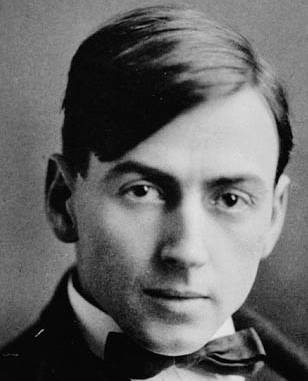
Thomas John Thomson, commonly known as Tom Thomson, remains a pivotal and somewhat enigmatic figure in Canada’s artistic history. Though his active career spanned only a handful of years – tragically cut short at the age of thirty-nine – he indelibly shaped the course of Canadian art, serving as a crucial precursor to the renowned Group of Seven and leaving behind a legacy of evocative landscapes that continue to resonate deeply with audiences today. His story is one of late blossoming, of a restless spirit finding its voice in the untamed beauty of Ontario’s wilderness, and of an enduring mystery surrounding his untimely death.From Rural Beginnings to Artistic Awakening
Born August 5, 1877, in Claremont, Ontario, Thomson's early life was deeply rooted in the rhythms of rural existence. He grew up as one of ten children within a farming family – an upbringing that instilled within him a profound connection to the natural world – though this connection wasn’t initially expressed through artistic pursuits. His formal education was intermittent and often disrupted by illness, requiring him to work alongside his family on the farm. Before dedicating himself fully to art, Thomson explored various trades: he worked at an iron foundry, briefly attended business college, and even ventured west to Seattle where he honed his skills as a commercial artist. This period proved formative; it wasn’t merely about acquiring technical proficiency in penmanship and design at firms like Maring & Ladd, but also about encountering individuals who would later become central figures in the burgeoning Canadian art scene – J.E.H. MacDonald and Lawren Harris among them. These connections provided a crucial intellectual and artistic environment that nurtured his latent talent. However, it was the discovery of Algonquin Park in 1912 that truly ignited Thomson’s artistic passion. Guided by MacDonald's encouragement, he began to sketch the park’s breathtaking vistas, embarking on a journey of self-discovery through landscape painting.The Evolution of a Distinctive Style
Thomson’s early paintings reveal a promising but unrefined talent. While demonstrating an understanding of composition and color, they lacked the distinctive voice that would come to define his mature work. Over time, however, his style underwent a dramatic transformation. He moved away from conventional techniques, embracing a bolder, more expressive approach characterized by vivid colors, thickly applied paint – *impasto* – and dynamic brushstrokes. These weren’t merely representations of the landscape; they were visceral interpretations, conveying the energy, atmosphere, and emotional intensity of the Canadian wilderness. His subject matter remained almost exclusively landscapes: towering trees, expansive skies, shimmering lakes, winding rivers, and the subtle nuances of light and shadow across the terrain. He captured not just what he *saw*, but how it *felt* to be immersed in that environment. This ability to infuse his paintings with a sense of immediacy and emotional resonance set him apart from his contemporaries. He experimented with techniques borrowed from Impressionism, but ultimately developed a uniquely Canadian style – one that prioritized capturing the raw beauty and untamed spirit of the land.Influences and Connections
Thomson’s artistic development was significantly shaped by his interactions with other artists in the early 20th-century Canadian art scene. His association with J.E.H. MacDonald, a prominent landscape painter and teacher, proved particularly influential. MacDonald encouraged Thomson to focus on capturing the essence of the Canadian wilderness and provided guidance on technique and composition. Furthermore, his brief time working alongside Lawren Harris at the Royal School of Art in Toronto exposed him to new ideas and perspectives. These connections fostered a sense of camaraderie and mutual inspiration, contributing to the development of a shared artistic vision. The influence of European art movements, particularly Impressionism and Post-Impressionism, is also evident in Thomson’s work, although he adapted these styles to suit the unique characteristics of the Canadian landscape.Major Works and Legacy
Thomson's most celebrated works include The Jack Pine (1912), a powerful depiction of a solitary pine tree against a dramatic sky; *The West Wind* (1913), capturing the movement and energy of the wind through the trees; *Moonlight Sail* (1917), evoking the tranquility and mystery of a moonlit lake; and *Birch Grove, Autumn* (1917), showcasing the vibrant colors and textures of a northern forest. These paintings are not simply representations of landscapes; they are imbued with emotion and a sense of place – capturing the spirit of Canada’s wilderness. Despite his tragically short career, Thomson's influence on Canadian art is undeniable. He is widely considered an unofficial member of the Group of Seven, whose distinctive style he profoundly influenced. His work continues to be exhibited in major galleries across Canada, and his paintings are highly sought after by collectors worldwide. The mystery surrounding his death – a drowning accident in Canoe Lake in 1917 – only adds to his legend, solidifying his place as one of Canada’s most beloved and enduring artists.A Lasting Symbol
Thomson is rightfully recognized as a pioneer of Canadian modern art, breaking away from European traditions and forging a uniquely Canadian aesthetic. His paintings are more than just landscapes; they are powerful symbols of Canada's wilderness and national identity. The enduring popularity of his work speaks to its timeless quality and universal appeal. He didn’t simply paint what he saw; he painted how it *felt* to be Canadian, to be connected to the vastness and beauty of the northern landscape. His legacy continues to grow, solidifying his position as one of Canada's most important artists – a true icon of the nation’s artistic heritage.Tom Thomson
1877 - 1917 , Kanada
Rychlé fakta
- Artistic Movement Or Style: Kanadská modernismus
- Artists Or Movements Influenced By This Artist: ['Group of Seven']
- Artists Who Influenced This Artist:
- J.E.H. MacDonald
- Lawren Harris
- Date Of Birth: 5. srvna 1877
- Date Of Death: 8. července 1917
- Full Name: Thomas John Thomson
- Nationality: Kanadský
- Notable Artworks:
- Jack Pine
- West Wind
- Moonlight Sail
- Place Of Birth: Claremont, Kanada


Skleněná varianta je dostupná pouze u rozměrů menších než 110 cm