Neoclassicism
Cupid Bound To A Tree (Thomas Stodhart)
Thomas Stodhart (1755–1834) vytvořil dílo Cupid Bound To A Tree. Patří k hnutí Neoclassicism. Je vyrobeno z Oil On Canvas.
- Oil On Canvas

 Náhled v interiéru

 Ručně malovaná olejná reprodukce
 Sdílet
 Sdílet
 Informační list pro studenty


 Stáhnout
 Podobné položky
 Rentgenové snímky
 Slideshow
 Otázky a odpovědi

 Statistiky
Cupid Bound To A Tree v kostce
- Název díla
- Cupid Bound To A Tree
- Autor
- Thomas Stodhart (1755–1834)
- Rok narození umělce
- Londýn, Spojené království
- Technika
- Oil On Canvas
- Pohyb
- Neoclassicism
- Období
- 19th Century
- Motiv
- mythological scene, romantic imagery, childhood innocence, forest setting, classical figures, love & devotion
Co przedstawuje dílo Cupid Bound To A Tree?
Identification of the Artwork and Artist
We are looking at Cupid Bound To A Tree, an oil painting by Thomas Stothard. This work belongs to a period when the artist was establishing his presence within the London art scene. Stothard, who was born in London in 1755, possessed a particular sensitivity to the nuances of narrative and form that defined much of his output. He remained a significant figure in the British artistic landscape until his death in 1834.
The artist's background as a draughtsman of patterns for brocaded silks is often felt in the way he handles texture and detail. In this specific piece, his ability to translate classical and mythological themes into a structured arrangement is quite apparent. It is a work that reflects the grace and elegance often associated with his hand, focusing on the interplay of light and the human form within a natural setting.
Visual Composition and Subject Matter
The scene unfolds within the quiet seclusion of a dense forest, where the arrangement of figures creates a sense of intimate enclosure. At the heart of this woodland gathering, a central group of cherubic infants draws the eye, surrounded by women, children, and angelic beings. This layered composition provides a palpable sense of depth, drawing the viewer into a private, sheltered space where the natural world and the mythological realm meet. The figures are positioned to suggest a gentle, perhaps even melancholic, assembly, focused on the innocence of the central infants.
The subject matter explores the delicate intersection of love and innocence. Through the presence of these celestial and maternal figures, the work touches upon themes of purity and the soft weight of nostalgia. The color palette remains restrained, relying on muted earth tones that ground the mythological figures within their organic setting. These subtle shades are punctuated by intentional highlights of white and gold, which catch the light and provide a luminous quality to the skin tones and fabrics of the central group.
Artistic Style and Visual Impression
The composition leans toward Neoclassicism, favoring idealized forms and a structured narrative. Rather than sharp edges, the work relies on predominantly soft and flowing lines that guide the eye through the woodland setting. These organic shapes—the curves of the figures, the reach of the trees, and the surrounding foliage—blend together to create a sense of natural enclosure. The perspective is somewhat flattened, a choice that directs our attention toward the emotional weight of the scene rather than a strict, realistic depth.
Lighting is used with a certain dramatic intent. An unseen source positioned above and behind the central group casts deep shadows while highlighting the key figures, creating a sense of atmospheric tension. This interplay of light and shadow contributes to an overall mood of quiet contemplation. There is a palpable sense of gentle sadness within the gathering, a subtle melancholy that permeates the intimate scene.
Technique and Material Details
Executed in oil paints on canvas, this work possesses a certain luminous quality that draws the eye inward. The artist employs a method where the brushstrokes remain visible to the viewer, yet they are carefully blended to achieve a sense of seamlessness. This approach allows for smooth transitions between light and shadow, particularly across the skin tones and the folds of the drapery. Such control over the medium creates a subtle tonal variation that gives the figures a soft, organic presence within the woodland setting.
The application of the paint results in a layered texture that adds a physical depth to the surface. By manipulating the thickness of the oil, the artist has managed to capture a sense of atmosphere, where the light seems to emanate from within the pigment itself. The interplay of these textures and the muted earth tones creates a quiet, steady visual rhythm. It is a delicate balance of precision and softness, where the material itself supports the narrative without drawing undue attention to the hand of the maker.
Related Works by Thomas Stothard
In examining the breadth of Stothard's output, one finds a consistent interest in translating narrative and classical themes into structured, graceful arrangements. His oil pictures are usually small in size, a characteristic that lends an intimate quality to his various compositions. This preference for a more contained scale allows for a focused study of light and human form, a trait evident across his diverse subject matter.
His engagement with dramatic tension is seen in works such as The Return of Othello, created around 1799. This piece utilizes a restrained palette of ochre, brown, and black tones, punctuated by highlights of white and subtle red, to focus the viewer on the central interaction between the figures. Such works reflect his ability to balance small-scale historical subjects with decorative designs, maintaining a steady interest in the interplay of light and the human figure.
Other compositions by the artist include Tam O' Shanter and A gun crew. These works, alongside his various illustrations, demonstrate a versatility in handling different genres, from the sentimental to the historical. His ability to capture the essence of a scene remains a constant thread throughout his various artistic endeavors.
Vysokorozlišené fotografie díla Cupid Bound To A Tree
Thomas Stodhart, Cupid Bound To A Tree. Veřejná doména
Odpovědi na otázky k dílu Cupid Bound To A Tree
V jaké technice je vytvořeno dílo „Cupid Bound To A Tree“ od Thomas Stodhart?
Technikou díla „Cupid Bound To A Tree“ od Thomas Stodhart je Oil On Canvas. Reprodukce mají za cíl věrně zachytit vzhled této techniky.
Jaká témata se objevují v díle „Cupid Bound To A Tree“ od Thomas Stodhart?
„Cupid Bound To A Tree“ od Thomas Stodhart zobrazuje: mythological scene, romantic imagery, childhood innocence, forest setting, classical figures, love & devotion, melancholy mood.
Patří „Cupid Bound To A Tree“ od Thomas Stodhart do volného tisku?
Stav autorských práv pro dílo „Cupid Bound To A Tree“ od Thomas Stodhart: toto dílo spadá do v rámci volného užití – autorská práva vypršela. To určuje, zda lze volně vytvářet reprodukce tohoto obrazu.
Kdo je autorem díla "Cupid Bound To A Tree"?
Dílo "Cupid Bound To A Tree" vytvořil/a Thomas Stodhart. Informace na této stránce popisují originální dílo umělce Thomas Stodhart.
K jakému stylu patří „Cupid Bound To A Tree“?
Umělecký směr, ke kterému patří dílo „Cupid Bound To A Tree“ od Thomas Stodhart, je Neoclassicism. Tato klasifikace toto dílo umísťuje mezi související umělce a další umělecká díla.
Do které éry tvorby Thomas Stodhart spadá dílo "Cupid Bound To A Tree"?
„Cupid Bound To A Tree“ představuje období Mature Period umělce Thomas Stodhart.
Proč má dílo „Cupid Bound To A Tree“ právě takový autorský status?
Autorskoprávní status díla „Cupid Bound To A Tree“ – v rámci volného užití – autorská práva vypršela – vyplývá ze smrti umělce v roce 1834.
Jakým způsobem se dílo „Cupid Bound To A Tree“ zapojuje do témat a stylu umělce Thomas Stodhart?
Dílo „Cupid Bound To A Tree“ sdílí s ostatními pracemi umělce Thomas Stodhart styl období Neoclassicism a opakující se témata: sentimental narrative, book illustration style, domestic themes, classical mythology, neoclassical tradition, romantic sentimentality, love & family values, moral innocence.
Jakým způsobem se motiv díla „Cupid Bound To A Tree“ vztahuje k obvyklým tématům umělce Thomas Stodhart?
Mezi zaznamenaná témata umělce Thomas Stodhart – tedy sentimental narrative, book illustration style, domestic themes, classical mythology, neoclassical tradition, romantic sentimentality, love & family values, moral innocence – přináší dílo „Cupid Bound To A Tree“ specifické zaměření na mythological scene, romantic imagery, childhood innocence, forest setting, classical figures, love & devotion, melancholy mood.
O umělci, Thomas Stodhart

1755–1834, Spojené království
Thomas Stodhart
Thomas Stothard (1755–1834): The Poet Painter of Romantic England Thomas Stothard (17 August 1755 – 27 April 1834) was a British painter, illustrator and engraver who stands as one of the most prominent figures in Romantic art. His distinctive style—characterized by delicate brushwork, luminous colour palettes, and an unwavering devotion to classical ideals blended with sentimental emotion—established him as a pivotal voice within the artistic landscape of his era. More than simply documenting historical events, Stothard sought to capture the spirit of his time, imbuing his canvases and engravings with profound psychological insight and aesthetic beauty. Early Life and Training: Career Highlights: Book Illustration and Decorative Art Notable Paintings: “The Canterbury Pilgrims” and Beyond Influence and Legacy: Shaping Romantic Aesthetics Conclusion: A Lasting Impression on British Art History Early Life and Training Born in London, the son of a prosperous innkeeper in Long Acre, Stothard’s childhood was marked by an early fascination with drawing.
O umělci Thomas Stodhart Významná díla umělce Thomas Stodhart
Také od autora Thomas Stodhart
 The Supper by the Fountain1820
 Portrait Of General Francis Marion )1732
 The Return of Othello, 'Othello,' Act II, Scene II1799
 The Horrors of War, Sketch for Burghley House Mural1800
Eseje k tématu Cupid Bound To A Tree
 British Romantic paintersMasterpieces by Turner, Constable, and Blake define British Romanticism. Explore the full collection online at OriginalUniqueArt.com.
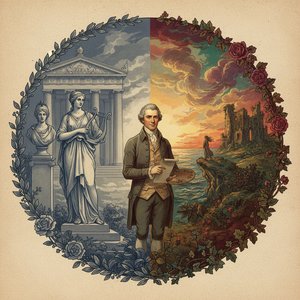 Thomas Stothard: Bridging Neoclassical Ideals with Romantic Sensibility – A ReassessmentExplore the life & art of Thomas Stothard (1755-1834), a pivotal figure bridging Neoclassicism and Romanticism. Discover his exquisite book…
 25 Iconic Piero di Cosimo Paintings: A Visual Journey Through His Mythical and Realistic ArtExplore 25 iconic Piero di Cosimo paintings from the Florentine Renaissance. Discover the full collection online at OriginalUniqueArt.com.