 Náhled v interiéru
 Sdílet
 Sdílet
 Podrobnosti o díle
 Průvodce

 Stáhnout
 Podobné položky
 Rentgenové snímky
 Slideshow
 Otázky a odpovědi
 Statistiky
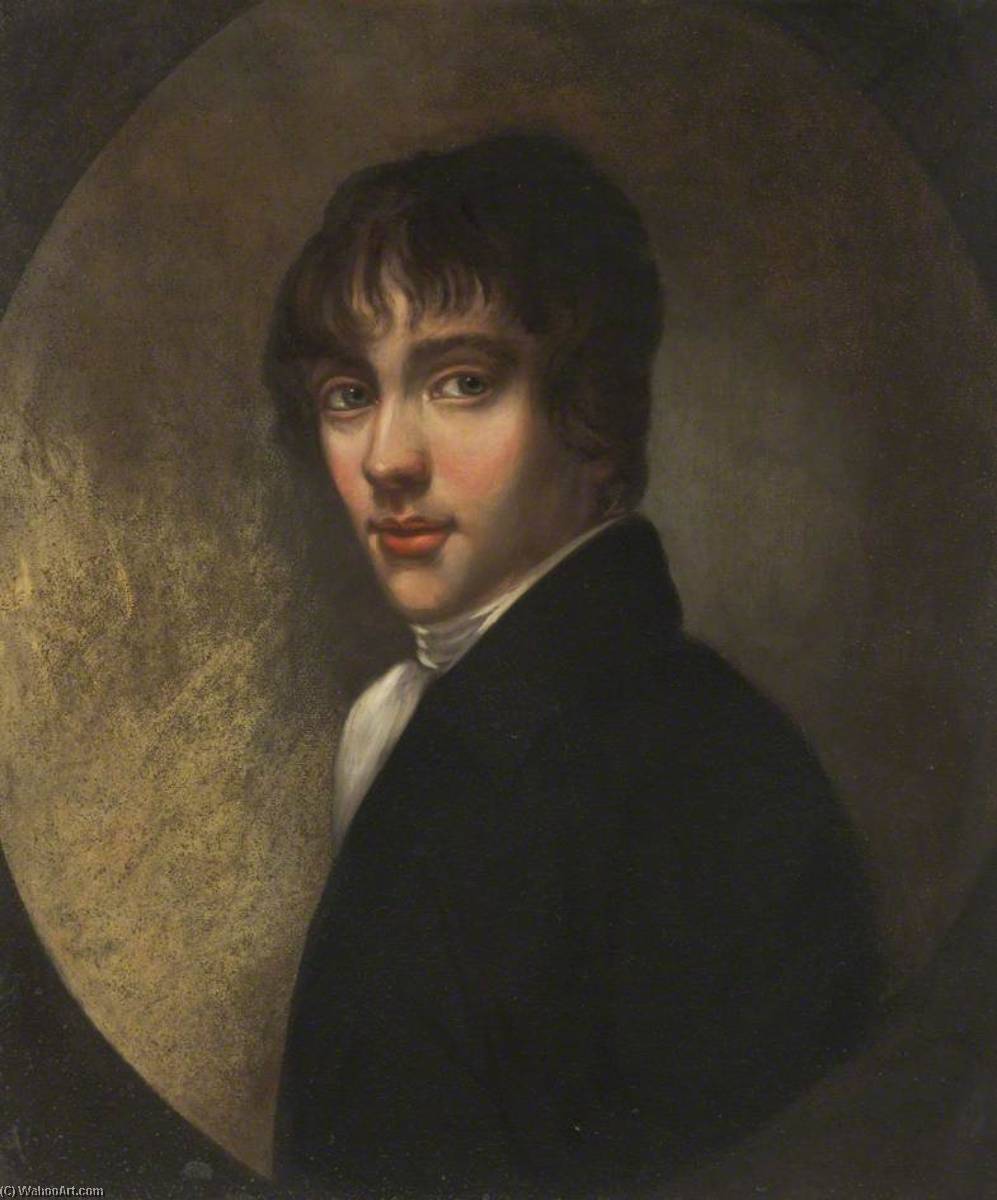
Self Portrait

- 71.0 x 62.0 cm


 Zobrazit více
Giclée / Umělecký tisk
Giclée nebo plátěný tisk muzeální kvality s rychlou výrobou a širokou nabídkou povrchových úprav. ( Koupit ručně malovaný obraz Přepnout na digitální obraz)




































Vyberte si z našich přednastavených velikostí, které odpovídají původním proporcím díla.

Zadejte šířku a výšku, které potřebujete pro váš rám nebo stěnu. Tisk lze pouze oříznout, nikdy však nelze zvětšit obraz nad jeho původní rozměr, proto při výběru jiného formátu dochází ke ztrátě části obrazu. Před samotným tiskem vám zašleme digitální náhled k schválení. Obraz zobrazený na této stránce nenabízí skutečný výřez — ten uvidíte pouze v náhledu.
Celosvětové doručení () do 2 týdnů namísto standardních 4/5 týdnů. (17 listopad)

Zdarma celosvětová expresní doprava

Vysoce kvalitní lněné plátno

Kompletní pojištění přepravy

Záruka vrácení celního poplatku

Záruka věrného barevného souladu

100dení lhůta pro vrácení zboží (pouze při vadách výroby)

100% záruka vrácení peněz

Sleva při více objednávkách
 Skleněná varianta je dostupná pouze u rozměrů menších než 110 cm

Self Portrait
Giclée / Umělecký tisk
Rozměry reprodukce
-


Celková cena za vybrané možnosti reprodukcí
Kč 1758
Biografie umělce
Early Life and Apprenticeship
Thomas Stewardson, born in the picturesque town of Kendal, England, in August 1781, emerged from a family rooted in the quiet traditions of the Quaker community. His early life was shaped by this upbringing, fostering a sense of introspection that would later permeate his artistic endeavors. While details surrounding his initial education remain somewhat scarce, it is known that he began his formal training with John Fothergill, a local painter who provided him with foundational skills in the art of representation. However, Stewardson’s true artistic awakening came through his association with George Romney, a leading portraitist of the era. He became a student under Romney's tutelage, absorbing not only technical expertise but also a refined aesthetic sensibility that would define his own style.
London and Establishing a Practice
Driven by ambition and a desire to hone his craft further, Stewardson relocated to London in 1803. He quickly established himself within the vibrant art scene, making his debut at the Royal Academy in 1804 with works that demonstrated a growing mastery of portraiture. The influence of John Opie is also noted during this period, though it was Sir Thomas Lawrence’s elegant style that appears to have left a more lasting impression on Stewardson's approach. He settled initially in Leadenhall Street, where he rapidly gained recognition for his detailed and accurate depictions of the human form. His portraits were not merely likenesses; they captured character and social standing with remarkable sensitivity.
A Portraitist of London Society
Stewardson’s success stemmed from his ability to appeal to a discerning clientele, including members of prominent families such as the Dukes of Marlborough and Marquesses of Winchester. He painted portraits of Sir Thomas S. Pasley, Right Hon. George Canning (engraved for the National Portrait Gallery), Lord Skelmersdale, and the Earl of Liverpool—figures who shaped the political and social landscape of Victorian London. His work became synonymous with refined elegance and a meticulous attention to detail. Beyond his official commissions, Stewardson also explored other subjects, including exotic Orientalist scenes like ‘The Indian Serpent Charmer,’ exhibited in 1818, which showcased his versatility and willingness to experiment.
Style and Technique
Stewardson’s artistic style is characterized by a remarkable clarity of form and a subtle yet effective use of color. His portraits are notable for their well-defined drawing and the lifelike quality of the skin tones, achieved through careful layering and blending techniques. While influenced by Lawrence's elegance, Stewardson developed his own distinct voice—one that prioritized accuracy and psychological insight over flamboyant display. He possessed a keen eye for capturing the nuances of expression, imbuing his sitters with a sense of dignity and presence. His portraits often feature muted tones and a sfumato technique, creating a soft, atmospheric effect.
Later Life and Legacy
Unfortunately, Stewardson’s career was cut short by illness, which prevented him from practicing his profession for the last thirty years of his life. He passed away in 1859 at his lodgings in Pall Mall, leaving behind a legacy of finely executed portraits that offer a fascinating glimpse into the world of Victorian society. His work can be found in museums such as those in Strasbourg and Cherbourg, and examples continue to grace private collections worldwide. Though perhaps not as widely celebrated as some of his contemporaries, Thomas Stewardson remains an important figure in British portraiture—a testament to his skill, dedication, and ability to capture the essence of his subjects.

Thomas Stewardson
1781 - 1859
Rychlé informace o umělci
- Full Name: Thomas Stewardson
- Nationality: British
- Date Of Birth: 1781
- Date Of Death: 1859
- Place Of Birth: Kendal, England
- Notable Artworks:
- Jane Romney Portrait
- Self Portrait
- Artistic Movement Or Style: Portrait Painting
- Artists Who Influenced This Artist: ['George Romney']
- Artists Or Movements Influenced By This Artist: ['Collegiate Gothic']
Související články

The Inner Landscape: Exploring Themes of Introspection in Visual Art Across Movements & Eras
Explore the captivating world of introspective art! Discover how artists across eras – from Rembrandt to Kahlo – used self-portraiture to reveal their inner worlds and emotional depths. A journey through art history & psychology.

James Abbott McNeill Whistler: Top 25 mistrovských děl pro váš interiér | OriginalUniqueArt.com
Prozkoumejte 25 ikonických děl Jamese Abbotta McNeilla Whistlera! Obrazy Nocturnes, portréty a estetismus. Inspirace pro interiér s uměleckými reprodukcemi nejvyšší kvality na OriginalUniqueArt.com. Objevte celou kolekci online.

Beyond Decor: How Custom Historical Portraits Redefine Modern Self-Expression
Discover how custom historical portraits transcend decor to become profound expressions of identity. Explore the artistry of bespoke oil reproductions, from Renaissance mastery to modern reimagining, and learn to transform personal legacies into museum-quality fine art masterpieces.

The Echo of Self: Reflectivity as a Core Theme in Art History & Contemporary Practice
Explore the rich history of self-representation in art, from Renaissance masters to modern innovators. Discover how artists use portraiture to reveal identity, emotion & the depths of the human psyche. Expert insights for collectors.

Masterpieces of Light: The Top 25 Artworks by James McNeill Whistler
Explore 25 iconic James McNeill Whistler masterpieces. Discover the essence of Tonalism and fine art. Explore the full collection online.