

 Zobrazit v interiéru
 Odeslat
 Sdílet
 Podrobnosti
 Průvodce

 Stáhnout obrázek
 Podobné kousky
 Rentgenové snímky
 Slideshow
 Statistiky
The Slaughterhouse
 Drawing
- WallArt
- Georgian Satire
 19th Century
 15.0 x 19.0 cm
 Yale Center for British Art
 Přečíst si více
Ručně malovaná olejová reprodukce
Ručně malované olejné plátno v libovolném rozměru i s rámem, vyrobené našimi umělci na zakázku. ( Přepnout na tiskové verze Přepnout na digitální verzi obrazu)




P118B Kč10

P118H Kč10

P118W Kč10

P438Z Kč10

P508JH Kč12

P508YH Kč12

P805H Kč10

P805Z Kč10

P919BZ Kč10

P919G Kč10

P919XJ Kč10

P959ZH Kč10

P968JZ Kč12

W106C Kč8

W218G Kč10

W218JH Kč8

W218Y Kč10

W307PJ Kč10

W316G Kč10

W316PJ Kč8

W316Y Kč10

W398PJ Kč8

W4111J Kč10

W500HY Kč15

W500JH Kč15

W692G Kč12

W849H Kč8

W940BG Kč15

W953PJ Kč8




Vyberte si z našich přednastavených velikostí, které odpovídají původním proporcím díla.

Zadejte šířku a výšku, které potřebujete pro váš rám nebo stěnu. Protože se jedná o ruční malbu, při výběru jiného formátu může umělec kolem obrazu domalovat o něco více, nebo jej mírně oříznout — rozhodnete si vy. Před zahájením malby vám zašleme digitální náhled ke schválení. Obraz zobrazený na této stránce neodpovídá skutečnému výsledku — pouze digitální náhled jej zobrazuje.
Po přijetí objednávky vám tým OriginalUniqueArt.com zašle e-mail s pokyny a poskytne náhledovou verzi.
Celosvětová doprava () za 3–4 týdny namísto standardních 5 týdnů. (25 říjen). Bez kompromisů v kvalitě.

Zdarma celosvětová expresní doprava

Vysoce kvalitní lněné plátno

Úplné pojištění přepravy

Záruka vrácení celního poplatku

Záruka věrného barevného shodu

100dení lhůta pro vrácení zboží (pouze při vadách výroby)

100% garance vrácení peněz

Sleva při více objednávkách
 Skleněná varianta je dostupná pouze u rozměrů menších než 110 cm

The Slaughterhouse
Technika provedení
Velikost reprodukce
-


Celková cena
Kč 6408
A Glimpse into Georgian Life Through Satirical Ink
This evocative drawing, titled The Slaughterhouse, plunges the viewer directly into a scene of working life from an era long past. Executed in stark black and white, the medium itself lends the piece an immediate sense of documentary grit, as if one has stumbled upon a forgotten sketch tucked away in an antique drawer. Thomas Rowlandson, the master satirist whose wit defined Georgian England, captures not merely an activity, but a moment brimming with unvarnished reality. The composition centers on a man engaged in the visceral task of hanging dead animals within what appears to be a rustic barn setting. His presence anchors the scene, while the surrounding figures—one partially veiled by the very bounty being processed—add layers of narrative complexity.
Technique and The Art of Caricature
Rowlandson’s hand is unmistakable; it possesses that characteristic energy, a lively brushstroke that never settles into mere depiction but always hints at underlying commentary. While the subject matter is grounded in the mundane—the hanging chickens, the simple wooden chair—the execution elevates it to art. The technique employed here suggests pen and ink drawing, allowing for rapid detail and dramatic tonal contrast. It is a masterful display of observational skill filtered through a satirical lens. For those who appreciate historical illustration or decorative arts that speak volumes without uttering a word, this piece offers an unparalleled window into the texture of daily existence.
Symbolism and Social Commentary
To view The Slaughterhouse solely as a depiction of butchery is to miss the profound social commentary inherent in Rowlandson’s work. His art was never simply decorative; it was always pointed, often humorous, and deeply critical of human folly and societal structures. Here, the scene operates on multiple symbolic levels. The act of slaughter, while literal, can be read as a metaphor for the raw mechanics of life itself—the necessary cycle of consumption and continuation. The surrounding figures and the central worker become archetypes within this tableau, inviting the modern collector to contemplate the underlying systems that govern our own lives.
Bringing History Home: Decorating with Narrative Depth
For the discerning collector or interior designer, a reproduction of this drawing offers far more than mere wall art; it is an artifact of wit and history. Its intimate scale (15 x 19 cm) makes it perfect for placement in a study, a library nook, or alongside other period pieces where conversation starters are desired. The monochromatic nature ensures that it complements virtually any existing decor scheme, whether the room leans toward rustic farmhouse chic or more formal Georgian revival styles. Owning this piece is acquiring a tangible connection to the vibrant, sometimes raucous, spirit of late 18th and early 19th-century London.
Otázky a odpovědi
Z jakého historického období pochází „The Slaughterhouse“ od Thomas Rowlandson?
Dílo „The Slaughterhouse“ od Thomas Rowlandson pochází z období 19th Century. Toto období poskytuje historický kontext díla.
Jaká barevná paleta je použita v díle „The Slaughterhouse“ od Thomas Rowlandson?
Barvy díla „The Slaughterhouse“ tvoří Monochrome paletu. Tato klasifikace popisuje dominantní barevné skupiny.
Jakou úroveň kontrastu vykazuje „The Slaughterhouse“ od Thomas Rowlandson?
Kontrast světla a stínu u díla „The Slaughterhouse“ je klasifikován jako Serene. Kontrast popisuje, jak výrazně se liší světlé a tmavé oblasti.
Biografie umělce
A Life Etched in Satire: The World of Thomas Rowlandson
Thomas Rowlandson, born July 13th, 1757, in the bustling heart of London’s Old Jewry, was a defining voice – and pen – of Georgian England. His life began amidst financial hardship for his family, leading to a move to Richmond, North Yorkshire, but ultimately blossomed into an artistic career marked by unparalleled wit and incisive social commentary. Rowlandson wasn't merely documenting his era; he was holding a mirror to its follies, exaggerating its vanities, and immortalizing its characters with a uniquely satirical eye. From humble beginnings, nurtured by an uncle’s support that allowed him access to education at Dr. Barwis’ school in Soho Square, Rowlandson embarked on a path that would see him become one of the most celebrated – and controversial – caricaturists of his time. Even as a schoolboy, his innate talent manifested itself in playful sketches adorning the margins of his books, foreshadowing a career dedicated to visual storytelling with a mischievous edge.Formative Years and Artistic Development
Rowlandson’s formal artistic training commenced at the Royal Academy in 1772, where he honed his skills for six years, including a period of study in Paris under Jean-Baptiste Pigalle. This exposure to continental techniques proved invaluable, laying the foundation for his distinctive style – a blend of delicate draughtsmanship and bold exaggeration. However, it was upon returning to England that Rowlandson truly found his voice. Initially attempting portraiture, he soon discovered his true calling lay not in flattering representation but in pointed satire. The financial pressures following his aunt’s death further propelled him towards caricature as a means of livelihood, yet this shift wasn't merely pragmatic; it was an artistic awakening. He began to dissect the social landscape with ruthless accuracy, targeting politicians, aristocrats, and ever-present everyday citizens alike. His early works were characterized by a remarkable facility for line and a keen understanding of human expression, qualities that would become hallmarks of his mature style.Collaboration and The Rise to Prominence
The true flowering of Rowlandson’s career came through his fruitful collaboration with publisher Rudolph Ackermann. This partnership yielded some of his most enduring works, including the immensely popular *The Schoolmaster's Tour* (1809), a series of plates accompanied by verses from Dr. William Combe, and the iconic *Tour of Dr. Syntax in Search of the Picturesque* (1812). The *Dr. Syntax* series, with its subsequent installments – *Dr. Syntax in Search of Consolation* (1820) and *The Third Tour of Dr. Syntax in Search of a Wife* (1821) – captivated audiences with its whimsical narrative and Rowlandson’s masterful illustrations. These works weren't simply visual accompaniments to text; they were integral to the storytelling, enhancing the humor and social commentary through dynamic compositions and expressive characterizations. The delicate color washes and precise reed-pen outlines became synonymous with Rowlandson’s style, showcasing his technical brilliance and artistic flair. His ability to capture both the grandeur of landscapes and the absurdity of human behavior cemented his reputation as a leading artist of the era.A Legacy of Satire and Social Observation
Rowlandson's impact extends far beyond the immediate popularity of his works during his lifetime. He left behind an extensive body of art – over 381 artworks are cataloged at OriginalUniqueArt.com alone – that provides a vivid and often unflattering portrait of Georgian society. His caricatures weren’t merely about ridicule; they were astute observations on the political climate, social customs, and human foibles of his time. He fearlessly lampooned figures like the Duchess of Devonshire, William Pitt the Younger, and Napoleon Bonaparte, exposing their vulnerabilities and challenging established power structures. Beyond the overtly satirical, Rowlandson also produced a wealth of illustrations for novels and topographical works, demonstrating his versatility as an artist. His legacy continues to inspire artists and art enthusiasts today, offering a unique window into a bygone era. The enduring appeal of his work lies in its timeless relevance – the human tendencies towards vanity, hypocrisy, and absurdity that he so brilliantly captured remain remarkably consistent across centuries. His influence can be seen in subsequent generations of cartoonists and illustrators who have embraced satire as a means of social commentary.Preserving Rowlandson’s Vision
Today, Rowlandson's work is preserved in numerous museum collections worldwide, including those accessible through platforms like OriginalUniqueArt.com, which offers an extensive catalog of his creations alongside works by contemporaries such as Samuel Henry Gordon Alken and William Hogarth. Pieces like *Hengar House the Seat of Matthew Mitchell Esq., Cornwall* (1812) and *Glorious Defeat of the Dutch Navy* (1797) stand as testaments to his artistic skill and historical significance. Exploring these collections allows us to appreciate not only Rowlandson’s technical mastery but also the depth of his social insight. His art serves as a reminder that laughter can be a powerful tool for critique, and that even in the most frivolous of subjects, there is often a profound truth waiting to be revealed. The continued accessibility of his work ensures that Thomas Rowlandson's satirical vision will continue to provoke thought and inspire amusement for generations to come.
Thomas Rowlandson
1756 - 1827 , Spojené království
Rychlé informace
- Artistic Movement Or Style: Karikatura, Satira
- Artists Or Movements Influenced By This Artist:
- Gillray
- Ackermann
- Artists Who Influenced This Artist:
- Rubens
- Gainsborough
- Date Of Birth: 13. července 1757
- Date Of Death: 21. dubna 1827
- Full Name: Thomas Rowlandson
- Nationality: Britský
- Notable Artworks:
- Schoolmaster Tour
- Dr. Syntax
- Hengar House
- Place Of Birth: Londýn, Velká Británie
Související články
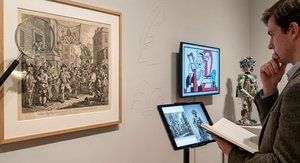
The Sharpest Wit: A Critical Exploration of Satire in Art History – From Hogarth to Contemporary Critique
Explore the history of satire in art! From Hogarth's London to contemporary critique, discover how artists use wit & visual power to reflect and challenge society. Expert insights at OriginalUniqueArt.
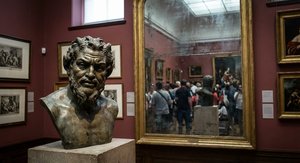
The Sharpest Wit: A Historical Exploration of Satire in Visual Culture
Explore the history of satire in art! From ancient masters like Aristophanes to Goya & Grosz, discover how artists use wit and critique to reflect—and challenge—society. Expert insights at OriginalUniqueArt.
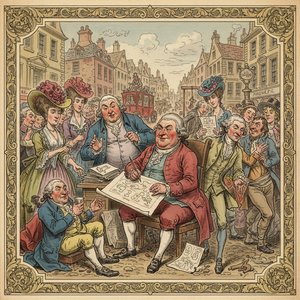
Thomas Rowlandson: Satire, Society & the Art of Caricature in Georgian England
Explore the witty world of Thomas Rowlandson, master Georgian caricaturist! Discover his satirical prints & insightful social commentary on 18th-century England. Learn about his life, techniques, and enduring influence.

William Hogarth: Satire, Social Commentary & the Birth of Modern British Art
Explore the satirical world of William Hogarth, pioneering British painter & engraver. Discover his iconic works like *A Rake's Progress* and insightful social commentary on 18th-century London life.
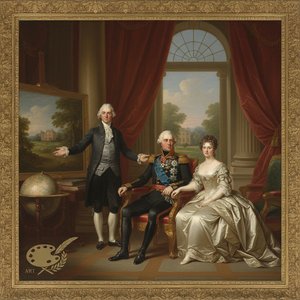
John Hoppner: Portraiture, Patronage & British Identity in the Late Georgian Era
Explore the life & work of John Hoppner, a leading Georgian portraitist. Discover his vibrant style, influential patrons, and lasting impact on British art history. Expert insights for collectors.
