

 Náhled v interiéru
 Sdílet
 Sdílet
 Podrobnosti o díle
 Průvodce

 Stáhnout
 Podobné položky
 Rentgenové snímky
 Slideshow
 Q&A
Q&A Statistiky
Epergne


 Zobrazit více
Giclée / Umělecký tisk
Giclée nebo plátěný tisk muzeální kvality s rychlou výrobou a širokou nabídkou povrchových úprav. ( Koupit ručně malovaný obraz Přepnout na digitální obraz)




































Vyberte si z našich přednastavených velikostí, které odpovídají původním proporcím díla.

Zadejte šířku a výšku, které potřebujete pro váš rám nebo stěnu. Tisk lze pouze oříznout, nikdy však nelze zvětšit obraz nad jeho původní rozměr, proto při výběru jiného formátu dochází ke ztrátě části obrazu. Před samotným tiskem vám zašleme digitální náhled k schválení. Obraz zobrazený na této stránce nenabízí skutečný výřez — ten uvidíte pouze v náhledu.
Celosvětové doručení () do 2 týdnů namísto standardních 4/5 týdnů. (30 říjen)

Zdarma celosvětová expresní doprava

Vysoce kvalitní lněné plátno

Kompletní pojištění přepravy

Záruka vrácení celního poplatku

Záruka věrného barevného souladu

100dení lhůta pro vrácení zboží (pouze při vadách výroby)

100% záruka vrácení peněz

Sleva při více objednávkách
 Skleněná varianta je dostupná pouze u rozměrů menších než 110 cm

Epergne
Giclée / Umělecký tisk
Rozměry reprodukce
-


Celková cena za vybrané možnosti reprodukcí
Kč 1738
Otázky a odpovědi
Kdo je autorem díla "Epergne"?
Dílo "Epergne" vytvořil/a Thomas Pitts I. Informace na této stránce popisují originální dílo umělce Thomas Pitts I.
Je k dispozici vysokorozlišená verze ke stažení díla "Epergne"?
Digitální obraz díla „Epergne“ od Thomas Pitts I si můžete zakoupit na jeho stránce pro digitální objednávky Digitální snímek: stažení digitálního obrazu ve vysokém rozlišení.
Jaké je místo díla „Epergne“ mezi opakovanými tématy umělce Thomas Pitts I?
Mezi opakující se témata umělce Thomas Pitts I patří rococo opulence, aristocratic taste, wealth & hospitality display, 18th-century dining culture, pitts's specialized silver forms, symbol of status and refinement, complex craftsmanship, detail; dílo „Epergne“ se zaměřuje na silverware, epergne, rococo, ornate, luxury, silver, floral, baroque.
Biografie umělce
Thomas Pitt I: Bridging Worlds Through Sculpture
The name Thomas Pitt, though perhaps less instantly recognizable than some of his contemporaries, represents a pivotal figure in the artistic landscape of 17th-century England – a sculptor who skillfully navigated the confluence of burgeoning Renaissance ideals and the pragmatic demands of colonial administration. Born in Blandford Forum, Dorset, in 1653, Pitt’s life was inextricably linked to both the artistic traditions of his native region and the ambitious expansion of the English East India Company. He wasn't merely a craftsman; he was an administrator, a diplomat, and ultimately, a key player in shaping the cultural identity of burgeoning settlements in India – a legacy powerfully expressed through his enduring sculptures.
Pitt’s early life provided him with a grounding in both artistic skill and administrative acumen. His father, John Pitt, was Rector of Blandford St Mary, a position that exposed young Thomas to the rich artistic heritage of Dorset, particularly the impressive mural monuments within the local church – works that undoubtedly influenced his developing aesthetic sensibilities. However, it was the family’s involvement in trade, specifically with the East India Company, that dramatically altered the course of his life. In 1674, Pitt embarked on a daring venture to the Indian subcontinent, defying company regulations and engaging in independent trading – an act that ultimately led to fines but also established him as a shrewd businessman and a figure of considerable wealth. This experience proved transformative, exposing him to diverse cultures, religious practices, and artistic styles far removed from the familiar landscapes of England.
Sculpting a Colonial Presence
Pitt’s arrival in Madras (now Chennai) in 1698 marked the beginning of his distinguished career as President of Fort St. George. This role wasn't simply one of administrative oversight; it was an opportunity to actively shape the visual environment of the colony, and Pitt seized it with characteristic determination. He commissioned a series of sculptures that served both practical and symbolic purposes – portraits of key figures in the East India Company’s administration, religious iconography reflecting the diverse faiths present in Madras, and monumental works intended to project an image of strength and authority. His work during this period is characterized by a blend of Baroque dynamism and a nascent Rococo sensibility, evident in his meticulous detailing and dramatic use of light and shadow.
The sculptures produced under Pitt’s direction are particularly significant for their role in establishing a visual language for the English presence in India. Unlike earlier representations that often depicted Indians as exoticized figures, Pitt's portraits frequently presented them with dignity and respect – a reflection of his own experiences and observations. His religious sculptures, while adhering to Western artistic conventions, incorporated elements of local iconography, demonstrating an attempt to bridge cultural divides. The Epergne (1761), a stunning silver centerpiece now housed in OriginalUniqueArt’s collection, exemplifies this approach—a lavish display of Rococo design that subtly references Indian motifs through its intricate detailing and opulent materials.
A Family Legacy: Politics and Patronage
Pitt's career extended far beyond the confines of Madras. Upon his return to England, he entered the political arena, demonstrating a remarkable ability to navigate the complexities of Parliament. His descendants would go on to forge a significant political dynasty, with his grandson and great-grandson both ascending to the highest offices in the land – a testament to the family’s influence and connections. This lineage further cemented Pitt's legacy as more than just an artist; he was a pivotal figure in shaping British history.
The patronage of art played a crucial role in maintaining this political standing. Pitt himself was a discerning collector, and his descendants continued to support artistic endeavors, commissioning works from leading sculptors and artists throughout the 18th century. The connections between art and politics were deeply intertwined, with portraits serving as powerful symbols of status and authority – a tradition that can be traced directly back to Thomas Pitt I.
The Enduring Influence
Thomas Pitt’s contribution to English sculpture is often overshadowed by the more celebrated figures of his time. However, his work represents a fascinating intersection of artistic skill, administrative responsibility, and colonial ambition. His sculptures offer a unique window into the cultural dynamics of 17th-century England and India – a testament to his ability to bridge worlds through art. The meticulous detail, dramatic compositions, and subtle integration of local influences in his works continue to fascinate scholars and collectors alike, ensuring that Thomas Pitt I’s legacy endures as a significant chapter in the history of British art.

Thomas Pitts I
1653 - 1726 , United Kingdom
Rychlé informace o umělci
- Full Name: Thomas Pitt I
- Nationality: British
- Date Of Birth: 1653
- Date Of Death: 1726
- Place Of Birth: Blandford Forum, United Kingdom
- Notable Artworks: ['Epergne']
- Artistic Movement Or Style: Baroque Sculpture
- Artists Or Movements Influenced By This Artist: ['Pitt Family Art History']
Související články
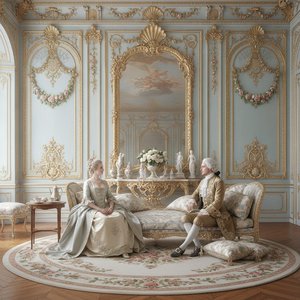
Rococo Art Guide: Elegance, Ornamentation, and the Era of Luxury
Explore the elegance of Rococo art. From Watteau to Fragonard, discover the history, aesthetics, and masters of 18th-century luxury in this expert guide for art lovers and collectors.

The Rococo Aesthetic: Opulence, Rebellion & the Pursuit of Pleasure in 18th-Century Art
Explore the opulent world of Rococo art! Discover its origins, key artists like Watteau & Boucher, and lasting influence on design. Expert insights for collectors & enthusiasts.

Top 10 mistrovských děl rokokového umění | OriginalUniqueArt.cz
Prozkoumejte 10 ikonických děl rokokového umění – Fragonard, Boucher a další. Objevte příběhy mistrů, techniky a pastelové barvy tohoto elegantního stylu. Reprodukce obrazů nejvyšší kvality na OriginalUniqueArt.cz!
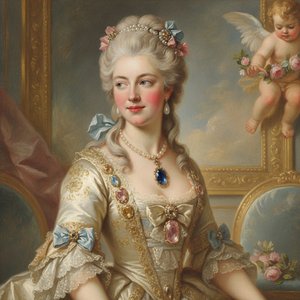
Rococo Portraits: The Ultimate Guide to Pastel Luxury, Opulence, and High-Impact Aesthetic Glamour
Discover the breathtaking elegance of Rococo portraits. Explore a world of pastel luxury, luminous textures, and aristocratic grace through expert analysis of 18th-century masterpieces. Elevate your space with the timeless opulence of high-impact, hand-painted fine art.
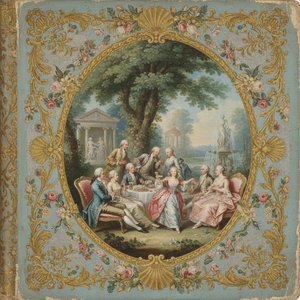
The Rococo Style: Aristocratic Leisure & the Pursuit of Delight in 18th-Century Art
Explore the opulent world of Rococo art! Discover Watteau, Boucher & Nattier's masterpieces. Expert insights for collectors seeking museum-quality reproductions and custom portraits at OriginalUniqueArt.