

 Zobrazit v interiéru
 Odeslat
 Sdílet
 Podrobnosti
 Průvodce

 Stáhnout obrázek
 Podobné kousky
 Rentgenové snímky
 Slideshow
 Statistiky
Still Life with a Cornemuse
 Oil On Canvas
- WallArt
- Romanticism
 19th Century
 46.0 x 38.0 cm
 Fitzwilliamovo muzeum
 Přečíst si více
Ručně malovaná olejová reprodukce
Ručně malované olejné plátno v libovolném rozměru i s rámem, vyrobené našimi umělci na zakázku. ( Přepnout na tiskové verze Přepnout na digitální verzi obrazu)




P118B Kč10

P118H Kč10

P118W Kč10

P438Z Kč10

P508JH Kč12

P508YH Kč12

P805H Kč10

P805Z Kč10

P919BZ Kč10

P919G Kč10

P919XJ Kč10

P959ZH Kč10

P968JZ Kč12

W106C Kč8

W218G Kč10

W218JH Kč8

W218Y Kč10

W307PJ Kč10

W316G Kč10

W316PJ Kč8

W316Y Kč10

W398PJ Kč8

W4111J Kč10

W500HY Kč15

W500JH Kč15

W692G Kč12

W849H Kč8

W940BG Kč15

W953PJ Kč8




Vyberte si z našich přednastavených velikostí, které odpovídají původním proporcím díla.

Zadejte šířku a výšku, které potřebujete pro váš rám nebo stěnu. Protože se jedná o ruční malbu, při výběru jiného formátu může umělec kolem obrazu domalovat o něco více, nebo jej mírně oříznout — rozhodnete si vy. Před zahájením malby vám zašleme digitální náhled ke schválení. Obraz zobrazený na této stránce neodpovídá skutečnému výsledku — pouze digitální náhled jej zobrazuje.
Po přijetí objednávky vám tým OriginalUniqueArt.com zašle e-mail s pokyny a poskytne náhledovou verzi.
Celosvětová doprava () za 3–4 týdny namísto standardních 5 týdnů. (22 říjen). Bez kompromisů v kvalitě.

Zdarma celosvětová expresní doprava

Vysoce kvalitní lněné plátno

Úplné pojištění přepravy

Záruka vrácení celního poplatku

Záruka věrného barevného shodu

100dení lhůta pro vrácení zboží (pouze při vadách výroby)

100% garance vrácení peněz

Sleva při více objednávkách
 Skleněná varianta je dostupná pouze u rozměrů menších než 110 cm

Still Life with a Cornemuse
Technika provedení
Velikost reprodukce
-


Celková cena
Kč 6376
Still Life with a Cornemuse
Thomas Couture’s “Still Life with a Cornemuse” is more than just an arrangement of objects; it's a carefully constructed meditation on mortality and remembrance, rendered in the rich hues characteristic of Romanticism. Painted circa 1850-1855, this artwork resides within the Fitzwilliam Museum’s Keynes Collection, offering visitors a glimpse into Couture’s artistic vision during a pivotal moment in European art history.- Subject Matter: The composition centers around a cornemuse—a simple pipe instrument—alongside an apple and two bags hanging from it. These elements aren't merely decorative; they are imbued with symbolic significance, reflecting themes prevalent in Romantic thought.
- Style & Technique: Couture employed oil paint on canvas, utilizing meticulous brushwork to achieve a velvety texture that captures the subtle nuances of light and shadow. His technique demonstrates mastery of chiaroscuro—the dramatic interplay between light and dark—creating depth and enhancing the emotional impact of the scene.
- Historical Context: Couture’s work emerged during the waning years of the Napoleonic era, a period marked by disillusionment following Napoleon's defeat and a yearning for idealized beauty amidst societal upheaval. Romantic artists sought to express profound emotions and grapple with existential questions, rejecting the rationalism of Enlightenment thought.
- Symbolism: The apple, traditionally associated with temptation and knowledge in Christian iconography, serves as a poignant reminder of human vulnerability and the inevitability of decay. Similarly, the cornemuse symbolizes pastoral simplicity and remembrance—a connection to nature and to cherished memories—themes central to Romantic aesthetics.
- Emotional Impact: Couture’s masterful execution evokes a sense of melancholy contemplation. The subdued palette and careful attention to detail invite viewers to ponder the transient beauty of life and the enduring power of memory, mirroring the Romantic preoccupation with emotion and experience.
Otázky a odpovědi
Jakou saturaci barev má „Still Life with a Cornemuse“ od Thomas Couture?
Barvy díla „Still Life with a Cornemuse“ od Thomas Couture mají Clear Color Presence saturaci. Saturace určuje, jak jsou barvy živé nebo tlumené.
Jakou převládající barvu v sobě nese dílo „Still Life with a Cornemuse“ od Thomas Couture?
Dílo „Still Life with a Cornemuse“ od Thomas Couture je protknuto Golden Yellow Range odstínem.
Které muzeum uchovává originál díla "Still Life with a Cornemuse"?
Originál díla „Still Life with a Cornemuse“ si můžete prohlédnout v instituci Fitzwilliamovo muzeum, Cambridge, Spojené království.
Biografie umělce
A Rebel in the Atelier: The Life and Legacy of Thomas Couture
Thomas Couture (21. prosince 1815 Senlis – 30. března 1879 Villiers-le-Bel) byl francouzský malíř, který proslul jako učitel mnoha impresionistických malířů – Édouarda Maneta, Claude Moneta a jiných. S jejich názory spíše nesouhlasil; a sám byl znám díky svému obrazu Římané v době úpadku, který odpovídá dobovému vkusu.Early Life and Artistic Beginnings
Narodil se v Senlisu ve Francii. V jedenácti letech se s rodinou přestěhoval do Paříže, kde začala navštěvovat muzea, kde trávil mnoho času. Otec ho zapsal do École des Arts et Métiers a později studoval na École des Beaux-Arts u Hyppolita Delaroche a Antoine-Jean Grose. Šestkrát se zúčastnil prestižní soutěže o Prix de Rome o jednoroční stipendium na studijní pobyt v Římě, který pořádala jeho škola, ale nikdy tuto cenu nevyhrál. Tento neúspěch dával za vinu škole a jejím vyučovacím metodám, které považoval za zpátečnické. Soutěž nakonec vyhrál v roce 1837, ale jeho zahořsklý postoj vůči škole nezmizel. Již za studia kopíroval díla italských a holandských děl: např. Tiziana, Palmy i Rubense, ale i díla svého akademického učitele. V roce 1840 začal vystavovat v Salonu. Kritika i veřejnost jeho díla přijímala pozitivně a získal i několik cen. Maloval tehdy hlavně obrazy s historickými motivy jako obraz Římané v době úpadku (1847, Musee d'Orsay, Paříž), který ho vynesl mezi oslavované malíře. Po tomto úspěchu si otevřel vlastní atelier. Obraz mu také přinesl několik vládních a církevních zakázek na nástěnné malby. První dvě však nedokončil a třetí dokončenou zakázku pro kapli svaté Panny v kostele Saint-Eustache v Paříži nepřijala příznivě veřejnost. Odmítnutí vnímal Couture trpce a v roce 1860 se rozhodl odejít z Paříže zpět do svého rodiště. Zde si vytvořil nový atelier kam za ním jezdilo do učení poměrně mnoho mladých umělců, což Coutura nadchlo a v roce 1867 vydal i knihu návrhů o tom jak by se podle něj mělo učit. Kniha popudila mnoho tradičních malířů, ale zároveň mu přinesla přízeň mladé malířské generace.The Decadence of Empires and a Bold Artistic Vision
Couture’s breakthrough arrived with *Romans During the Decadence* (1847), a monumental work that ignited both praise and controversy at the Paris Salon. This painting wasn't merely a historical depiction; it was a scathing social commentary, inspired by the satirical writings of Juvenal, portraying the moral decay and opulent excess within Roman society. The scene pulsates with a sense of unrestrained indulgence, figures draped in luxurious fabrics amidst classical ruins—a deliberate juxtaposition meant to mirror the perceived decadence of contemporary French society under the Second Republic. Couture’s masterful use of tonal contrasts, employing rich dark hues punctuated by striking highlights, further intensified the dramatic impact and symbolic weight of the composition. The painting's success cemented his reputation as a leading artist and established him as a formidable force within the art world. It was more than just technical skill; it was a bold statement about the state of civilization itself.A Teacher Shaping Modern Art
Beyond his own artistic achievements, Couture’s influence extended profoundly through his role as an educator. He opened his atelier to a diverse group of aspiring artists, rejecting the rigid constraints of the École des Beaux-Arts and fostering an environment of experimentation and critical thinking. Among his most celebrated pupils were Édouard Manet, whose revolutionary approach to painting owed much to Couture’s emphasis on tonal values and expressive brushwork; Henri Fantin-Latour, renowned for his still lifes and portraits of fellow artists; Pierre Puvis de Chavannes, a pioneer of Symbolism; a významný pedagogický přístup který kladl důraz na pozorování skutečnosti a osobní vyjádření. Couture také podporoval nové metody práce, jako například rychlé malování – technikou předobrazovanou později impresionistům – a zdůrazňoval důležitost přímého kontaktu s životem. Jeho metoda učení byla inovativní a odlišovala se od tradičních škol.Later Years and Legacy
Couture zemřel 30. března 1879 ve Villiers-le-Bel, je pohřben na hřbitově Père Lachaise v Paříži. Jeho díla zůstávají důkazem jeho nezlomného ducha a jeho zásadního přispění k vývoji evropského umění druhé poloviny XIX. století.
Thomas Couture
1815 - 1879 , Francie
Rychlé informace
- Artistic Movement Or Style: Romantismus & Realismus
- Artists Or Movements Influenced By This Artist:
- Édouard Manet
- Henri Fantin-Latour
- Pierre Puvis de Chavannes
- Artists Who Influenced This Artist:
- Antoine-Jean Gros
- Paul Delaroche
- Date Of Birth: 21. prosince 1815
- Date Of Death: 30. března 1879
- Full Name: Thomas Couture
- Nationality: Francouzský
- Notable Artworks:
- Římané v době úpadku
- Duel po maskerade
- Advokát jde soudit
- Place Of Birth: Senlis, Francie
Související články

Silent Narratives: Exploring the Enduring Appeal of Still Life Painting Across Centuries
Explore the rich history of still life painting with OriginalUniqueArt. Discover Dutch Masters, decode vanitas symbolism & learn about collecting timeless art. Expert insights and museum-quality reproductions.
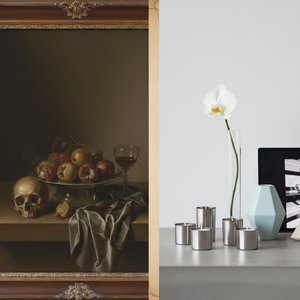
The Enduring Appeal of Still Life: A Historical & Contemporary Exploration
Explore the rich history & symbolism of still life painting with OriginalUniqueArt. Discover masterpieces from the Dutch Golden Age, learn about vanitas art, and find expert guidance for collecting timeless artworks.

The Enduring Legacy of Oil on Canvas: Technique, History & Aesthetic Impact
Explore the rich history & techniques of oil painting – from Renaissance masters to Impressionism. Discover pigments, layering methods, and why this timeless medium endures. Expert insights for artists & art enthusiasts.

Oil on Canvas: A Historical & Technical Exploration of a Timeless Artistic Medium
Explore the rich history & enduring techniques of oil painting on canvas. Discover the science behind its longevity, conservation practices, and contemporary relevance. Expert insights for art enthusiasts.

The Enduring Power of Painting: A Historical & Contemporary Exploration of Form and Emotion
Explore the rich history & enduring techniques of oil painting with OriginalUniqueArt. Discover masterpieces, learn about art collecting, and find authentic handmade reproductions crafted by skilled artists.


