 Náhled v interiéru
 Sdílet
 Sdílet
 Podrobnosti o díle
 Průvodce

 Stáhnout
 Podobné položky
 Rentgenové snímky
 Slideshow
 Q&A
Q&A Statistiky
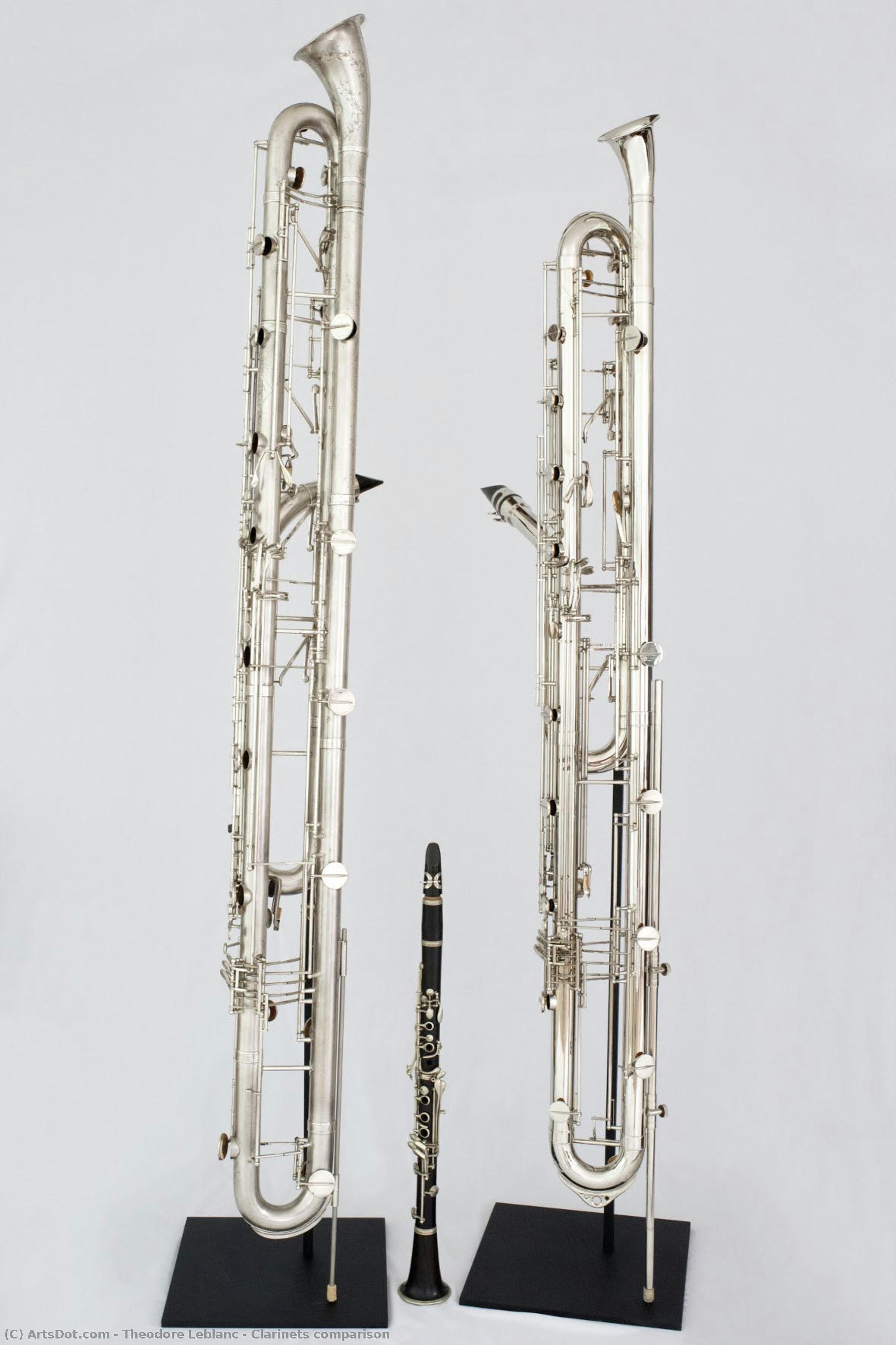
Clarinets comparison


 Zobrazit více
Získejte soubor připravený k tisku, který svou kvalitou výrazně převyšuje webový náhled. Každý prodávaný digitální obraz pochází z vysokorozlišeného originálu v naší databázi – obvykle o šířce 5 000 až 15 000 pixelů – díky čemuž můžete tisknout ve velkém formátu, provádět těsný střih nebo si s jistotou užít i ty nejjemnější detaily.
Žádný soubor neopustí naše studio bez úprav. Digitální expert kontroluje barvy v porovnání s původním malířským dílem a v případě potřeby je upravuje, poté pomocí profesionálních nástrojů pro retuš zvyšuje ostrost a detailnost — přičemž vždy zůstává věrný tahům štětcem a stylu umělce. Výsledkem je obraz, který vypadá jako malba, nikoliv jako naskenovaný snímek s filtrem.
Schvalování před dokončením: náš expert vám do 72 hodin zašle obraz e-mailem k revizi. Nejsste spokojeni? Můžete požádat o úpravy či opravy, nebo si můžete vyžádat vrácení peněz, pokud kvalita neodpovídá vašim očekáváním.
Tuto kvalitu využívají vydavatelství, designová studia, galerie i tiskárny.
Digitální obrazy
Stáhněte si soubor ve vysokém rozlišení pro osobní prohlížení, tisk nebo kreativní projekty. ( Přepnout na tisk Koupit ručně malovaný obraz)
Součást každé objednávky digitálního obrazu
Profesionální digitální doručení, zaručené
Když si vyberete OriginalUniqueArt.com, nezískáváte pouze obrázek – získáváte digitální umělecké dílo s profesionálně vylepšenými detaily, zpracované s precizností a podpořené zárukou za spokojenost. Zde je vše, co vaše objednávka automaticky obsahuje:

Rychlé doručení e-mailem
Váš digitální obraz ve vysokém rozlišení vám bude zaslán e-mailem do 72 hodin od objednávky – připraven k okamžitému použití.

Digitální soubor s využitím AI
Vaše umělecké dílo je profesionálně optimalizováno pomocí pokročilých nástrojů umělé inteligence a manuální úpravy, což zajišťuje maximální úroveň detailu, ostrosti a přesnosti barev.

Doživotní bezplatné znovuodeslání digitálních obrazů
Soubor jste omylem smazali nebo ztratili? Žádný problém – kdykoliv vám ho znovu zašleme zcela zdarma.

Bez poplatků za dovoz – navždy
Užijte si své umělecké dílo okamžitě bez celních poplatků, daní nebo nákladů na dopravu – digitální stažení je vždy bez daňových povinností.

Záruka přesnosti barev
Díky profesionálním nástrojům a správě barev zajišťujeme, aby váš digitální obraz odrážel původní barvy co nejvěrněji.

100dená záruka spokojenosti
Pokud nebudete s digitálním obrázkem spokojeni, provedeme jeho revizi nebo vám vrátíme 100% platby do 100 dnů – bez jakýchkoliv dotazů.

100% záruka vrácení peněz
Nespokojeni? Získejte plnou náhradu peněz do 100 dnů od obdržení digitálního souboru – bez zbytečných dotazů.

Slevy při hromadných objednávkách
Koupě 3 obrazů ušetří 10% – Koupě 5 obrazů ušetří 15% – Koupě 10+ obrazů ušetří 20%. Ideální pro kreativní projekty, galerie a agentury.
Biografie umělce
The Luminous Legacy of Theodore Leblanc
Theodore Leblanc (1800–1837) remains a captivating, if somewhat enigmatic, figure within the vast tapestry of nineteenth-century art. While his name may not resonate with the same immediate recognition as the titans of the Romantic era, his work offers a profound window into a period of intense cultural intersection and spiritual exploration. Born in the serene surroundings of Ottobeuren Abbey, Bavaria, Leblanc’s early life was deeply rooted in the traditions of monastic craftsmanship. This formative environment, steeped in theological contemplation and the meticulous precision of religious iconography, instilled in him a lifelong reverence for detail and a unique ability to infuse natural landscapes with a sense of the divine.
As his artistic journey unfolded, Leblanc moved beyond the confines of his Bavarian origins, eventually establishing himself as a painter whose vision bridged the gap between Western Romanticism and the ancient splendor of the East. His travels through Greece and the Levant—specifically during the years following 1828—provided him with an inexhaust_haustible source of inspiration. Unlike many of his contemporaries who sought only the classical ideals of antiquity, Leblanc was deeply moved by the living history of the Mediterranean. He became a keen observer of the human condition, capturing everything from the rugged intensity of the Greek War of Independence to the vibrant, everyday rhythms of North African marketplaces.
A Synthesis of Byzantine Splendor and Romantic Emotion
What truly distinguishes Leblanc’s oeuvre is his sophisticated integration of Byzantine aesthetic principles into the landscape tradition. He possessed a scholarly fascination with the shimmering mosaics of Constantinople, studying their complex compositional strategies and the way light interacts with vibrant pigments. This intellectual pursuit manifested in a painting style characterized by luminous color palettes and a palpable sense of spiritual depth. His canvases often seem to glow from within, as if the very atmosphere were composed of the fine, glittering tesserae found in Orthodox churches.
This technique allowed him to elevate mere topographical studies into profound emotional experiences. In his celebrated watercolor, “A Tobacconist, Algiers,” one can witness this stylistic convergence at its peak. The painting does not merely document a bustling Algerian marketplace; through the use of subtle tonal gradations and atmospheric perspective, it evokes an ethereal, almost dreamlike quality. He had the rare ability to convey a sense of reverence for the natural world, treating the light hitting a distant minaret or the texture of a merchant's cloth with the same sanctity one might find in a religious icon.
Artistic Versatility and Historical Significance
Leblanc’s technical repertoire was remarkably diverse, ranging from delicate watercolors to commanding sketches and even engravings. His ability to pivot between different mediums allowed him to document a wide array of subjects with varying degrees of intimacy and scale:
- Portraiture and Character Studies: Beyond his landscapes, Leblanc excelled at capturing the essence of individuals, often imbuing his figures with intense emotion or even subtle, caricaturish elements that brought a sense of life and movement to his work.
- Military and Historical Documentation: His time in the Levant allowed him to create poignant snapshots of historical upheaval, including depictions of Ottoman soldiers and members of irregular Greek troops.
- Architectural and Ethnographic Observations: His sketches of Mediterranean architecture and daily life serve as vital historical records of a rapidly changing nineteenth-century world.
Though his life was tragically short, ending in 1837, the impact of Theodore Leblanc’s vision persists. He stands as a pioneer who dared to look backward into the ancient traditions of Byzantium to find new ways of expressing the sublime beauty of the modern landscape. His work remains a testament to the power of cross-cultural influence, proving that the most profound artistic innovations often occur at the intersection of disparate worlds.

Theodore Leblanc
1800 - 1837
Stručné informace
- Full Name: Theodore Leblanc
- Nationality: German
- Date Of Birth: 1800
- Date Of Death: 1837
- Place Of Birth: Ottobeuren Abbey
- Notable Artworks: ['Investiture of the Bey of Algiers']
- Artistic Movement Or Style: Romanticism
- Artists Who Influenced This Artist: ['Jean-Auguste Dominique Ingres']
- Artists Or Movements Influenced By This Artist: ['Byzantine Mosaic Art']