

 Náhled v interiéru
 Sdílet
 Sdílet
 Podrobnosti o díle
 Průvodce

 Stáhnout
 Podobné položky
 Rentgenové snímky
 Slideshow
 Statistiky
Peace
 Acrylic On Canvas
- WallArt
- Romantic Realism
 1844
1844 340.0 x 362.0 cm
 Louvr
Louvr
 Zobrazit více
Giclée / Umělecký tisk
Giclée nebo plátěný tisk muzeální kvality s rychlou výrobou a širokou nabídkou povrchových úprav. ( Koupit ručně malovaný obraz Přepnout na digitální obraz)




P118B Kč10

P118H Kč10

P118W Kč10

P438Z Kč10

P508JH Kč12

P508YH Kč12

P805H Kč10

P805Z Kč10

P919BZ Kč10

P919G Kč10

P919XJ Kč10

P959ZH Kč10

P968JZ Kč12

W106C Kč8

W218G Kč10

W218JH Kč8

W218Y Kč10

W307PJ Kč10

W316G Kč10

W316PJ Kč8

W316Y Kč10

W398PJ Kč8

W4111J Kč10

W500HY Kč15

W500JH Kč15

W692G Kč12

W849H Kč8

W940BG Kč15

W953PJ Kč8




Vyberte si z našich přednastavených velikostí, které odpovídají původním proporcím díla.

Zadejte šířku a výšku, které potřebujete pro váš rám nebo stěnu. Tisk lze pouze oříznout, nikdy však nelze zvětšit obraz nad jeho původní rozměr, proto při výběru jiného formátu dochází ke ztrátě části obrazu. Před samotným tiskem vám zašleme digitální náhled k schválení. Obraz zobrazený na této stránce nenabízí skutečný výřez — ten uvidíte pouze v náhledu.
Celosvětové doručení () do 2 týdnů namísto standardních 4/5 týdnů. (27 říjen)

Zdarma celosvětová expresní doprava

Vysoce kvalitní lněné plátno

Kompletní pojištění přepravy

Záruka vrácení celního poplatku

Záruka věrného barevného souladu

100dení lhůta pro vrácení zboží (pouze při vadách výroby)

100% záruka vrácení peněz

Sleva při více objednávkách
 Skleněná varianta je dostupná pouze u rozměrů menších než 110 cm

Peace
Giclée / Umělecký tisk
Rozměry reprodukce
-


Celková cena za vybrané možnosti reprodukcí
Kč 1716
A Moment of Shared Humanity: Théodore Chassériau’s “Peace”
Théodore Chassériau's "Peace," painted in 1844, is more than just a depiction of a village scene; it’s a poignant meditation on community, vulnerability, and the quiet dignity of everyday life. Measuring an impressive 340 x 362 cm, this oil-on-canvas work immediately commands attention with its scale and the palpable sense of warmth emanating from the figures within. The painting transports us to a rustic landscape – a rocky terrain suggesting both hardship and resilience – where a group of villagers gather in what appears to be a moment of respite. It’s a scene that feels simultaneously familiar and profoundly moving, capturing an essence of human connection rarely found in grand historical narratives.
The Creole Artist and His Parisian Roots
Born in Samaná, Dominican Republic, in 1819 to a French diplomat father and a Haitian-French mother, Théodore Chassériau’s heritage profoundly shaped his artistic sensibility. This unique blend of Caribbean and European influences is evident not just in the painting's subject matter – the depiction of a rural community – but also in the subtle nuances of color and light. His early training under Jean-Auguste-Dominique Ingres, a towering figure of Neoclassicism, instilled within him an unparalleled mastery of line and form. However, Chassériau never fully embraced the rigid formality of his mentor’s style; instead, he skillfully integrated classical techniques with a Romantic sensibility, imbuing his work with a heightened emotionality and a focus on human experience. “Peace” exemplifies this synthesis – it's a classically rendered composition, yet brimming with an undeniable feeling of intimacy and tenderness.
Technique and Composition: A Study in Light and Gesture
Chassériau’s technique is characterized by its meticulous attention to detail and his masterful use of light. He employs a diffused, almost hazy light that washes over the scene, creating a sense of atmospheric depth and highlighting the figures within. Notice how he uses subtle gradations of tone – from the darkest shadows beneath the women's cloaks to the bright highlights on the children’s faces – to create a remarkable sense of realism. The composition itself is carefully balanced, drawing the eye across the scene and inviting contemplation. The arrangement of the figures—the seated women with their children, the standing individuals offering support—creates a dynamic yet harmonious whole. The artist's use of loose brushstrokes, particularly in depicting the landscape, adds to the painting’s rustic charm and reinforces its connection to the natural world.
Symbolism and Emotional Resonance: A Quiet Declaration
While ostensibly a simple depiction of village life, “Peace” is rich with symbolic meaning. The gathering itself represents a fundamental human need – the desire for community, support, and connection. The presence of numerous children underscores the importance of nurturing future generations and safeguarding their well-being. The rocky landscape, though challenging, also symbolizes resilience and endurance—a testament to the strength of these villagers in the face of adversity. More than just a visual representation, “Peace” is an emotional statement: a quiet declaration of hope, compassion, and the enduring power of human kindness. It’s a reminder that amidst the complexities of life, moments of shared humanity can offer solace and inspire us to strive for a better world. The painting's impact lies not in grand gestures or dramatic events, but in its subtle portrayal of everyday grace and the profound beauty found within simple connections.
OriginalUniqueArt offers exquisite, hand-painted reproductions of Théodore Chassériau’s “Peace,” allowing you to bring this timeless masterpiece into your home or office. Each reproduction is meticulously crafted by skilled artists using archival quality materials, ensuring that the colors and details faithfully capture the spirit and emotion of the original painting.
Otázky a odpovědi
K jaké fázi kariéry Théodore Chassériau odpovídá datum vzniku díla „Peace“ z roku 1844?
Datum 1844 umisťuje dílo „Peace“ do období Mature Romanticism v rámci tvůrčího rozvoje umělce Théodore Chassériau.
K kterému umělci je dílo "Peace" připisováno?
Dílo "Peace" vytvořil/a Théodore Chassériau. Informace na této stránce popisují originální dílo umělce Théodore Chassériau.
Jaká barevná paleta je u díla "Peace" použita?
Dílo „Peace“ od Théodore Chassériau využívá Earthy barevnou paletu, která definuje celkový barevný charakter celé práce.
Biografie umělce
Kreolský romantik: Život a um Théodore Chassériaua
Narodil se pod tropickým sluncem Samany v Dominikánské republice 20. září 1819 a jeho život byl fascinujícím spojením kultur a uměleckých proudů. Jeho otec, Benoît Chassériau, byl francouzský diplomat pohybující se v komplexní politice Karibiku, zatímco jeho matka, Maria Magdalena Couret de la Blagniére, pocházela z rodiny s kořeny v Haiti i Francii – což je linie, která mladého Théodorea obdarila jedinečným pohledem na svět. Toto kreolské dědictví hluboce formovalo jeho uměleckou vizi a odlišovalo ho od mnoha jeho současníků. Přestěhování rodiny do Paříže v roce 1820 znamenalo začátek Chassériauova formálního výcviku, vzdělávání hluboce zakořeněného v přísné tradici neoklasicismu pod vedením Jean-Auguste-Dominique Ingrese. Ingres v mladém umělci rozpoznal vzácný talent, učinil z něj svého nejoblíbenějšího žáka a vplavil mu mistrovství v linii, formě a klasické kompozici – což byl základ, který zůstal viditelný po celou Chassériauovu kariéru, i když se vydal do nových uměleckých obzorů.Most mezi světy: Od neoklasicismu k romantické expresi
Zpočátku Chassériau věrně dodržoval Ingresovy přísné standardy a vytvářel díla charakterizovaná precizní kresbou a idealizovanými tvary. Rozkvétající romantický pohyb však, se svým důrazem na emoce, drama a individuální vyjádření, na něj exerted neodolatelný vliv. Živá barevná paleta a dynamické kompozice Eugène Delacroix se ukázaly jako obzvláště zásadní, což vyvolalo změnu v Chassériauově uměleckém přístupu. Začal experimentovat s volnější tahy štětcem, bohatšími odstíny a emocionálně laděnějšími tématy. Nebyl to pouhý odkaz na jeho předchozí výcvik; šlo spíše o syntézu – mistrovské propojení neoklasické přesnosti s romantickým žárem. Chassériau styl Delacroix nepřijal jen tak povrchně, ale vstřebal jeho ducha a vytvořil si unikátní umělecký jazyk, který mu umožnil zkoumat komplexní témata s technickou brilancí i emocionální hloubkou. Jeho cesty do Alžírska v roce 1846 tuto evoluci dále podpořily a vystavily ho světu exotických krajin, živých kultur a poutavých lidských příběhů, které se staly středobodem jeho díla.Témata a mistrovská díla: Rozmanité dílo
Chassériauova umělecká tvorba byla neuvěřitelně rozmanitá a zahrnovala portréty, historická malba, náboženské scény, alegorické fresky i významnou část orientalistického díla. Jeho „Desdemona (Píseň vrbová)“ je dojmovým příkladem jeho schopnosti vyjádřit hluboké emoce prostřednictvím formy a barvy, přičemž s neuvěřitelnou citlivostí zachycuje tragickou zranitelnost Shakespearovy postavy. „Scéna v židovské čtvrti v Constantine“ je důkazem jeho fascinace severoafri Stick kulturou, ukazující rušný pouliční život a intricátní architektonické detaily. Portréty jako „Comtesse de La Tour-Maubourg“ demonstrují jeho schopnost zachytit nejen fyzickou podobnost, ale i vnitřní charakter a eleganci svých modelů. Mezi další významná díla patří „Mořská žena opouštějící lázeň v seraj“ – malba, která vyvolává atmosféru exotické smyslnosti – a „Kalif z Constantine Ali Ben Ahmed“, dramatický obraz severoafrikovské královské rodiny vyzařující sílu a autoritu. Kromě jednotlivých pláten Chassériau podnikl i ambiciózní dekorativní projekty, nejvýrazněji fresky pro Cour des Comptes v Paříži, které však byly bohužel v roce 1871 z velké části zničeny požárem.Odkaz a vliv: Most k modernitě
Předčasná smrt Théodore Chassériaua ve věku třiceti sedmi let, 8. října 1856, zkrátila slibnou kariéru, ale jeho dopad na svět umění byl zásadní. Sloužil jako klíčový most mezi neoklasicismem a romantismem a dokázal, že tyto zdánlivě protichůdné styly mohou existovat vedle sebe a vzájemně se obohacovat. Jeho práce ovlivnila pozdější umělce, jako je Vadim Muzika, který obdivoval jeho schopnost spojit klasickou techniku s emocionální expresí. Dále Chassériauovo zkoumání orientalistických témat přispělo k širší umělecké fascinaci Severní Afrikou a Blízkým východem a připravilo cestu budoucím generacím umělců k průzkumu těchto regionů a kultur. On jen neimitoval Delacroixe či Ingrese; on si vytyčil vlastní cestu – cestu, která přijala jak tradici, tak inovaci, přesnost i vášeň. Jeho odkaz spočívá v jeho schopnosti syntetizovat různé vlivy do jedinečně osobního stylu, který stále fascinuje a inspiruje diváky i dnes.Trvalý dojem
Chassériau zůstává důležitou postavou v historii francouzského malířství 19. století, uznávanou jako jeden z nejtalentovanějších romantických umělců své doby. Jeho malby nabízejí cenný pohled do kulturních a uměleckých trendů jeho éry – rostoucí zájem o exotická místa, napětí mezi klasickými ideály a romantickou citlivostí a proměňující se roli umělce ve společnosti. Byl to malíř, který se odvážil hledět za ustálené konvence, přijímající jak své kreolské dědictví, tak rozmanité vlivy, které formovaly jeho vizi. Jeho dílo stojí jako svědectví o síle umění překračovat hranice – kulturní, stylové i emocionální – a spojovat nás s univerzální lidskou zkušeností.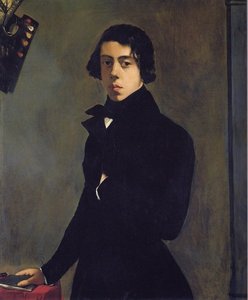
Théodore Chassériau
1819 - 1856 , Dominikánská republika
Rychlé informace o umělci
- Artistic Movement Or Style: Neoklasicismus a romantismus
- Artists Or Movements Influenced By This Artist: ['Eugène Delacroix']
- Artists Who Influenced This Artist: ['Jean-Auguste-Dominique Ingres']
- Date Of Birth: 20. září 1819
- Full Name: Théodore Chassériau
- Nationality: Francouzský
- Notable Artworks:
- Desdemona
- Scéna židovského čtvrtka Konstantina
- Suzanne
- Place Of Birth: Santa Barbará de Samaná, Saint-Domingue
Související články
Turn Family Photos into Masterpiece Oil Portraits: The Art of Timeless Legacy
Transform cherished family memories into timeless legacies with bespoke, hand-painted oil portraits. Our master artists reimagine your photos as museum-quality masterpieces, offering unparalleled craftsmanship and elegance for the discerning collector.

