

 Zobrazit v interiéru
 Odeslat
 Sdílet
 Podrobnosti
 Průvodce

 Stáhnout obrázek
 Podobné kousky
 Rentgenové snímky
 Slideshow
 Statistiky
Beautiful Courtesan Motoura
 Acrylic On Canvas
- WallArt
- Japanese Ukiyo-e
 21.0 x 28.0 cm
 Tobacco and Salt Museum
 Přečíst si více
Giclée / Umělecký tisk
Giclée nebo plátěný tisk muzeální kvality s rychlou výrobou a širokou nabídkou povrchových úprav. ( Objednat ručně malovanou reprodukci Přepnout na digitální verzi obrazu)




P118B $10

P118H $10

P118W $10

P438Z $10

P508JH $12

P508YH $12

P805H $10

P805Z $10

P919BZ $10

P919G $10

P919XJ $10

P959ZH $10

P968JZ $12

W106C $8

W218G $10

W218JH $8

W218Y $10

W307PJ $10

W316G $10

W316PJ $8

W316Y $10

W398PJ $8

W4111J $10

W500HY $15

W500JH $15

W692G $12

W849H $8

W940BG $15

W953PJ $8




Vyberte si z našich přednastavených velikostí, které odpovídají původním proporcím díla.

Můžete zadat vlastní rozměry tak, aby výtvor odpovídal konkrétnímu rámu nebo prostoru. Pokud zvolená velikost nebude odpovídat poměru stran původního obrazu, dílo buď ořížeme, nebo obraz rozšíříme pomocí zrcadlového efektu či jednobarevného okraje. Před zahájením výroby vám bude zaslán digitální náhled k schválení.
Mějte prosím na paměti, že náhled na obrazovce neodráží skutečné oříznutí nebo rozšíření. Pouze digitální náhled přesně zobrazí finální kompozici.
Ačkoliv jsou k dispozici i vlastní rozměry, pro zachování původních proporcí doporučujeme vybrat si rozměr z předdefinovaného seznamu.
Celosvětové doručení () do 2 týdnů namísto standardních 4/5 týdnů. (25 září)

Zdarma celosvětová expresní doprava

Vysoce kvalitní lněné plátno

Úplné pojištění přepravy

Záruka vrácení celního poplatku

Záruka věrného barevného shodu

100dení lhůta pro vrácení zboží (pouze při vadách výroby)

100% garance vrácení peněz

Sleva při více objednávkách
 Skleněná varianta je dostupná pouze u rozměrů menších než 110 cm

Beautiful Courtesan Motoura
Giclée / Umělecký tisk
Velikost reprodukce
-


Celková cena
$ 80
Suzuki Harunobu’s “Beautiful Courtesan Motoura”: A Window Into Edo Period Sensibility
The print "Beautiful Courtesan Motoura" by Suzuki Harunobu, created around 1764, stands as a testament to the burgeoning aesthetic sensibilities of Edo period Japan—a time marked by refined urban culture and an obsession with capturing fleeting beauty. Produced in Shinagawa pleasure district, this nishiki-e (brocade print) transcends mere depiction; it embodies a carefully orchestrated harmony between observation and artistic interpretation. Unlike the grand spectacles of Yoshiwara, which catered to aristocratic patronage, Shinagawa offered a more accessible glimpse into the lives of merchants and samurai seeking respite from official duties—a subject matter that resonated deeply with Harunobu’s contemporaries.Subject Matter & Composition: Capturing Transient Elegance
At its core, “Beautiful Courtesan Motoura” presents a serene tableau featuring a courtesan accompanied by her apprentice. The scene unfolds against the backdrop of Shinagawa’s waterfront docks, bathed in soft daylight—a deliberate choice that underscores Harunobu's masterful command of tonal gradation and atmospheric perspective. The composition is meticulously balanced, guiding the viewer’s eye across the canvas with subtle diagonals created by the boats and shoreline. This careful arrangement isn’t merely decorative; it serves to heighten the sense of tranquility and invite contemplation on the ephemeral nature of beauty itself.Technique & Innovation: Pioneering Nishiki-e Craftsmanship
Harunobu revolutionized ukiyo-e printing through his pioneering use of nishiki-e techniques—a breakthrough that elevated printmaking beyond mere reproduction to a form of artistic expression. He skillfully employed multiple blocks of wood, each meticulously carved with intricate detail and inked in vibrant hues using a process known as “mica ink.” This technique allowed for unprecedented color fidelity and luminosity, surpassing the limitations of earlier methods reliant on single-block printing. The subtle blending of colors—particularly the delicate peach tones used to depict Motoura’s kimono—demonstrates Harunobu's dedication to achieving an unparalleled level of realism and capturing the nuances of light and shadow.Historical Context & Symbolism: Reflections of Edo Society
“Beautiful Courtesan Motoura” reflects the broader cultural landscape of Edo Japan, where pleasure gardens and entertainment districts flourished alongside a growing emphasis on artistic refinement. The courtesan herself represents idealized femininity—a symbol of grace, beauty, and sophistication—values prized within aristocratic circles but also subtly acknowledged in the burgeoning merchant class. Furthermore, the inclusion of the apprentice signifies the transmission of knowledge and tradition—a crucial element of Edo society’s worldview. The potted plant nestled amongst the docks serves as a visual reminder of nature's restorative power, reinforcing the print’s overarching theme of serenity and contemplation.Emotional Impact & Legacy: An Enduring Appeal
More than just a visually stunning artwork, “Beautiful Courtesan Motoura” evokes a profound emotional response—one rooted in admiration for beauty and an appreciation for the quiet dignity of everyday life. Harunobu's masterful execution captures not only the physical appearance of Shinagawa but also its intangible atmosphere—a feeling of peaceful seclusion and refined pleasure. This print remains remarkably influential, establishing Harunobu as one of the foremost practitioners of nishiki-e and profoundly impacting Japonisme—the European fascination with Japanese art that blossomed in the late 18th and early 19th centuries. Its enduring appeal testifies to the timeless power of artistic vision and its ability to transport viewers across cultures and eras.Biografie umělce
early life and influences
Suzuki Harunobu, a pivotal figure in the history of Japanese art, emerged from the bustling metropolis of Edo (modern-day Tokyo) in 1725. Details surrounding his early years remain shrouded in mystery—a common characteristic for many artists of the Ukiyo-e period. However, it’s believed he spent his formative years in Kyoto, a city renowned as a center of artistic and cultural refinement during that era. His artistic journey was undoubtedly shaped by a confluence of influences, drawing upon the techniques and styles of several prominent predecessors. Harunobu's work reveals echoes of Torii Kiyomitsu, a master of landscape painting known for his meticulous detail and serene compositions; Ishikawa Toyonobu, another influential artist who pioneered innovative printing methods; the Kawamata School, famed for its delicate brushwork and refined aesthetic; and even the esteemed Kanō School, renowned for its traditional Japanese painting styles. Yet, perhaps the most significant influence on Harunobu’s artistic development was Nishikawa Sukenobu, a painter and printmaker whose techniques he deeply admired and, it is speculated, learned directly from. Sukenobu's ability to capture subtle emotions and graceful figures undoubtedly left an indelible mark on Harunobu’s style.artistic career and innovations
Harunobu’s artistic career began within the framework of the Torii School, a group known for its skillful but somewhat conventional approach to woodblock printing. Initially, his works demonstrated technical proficiency but lacked a truly distinctive voice. However, a pivotal moment arrived when he became involved with a group of literati samurai—members of the upper echelons of society who embraced artistic pursuits as a form of leisure and intellectual engagement. This collaboration proved transformative, propelling Harunobu toward new creative horizons. In 1764, he was entrusted with designing calendars for these samurai, an undertaking that would forever alter the course of Japanese printmaking. These calendar prints, known as *e-goyomi*, marked a groundbreaking shift—they were the first examples of *nishiki-e*, or “brocade prints,” characterized by their vibrant, full-color imagery. Harunobu’s experimentation with premium woodblocks and expensive pigments represented a significant investment in quality and innovation. This period witnessed the birth of a new standard for Japanese printmaking, one that prioritized rich color palettes and intricate detail. A remarkable technical feat was his development of a method to create multiple separate woodblocks for a single image—a process involving carefully carved notches and wedges to precisely align the paper during printing. This ingenious system allowed for the creation of complex compositions with numerous colors, pushing the boundaries of what was previously possible in Japanese printmaking.notable works and their impact
Suzuki Harunobu’s *nishiki-e* prints quickly gained popularity among the *chōnin* class—a growing merchant stratum that had amassed considerable wealth and sought to adorn their homes with exquisite art. His prints, depicting scenes of everyday life, beautiful women, and fleeting moments of pleasure, resonated deeply with this discerning clientele. Two particularly noteworthy series stand out: his “Herons Et Roseaux” (1765), a delicate depiction of herons in a serene landscape, and "A Votive Tablet with Masks of Kabuki Actors at Face Value" (1766), a playful commentary on the theatrical world. These works exemplify Harunobu’s signature style—a harmonious blend of elegance, subtlety, and a touch of irony. His prints were not merely decorative objects; they served as windows into a vibrant and dynamic society, capturing the spirit of the *ukiyo-e* era. The adoption of full-color printing by Harunobu fundamentally changed the landscape of Japanese art, establishing a new aesthetic standard that would profoundly influence generations of artists to come.legacy and influence
Suzuki Harunobu’s legacy extends far beyond his own lifetime. His innovative *nishiki-e* prints played a crucial role in shaping Western perceptions of Japanese art during the late 19th century, particularly during the Japonisme movement. Artists like Hokusai and Hiroshige, who built upon Harunobu's techniques and aesthetic sensibilities, gained international recognition thanks to his pioneering work. The vibrant colors, intricate details, and evocative scenes in Harunobu’s prints captivated European audiences, sparking a renewed interest in Japanese art and culture. His influence can be seen in the works of Impressionist painters like Monet and Degas, who were deeply inspired by the delicate beauty and unconventional perspectives found in *ukiyo-e* prints. Suzuki Harunobu's contribution to the development of Japanese printmaking is undeniable—he not only perfected a revolutionary technique but also established a new visual language that continues to resonate with art lovers today. His work stands as a testament to his artistic vision, technical skill, and enduring legacy.
Suzuki Harunobu
1725 - 1770 , Japonsko
Rychlé informace
- Artistic Movement Or Style: Ukiyo-e, Nishiki-e
- Artists Or Movements Influenced By This Artist: ['Torii Kiyomitsu']
- Artists Who Influenced This Artist: ['Nishikawa Sukenobu']
- Date Of Birth: 1725?
- Date Of Death: 1770
- Full Name: Suzuki Harunobu
- Nationality: Japonský
- Notable Artworks:
- Heroni a růže
- Mladá žena skákající...
- Place Of Birth: Edo (Tokyo), Japonsko
Související články
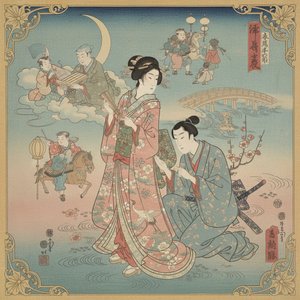
Suzuki Harunobu: Pioneering Ukiyo-e & the Refinement of Edo Period Printmaking
Discover the revolutionary world of Suzuki Harunobu, a pioneer of ukiyo-e printmaking. Explore his exquisite nishiki-e techniques, diverse subjects & lasting impact on Japanese art history. Learn more at OriginalUniqueArt.

Floating Worlds: A Definitive Guide to the Timeless Elegance of Ukiyo-e Artistry
Embark on a journey through the 'Floating World' with our expert guide to Ukiyo-e. Discover the profound history, legendary masters like Hokusai and Harunobu, and the enduring influence of Japanese woodblock prints on global art history.
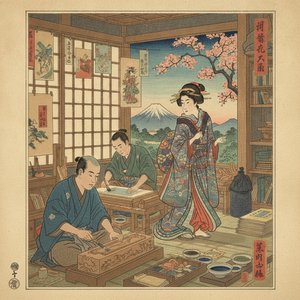
Floating World: The Captivating Art and Legacy of Japanese Ukiyo-e
Explore the profound beauty of Japanese Ukiyo-e. Discover the history, masters like Hokusai, and the enduring legacy of the 'Floating World' through an expert art-historical lens.

Katsushika Hokusai: 25 mistrovských děl japonského umění pro váš interiér | OriginalUniqueArt.com
Prozkoumejte 25 ikonických děl japonského mistra Katsushiky Hokusaiho! Objevte příběhy za Velkou vlnou, 36 pohledů na horu Fuji a další ukiyo-e tisků. Kvalitní reprodukce obrazů pro váš interiér na OriginalUniqueArt.com.
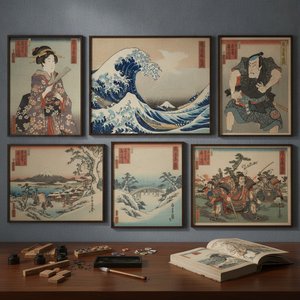
Ukiyo-e: The Art of the Floating World and the Legacy of Japanese Woodblock Masters
Explore the profound history of Ukiyo-e, from Hokusai's iconic waves to the vibrant culture of Edo Japan. Discover the intricate craft of woodblock printing and the enduring legacy of these Japanese masterpieces through our expert art history guide.


