Expressionism · 1915
Rocks, Gloucester (Stuart Davis, 1915)
Stuart Davis (1892–1964) vytvořil dílo Rocks, Gloucester. Pochází z roku 1915. Patří k hnutí Expressionism. Je vyrobeno z Oil On Canvas. Nachází se v New Orleans Museum of Art v New Orleans, Spojené státy americké. Rozměry jsou 76 × 91 cm.
- 1915
- Oil On Canvas
- 76 × 91 cm
- New Orleans Museum of Art

 Náhled v interiéru

 Ručně malovaná olejná reprodukce
 Sdílet
 Sdílet
 Informační list pro studenty


 Stáhnout
 Podobné položky
 Rentgenové snímky
 Slideshow
 Otázky a odpovědi

 Statistiky
Rocks, Gloucester v kostce
- Název díla
- Rocks, Gloucester
- Autor
- Stuart Davis (1892–1964)
- Rok narození umělce
- Filadelfie, Spojené státy americké
- Datum vytvoření
- 1915
- Technika
- Oil On Canvas
- Rozměry
- 76 × 91 cm
- Kde jej vidět
- New Orleans Museum of Art, New Orleans, Spojené státy americké
- Pohyb
- Expressionism
- Období
- Early Modern
- Motiv
- american landscape, mountain peaks”, “bold colors”, “dynamic composition”, “abstract forms”, “urban energy”
Co przedstawuje dílo Rocks, Gloucester?
Rocks, Gloucester: A Transitional Masterpiece by Stuart Davis
Stuart Davis’s “Rocks, Gloucester,” painted in 1915, stands as a crucial bridge between the artist's early realist explorations and his eventual embrace of abstract expressionism. This vibrant landscape, measuring 76 x 91 cm, offers a compelling glimpse into the burgeoning artistic currents of early 20th-century America, particularly the shift away from traditional representation championed by figures like Robert Henri. The painting’s immediate impact lies in its bold use of color – a fiery palette dominated by reds, oranges, and yellows – which immediately evokes a sense of energy and dynamism. Davis wasn't simply depicting rocks; he was attempting to capture the frenetic pace of modern life, as he himself described, translating the “dynamics of city lights and sounds” onto canvas.
A Style in Formation: Expressionism and the American Landscape
“Rocks, Gloucester” exemplifies a transitional style, leaning heavily towards Expressionism while retaining elements of Davis’s earlier training. The visible brushwork, textured surface, and distorted forms – particularly evident in the jagged peaks of the mountains – betray an emotional intensity that anticipates his later abstract works. The artist's deliberate use of color isn't purely representational; it’s a vehicle for conveying feeling, mirroring the anxieties and excitement of a nation undergoing rapid transformation. The flattened perspective further emphasizes this emotional impact, prioritizing the viewer’s experience over strict adherence to realistic spatial relationships. This approach aligns with the broader artistic experimentation taking place at the time, fueled by influences from European modernism and the desire to forge a distinctly American aesthetic.
Technique and Materials: Oil on Canvas – A Gesture of Form
- Oil on Canvas: The painting is executed in oil on canvas, a technique that allows for rich color saturation and substantial textural variation.
- Visible Brushwork: Davis’s loose, gestural brushstrokes are immediately apparent, contributing to the painting's energetic feel and conveying a sense of immediacy.
- Layered Color: The use of layered colors creates depth and volume within the mountain forms, though the overall effect remains somewhat flattened, prioritizing emotional resonance over photographic realism.
- Undulating Foreground: The large, yellow-ochre mass in the foreground anchors the composition and adds to the sense of solidity and weight.
Symbolic Resonance: Mountains as Metaphor
Beyond its aesthetic qualities, “Rocks, Gloucester” carries symbolic weight. Mountains have long represented strength, resilience, and even the sublime – concepts deeply rooted in human experience. In Davis’s hands, they become a visual embodiment of these ideas, reflecting the challenges and aspirations of a nation grappling with modernity. The dark purple and grey sky provides a dramatic counterpoint to the warm tones below, further amplifying the sense of grandeur and perhaps hinting at an underlying tension between nature's power and humanity's place within it. The artist’s signature in the upper right corner confirms this work as a pivotal moment in Davis’s artistic evolution.
Ve kterém muzeu se nachází Rocks, Gloucester?
New Orleans Museum of Art
New Orleans, Spojené státy americké
Okno do New Orleans: Duše umění v New Orleans Museum of Art V živoucím objetí City Park, rozsáhlé městské oázy, která svou velikostí převyšuje i samotný Central Park, stojí New Orleans Museum of Art (NOMA) jako mnohem víc než jen úložiště mistrovských děl; je hlubokým zrcadlem jedinečné identity Louisiany a svědectvím o její neochvějném uměleckém duchu. Muzeum, založené v roce 1911 vizionářem Isaacem Delgadoem, začalo s prostým, leč ambiciózním cílem: poskytnout New Orleans bezpečné útočiště, kde by umění mohlo být uchováváno, vystavováno a oslavováno všemi. Dnes tento základní princip rezonuje celými sály muzea a nabízí návštěvníkům pohlcující cestu trvající přes pět milenií uměleckého snažení – od starověkých egyptských artefaktální až po současná díla, která pulzují moderní energií města.


Vysokorozlišené fotografie díla Rocks, Gloucester

Chráněno autorským právem: tyto soubory slouží pouze pro osobní prohlídku, nikoliv jako licence k opětovnému zveřejnění.
Stuart Davis, Rocks, Gloucester (1915).
Stuart Davis (1892–1964), Rocks, Gloucester, 1915, oil on canvas, New Orleans Museum of Art, Spojené státy americké. Obrázek: OriginalUniqueArt.com.
Odpovědi na otázky k dílu Rocks, Gloucester
Kde je dnes možné vidět dílo „Rocks, Gloucester“ od Stuart Davis?
Originál díla „Rocks, Gloucester“ si můžete prohlédnout v instituci New Orleans Museum of Art, New Orleans, Spojené státy americké.
V jakém roce vzniklo dílo „Rocks, Gloucester“ od Stuart Davis?
Dílo "Rocks, Gloucester" pochází z roku 1915. Toto datum situuje dílo do období tvůrčí činnosti Stuart Davis i do jeho dobové kontextu.
Jakou techniku bylo použito pro dílo „Rocks, Gloucester“ od Stuart Davis?
Technikou díla „Rocks, Gloucester“ od Stuart Davis je Oil On Canvas. Reprodukce mají za cíl věrně zachytit vzhled této techniky.
Jaké jsou rozměry originálu „Rocks, Gloucester“?
Rozměry originálního díla „Rocks, Gloucester“ od Stuart Davis jsou 76 x 91 cm.
Jaká témata se objevují v díle „Rocks, Gloucester“ od Stuart Davis?
Témata obsažená v díle „Rocks, Gloucester“ od Stuart Davis zahrnují american landscape, mountain peaks”, “bold colors”, “dynamic composition”, “abstract forms”, “urban energy”, “1915 art”. Tato témata společně shrnují obsah celého uměleckého díla.
Patří „Rocks, Gloucester“ od Stuart Davis do volného tisku?
Dílo „Rocks, Gloucester“ od Stuart Davis spadá do stále chráněno autorským právem. Tento stav určuje pravidla pro reprodukci obrazu tohoto díla.
Kdo vytvořil "Rocks, Gloucester"?
Autorem díla „Rocks, Gloucester“ je Stuart Davis. Práce je v katalogu uvedena pod jménem Stuart Davis.
K jakému stylu patří „Rocks, Gloucester“?
Dílo „Rocks, Gloucester“ od Stuart Davis patří k období směru Expressionism, který dílu dodává jeho stylistický kontext.
Do jaké fáze tvůrčího rozvoje Stuart Davis patří dílo „Rocks, Gloucester“?
Dílo „Rocks, Gloucester“ pochází z období Transitional Style v tvorbě umělce Stuart Davis. Tato klasifikace dílo zasazuje do kontextu vývoje jeho tvůrčí dráhy.
O umělci, Stuart Davis
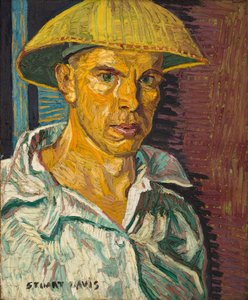
1892–1964, Spojené státy americké
Stuart Davis
Stuart Davis: A Pioneer of American Modernism Stuart Davis, born December 7, 1892, in Philadelphia, Pennsylvania, was a formative voice within the burgeoning landscape of American Modernism. Surrounded by an artistic lineage – his father served as art editor for the Philadelphia Press and his mother practiced sculpture – he possessed an innate predisposition towards visual expression from infancy. This early exposure profoundly shaped his artistic sensibilities and propelled him toward a career dedicated to redefining artistic boundaries. Davis’s formal education commenced at the Robert Henri School of Art in New York City between 1909 and 1912, where he benefited immensely from the mentorship of Robert Henri himself.
Také od autora Stuart Davis
 Odol
 Lucky Strike1924
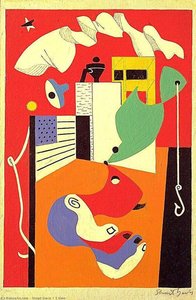 T View1951
 Sixth Avenue El1931
Eseje k tématu Rocks, Gloucester
 Clyfford Still's Abstract Expressionism: A Study of Color, Form & the Existential LandscapeExplore the profound world of Clyfford Still's Abstract Expressionism with OriginalUniqueArt. Discover his unique style, existential themes…
 American abstract expressionist paintersJackson Pollock used his drip technique in 1949 to create Number 1, while Jasper Johns used impasto in 1959 for his work False Start.
 Mastering the Face of a Nation: The Top 25 Gilbert Stuart Artworks1796 marked the creation of the Athenaeum Portrait. How did Stuart use light and shadow to define the very soul of a nascent nation?