
 Náhled v interiéru
 Sdílet
 Sdílet
 Podrobnosti o díle
 Průvodce

 Stáhnout
 Podobné položky
 Rentgenové snímky
 Slideshow
 Otázky a odpovědi
 Statistiky
Fabric Design, knots and streaks pattern

 Zobrazit více
Umělecké dílo zobrazené na této stránce je chráněno autorským zákonem, což znamená, že nemůžeme legálně vytvářet ani prodávat jeho identickou reprodukci. Tato ochrana je vymáhána na základě mezinárodních dohod, jako například Berberská úmluva a národními zákony, včetně těch stanovených v Americký autorský zákon – Díl 17. Všechna práva vyhrazena.
Tato metoda je plně v souladu s autorským právem, protože nezahrnuje kopírování ani duplikování chráněného díla. Jde o kreativní reinterpretaci – nový obraz, který je inspirován originálem, ale není s ním identický.
Giclée / Umělecký tisk
Giclée nebo plátěný tisk muzeální kvality s rychlou výrobou a širokou nabídkou povrchových úprav. ( Koupit ručně malovaný obraz Přepnout na digitální obraz)




































Vyberte si z našich přednastavených velikostí, které odpovídají původním proporcím díla.

Zadejte šířku a výšku, které potřebujete pro váš rám nebo stěnu. Tisk lze pouze oříznout, nikdy však nelze zvětšit obraz nad jeho původní rozměr, proto při výběru jiného formátu dochází ke ztrátě části obrazu. Před samotným tiskem vám zašleme digitální náhled k schválení. Obraz zobrazený na této stránce nenabízí skutečný výřez — ten uvidíte pouze v náhledu.
Celosvětové doručení () do 2 týdnů namísto standardních 4/5 týdnů. (10 listopad)

Zdarma celosvětová expresní doprava

Vysoce kvalitní lněné plátno

Kompletní pojištění přepravy

Záruka vrácení celního poplatku

Záruka věrného barevného souladu

100dení lhůta pro vrácení zboží (pouze při vadách výroby)

100% záruka vrácení peněz

Sleva při více objednávkách
 Skleněná varianta je dostupná pouze u rozměrů menších než 110 cm

Fabric Design, knots and streaks pattern
Giclée / Umělecký tisk
Rozměry reprodukce
-


Celková cena za vybrané možnosti reprodukcí
Kč 1763
A Dynamic Composition: Stuart Davis' "Fabric Design, Knots and Streaks Pattern"
Stuart Davis’s “Fabric Design, Knots and Streaks Pattern” is a vibrant testament to the artist’s pioneering role in American Modernism. Created during a period of significant artistic experimentation, this work transcends mere representation; it's an energetic exploration of form, color, and rhythm inspired by both urban life and jazz music. The painting presents itself as a dynamic interplay of circles, lines, and blocks of color—primarily blues and reds—creating a visually stimulating composition that feels simultaneously structured and spontaneous.
Style & Technique: Proto-Pop Meets Cubist Influence
Davis’s style in this piece is characterized by its unique blend of influences. While rooted in the principles of Cubism, with its fragmented perspectives and geometric forms, it also anticipates elements of Pop Art decades before its formal emergence. The flattened planes of color and simplified shapes recall advertising imagery and commercial design—a deliberate choice reflecting Davis’s fascination with American popular culture. His technique involves layering paint to create depth and texture, allowing the colors to interact and vibrate against one another. Notice how he uses bold outlines to define shapes, further emphasizing their graphic quality.
Historical Context: The Jazz Age & American Modernism
This artwork was created during the 1930s, a period often referred to as the Jazz Age and the Great Depression. The era witnessed a profound shift in artistic sensibilities, moving away from traditional representational art towards abstraction and experimentation. Davis, along with artists like Piet Mondrian and Wassily Kandinsky, sought to capture the dynamism of modern life—the speed, energy, and complexity of urban environments. The influence of jazz music is particularly evident in the rhythmic patterns and improvisational feel of the composition; Davis often spoke about how jazz inspired his approach to painting.
Symbolism & Emotional Impact
- Circles: Often interpreted as representing wheels, gears, or other mechanical elements, reflecting the industrial age.
- Lines: Suggest movement and energy, creating a sense of visual flow throughout the composition.
- Color Palette (Blue & Red): The bold combination evokes feelings of excitement, vitality, and perhaps even tension—a reflection of the complexities of modern life.
Beyond its formal qualities, "Fabric Design, Knots and Streaks Pattern" evokes a sense of optimism and forward momentum. It’s an energetic celebration of American ingenuity and creativity. The painting's visual complexity invites repeated viewing, revealing new details and nuances with each encounter. It is a piece that sparks conversation and inspires contemplation on the nature of modern art and its relationship to everyday life.
Otázky a odpovědi
Jakou převládající barvu má dílo „Fabric Design, knots and streaks pattern“ od Stuart Davis?
Barvou, která v díle „Fabric Design, knots and streaks pattern“ nejvíce vyniká, je Phthalo Green (#171e30). Dominantní barva je užitečná při sladění uměleckého díla s interiérem.
Patří „Fabric Design, knots and streaks pattern“ od Stuart Davis do volného tisku?
Stav autorských práv pro dílo „Fabric Design, knots and streaks pattern“ od Stuart Davis: toto dílo spadá do stále chráněno autorským právem. To určuje, zda lze volně vytvářet reprodukce tohoto obrazu.
Pod jakými dalšími jmény je Stuart Davis známý/á?
Mezi další jména, pod kterými je znám(a) Stuart Davis, tvůrce díla „Fabric Design, knots and streaks pattern“, patří i Edward Stuart Davis, Stewart Davis, Davies.
Biografie umělce
Stuart Davis: A Pioneer of American Modernism
Stuart Davis, born December 7, 1892, in Philadelphia, Pennsylvania, was a formative voice within the burgeoning landscape of American Modernism. Surrounded by an artistic lineage – his father served as art editor for the Philadelphia Press and his mother practiced sculpture – he possessed an innate predisposition towards visual expression from infancy. This early exposure profoundly shaped his artistic sensibilities and propelled him toward a career dedicated to redefining artistic boundaries. Davis’s formal education commenced at the Robert Henri School of Art in New York City between 1909 and 1912, where he benefited immensely from the mentorship of Robert Henri himself. During this pivotal period, he cultivated enduring friendships with fellow artists John Sloan, Glenn Coleman, and Henry Glintenkamp – connections that would prove invaluable throughout his artistic journey. These formative relationships instilled in him a belief in direct observation of life and encouraged experimentation with innovative techniques.Early Career and the Armory Show
Davis swiftly ascended to prominence as one of the youngest exhibitors at the monumental Armory Show of 1913, an event that irrevocably altered the course of American art history. He presented five watercolor paintings imbued with the distinctive aesthetic principles of the Ashcan School – a movement characterized by unflinching realism depicting urban life and its inhabitants. This debut showcased his commitment to portraying the everyday experiences of ordinary people with uncompromising honesty.
Artistic Development and Style
The 1920s witnessed Davis’s maturation into a singular artistic voice. He transitioned towards creating abstract still lifes and landscapes that incorporated elements of proto-pop art, skillfully blending geometric forms with imagery drawn from contemporary sources – notably cigarette packaging and spark plug advertisements. This daring stylistic choice reflected his fascination with the dynamism of modern life and signaled a decisive break from traditional representational conventions.
Davis’s oeuvre is instantly recognizable for its bold color palette, assertive brushstrokes, and rhythmic energy. His artistic vision was deeply influenced by jazz music, which permeated his paintings from the 1940s onward. The Ashcan School's emphasis on capturing the gritty realities of urban existence served as an enduring cornerstone of his aesthetic approach.
Influences and Inspirations
- Robert Henri: Provided foundational training and encouraged direct observation of life, shaping Davis’s belief in portraying authentic experiences.
- Ashcan School: Influenced his initial focus on urban realism and everyday subjects, fostering a commitment to depicting the human condition with unflinching honesty.
- Cubism: Inspired his exploration of abstract forms and fragmented perspectives, prompting him to challenge conventional artistic representations.
- Jazz Music: Contributed to the rhythmic energy and improvisational quality of his paintings, reflecting his passion for this influential musical genre.
Notable Works
Odol (Modernism), completed in 1928, exemplifies Davis’s masterful synthesis of geometric abstraction and recognizable imagery from popular culture. This painting captures the essence of modern life through bold colors and dynamic compositions.
Other significant pieces include Rocks, Gloucester (1915), The Mellow Pad, and Tropes de Teens (1956).
Legacy and Historical Significance
Stuart Davis’s legacy extends far beyond his individual artworks. He stands as a pivotal figure in establishing American Modernism as a distinct artistic movement—a movement that championed innovation and challenged established norms.
His pioneering approach to abstraction paved the way for subsequent generations of artists, solidifying his place as one of the most influential figures in 20th-century art history. Davis’s unwavering dedication to portraying the complexities of human experience continues to inspire artistic endeavors today.
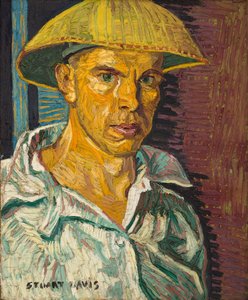
Stuart Davis
1892 - 1964 , Spojené státy americké
Rychlé informace o umělci
- Artistic Movement Or Style: Americký modernismus
- Artists Or Movements Influenced By This Artist: ['Ashcan School']
- Artists Who Influenced This Artist: ['Robert Henri']
- Date Of Birth: 7. prosince 1892
- Date Of Death: 24. června 1964
- Full Name: Stuart Davis
- Nationality: Američan
- Notable Artworks:
- Odol
- Rocks, Gloucester
- Place Of Birth: Philadelphia, USA
Související články

Top 10 mistrovských děl abstraktního expresionismu | Umění a dekorace s OriginalUniqueArt.com
Prozkoumejte 10 ikonických děl abstraktního expresionismu od Pollocka, Rothka a dalších. Objevte příběhy za obrazy, techniky a barevné palety tohoto revolučního uměleckého hnutí. Reprodukce obrazů s OriginalUniqueArt.com – luxusní dekorace pro váš interiér. Prozkoumejte celou kolekci online!

Arthur B. Davies: Pioneering American Modernism & the Cosmopolitan Spirit
Explore the life & work of Arthur B. Davies, a pivotal figure in American Modernism. Discover his unique style, role in the 1913 Armory Show, and lasting influence on art history. Learn about collecting Davies' works.

Arthur Dove: Pioneering American Abstraction & the Poetic Language of Modernism
Explore the groundbreaking work of Arthur Dove, a pioneer of American abstraction. Discover his artistic evolution, influences, and investment potential with OriginalUniqueArt's expert guide.

Geometrická abstrakce: 10 mistrovských děl, které změnily umění | OriginalUniqueArt.cz
Prozkoumejte 10 ikonických děl geometrické abstrakce od Mondriana, Maleviče a Kandinského. Objevte příběhy umělců, techniky a historii tohoto revolučního hnutí. Najděte inspiraci pro moderní dekorace a luxusní reprodukce obrazů na OriginalUniqueArt.com.

Stuart Davis: Modernist Abstraction & the Vibrant Spirit of the Jazz Age
Explore the vibrant world of Stuart Davis, a pioneer of American Modernism. Discover his jazz-inspired paintings, signature style & investment potential. Expert insights for art collectors.
