

 Zobrazit v interiéru
 Odeslat
 Sdílet
 Podrobnosti
 Průvodce

 Stáhnout obrázek
 Podobné kousky
 Rentgenové snímky
 Slideshow
 Statistiky
Thomas Collins
 Oil On Canvas
- WallArt
- Neoclassical Style
 1820
1820 125.0 x 101.0 cm
 City of Westminster Archives Centre
 Přečíst si více
Ručně malovaná olejová reprodukce
Ručně malované olejné plátno v libovolném rozměru i s rámem, vyrobené našimi umělci na zakázku. ( Přepnout na tiskové verze Přepnout na digitální verzi obrazu)




P118B Kč10

P118H Kč10

P118W Kč10

P438Z Kč10

P508JH Kč12

P508YH Kč12

P805H Kč10

P805Z Kč10

P919BZ Kč10

P919G Kč10

P919XJ Kč10

P959ZH Kč10

P968JZ Kč12

W106C Kč8

W218G Kč10

W218JH Kč8

W218Y Kč10

W307PJ Kč10

W316G Kč10

W316PJ Kč8

W316Y Kč10

W398PJ Kč8

W4111J Kč10

W500HY Kč15

W500JH Kč15

W692G Kč12

W849H Kč8

W940BG Kč15

W953PJ Kč8




Vyberte si z našich přednastavených velikostí, které odpovídají původním proporcím díla.

Zadejte šířku a výšku, které potřebujete pro váš rám nebo stěnu. Protože se jedná o ruční malbu, při výběru jiného formátu může umělec kolem obrazu domalovat o něco více, nebo jej mírně oříznout — rozhodnete si vy. Před zahájením malby vám zašleme digitální náhled ke schválení. Obraz zobrazený na této stránce neodpovídá skutečnému výsledku — pouze digitální náhled jej zobrazuje.
Po přijetí objednávky vám tým OriginalUniqueArt.com zašle e-mail s pokyny a poskytne náhledovou verzi.
Celosvětová doprava () za 3–4 týdny namísto standardních 5 týdnů. (24 říjen). Bez kompromisů v kvalitě.

Zdarma celosvětová expresní doprava

Vysoce kvalitní lněné plátno

Úplné pojištění přepravy

Záruka vrácení celního poplatku

Záruka věrného barevného shodu

100dení lhůta pro vrácení zboží (pouze při vadách výroby)

100% garance vrácení peněz

Sleva při více objednávkách
 Skleněná varianta je dostupná pouze u rozměrů menších než 110 cm

Thomas Collins
Technika provedení
Velikost reprodukce
-


Celková cena
Kč 6408
Thomas Collins: A Portrait of Dignity Amidst Georgian Refinement
Sir William Beechey’s “Thomas Collins” is more than just a depiction of a man; it's an encapsulation of the Georgian era’s preoccupation with social status and intellectual prowess. Painted in 1820, this oil on canvas masterpiece captures Cardinal Thomas Christopher Collins – a prominent figure in Canadian Catholicism – seated at a dining table bathed in soft light, conveying an aura of quiet contemplation and resolute conviction. Beechey's signature style—characterized by meticulous detail and subtle brushstrokes—is evident throughout the composition, prioritizing intimacy and psychological realism over grand theatricality.- Subject Matter: The portrait focuses on Collins’s face and upper torso, meticulously rendered to convey his character and demeanor. He wears a dark suit, indicative of aristocratic status, and is adorned with a dignified tie—a symbol of respectability within Georgian society.
- Composition & Setting: The dining table serves as a grounding element, littered with papers suggesting intellectual pursuits and administrative responsibilities. Two chairs flank Collins, creating a balanced visual arrangement that emphasizes his central position. A wall behind him provides depth to the scene, subtly reinforcing the formality of the setting.
- Technique & Style: Beechey employed a technique known for its softness and luminosity—a hallmark of neoclassical portraiture—resulting in an image imbued with warmth and nuance. The artist skillfully blended pigments to achieve tonal gradations that enhance the sense of realism, capturing the textures of fabric and skin with remarkable accuracy.
- Symbolism: The papers on the dining table symbolize Collins’s engagement with scholarly pursuits and governance—reflecting his commitment to intellectual discourse and pastoral leadership.
- Emotional Impact: Beechey's masterful portrayal evokes a feeling of quiet solemnity, inviting viewers to contemplate Collins’s inner life and unwavering faith. The artist skillfully captures the man’s gaze, conveying an expression of seriousness and introspection that lingers in the viewer’s mind.
Otázky a odpovědi
V jaké velikosti se doporučuje vytisknout "Thomas Collins"?
Pro dílo „Thomas Collins“ se doporučuje tisk ve velikosti Large. K dispozici jsou i jiné velikosti se zachováním stejných proporcí.
Jakou náladu vyjadřuje „Thomas Collins“ od William Beechey v rámci směru Neoclassical Style?
Calm emoce díla „Thomas Collins“ doprovází jeho styl, který patří k Neoclassical Style.
Zůstalo dílo "Thomas Collins" ve své domovské zemi?
Ne – dílo se nachází v zahraničí. Dílo „Thomas Collins“ je uloženo v zemi United Kingdom, zatímco William Beechey se narodil(a) v zemi Spojené království.
Biografie umělce
Early Life and Artistic Beginnings
Sir William Beechey, born December 12, 1753, in the quaint Oxfordshire town of Burford, embarked on a life that would see him become a prominent figure in British portraiture. His early years were marked by tragedy; both his parents passed away while he was still young, leaving his upbringing to the care of his uncle, Samuel Beechey, a solicitor. Initially destined for a legal career, young William’s heart lay elsewhere—in the captivating world of art. Despite his uncle's aspirations, Beechey gravitated towards painting, an inclination that ultimately led him to London and admission into the Royal Academy Schools in 1772. This marked a pivotal moment, placing him within the orbit of established artists and setting the stage for his artistic development. His early training likely benefited from the guidance of Johan Zoffany, though concrete evidence remains elusive, shaping his initial style towards small-scale full-length portraits and intimate conversation pieces reminiscent of Zoffany’s own work.A Rising Star: Norwich and London
Beechey's artistic journey took him to Norwich in 1782, where he established a foothold as a portraitist among the region’s gentry. He secured commissions for portraits of prominent figures like John Wodehouse, and notably contributed four works to the collection of civic portraits at St Andrew’s Hall—a testament to his growing reputation. However, London beckoned, and in 1787 he returned to the capital, determined to make his mark on a larger stage. The late 1780s saw Beechey steadily gaining recognition, exhibiting works that showcased his developing skill and refined technique. A turning point arrived with his portrait of John Douglas, Bishop of Carlisle, exhibited in 1789—a work that garnered considerable attention and solidified his position within the London art scene. He skillfully navigated the conventions of the time, drawing inspiration from masters like Joshua Reynolds while forging a style uniquely his own.Royal Patronage and National Recognition
The year 1793 proved transformative for Beechey. Through a fortunate turn of events—a disgruntled sitter bringing his portrait to the attention of King George III and Queen Charlotte—Beechey found himself appointed as Queen Charlotte’s official portrait painter. This royal endorsement catapulted him into the upper echelons of artistic society, opening doors to a stream of prestigious commissions. He was elected an associate member of the Royal Academy that same year, further cementing his status. The following year brought even greater acclaim; in 1798, he painted *George III and the Prince of Wales Reviewing Troops*, a large-scale composition that earned him a knighthood and full membership to the Royal Academy. Though tragically lost in the 1992 Windsor Castle fire, this work exemplified Beechey’s ability to handle grand historical scenes alongside his more intimate portraiture. His success during this period was not merely artistic; it was deeply intertwined with the social and political landscape of Britain, reflecting a growing national pride and a flourishing aristocratic culture.Style, Legacy, and Lasting Influence
Beechey’s style is characterized by its refined elegance, subtle coloring, and meticulous attention to detail. He favored neoclassical compositions, often depicting his sitters in graceful poses reminiscent of classical sculpture. While not a radical innovator like some of his contemporaries—such as Thomas Lawrence—his consistent quality and ability to capture the likeness and character of his subjects earned him widespread acclaim. His portraits possess a dignified restraint, avoiding excessive drama or flamboyant flourishes. This approach appealed particularly to the royal family and the upper classes, who valued decorum and understated elegance. Despite some criticism leveled by Samuel Redgrave in 1890—who found Beechey’s work lacking in grace and his drapery somewhat clumsy—Beechey maintained a respectable position among British portraitists. His works continue to be celebrated for their technical skill and insightful portrayals of prominent figures from the late 18th and early 19th centuries, including Lord Nelson, John Kemble, and Sarah Siddons. *His legacy endures not only through his paintings but also as a testament to the enduring power of portraiture in capturing the spirit of an era.*Family and Further Contributions
Beechey’s personal life was marked by both joy and sorrow. He married Mary Ann Jones in 1778, and following her death, he wed Anne Phyllis Jessop, a successful miniature painter, in 1793. Through these unions, he fathered several children who also pursued artistic careers. His sons, Henry William Beechey—a painter and explorer—and Frederick William Beechey—a naval officer, geographer, and writer—carried on the family tradition of creative endeavor. *Beechey’s influence extended beyond his own paintings; he was known for his generosity towards aspiring artists, particularly John Constable, whom he mentored.* He retired to Hampstead in 1836, where he passed away in 1839, leaving behind a rich artistic legacy that continues to captivate and inspire. His contributions to British art remain significant, offering valuable insights into the lives and times of those who shaped the nation’s history.
William Beechey
1753 - 1839 , Spojené království
Rychlé informace
- Artistic Movement Or Style: Neoklasicismus
- Artists Or Movements Influenced By This Artist: ['Joshua Reynolds']
- Artists Who Influenced This Artist: ['Johan Zoffany']
- Date Of Birth: 12. prosince 1753
- Date Of Death: 28. ledna 1839
- Full Name: Sir William Beechey
- Nationality: Britský
- Notable Artworks: ['Portrét Lady Charlotte']
- Place Of Birth: Burford, UK
Související články

Trvalý odkaz olejomalby: Technika, historie a současná praxe
Prozkoumejte historii a techniky olejomalby s námi! Od středověku po současnost – detailní průvodce pro milovníky umění a profesionály. Objevte tajemství mistrů a inspirujte se.

The Enduring Legacy of Oil on Canvas: Technique, History & Aesthetic Impact
Explore the rich history & techniques of oil painting – from Renaissance masters to Impressionism. Discover pigments, layering methods, and why this timeless medium endures. Expert insights for artists & art enthusiasts.

Oil on Canvas: A Historical & Technical Exploration of a Timeless Artistic Medium
Explore the rich history & enduring techniques of oil painting on canvas. Discover the science behind its longevity, conservation practices, and contemporary relevance. Expert insights for art enthusiasts.

The Soul of Impressionism: Why Oil on Canvas Captures Eternal Light and Timeless Emotion
Discover the enchanting alchemy of Impressionism. Explore how the mastery of oil on canvas, through glazing and impasto, captures eternal light and emotion. Perfect for lovers of Monet and Van Gogh seeking the profound depth of hand-painted fine art.
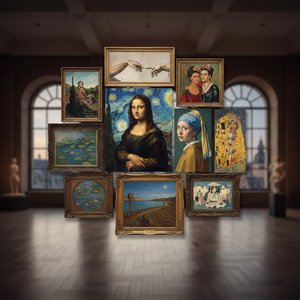
Top 10 olejů na plátně, které změnily svět umění | OriginalUniqueArt.cz
Objevte 10 legendárních olejů na plátně od Van Gogha, Moneta a Rembrandta. Ponořte se do příběhů mistrovských děl a inspirujte se pro váš interiér s reprodukcemi nejvyšší kvality. Prozkoumejte celou kolekci online na OriginalUniqueArt.com!

