
 Náhled
 Sdílet
 Sdílet
 Podrobnosti o díle

 Stáhnout
 Podobné položky
 Rentgenové snímky
 Slideshow
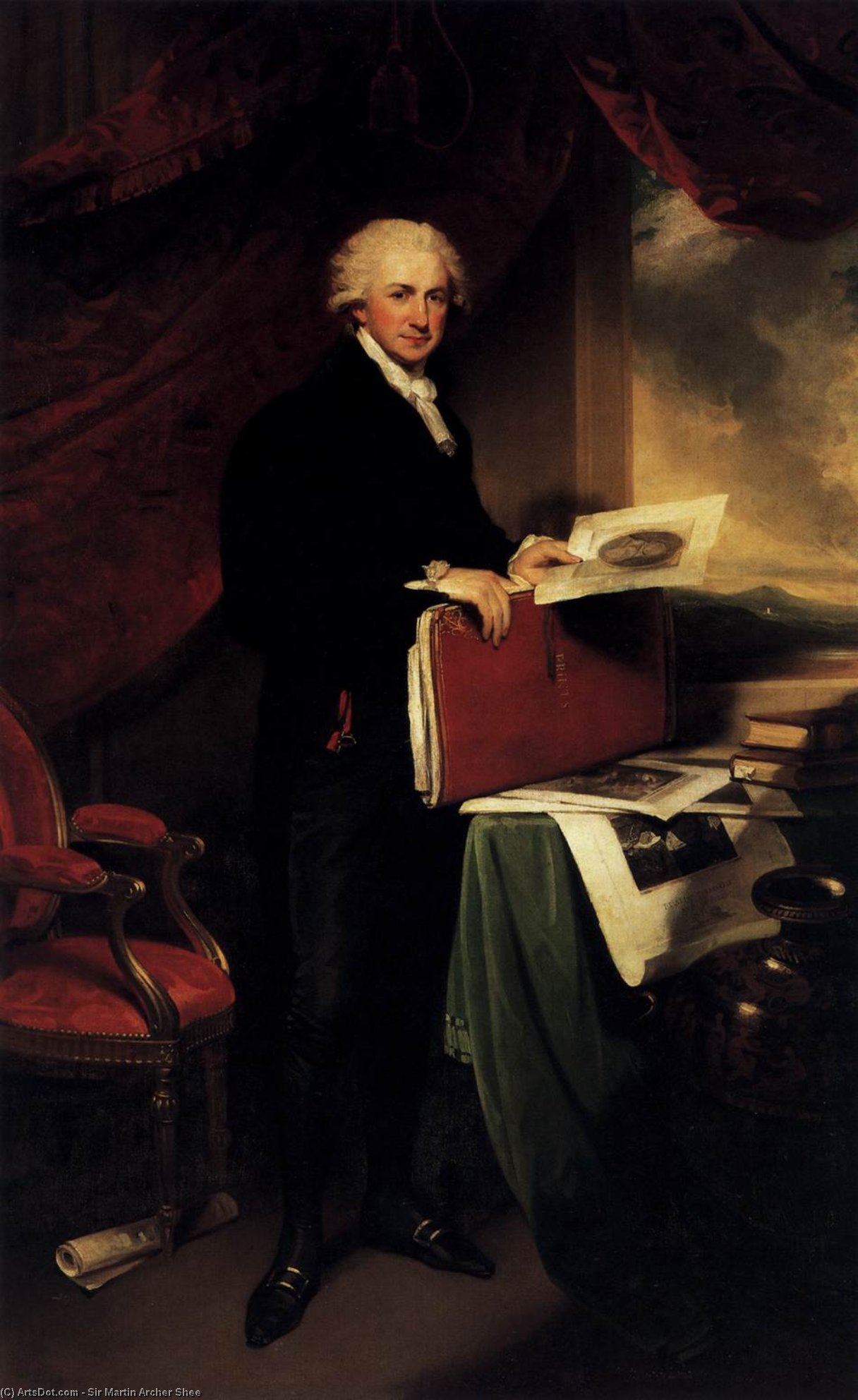
Mr. Storer
 Oil On Canvas
- WallArt
- Neoclassical Style
 19th Century
 239.0 x 148.0 cm
 Museo del Prado
 Zobrazit více
Giclée / Umělecký tisk
Giclée nebo plátěný tisk muzeální kvality s rychlou výrobou a flexibilními možnostmi povrchové úpravy. ( Koupit ručně malovaný obraz Koupit obrázek)




P118B $10

P118H $10

P118W $10

P438Z $10

P508JH $12

P508YH $12

P805H $10

P805Z $10

P919BZ $10

P919G $10

P919XJ $10

P959ZH $10

P968JZ $12

W106C $8

W218G $10

W218JH $8

W218Y $10

W307PJ $10

W316G $10

W316PJ $8

W316Y $10

W398PJ $8

W4111J $10

W500HY $15

W500JH $15

W692G $12

W849H $8

W940BG $15

W953PJ $8




Vyberte si z našich přednastavených velikostí, které odpovídají původním proporcím díla.

Můžete zadat vlastní rozměry tak, aby výtvor odpovídal konkrétnímu rámu nebo prostoru. Pokud zvolená velikost nebude odpovídat poměru stran původního obrazu, dílo buď ořížeme, nebo obraz rozšíříme pomocí zrcadlového efektu či jednobarevného okraje. Před zahájením výroby vám bude zaslán digitální náhled k schválení.
Mějte prosím na paměti, že náhled na obrazovce neodráží skutečné oříznutí nebo rozšíření. Pouze digitální náhled přesně zobrazí finální kompozici.
Ačkoliv jsou k dispozici i vlastní rozměry, pro zachování původních proporcí doporučujeme vybrat si rozměr z předdefinovaného seznamu.
Celosvětové doručení () do 2 týdnů namísto standardních 4/5 týdnů. (25 srpen)

Zdarma celosvětová expresní doprava

Vysoce kvalitní lněné plátno

Kompletní přepravní pojištění

Záruka vrácení celního poplatku

Záruka přesného barevného shodu

60denní lhůta pro vrácení zboží (pouze při vadách výroby)

100% garance vrácení peněz

Sleva při hromadné objednávce
 Skleněná varianta je dostupná pouze u rozměrů menších než 110 cm

Mr. Storer
Giclée / Umělecký tisk
Rozměry reprodukce
-


Celková cena za výběr
$ 80
Popis sběratelského kousku
A Moment of Intellectual Grace
In the quietude of a private study, where the soft glow of candlelight might dance across leather-bound volumes, resides the profound presence of Sir Martin Archer Shee’s Mr. Storer. This neoclassical masterpiece is far more than a mere likeness; it is an intimate window into the soul of Anthony Morris Storer, captured with a level of psychological depth that transcends the boundaries of time. As one gazes upon the subject, there is an immediate sense of being invited into a sacred space of contemplation. The man stands poised, his gaze meeting the viewer with a gentle, knowing sincerity, while the weight of his scholarly pursuits is palpable in the very air surrounding him. It is a portrait that does not merely demand attention but commands respect through its understated elegance and quiet dignity.
The technical brilliance of Shee’s execution is nothing short of mesmerizing, particularly in his masterful command of chiaroscuro. By orchestrating a dramatic interplay between light and shadow, the artist sculpts Storer’s figure with a three-dimensional vitality that makes the subject feel almost tangible. The light falls softly upon the crisp white of his cravat and the thoughtful contours of his face, while deep, velvety shadows retreat into the background, creating an illusionistic depth that draws the eye inward. His palette is a rich tapestry of warmth; deep, resonant reds and earthy browns anchor the composition, providing a striking contrast to the muted, mossy greens of the drapery. Every brushstroke serves a purpose, meticulously rendering the luxurious texture of the red velvet chair and the delicate, weathered pages of the open book held in his hand.
Symbolism and the Victorian Ideal
Beyond its aesthetic splendor, Mr. Storer is a profound vessel of symbolism, reflecting the lofty cultural ambitions of 19th-century Britain. The inclusion of the open book is a deliberate nod to the era's reverence for knowledge and the intellectual life, suggesting that Storer was a man of profound learning and scholarly engagement. This theme of refinement is further bolstered by the presence of the red velvet chair—a symbol of both physical comfort and high social standing. Every element within the frame, from the heavy, dramatic curtains to the subtle placement of spectacles on a green-clothed table, works in harmony to construct an image of a gentleman defined by his education, wealth, and moral responsibility.
For the discerning collector or interior designer, this reproduction offers an unparalleled opportunity to infuse a space with historical gravity and sophisticated charm. Whether placed in a grand library, a formal dining room, or a contemporary study, the painting acts as a focal point of intellectual prestige. It brings with it the spirit of the Royal Academy’s golden age, offering a sense of permanence and classical beauty that modern decor often lacks. To possess such a piece is to hold a fragment of history—a tribute to an era where art was used to elevate the human spirit and celebrate the enduring virtues of the enlightened mind.
Biografie umělce
Sir Martin Archer Shee - Dubliner’s Ascent: The Life and Art of Sir Martin Archer Shee
Born in the vibrant city of Dublin on December 23rd, 1769, Sir Martin Archer Shee emerged as a pivotal figure in 19th-century British art. His journey was not simply that of a talented portraitist, but also of an administrator dedicated to shaping the artistic landscape of his time. Initially met with familial disapproval – his merchant father deemed painting an unsuitable profession for a man of their standing – young Martin’s passion proved unyielding. He began his studies at the Royal Dublin Society, laying the foundation for a career that would ultimately lead him to the heart of London’s art world and the presidency of the Royal Academy.
A crucial introduction by Edmund Burke in 1788 to Joshua Reynolds opened doors to the Royal Academy Schools, marking a turning point in Shee’s artistic development. Early works like “Head of an Old Man” and “Portrait of a Gentleman,” exhibited in 1789, signaled the arrival of a promising new talent, one poised to capture the essence of his era through brush and canvas.
The Brush and the Bureau: A Dual Path to Prominence
Shee’s career blossomed steadily throughout the late 18th and early 19th centuries. He quickly established himself as a sought-after portraitist, skillfully capturing the likenesses of prominent figures with an elegance and sensitivity that resonated deeply with his clientele. In 1798 he was elected an associate of the Royal Academy, a testament to his growing reputation, followed by full membership just two years later in 1800 – a remarkable ascent for an artist of his age. However, Shee’s ambitions extended beyond the purely artistic realm. He possessed a keen interest in the administration of the art world, believing that artists had a responsibility not only to create but also to shape the future of their discipline.
This dedication culminated in his election as President of the Royal Academy in 1830, succeeding Sir Thomas Lawrence. For over two decades, he served as a powerful advocate for artists and a staunch defender of academic standards, guiding the institution through a period of significant change and ensuring its continued vitality. His presidency was characterized by stability and a commitment to fostering artistic excellence within Britain.
A Neoclassical Vision: Style and Subject Matter
While celebrated primarily as a portraitist, Shee’s *oeuvre* extended beyond capturing individual likenesses. He ventured into historical and literary subjects, demonstrating versatility and intellectual depth. Among his most renowned works are “Belisarius” (1826), a powerful depiction of the exiled Roman general that speaks to themes of injustice and resilience; portraits of Queen Victoria and King George IV – testaments to his status as a royal painter; and paintings inspired by classical literature, revealing a deep engagement with the intellectual currents of his time.
His style is characterized by a refined neoclassical sensibility, influenced by Reynolds and other masters of the era. Shee’s portraits are notable for their meticulous detail, subtle modeling, and psychological insight. He possessed an ability to convey not just physical resemblance but also something of the sitter's character and inner life. His paintings weren’t merely representations; they were interpretations, imbued with a sense of dignity and grace.
Legacy and Lasting Influence
Sir Martin Archer Shee passed away on August 13th, 1850, in Brighton, leaving behind a legacy as both an accomplished artist and a dedicated administrator. He was buried in the western extension of St Nicholas’ Churchyard, though his headstone has since been moved to the perimeter of the site.
His personal life was marked by a happy marriage to Mary Power, with whom he had six children – three sons who became successful barristers and three daughters. Interestingly, his descendant George Archer-Shee inspired Terence Rattigan's poignant play, “The Winslow Boy,” adding another layer to the family’s historical significance.
Shee’s influence extended beyond his direct artistic output; as President of the Royal Academy, he played a crucial role in shaping the direction of British art during a period of significant change. He championed academic training while also acknowledging the importance of innovation and experimentation. His commitment to both tradition and progress helped to ensure the continued vitality of the British art scene.
Today, his works are held in prestigious collections such as the Royal Academy of Arts, offering enduring glimpses into a bygone era and celebrating the talent of a remarkable artist who dedicated his life to the pursuit of beauty and the advancement of art.

Sir Martin Archer Shee
1769 - 1850 , Irsko
Rychlé fakta
- Artistic Movement Or Style: Neoklasicistická
- Artists Or Movements Influenced By This Artist: ['Royal Academy']
- Artists Who Influenced This Artist:
- Joshua Reynolds
- Thomas Lawrence
- Date Of Birth: Dublin, Ireland (1769)
- Date Of Death: Brighton, England (1850)
- Full Name: Sir Martin Archer Shee
- Nationality: Irský
- Notable Artworks:
- Belisarius
- Lavinia
- Portrait of Queen Victoria
- Place Of Birth: Dublin
Související články
Sir Joshua Reynolds: 25 mistrovských děl a inspirace pro váš interiér | OriginalUniqueArt.com
Objevte 25 ikonických portrétů sira Joshuy Reynoldse! Prozkoumejte klasicistní umění, techniku malby a inspirativní příběhy za jeho mistrovskými díly. Luxusní reprodukce obrazů pro váš interiér na OriginalUniqueArt.com.

Sir Alfred James Munnings: Top 25 Děl Mistra Koní – Umění a Dekorace pro Vaši Sbírku
Prozkoumejte 25 ikonických obrazů Alfreda Jamese Munnings, mistra koní a anglického impresionismu. Obdivujte realistické krajinomalby, jezdecké scény a válečné obrazy. Reprodukce a luxusní dekorace na OriginalUniqueArt.com! Prohlédněte si celou sbírku online.
Sir Joshua Reynolds: Shaping British Art Through Grand Style & Societal Portraiture
Explore the life & work of Sir Joshua Reynolds, a master of British portraiture and founder of the Royal Academy. Discover his 'Grand Style,' techniques, and lasting influence on art history. Learn more at OriginalUniqueArt.
Sir John Lavery: A Study in Scottish Impressionism & the Portraiture of a Generation
Explore the life & art of Sir John Lavery, a master of Scottish Impressionism and renowned portraitist. Discover his captivating works, Irish heritage, and lasting legacy with OriginalUniqueArt.
Mastering the Light: An Art Historian's Guide to the Grand Style of Sir Joshua Reynolds
Explore the luminous legacy of Sir Joshua Reynolds. Discover how the master of the 'Grand Style' used dramatic light and classical elegance to define 18th-century British portraiture in this expert art history guide for collectors and enthusiasts.



