 Přepnout na tisk
 Zobrazit více







































 U děl nebo reprodukcí, u nichž je jakákoliv strana větší než 105 cm (přibližně 41 palců), bude rám dodán jako sestava v rozloženém stavu. Tato metoda zajišťuje bezpečné doručení a chrání dílo před poškozením během přepravy.


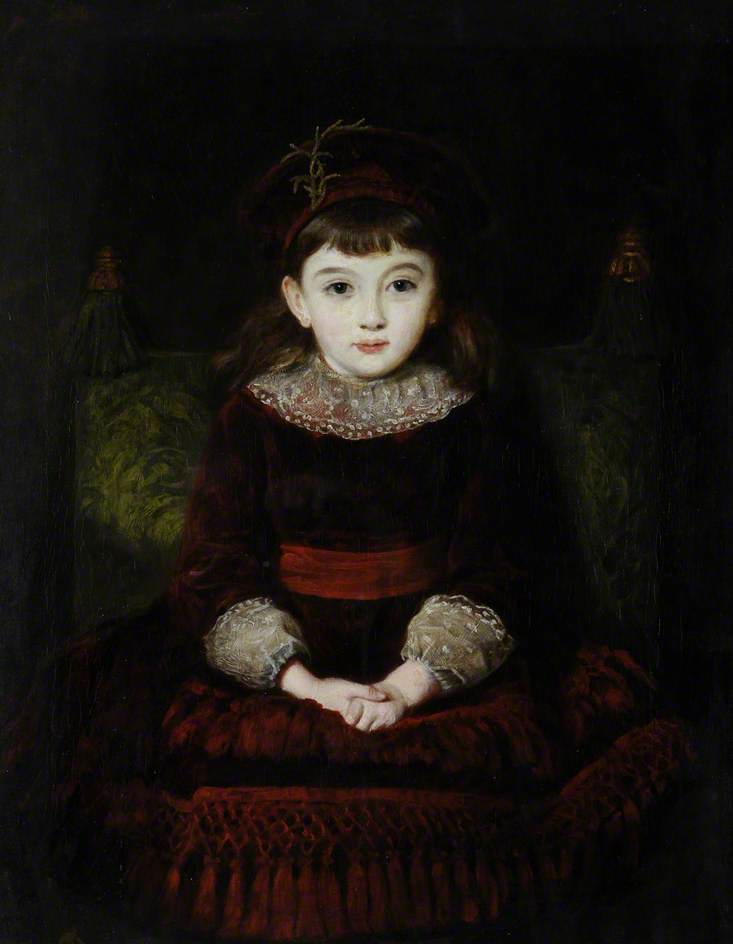
Day Dreams: A Window Into Victorian Sentimentality
“Day Dreams,” painted by Sir John Everett Millais in 1874, stands as an emblem of the Pre-Raphaelite movement’s fascination with idealized beauty and meticulous observation. More than just a portrait, it's a carefully constructed tableau designed to evoke profound emotion—a contemplative stillness that speaks volumes about Victorian sensibilities.
- Subject Matter: The artwork depicts a young girl seated in a chair, bathed in soft light emanating from an unseen source. Her gaze is directed inward, suggesting absorption in reverie and capturing the essence of “day dreams”—a concept central to Romantic thought and Victorian psychology.
- Style & Technique: Millais’s adherence to Pre-Raphaelite principles is evident throughout. He rejected the academic conventions prevalent at the time, prioritizing artistic truthfulness over stylistic imitation. Employing oil paint on canvas with painstaking brushstrokes—a hallmark of the movement—he achieved remarkable textural detail, particularly in rendering the velvety texture of the dress and the plush upholstery of the chair.
- Composition & Color Palette: The composition is deliberately restrained, focusing solely on the girl’s figure against a dark, amorphous background. This technique amplifies her presence and draws attention to her expression. The color palette utilizes deep reds, browns, and creams—muted hues that convey solemnity and warmth—accentuated by subtle greens and ivory highlights. These colors contribute to an atmosphere of quiet contemplation.
- Historical Context: Created during the Victorian era, “Day Dreams” reflects the prevailing preoccupation with domestic tranquility and idealized femininity. Millais’s work aligns with broader artistic trends aimed at capturing fleeting moments of emotion and conveying moral lessons—a characteristic feature of Victorian narrative art.
Symbolism & Emotional Impact: The painting transcends mere representation; it embodies a deeper symbolic resonance. The dark background symbolizes obscurity, while the girl’s contemplative posture represents inner reflection and yearning for spiritual solace. Millais skillfully captures the melancholic beauty inherent in solitude—a sentiment that resonated deeply with Victorian audiences.
Detailed Examination: Millais's meticulous attention to detail is remarkable. Notice how he painstakingly recreates the lace patterns of the collar and sleeves, utilizing glazing techniques to achieve luminosity and depth. The artist’s dedication to realism—evident in the textured skin tone and the realistic depiction of fabric folds—solidifies “Day Dreams” as a masterpiece of Victorian art.
“Day Dreams” continues to captivate viewers today not only for its aesthetic beauty but also for its ability to transport us back to a bygone era—a time defined by profound emotion, artistic innovation, and an unwavering belief in the power of visual storytelling. It serves as a poignant reminder of Victorian ideals of grace and introspection.
Otázky a odpovědi
Kde mohu najít umělecká díla podobná dílu „Sny“ od John Everett Millais?
Stránka Podobná díla pro dílo „Sny“ od John Everett Millais obsahuje související umělecká díla.
Jakou techniku bylo použito pro dílo „Sny“ od John Everett Millais?
John Everett Millais pro dílo „Sny“ použil/a techniku Akryl na plátně. Tato technika definuje materiální podstatu originálního díla.
Který prostor nejlépe ladí s barvami díla „Sny“ od John Everett Millais?
Dílo „Sny“ od John Everett Millais s svou paletou Zemité tóny se doporučuje do Obývací pokoj. Barvy jsou jedním z důvodů tohoto doporučení.
 Náhled v interiéru
 Sdílet
 Sdílet
 Podrobnosti o díle
 Průvodce

 Stáhnout
 Podobné položky
 Rentgenové snímky
 Slideshow
 Otázky a odpovědi
 Statistiky