 Náhled v interiéru
 Sdílet
 Sdílet
 Podrobnosti o díle
 Průvodce

 Stáhnout
 Podobné položky
 Rentgenové snímky
 Slideshow
 Otázky a odpovědi
 Statistiky
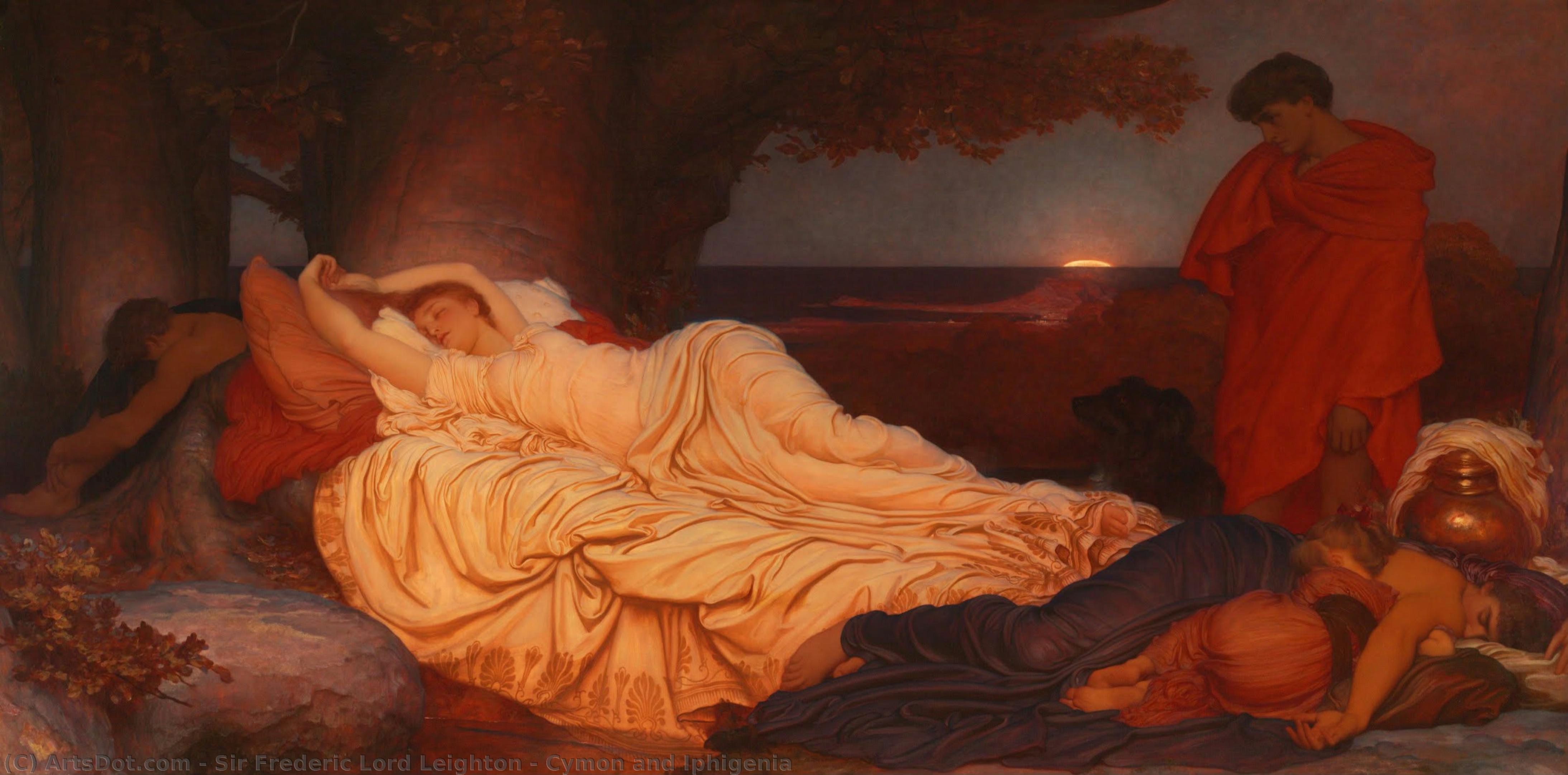
Cymon and Iphigenia

- 218.0 x 390.0 cm


 Zobrazit více
Giclée / Umělecký tisk
Giclée nebo plátěný tisk muzeální kvality s rychlou výrobou a širokou nabídkou povrchových úprav. ( Koupit ručně malovaný obraz Přepnout na digitální obraz)




P118B Kč10

P118H Kč10

P118W Kč10

P438Z Kč10

P508JH Kč12

P508YH Kč12

P805H Kč10

P805Z Kč10

P919BZ Kč10

P919G Kč10

P919XJ Kč10

P959ZH Kč10

P968JZ Kč12

W106C Kč8

W218G Kč10

W218JH Kč8

W218Y Kč10

W307PJ Kč10

W316G Kč10

W316PJ Kč8

W316Y Kč10

W398PJ Kč8

W4111J Kč10

W500HY Kč15

W500JH Kč15

W692G Kč12

W849H Kč8

W940BG Kč15

W953PJ Kč8




Vyberte si z našich přednastavených velikostí, které odpovídají původním proporcím díla.

Zadejte šířku a výšku, které potřebujete pro váš rám nebo stěnu. Tisk lze pouze oříznout, nikdy však nelze zvětšit obraz nad jeho původní rozměr, proto při výběru jiného formátu dochází ke ztrátě části obrazu. Před samotným tiskem vám zašleme digitální náhled k schválení. Obraz zobrazený na této stránce nenabízí skutečný výřez — ten uvidíte pouze v náhledu.
Celosvětové doručení () do 2 týdnů namísto standardních 4/5 týdnů. (3 listopad)

Zdarma celosvětová expresní doprava

Vysoce kvalitní lněné plátno

Kompletní pojištění přepravy

Záruka vrácení celního poplatku

Záruka věrného barevného souladu

100dení lhůta pro vrácení zboží (pouze při vadách výroby)

100% záruka vrácení peněz

Sleva při více objednávkách
 Skleněná varianta je dostupná pouze u rozměrů menších než 110 cm

Cymon and Iphigenia
Giclée / Umělecký tisk
Rozměry reprodukce
-


Celková cena za vybrané možnosti reprodukcí
Kč 1766
A Vision of Ideal Beauty: Frederic Leighton’s “Cymon and Iphigenia”
Frederic Leighton's "Cymon and Iphigenia," painted in 1884, isn’t merely a depiction of Greek myth; it’s a carefully constructed tableau of Victorian ideals – a testament to beauty, virtue, and the transformative power of love. Leighton, already established as a Royal Academician and a master of historical painting, sought to elevate the narrative beyond its original source material, weaving in elements of Pre-Raphaelite sensuality and classical restraint into a scene brimming with quiet drama. The painting immediately draws the eye to Iphigenia, lying gracefully on a mossy bank beneath an ancient tree – her pose suggesting both languor and vulnerability. Her golden hair cascades around her face, illuminated by dappled sunlight that filters through the leaves, while her eyes are closed in peaceful slumber. The artist’s meticulous attention to detail is evident in every curve of her body, every ripple of fabric, and the delicate rendering of the foliage surrounding her.A Story of Awakening and Moral Ascent
The myth underpinning “Cymon and Iphigenia” originates from Boccaccio’s *Decameron*, a collection of tales set in Florence during the Black Death. The story recounts how the brutish youth Cymon, initially characterized by his rudeness and lack of refinement, encounters the beautiful Iphigenia. Through her presence, he undergoes a profound transformation, shedding his coarse manners and embracing intellectual pursuits – becoming a man of virtue and learning. Leighton cleverly captures this pivotal moment in the narrative, not through overt action but through subtle gestures and expressions. Cymon stands before her, gazing at her with an expression of rapturous admiration, while Iphigenia’s serene repose suggests that she has already initiated his moral awakening. The inclusion of a young slave girl, Lena, adds another layer to the scene, representing innocence and serving as a visual reminder of the transformative power of beauty.Technique and Aesthetic Choices
Leighton's mastery is evident in his masterful use of color and light. He employs a muted palette dominated by earthy greens, browns, and golds, creating an atmosphere of tranquility and timelessness. The lighting is particularly noteworthy – it’s diffused and atmospheric, casting long shadows and highlighting the textures of the foliage and Iphigenia's garments. The artist meticulously rendered every detail with painstaking precision, utilizing a smooth, polished technique that reflects his academic training. He drew heavily on classical sculpture for inspiration, evident in the idealized forms of the figures and the careful arrangement of the composition. The background landscape is deliberately vague, allowing the viewer’s attention to remain focused on the central figures. The use of a dark, almost velvety moss beneath Iphigenia further emphasizes her vulnerability and purity.Symbolism and Victorian Ideals
“Cymon and Iphigenia” is deeply rooted in the artistic and social conventions of Victorian England. The painting embodies several key ideals prevalent during that era: the celebration of beauty, the pursuit of virtue, and the reverence for classical antiquity. Leighton’s choice to depict a mythological scene rather than a contemporary subject allowed him to explore these themes within a framework of idealized beauty and moral instruction. The image speaks to the Victorian fascination with both Greek mythology and the concept of “moral education,” where art was seen as a tool for shaping virtuous citizens. Furthermore, the painting reflects Leighton’s own personal interests – his love of classical sculpture and his desire to create works that were both aesthetically pleasing and morally uplifting. The overall effect is one of serene contemplation, inviting viewers to reflect on the timeless themes of beauty, virtue, and transformation.A Legacy of Beauty: Reproductions and Inspiration
Today, “Cymon and Iphigenia” remains a beloved masterpiece, admired for its exquisite detail, evocative atmosphere, and profound symbolism. High-quality reproductions capture the painting’s luminous quality and intricate details, making it accessible to a wider audience. Its themes continue to resonate with art lovers and interior designers alike, who appreciate its timeless beauty and its ability to evoke a sense of tranquility and contemplation. When selecting a reproduction, consider the scale and framing options to best complement your space – allowing this iconic work of art to grace your home and inspire generations to come.Otázky a odpovědi
Je k dispozici prezentace pro „Cymon and Iphigenia“ od Frederik Leighton?
Dílo „Cymon and Iphigenia“ od Frederik Leighton si můžete prohlédnout v podobě diaporamy na stránce Slideshow.
K jaké fázi kariéry Frederik Leighton odpovídá datum vzniku díla „Cymon and Iphigenia“ z roku 1884?
Datum 1884 umisťuje dílo „Cymon and Iphigenia“ do období Mature Period v rámci tvůrčího rozvoje umělce Frederik Leighton.
V jakém roce a v rámci kterého uměleckého směru bylo dílo "Cymon and Iphigenia" vytvořeno?
Dílo „Cymon and Iphigenia“ vzniklo v roce 1884 jako reprezentativní dílo směru Academic Romanticism. Datum vzniku a příslušnost k danému směru pevně ukotvují toto umělecké dílo v dějinách umění.
Biografie umělce
A Life Bathed in Light: The World of Sir Frederic Leighton
Sir Frederic Lord Leighton, narozený v Scarboroughu v Anglii roku 1830, byl umělcem, jehož život a dílo jsou hluboce zakořeněna v bohatství, vzdělání a vášnivém zájmu o klasickou antiku. Jeho dědečko, jako lékař, sloužil ruské carské rodině, což poskytlo rodině finanční základnu, která umožnila mladému Fredericovi usilovat o svou vášeň bez omezení – vzácná výhoda v často nestabilním životě 19. století umělce. Tato svoboda mu umožnila podniknout rozsáhlé cesty po Evropě, ponořit se do uměleckých proudů Itálie, Německa a Francie. Během těchto formativních let, studujíc pod vedením mistrů jako Eduard von Steinle a Giovanni Costa, začal Leighton kultivovat svůj charakteristický styl – kombinaci akademické přesnosti, Pre-Raphaelitské smyslnosti a hluboké úcty k klasickým ideálům. Zvláštní okamžik v jeho raném životě nastal ve věku sedmnácti let, kdy se setkal s filozofem Arthurem Schopenhauerem v Frankfurtu, čímž vytvořil jediný známý portrét tohoto slavného režímu. Tento setkání naznačuje Leightonovu intelektuální hloubku a fascinaci komplexními aspekty lidské existence – témata, která se prolíněla jeho dílem po desetiletí.The Painterly Embrace of Myth and History
Leightonova umělecká kariéra rozkvétla v éře, která byla poháněna historickými vyprávěními, biblickými příběhy a klasickou mytologií. On sám tyto témata nevystavoval pouze jako ilustrace; *obýval* je, pečlivě zkoumal kostýmy, prostředí a nuanci starověkého života, aby vytvořil díla, která působila autenticky i dramaticky. Jeho obrazy nebyly pouhými reprezentacemi – byly to pohlcující zážitky, které přenášely diváky do světů bohů, hrdinů a zapomenutých říší. Clytie, jedno z jeho nejvýznamnějších děl, je toho dokonalým příkladem. Obraz zobrazuje nymfu Clytiu transformovanou v slunečnicovou květinu, toužící po Apollonovi. Není to jen krásný obraz; je to zkoumání neúspěšné lásky, touhy a transformační moci přírody – zachycené s ohromující přesností a luminiscencí, která se zdá vycházet zevnitř. Podobně i Daphnephoria, zobrazující průvodce v honoře pro boha Apolla, ukazuje Leightonovu mistrovskou práci s kompozicí, barvami a schopností zachytit pohyb a energii na plátně. Nebál se přijmout opulentní textury, bohaté látky a dramatické osvětlení – prvky, které přispěly k ohromující vizuální působivosti jeho děl.Beyond the Canvas: Sculpture and Architectural Vision
Ačkoliv je především známý jako malíř, Leightonovy umělecké ambice se rozšiřovaly za hranice dvourozměrného světa. Byl talentovaným sochařem a jeho Athlete Wrestling with a Python, vytvořená mezi lety 1888 a 1891, představovala klíčový okamžik v britské sochařství – často připisovaný zahájení renesance současného sochařství známé jako "New Sculpture". Tato práce, vyřezaná z čistého bílého mramoru, vyjadřuje jak fyzickou sílu, tak dramatický napětí. Ale Leightonův kreativní vhled neskončil jen zde. Byl také vášnivým sběratelem umění a artefaktů, zejména těch ze Středního východu. Tyto poklady nebyly vystaveny pouze jako dekorace; byly integrované do samotné tkáně jeho domu, Leighton House v Holland Parku, Londýně. Tento dům byl navržen architektem George Aitchisonem a je sám o sobě uměleckým mistrovským dílem – úžasný příklad estetismu, který sloužil jako obydlí i studio. Ikoničtá Arabská síň s jejími složitými dlaždicemi a vysokými oblouky je svědectvím Leightonova eklektického vkusu a jeho touhy po vytvoření celkového uměleckého díla – prostředí, které by inspirovalo a podporovalo jeho kreativitu.Legacy and the Echoes of an Era
Leightonův vliv na britské umění byl hluboký. Stal se prezidentem Královské akademie umění od roku 1878 do své smrti v roce 1896, pozici, kterou zastával s vyznačnou důstojností a podporoval živné umělecké prostředí. Byl jmenován rytířem v roce 1878, šlechticem v roce 1886 a nečekaně byl povýšen na barona pouhého jednoho dne po své smrti – což je svědectví o obrovské úctě, kterou si získal ve světě umění a mimo něj. Jeho dílo pokračuje inspirovat umělce a okouzlovat diváky po celém světě. Leighton House Museum zůstává trvalým připomenutím jeho umělecké vize a je důležitou kulturní památkou. Jeho díla představují fascinující průnik viktoriánských ideálů, klasických vlivů a Pre-Raphaelitských citostí – jedinečný hlas v historii britského umění.- Jeho díla pokračuje inspirovat umělce a okouzlovat diváky po celém světě.
- Leighton House Museum zůstává trvalým připomenutím jeho umělecké vize a je důležitou kulturní památkou.
- Reprezentuje fascinující průnik viktoriánských ideálů, klasických vlivů a Pre-Raphaelitských citostí – jedinečný hlas v historii britského umění.

Frederik Leighton
1830 - 1896 , Spojiznění Velké Británie
Rychlé informace o umělci
- Artistic Movement Or Style: Akademický, Pre-rafaelismus
- Artists Or Movements Influenced By This Artist:
- New Sculpture
- Aestheticismus
- Artists Who Influenced This Artist:
- Steinle
- Costa
- Date Of Birth: 3. prosinec 1830
- Date Of Death: 25. ledna 1896
- Full Name: Sir Frederic Lord Leighton
- Nationality: Britský
- Notable Artworks:
- Clytie
- Flaming June
- Athlete Wrestling python
- Place Of Birth: Scarborough, UK
Související články

The Enduring Allure of Marble in Art History: From Classical Sculpture to Modern Abstraction
Explore the captivating history of marble sculpture from ancient Greece to modern art. Discover renowned artists like Canova & Michelangelo, carving techniques, and investment insights at OriginalUniqueArt.
Sir Frederic Leighton: Aestheticism, Academic Mastery & Victorian Masculinity
Explore the life & art of Sir Frederic Leighton, a master of Victorian Aestheticism. Discover his academic training, sculptural innovations, and captivating depictions of beauty. Expert insights for collectors.

10 legendárních bronzových mistrovských děl, která změnila umění | OriginalUniqueArt
Objevte 10 legendárních bronzových mistrovských děl od Rodina, Donatella a dalších. Ponořte se do historie umění a nechte se inspirovat nadčasovými sochařskými replikami pro váš interiér. Prozkoumejte celou kolekci online na OriginalUniqueArt.com!

The Enduring Form: Exploring Themes & Techniques in Sculpture Across Historical Periods
Explore the rich history of sculpture from ancient masterpieces to contemporary innovations. Discover key techniques, influential artists & investment potential for discerning art collectors.

10 legendárních bronzových soch, které změnily umění | OriginalUniqueArt
Objevte 10 legendárních bronzových soch od Michelangela, Rodina a dalších mistrů! Ponořte se do historie umění, technik a příběhů za těmito nadčasovými díly. Najděte inspiraci pro váš interiér s OriginalUniqueArt.com – repliky nejvyšší kvality.