

 Zobrazit v interiéru
 Odeslat
 Sdílet
 Podrobnosti
 Průvodce

 Stáhnout obrázek
 Podobné kousky
 Rentgenové snímky
 Slideshow
 Statistiky
Mrs Livesay


 Přečíst si více
Ručně malovaná olejová reprodukce
Ručně malované olejné plátno v libovolném rozměru i s rámem, vyrobené našimi umělci na zakázku. ( Přepnout na tiskové verze Přepnout na digitální verzi obrazu)




P118B Kč10

P118H Kč10

P118W Kč10

P438Z Kč10

P508JH Kč12

P508YH Kč12

P805H Kč10

P805Z Kč10

P919BZ Kč10

P919G Kč10

P919XJ Kč10

P959ZH Kč10

P968JZ Kč12

W106C Kč8

W218G Kč10

W218JH Kč8

W218Y Kč10

W307PJ Kč10

W316G Kč10

W316PJ Kč8

W316Y Kč10

W398PJ Kč8

W4111J Kč10

W500HY Kč15

W500JH Kč15

W692G Kč12

W849H Kč8

W940BG Kč15

W953PJ Kč8




Vyberte si z našich přednastavených velikostí, které odpovídají původním proporcím díla.

Zadejte šířku a výšku, které potřebujete pro váš rám nebo stěnu. Protože se jedná o ruční malbu, při výběru jiného formátu může umělec kolem obrazu domalovat o něco více, nebo jej mírně oříznout — rozhodnete si vy. Před zahájením malby vám zašleme digitální náhled ke schválení. Obraz zobrazený na této stránce neodpovídá skutečnému výsledku — pouze digitální náhled jej zobrazuje.
Po přijetí objednávky vám tým OriginalUniqueArt.com zašle e-mail s pokyny a poskytne náhledovou verzi.
Celosvětová doprava () za 3–4 týdny namísto standardních 5 týdnů. (25 říjen). Bez kompromisů v kvalitě.

Zdarma celosvětová expresní doprava

Vysoce kvalitní lněné plátno

Úplné pojištění přepravy

Záruka vrácení celního poplatku

Záruka věrného barevného shodu

100dení lhůta pro vrácení zboží (pouze při vadách výroby)

100% garance vrácení peněz

Sleva při více objednávkách
 Skleněná varianta je dostupná pouze u rozměrů menších než 110 cm

Mrs Livesay
Technika provedení
Velikost reprodukce
-


Celková cena
Kč 6408
A Portrait of Quiet Dignity
Sir Francis Grant’s 1851 masterpiece, “Mrs Livesay,” serves as a profound testament to the Victorian era's fascination with refined beauty and intellectual depth. In this exquisite oil on canvas, we encounter a woman of considerable social standing, captured in a moment of serene contemplation. Seated beneath the gentle canopy of a blossoming tree, Mrs. Livesay is not merely a subject of a likeness, but an embodiment of contemplative serenity. The painting invites the viewer into her private world, where the rustle of leaves and the turning of a page are the only sounds to break the stillness of a garden setting.
The composition employs a classic three-quarter pose that prioritizes intimacy, drawing the eye directly to the subject's downward gaze. As she holds an open book in her lap, the act of reading becomes a powerful symbol of knowledge, learning, and intellectual refinement. This focus on the internal life of the sitter is beautifully framed by the natural world; the soft, organic shapes of the tree branches overhead create a protective, almost sacred space around her. The subtle recession of the landscape background, rendered in hazy greens and browns, utilizes atmospheric perspective to create a shallow depth of field, ensuring that the viewer's emotional connection remains anchored to the subject herself.
Mastery of Light and Texture
Grant’s technical prowess is on full display through his masterful use of color and light. The palette is elegantly muted, dominated by sophisticated creams, soft blues, and whites in Mrs. Livesay’s attire, which provides a luminous contrast against the bold, rich red drapery upon which she rests. This interplay of tones is further enriched by the artist's ability to manipulate texture through delicate brushwork. One can almost feel the smooth, flowing surface of her dress juxtaposed against the more tactile, textured foliage of the surrounding garden.
The lighting within the piece is soft and diffused, acting as a gentle spotlight that illuminates the most expressive elements of the portrait: Mrs. Livesay's face and hands. This careful attention to light and shadow allows for subtle gradations in skin tone, lending a lifelike realism to her features. For collectors and interior designers alike, this painting offers more than just visual beauty; it provides an atmosphere of grace and tranquility. Whether placed in a sunlit study or a formal drawing room, a high-quality reproduction of “Mrs Livesay” brings with it a sense of historical prestige and a timeless, quiet elegance that resonates deeply within any sophisticated space.
Otázky a odpovědi
Kde mohu najít statistiky k dílu „Mrs Livesay“ od Sir Francis Grant?
Statistiky k dílu „Mrs Livesay“ od Sir Francis Grant naleznete na stránce Statistiky tohoto díla: měsíční návštěvnost díla, návštěvnost děl daného umělce a rozpis nedávných návštěvníků podle zemí a jazyků.
Jak "Mrs Livesay" vyvažuje světlo a stín?
„Mrs Livesay“ má celkovou jasnost shadow a jeho luminance je Soft Shadow.
Kde si mohu koupit ručně malovanou reprodukci díla „Mrs Livesay“ od Sir Francis Grant?
Ruční kopie díla „Mrs Livesay“ od Sir Francis Grant jsou k zakoupení na webu tento web: ručně malovaná olejová reprodukce na lněném plátně, a to prostřednictvím jeho stránky Ručně malovaná reprodukce.
Biografie umělce
Sir Francis Grant PRA (1803 - 1878): Celebrated Scottish Portrait & Sporting Painter and Royal Academy President
Sir Francis Grant, a name synonymous with refined portraiture and dedicated service to the British art establishment, emerged as one of the most sought-after artists of his era. Born in Edinburgh, Scotland, on January 18, 1803, into a landed family—the fourth son of Francis Grant, Laird of Kilgraston near Bridge of Earn—his early life foreshadowed a path diverging from conventional expectations. While initially inclined towards law, the irresistible allure of artistic expression swiftly superseded legal ambitions. Remarkably self-taught, Grant benefited from brief instruction under Alexander Nasmyth in Edinburgh, laying an initial foundation for his burgeoning talent. This formative period instilled within him a profound appreciation for observation and meticulous detail—qualities that would characterize his entire oeuvre.Early Artistic Explorations: Sporting Scenes and Initial Recognition
Grant’s artistic journey commenced with captivating depictions of rural life – sporting scenes that captured the dynamism and spirit of fox-hunting and other pursuits popular amongst the British aristocracy. His debut painting, *Melton Breakfast* (1834), immediately garnered acclaim for its masterful composition and nuanced portrayal of light and texture. This artwork showcased Grant’s burgeoning skill in conveying atmosphere and capturing the essence of his subjects—a hallmark that would persist throughout his career. However, it was through his marriage to Amelia Farquharson that Grant gained access to a privileged social circle centered around Melton Mowbray’s hunting society. Under the tutelage of John Ferneley, a celebrated equestrian artist, he honed his technique specifically for portraying horses and hounds—subjects that would initially define his artistic reputation and solidify his position as a prominent figure in Victorian art.The Rise of Portraiture: Capturing Character and Status
Grant’s artistic evolution wasn't merely a stylistic shift; it represented a deliberate redirection towards portraiture – an endeavor where he excelled at capturing not just physical likeness but also the inner character and social standing of his sitters. This skill proved invaluable in an era deeply invested in establishing prestige and projecting image—a preoccupation that resonated powerfully with Grant’s sensibilities. Commissions poured in from influential members of British society, including Queen Victoria herself – a moment that elevated Grant to the pinnacle of artistic achievement and cemented his legacy as one of the foremost portraitists of his time. His portrayal of Lady Glenlyon (1842) stands as a watershed illustration, demonstrating Grant’s ability to infuse his canvases with psychological depth and conveying an impression of grace and refinement. He skillfully blended Neoclassical elegance with subtle Romantic influences—a stylistic fusion that distinguished him from many contemporaries.Royal Patronage and Artistic Influence
Grant's unwavering dedication to artistic excellence was recognized by the Royal Academy, where he served as president for nearly four decades – a testament to his respected standing within the art world and his profound contribution to British cultural heritage. During his presidency, Grant championed innovative approaches to artistic presentation—introducing the groundbreaking practice of major loan exhibitions that expanded the Academy’s reach and fostering greater engagement with the public. He wasn't merely upholding tradition; he actively sought to broaden horizons and elevate standards within the realm of art. Furthermore, Grant’s influence extended beyond his own work, inspiring artists such as Martin Archer Shee and Solomon Alexander Hart—demonstrating the ripple effect of artistic vision across generations.A Legacy Enduring Through Art: Notable Works and Lasting Significance
Grant's artistic output spanned a remarkable breadth of subjects – encompassing equestrian portraits of Queen Victoria alongside depictions of aristocratic families and political figures. His paintings are housed in collections worldwide, including the Walker Art Gallery in Liverpool—a tangible reminder of his enduring legacy as a master artist. Through his canvases, Grant offers an unparalleled glimpse into Victorian society—capturing not only visual splendor but also the social dynamics and intellectual currents that shaped the era. He remains a pivotal figure in British art history – a skilled portraitist, a visionary leader, and a chronicler of his time. His work continues to fascinate audiences today, prompting contemplation on beauty, character, and the enduring power of artistic expression. Grant’s meticulous attention to detail and masterful use of light—traits evident throughout his oeuvre—solidify his place as one of Scotland's most celebrated artists.
Sir Francis Grant
1803 - 1878 , Spojené království
Rychlé informace
- Artistic Movement Or Style: Neoclassical, Romanticism
- Artists Or Movements Influenced By This Artist:
- Martin Archer Shee
- Solomon Hart
- Artists Who Influenced This Artist:
- Alexander Nasmyth
- John Ferneley
- Date Of Birth: 18 Jan. 1803
- Date Of Death: 5 Oct. 1878
- Full Name: Sir Francis Grant
- Nationality: Scottish
- Notable Artworks:
- Melton Breakfast
- Lady Glenlyon
- Queen Victoria Riding
- Place Of Birth: Edinburgh, UK
Související články
Reflections of an Era: Identity & Social Commentary in 19th-Century Portraiture
Explore the captivating world of 19th-century portraiture! Discover key artists, movements like Realism & Impressionism, and the powerful social commentary embedded within these iconic artworks. Expert insights at OriginalUniqueArt.
Francis Bacon: Top 25 děl mistra expresionismu pro váš interiér | OriginalUniqueArt.com
Prozkoumejte top 25 děl Francis Bacona – mistra expresionismu. Objevíte jeho portréty, triptychy a emotivní malbu plnou temných barev. Reprodukce obrazů pro luxusní dekoraci interiéru na OriginalUniqueArt.com. Prohlédněte si celou kolekci online!
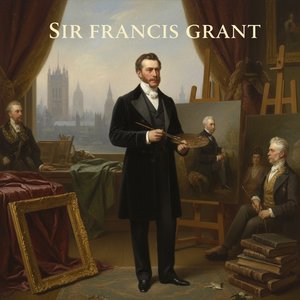
Sir Francis Grant: Portraiture, Patronage & Victorian Society
Explore the life & work of Sir Francis Grant, a leading Victorian portraitist. Discover his aristocratic clientele, role at the Royal Academy, and enduring artistic legacy. Learn about art patronage in 19th-century Britain.

Sir Alfred James Munnings: Top 25 Děl Mistra Koní – Umění a Dekorace pro Vaši Sbírku
Prozkoumejte 25 ikonických obrazů Alfreda Jamese Munnings, mistra koní a anglického impresionismu. Obdivujte realistické krajinomalby, jezdecké scény a válečné obrazy. Reprodukce a luxusní dekorace na OriginalUniqueArt.com! Prohlédněte si celou sbírku online.
Sir Joshua Reynolds: 25 mistrovských děl a inspirace pro váš interiér | OriginalUniqueArt.com
Objevte 25 ikonických portrétů sira Joshuy Reynoldse! Prozkoumejte klasicistní umění, techniku malby a inspirativní příběhy za jeho mistrovskými díly. Luxusní reprodukce obrazů pro váš interiér na OriginalUniqueArt.com.

