
 Náhled
 Sdílet
 Sdílet
 Podrobnosti o díle

 Stáhnout
 Podobné položky
 Rentgenové snímky
 Slideshow
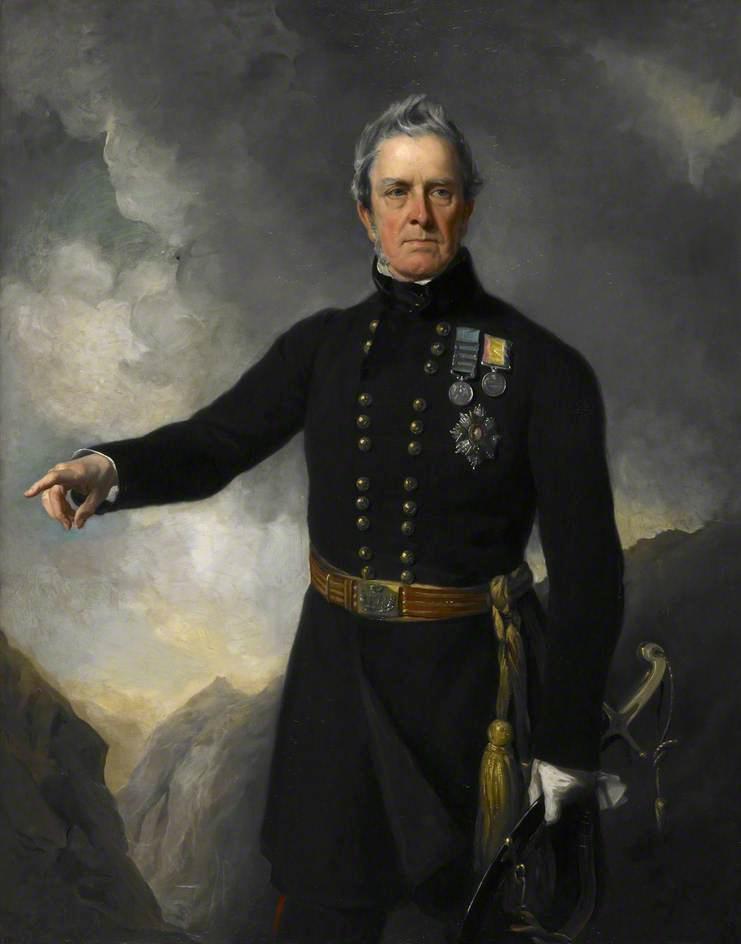
Lieutenant General Sir George Pollock


 Zobrazit více
Koupě vysoce rozlišeného, vylepšeného digitálního obrazu, který je mnohem kvalitnější než online náhled.
Každý soubor je pečlivě připraven našimi odborníky pomocí pokročilých nástrojů a expertní manuální retuše. Zajišťujeme, aby každý obraz disponoval výjimečnou ostrostí, přesnou barevnou věrností a jemnými detaily.
Finální soubor vám bude do 72 hodin zaslán e-mailem, optimalizovaný pro okamžité použití v profesionálním, redakčním i tiskovém prostředí. Nabízíme stejnou kvalitu, které důvěřují špičková designová studia, nakladatelství i galerie.
Digitální obrazy
Stáhněte si soubor ve vysokém rozlišení pro osobní prohlížení, tisk a kreativní projekty. ( Koupit tisk Koupit ručně malovaný obraz)
Součást každé objednávky digitálního obrazu
Profesionální digitální doručení, zaručeno.
Když si vyberete OriginalUniqueArt.com, nezískáváte pouze obrázek – získáváte digitální umělecké dílo s profesionálně vylepšenými detaily, zpracované s precizností a podpořené zárukou za spokojenost. Zde je vše, co vaše objednávka automaticky obsahuje:

Rychlé doručení e-mailem
Váš digitální obraz ve vysokém rozlišení vám bude zaslán e-mailem do 72 hodin od objednávky – připraven k okamžitému použití.

Digitální soubor s využitím AI
Vaše umělecké dílo je profesionálně optimalizováno pomocí pokročilých nástrojů umělé inteligence a manuální úpravy, což zajišťuje maximální úroveň detailu, ostrosti a přesnosti barev.

Bezplatné doživotní znovuodeslání
Soubor jste omylem smazali nebo ztratili? Žádný problém – kdykoliv vám ho znovu zašleme zcela zdarma.

Bez poplatků za dovoz – navždy
Užijte si své umělecké dílo okamžitě bez celních poplatků, daní nebo nákladů na dopravu – digitální stažení je vždy bez daňových povinností.

Záruka přesnosti barev
Pomocí profesionálních nástrojů a správy barev zajišťujeme, aby váš digitální obraz odrážel původní barvy co nejvěrněji.

60denní záruka spokojenosti
Pokud nebudete s digitální fotografií spokojeni, provedeme její revizi nebo vám vrátíme 100% během 60 dnů – bez jakýchkoliv dotazů.

100% záruka vrácení peněz
Nespokojeni? Získejte plnou částku zpět do 60 dní od přijetí vašeho digitálního souboru – bez jakýchkoliv dotazů.

Slevy při hromadných objednávkách
Koupěte si 3 obrazy, ušetřete 10% - Koupěte si 5, ušetřete 15% - Koupěte si 10+, ušetřete 20%. Ideální pro kreativní projekty, galerie a agentury.
A Portrait of Command: Sir Francis Grant’s Reverent Depiction of Lieutenant General Sir George Pollock
Sir Francis Grant's “Lieutenant General Sir George Pollock,” painted in 1856, stands as a testament to the Victorian obsession with formal portraiture and the meticulous observation of academic art. More than just a likeness, it’s an embodiment of military prestige and aristocratic dignity—a scene meticulously crafted to convey both visual splendor and profound symbolic resonance.
- Subject Matter & Context: The artwork portrays Lieutenant General Sir George Pollock (1786–1872), a celebrated British soldier who achieved renown for his leadership during the Napoleonic Wars, specifically his decisive role in securing the Battle of Waterloo. Grant’s depiction captures Pollock at the height of his career, reflecting the societal values of the time—honor, duty, and unwavering loyalty to the Crown.
- Composition & Technique: Employing a classic three-quarter pose against a subtly blurred landscape backdrop, Grant utilizes a pyramidal composition that directs the viewer’s gaze towards Pollock's face. The artist skillfully blends muted browns and blacks with delicate touches of gold—primarily in the medals adorning Pollock’s uniform—creating depth and highlighting his status. Oil paint on canvas allows for nuanced tonal gradations and textural detail, achieved through meticulous layering and blending.
- Color Palette & Lighting: The subdued color palette reinforces the solemn mood of the portrait. Dark hues dominate, emphasizing seriousness and conveying a sense of gravitas. Diffused lighting illuminates Pollock’s face and upper torso, casting shadows that accentuate his musculature and contribute to the overall dramatic effect. This careful manipulation of light underscores Grant's mastery of artistic realism.
- Symbolism & Emotional Impact: The prominent medals serve as potent symbols of Pollock’s military achievements—visual representations of bravery and victory. Furthermore, Grant subtly conveys Pollock’s inner fortitude through his posture and gaze, suggesting confidence and unwavering resolve. The landscape background evokes memories of Waterloo campaigns, hinting at the challenges faced by Britain's military elite.
- Style & Artistic Merit: “Lieutenant General Sir George Pollock” exemplifies the stylistic conventions of academic painting—characterized by precise anatomical accuracy and adherence to established compositional principles. Grant’s meticulous attention to detail elevates the artwork beyond mere representation, transforming it into a powerful statement about Victorian ideals of leadership and honor.
This reproduction captures not only the visual beauty of Grant's masterpiece but also its enduring significance as an emblem of British military history and artistic excellence. It’s ideal for discerning collectors and interior designers seeking to infuse their spaces with a touch of Victorian grandeur.
Biografie umělce
Sir Francis Grant PRA (1803 - 1878): Celebrated Scottish Portrait & Sporting Painter and Royal Academy President
Sir Francis Grant, a name synonymous with refined portraiture and dedicated service to the British art establishment, emerged as one of the most sought-after artists of his era. Born in Edinburgh, Scotland, on January 18, 1803, into a landed family—the fourth son of Francis Grant, Laird of Kilgraston near Bridge of Earn—his early life foreshadowed a path diverging from conventional expectations. While initially inclined towards law, the irresistible allure of artistic expression swiftly superseded legal ambitions. Remarkably self-taught, Grant benefited from brief instruction under Alexander Nasmyth in Edinburgh, laying an initial foundation for his burgeoning talent. This formative period instilled within him a profound appreciation for observation and meticulous detail—qualities that would characterize his entire oeuvre.Early Artistic Explorations: Sporting Scenes and Initial Recognition
Grant’s artistic journey commenced with captivating depictions of rural life – sporting scenes that captured the dynamism and spirit of fox-hunting and other pursuits popular amongst the British aristocracy. His debut painting, *Melton Breakfast* (1834), immediately garnered acclaim for its masterful composition and nuanced portrayal of light and texture. This artwork showcased Grant’s burgeoning skill in conveying atmosphere and capturing the essence of his subjects—a hallmark that would persist throughout his career. However, it was through his marriage to Amelia Farquharson that Grant gained access to a privileged social circle centered around Melton Mowbray’s hunting society. Under the tutelage of John Ferneley, a celebrated equestrian artist, he honed his technique specifically for portraying horses and hounds—subjects that would initially define his artistic reputation and solidify his position as a prominent figure in Victorian art.The Rise of Portraiture: Capturing Character and Status
Grant’s artistic evolution wasn't merely a stylistic shift; it represented a deliberate redirection towards portraiture – an endeavor where he excelled at capturing not just physical likeness but also the inner character and social standing of his sitters. This skill proved invaluable in an era deeply invested in establishing prestige and projecting image—a preoccupation that resonated powerfully with Grant’s sensibilities. Commissions poured in from influential members of British society, including Queen Victoria herself – a moment that elevated Grant to the pinnacle of artistic achievement and cemented his legacy as one of the foremost portraitists of his time. His portrayal of Lady Glenlyon (1842) stands as a watershed illustration, demonstrating Grant’s ability to infuse his canvases with psychological depth and conveying an impression of grace and refinement. He skillfully blended Neoclassical elegance with subtle Romantic influences—a stylistic fusion that distinguished him from many contemporaries.Royal Patronage and Artistic Influence
Grant's unwavering dedication to artistic excellence was recognized by the Royal Academy, where he served as president for nearly four decades – a testament to his respected standing within the art world and his profound contribution to British cultural heritage. During his presidency, Grant championed innovative approaches to artistic presentation—introducing the groundbreaking practice of major loan exhibitions that expanded the Academy’s reach and fostering greater engagement with the public. He wasn't merely upholding tradition; he actively sought to broaden horizons and elevate standards within the realm of art. Furthermore, Grant’s influence extended beyond his own work, inspiring artists such as Martin Archer Shee and Solomon Alexander Hart—demonstrating the ripple effect of artistic vision across generations.A Legacy Enduring Through Art: Notable Works and Lasting Significance
Grant's artistic output spanned a remarkable breadth of subjects – encompassing equestrian portraits of Queen Victoria alongside depictions of aristocratic families and political figures. His paintings are housed in collections worldwide, including the Walker Art Gallery in Liverpool—a tangible reminder of his enduring legacy as a master artist. Through his canvases, Grant offers an unparalleled glimpse into Victorian society—capturing not only visual splendor but also the social dynamics and intellectual currents that shaped the era. He remains a pivotal figure in British art history – a skilled portraitist, a visionary leader, and a chronicler of his time. His work continues to fascinate audiences today, prompting contemplation on beauty, character, and the enduring power of artistic expression. Grant’s meticulous attention to detail and masterful use of light—traits evident throughout his oeuvre—solidify his place as one of Scotland's most celebrated artists.
Sir Francis Grant
1803 - 1878 , Spojené království
Stručné informace
- Artistic Movement Or Style: Neoclassical, Romanticism
- Artists Or Movements Influenced By This Artist:
- Martin Archer Shee
- Solomon Hart
- Artists Who Influenced This Artist:
- Alexander Nasmyth
- John Ferneley
- Date Of Birth: 18 Jan. 1803
- Date Of Death: 5 Oct. 1878
- Full Name: Sir Francis Grant
- Nationality: Scottish
- Notable Artworks:
- Melton Breakfast
- Lady Glenlyon
- Queen Victoria Riding
- Place Of Birth: Edinburgh, UK

