

 Náhled
 Sdílet
 Sdílet
 Podrobnosti o díle

 Stáhnout
 Podobné položky
 Rentgenové snímky
 Slideshow
John William Spencer Brownlow Egerton Cust
 Oil On Canvas
- WallArt
 1863
1863 122.0 x 98.0 cm
 Belton House
 Zobrazit více
Giclée / Umělecký tisk
Giclée nebo plátěný tisk muzeální kvality s rychlou výrobou a flexibilními možnostmi povrchové úpravy. ( Koupit ručně malovaný obraz Koupit obrázek)




P118B $10

P118H $10

P118W $10

P438Z $10

P508JH $12

P508YH $12

P805H $10

P805Z $10

P919BZ $10

P919G $10

P919XJ $10

P959ZH $10

P968JZ $12

W106C $8

W218G $10

W218JH $8

W218Y $10

W307PJ $10

W316G $10

W316PJ $8

W316Y $10

W398PJ $8

W4111J $10

W500HY $15

W500JH $15

W692G $12

W849H $8

W940BG $15

W953PJ $8




Vyberte si z našich přednastavených velikostí, které odpovídají původním proporcím díla.

Můžete zadat vlastní rozměry tak, aby výtvor odpovídal konkrétnímu rámu nebo prostoru. Pokud zvolená velikost nebude odpovídat poměru stran původního obrazu, dílo buď ořížeme, nebo obraz rozšíříme pomocí zrcadlového efektu či jednobarevného okraje. Před zahájením výroby vám bude zaslán digitální náhled k schválení.
Mějte prosím na paměti, že náhled na obrazovce neodráží skutečné oříznutí nebo rozšíření. Pouze digitální náhled přesně zobrazí finální kompozici.
Ačkoliv jsou k dispozici i vlastní rozměry, pro zachování původních proporcí doporučujeme vybrat si rozměr z předdefinovaného seznamu.
Celosvětové doručení () do 2 týdnů namísto standardních 4/5 týdnů. (20 srpen)

Zdarma celosvětová expresní doprava

Vysoce kvalitní lněné plátno

Kompletní přepravní pojištění

Záruka vrácení celního poplatku

Záruka přesného barevného shodu

60denní lhůta pro vrácení zboží (pouze při vadách výroby)

100% garance vrácení peněz

Sleva při hromadné objednávce
 Skleněná varianta je dostupná pouze u rozměrů menších než 110 cm

John William Spencer Brownlow Egerton Cust
Giclée / Umělecký tisk
Rozměry reprodukce
-


Celková cena za výběr
$ 80
Popis sběratelského kousku
A Portrait of Dignified Grace: Examining Francis Grant’s John William Spencer Brownlow Egerton Cust
The painting “John William Spencer Brownlow Egerton Cust,” executed by Sir Francis Grant in 1863, stands as a testament to Victorian portraiture—a genre characterized by meticulous detail and an unwavering commitment to capturing the essence of its subject. Measuring 122 x 98 cm and housed at Belton House in Grantham, Lincolnshire, this oil on canvas masterpiece offers more than just a likeness; it presents a carefully constructed tableau reflecting the social standing and inner composure of its sitter, John William Spencer Brownlow Egerton Cust, the second Earl Brownlow. Grant’s artistic approach exemplifies the prevailing stylistic conventions of his time—a realism tempered by an idealized vision of beauty and nobility. He skillfully employs chiaroscuro, manipulating light and shadow to sculpt the figure of Cust against a richly textured backdrop. The artist's attention to anatomical precision is evident in the musculature of Cust’s dog companion, mirroring Grant’s dedication to capturing natural forms with remarkable accuracy. Furthermore, the subtle brushstrokes contribute to an overall sense of depth and atmosphere, immersing the viewer within the confines of Belton House’s stately interior. The painting's historical context illuminates the broader cultural landscape of Victorian Britain—a period obsessed with documenting aristocratic lineage and upholding social decorum. Cust himself was a prominent politician, representing Derbyshire South from 1852 to 1863, embodying the virtues expected of an educated gentleman engaged in public service. Grant’s portrayal underscores this societal preoccupation, presenting Cust as a man of quiet dignity and unwavering self-assurance—a figure destined for remembrance within the annals of British history. Beyond its formal qualities lies a deeper symbolic resonance. The inclusion of the dog – likely a Great Dane or St Bernard – serves not merely as an accessory but as a deliberate emblem of loyalty and companionship, mirroring Cust’s personal life and reflecting Victorian ideals of domestic tranquility. Similarly, the tiger stripe carpet beneath the pair speaks to grandeur and status—a visual shorthand for conveying the Earl's elevated position within British society. Grant’s masterful use of color reinforces these themes, employing muted hues that convey serenity and sophistication. Ultimately, “John William Spencer Brownlow Egerton Cust” transcends mere representation; it aspires to evoke emotion. The gaze of Cust directs squarely at the viewer, fostering a connection between subject and observer—a hallmark of Victorian portraiture’s ambition to capture not just appearance but also character. Grant's ability to convey stillness and contemplation invites viewers to contemplate the complexities of human experience, cementing this painting’s place as an enduring symbol of Victorian refinement and artistic excellence.Biografie umělce
Sir Francis Grant PRA (1803 - 1878): Celebrated Scottish Portrait & Sporting Painter and Royal Academy President
Sir Francis Grant, a name synonymous with refined portraiture and dedicated service to the British art establishment, emerged as one of the most sought-after artists of his era. Born in Edinburgh, Scotland, on January 18, 1803, into a landed family—the fourth son of Francis Grant, Laird of Kilgraston near Bridge of Earn—his early life foreshadowed a path diverging from conventional expectations. While initially inclined towards law, the irresistible allure of artistic expression swiftly superseded legal ambitions. Remarkably self-taught, Grant benefited from brief instruction under Alexander Nasmyth in Edinburgh, laying an initial foundation for his burgeoning talent. This formative period instilled within him a profound appreciation for observation and meticulous detail—qualities that would characterize his entire oeuvre.Early Artistic Explorations: Sporting Scenes and Initial Recognition
Grant’s artistic journey commenced with captivating depictions of rural life – sporting scenes that captured the dynamism and spirit of fox-hunting and other pursuits popular amongst the British aristocracy. His debut painting, *Melton Breakfast* (1834), immediately garnered acclaim for its masterful composition and nuanced portrayal of light and texture. This artwork showcased Grant’s burgeoning skill in conveying atmosphere and capturing the essence of his subjects—a hallmark that would persist throughout his career. However, it was through his marriage to Amelia Farquharson that Grant gained access to a privileged social circle centered around Melton Mowbray’s hunting society. Under the tutelage of John Ferneley, a celebrated equestrian artist, he honed his technique specifically for portraying horses and hounds—subjects that would initially define his artistic reputation and solidify his position as a prominent figure in Victorian art.The Rise of Portraiture: Capturing Character and Status
Grant’s artistic evolution wasn't merely a stylistic shift; it represented a deliberate redirection towards portraiture – an endeavor where he excelled at capturing not just physical likeness but also the inner character and social standing of his sitters. This skill proved invaluable in an era deeply invested in establishing prestige and projecting image—a preoccupation that resonated powerfully with Grant’s sensibilities. Commissions poured in from influential members of British society, including Queen Victoria herself – a moment that elevated Grant to the pinnacle of artistic achievement and cemented his legacy as one of the foremost portraitists of his time. His portrayal of Lady Glenlyon (1842) stands as a watershed illustration, demonstrating Grant’s ability to infuse his canvases with psychological depth and conveying an impression of grace and refinement. He skillfully blended Neoclassical elegance with subtle Romantic influences—a stylistic fusion that distinguished him from many contemporaries.Royal Patronage and Artistic Influence
Grant's unwavering dedication to artistic excellence was recognized by the Royal Academy, where he served as president for nearly four decades – a testament to his respected standing within the art world and his profound contribution to British cultural heritage. During his presidency, Grant championed innovative approaches to artistic presentation—introducing the groundbreaking practice of major loan exhibitions that expanded the Academy’s reach and fostering greater engagement with the public. He wasn't merely upholding tradition; he actively sought to broaden horizons and elevate standards within the realm of art. Furthermore, Grant’s influence extended beyond his own work, inspiring artists such as Martin Archer Shee and Solomon Alexander Hart—demonstrating the ripple effect of artistic vision across generations.A Legacy Enduring Through Art: Notable Works and Lasting Significance
Grant's artistic output spanned a remarkable breadth of subjects – encompassing equestrian portraits of Queen Victoria alongside depictions of aristocratic families and political figures. His paintings are housed in collections worldwide, including the Walker Art Gallery in Liverpool—a tangible reminder of his enduring legacy as a master artist. Through his canvases, Grant offers an unparalleled glimpse into Victorian society—capturing not only visual splendor but also the social dynamics and intellectual currents that shaped the era. He remains a pivotal figure in British art history – a skilled portraitist, a visionary leader, and a chronicler of his time. His work continues to fascinate audiences today, prompting contemplation on beauty, character, and the enduring power of artistic expression. Grant’s meticulous attention to detail and masterful use of light—traits evident throughout his oeuvre—solidify his place as one of Scotland's most celebrated artists.
Sir Francis Grant
1803 - 1878 , Spojené království
Rychlé fakta
- Artistic Movement Or Style: Neoclassical, Romanticism
- Artists Or Movements Influenced By This Artist:
- Martin Archer Shee
- Solomon Hart
- Artists Who Influenced This Artist:
- Alexander Nasmyth
- John Ferneley
- Date Of Birth: 18 Jan. 1803
- Date Of Death: 5 Oct. 1878
- Full Name: Sir Francis Grant
- Nationality: Scottish
- Notable Artworks:
- Melton Breakfast
- Lady Glenlyon
- Queen Victoria Riding
- Place Of Birth: Edinburgh, UK
Související články

William Brassey Hole: A Victorian Master of Narrative Watercolour & Scottish Life
Explore the captivating paintings of William Brassey Hole, a Victorian master renowned for his dramatic biblical scenes, Scottish landscapes & industrial life. Discover his technique and lasting legacy.
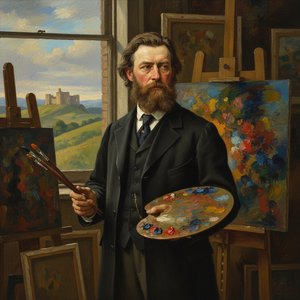
George Paul Chalmers: Rediscovering the Angus Rembrandt & Scottish Colourist Roots
Explore the captivating world of George Paul Chalmers (1833-1878), a pivotal Scottish painter. Discover his landscapes, portraits & connection to the Aesthetic Movement and Colourists. Learn about this 'Angus Rembrandt's' legacy with OriginalUniqueArt.
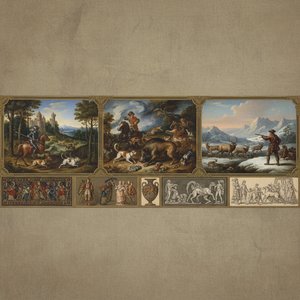
The Pursuit of Power & Prestige: Hunting Scenes in Western Art
Explore the rich history of hunting scenes in Western art, from royal pursuits to powerful allegories. Discover masterpieces & expert insights for discerning collectors. OriginalUniqueArt offers museum-quality reproductions.
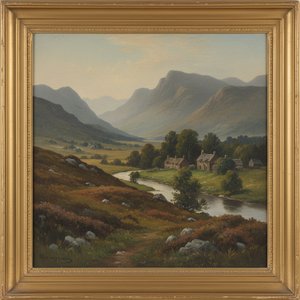
Sir John Watson Gordon: A Study in Scottish Landscape Painting & Tonal Impressionism
Explore the captivating portraits of Sir John Watson Gordon, a leading Scottish master. Discover his evolution from neoclassical style to atmospheric Tonalism and influence on 19th-century British art. Learn about his iconic sitters & legacy.
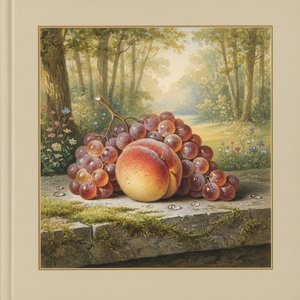
William Henry Hunt: Luminosity & Detail in Early 19th-Century Watercolour Painting
Explore the captivating watercolour paintings of William Henry Hunt (1790-1864). Discover his mastery of naturalistic detail, luminous technique & influence on 19th-century art. Learn about collecting Hunt's work and its enduring value.



