
 Náhled v interiéru
 Sdílet
 Sdílet
 Podrobnosti o díle
 Průvodce

 Stáhnout
 Podobné položky
 Rentgenové snímky
 Slideshow
 Otázky a odpovědi
 Statistiky
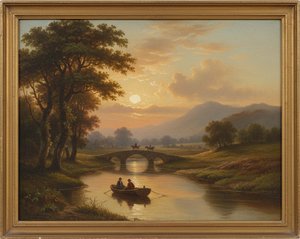
On the Tiber

- 89.0 x 119.0 cm


 Zobrazit více
Giclée / Umělecký tisk
Giclée nebo plátěný tisk muzeální kvality s rychlou výrobou a širokou nabídkou povrchových úprav. ( Koupit ručně malovaný obraz Přepnout na digitální obraz)




P118B Kč10

P118H Kč10

P118W Kč10

P438Z Kč10

P508JH Kč12

P508YH Kč12

P805H Kč10

P805Z Kč10

P919BZ Kč10

P919G Kč10

P919XJ Kč10

P959ZH Kč10

P968JZ Kč12

W106C Kč8

W218G Kč10

W218JH Kč8

W218Y Kč10

W307PJ Kč10

W316G Kč10

W316PJ Kč8

W316Y Kč10

W398PJ Kč8

W4111J Kč10

W500HY Kč15

W500JH Kč15

W692G Kč12

W849H Kč8

W940BG Kč15

W953PJ Kč8




Vyberte si z našich přednastavených velikostí, které odpovídají původním proporcím díla.

Zadejte šířku a výšku, které potřebujete pro váš rám nebo stěnu. Tisk lze pouze oříznout, nikdy však nelze zvětšit obraz nad jeho původní rozměr, proto při výběru jiného formátu dochází ke ztrátě části obrazu. Před samotným tiskem vám zašleme digitální náhled k schválení. Obraz zobrazený na této stránce nenabízí skutečný výřez — ten uvidíte pouze v náhledu.
Celosvětové doručení () do 2 týdnů namísto standardních 4/5 týdnů. (6 listopad)

Zdarma celosvětová expresní doprava

Vysoce kvalitní lněné plátno

Kompletní pojištění přepravy

Záruka vrácení celního poplatku

Záruka věrného barevného souladu

100dení lhůta pro vrácení zboží (pouze při vadách výroby)

100% záruka vrácení peněz

Sleva při více objednávkách
 Skleněná varianta je dostupná pouze u rozměrů menších než 110 cm

On the Tiber
Giclée / Umělecký tisk
Rozměry reprodukce
-


Celková cena za vybrané možnosti reprodukcí
Kč 1765
On the Tiber – A Tranquil Reflection of Victorian England
Sir Augustus Wall Callcott’s “On the Tiber,” completed in 1840, transcends mere landscape painting; it embodies a profound yearning for serenity and represents a quintessential snapshot of Victorian Britain. Housed at The Mercer Art Gallery in Harrogate, this oil on canvas masterpiece—measuring 89 x 119 cm—captures a scene bathed in diffused sunlight overlooking the Tiber River, offering viewers an immersive experience into a bygone era.
Artistic Elements and Style: Callcott’s masterful approach to composition prioritizes harmony and depth. The artist skillfully employs color palettes dominated by muted blues and greens, mirroring the tranquil waters of the river and the verdant foliage surrounding it. Delicate brushstrokes contribute to a velvety texture that enhances the painting's visual appeal. Furthermore, the inclusion of figures—likely observing the picturesque vista—adds a human element, subtly animating the stillness of the landscape.
- Color Palette: Predominantly blues and greens convey calmness and natural beauty.
- Brushwork: Soft, blended strokes create texture and depth, enhancing realism.
- Composition: Balanced arrangement emphasizes tranquility and invites contemplation.
Historical Context: Created during the Victorian period—a time marked by social reform and artistic innovation—Callcott’s work reflects the prevailing fascination with idealized landscapes as expressions of moral virtue and spiritual solace. The painting aligns perfectly with the Romantic movement's emphasis on emotion and imagination, capturing a moment of sublime beauty.
Symbolism: Beyond its aesthetic qualities, “On the Tiber” carries symbolic resonance. The river itself represents fluidity and renewal, symbolizing passage into a new phase of life. The statues adorning the riverside suggest permanence and grandeur—a reminder of Britain’s rich history and cultural heritage. The birds soaring overhead symbolize freedom and aspiration.
Emotional Impact: Viewing “On the Tiber” evokes feelings of peace, contemplation, and nostalgia for a simpler time. Its luminous quality transports viewers to a sunlit riverside scene, fostering an appreciation for natural beauty and artistic craftsmanship. It’s a piece that speaks to the human desire for respite from the complexities of modern life.
Further Exploration: To delve deeper into Callcott's oeuvre and The Mercer Art Gallery’s impressive collection, visit /art/list/?Filter=AQRRWA-Sir-Augustus-Wall-Callcott-On-the-Tiber and /art/list/?Filter=A@D3CCMT-Discovering-the-Masterpieces-of-The-Mercer-Art-Gallery-Harrogate-United-Kin... Also, consider examining Callcott’s other celebrated works like “Dutch River Scene” ( /art/list/?Filter=AQRRUQ-Sir-Augustus-Wall-Callcott-Dutch-River-Scene) and “Staithes” ( /art/list/?Filter=AQU7H4-Robert-Ernest-Roe-Staithes), showcased at The Mercer Art Gallery alongside works by William Shackleton and Robert Ernest Roe.
Otázky a odpovědi
Jakou atmosféru do interiéru přináší „On the Tiber“ od Sir Augustus Wall Callcott?
Serene atmosféra díla „On the Tiber“ od Sir Augustus Wall Callcott skvěle ladí s doporučeným prostorem: jako Living Room.
Jakým způsobem „On the Tiber“ od Sir Augustus Wall Callcott propojuje Romantic Landscape s rodnou zemí umělce?
Dílo „On the Tiber“ vytvořil/a Sir Augustus Wall Callcott, narozený/á v Spojené království, v rámci směru Romantic Landscape. Původ umělce/umělkyně propojuje toto dílo s Romantic Landscape, jak jej praktikují umělci z Spojené království.
Patří dílo „On the Tiber“ mezi slavná děl směru Romantic Landscape?
Dílo „On the Tiber“ od Sir Augustus Wall Callcott je klasifikováno jako Recognized a patří k享有 směru Romantic Landscape.
Biografie umělce
Sir Augustus Wall Callcott (1779–1844) – A Pioneer of Romantic Landscape Painting
Augustus Wall Callcott (1779–1844) stands as a pivotal figure in the history of British landscape painting, embodying the spirit of Romanticism and establishing himself as one of its foremost practitioners. Born at Kensington Gravel Pits, Middlesex—now part of London—Callcott’s early life was shaped by musical inclinations; his elder brother, John Wall Callcott (1766–1821), a celebrated composer and organist, instilled in him a lifelong passion for music, which manifested in performances with Westminster Abbey choir. This formative experience profoundly influenced his artistic sensibilities, fostering an appreciation for harmony and visual elegance that would permeate his oeuvre.Early Artistic Training and Influences
Following the footsteps of his brother, Callcott pursued formal training at the Royal Academy Schools, where he honed his skills under John Hoppner, a fellow Academician renowned for his portraiture prowess. However, Callcott swiftly transitioned away from portraiture towards landscape painting—a decision that would define his artistic trajectory and solidify his reputation as a master of atmospheric perspective and tonal subtlety. His formative years were marked by exposure to the works of Claude Lorrain and Nicolas Poussin—artists who championed idealized landscapes infused with mythological narratives—influences that instilled in him a belief in the transformative power of art and its ability to convey profound emotional resonance.The Rise of Romantic Landscape Style
Callcott’s artistic breakthrough arrived in 1804, coinciding with his election as an Associate Academician. From this moment onward, he exclusively devoted himself to landscape painting, eschewing portraiture altogether—a deliberate choice that reflected the prevailing aesthetic trends of the era and distinguished him from contemporaries like Turner. His canvases captured the grandeur of British riversides and coastlines with remarkable precision and sensitivity, employing a technique characterized by luminous color palettes and meticulous attention to detail. Unlike Turner’s dramatic explorations of light and shadow, Callcott favored a more restrained approach—one that prioritized tranquility and harmony while simultaneously conveying an awareness of the sublime beauty inherent in nature.Notable Works and Recognition
Callcott's artistic achievements garnered considerable acclaim during his lifetime, securing him commissions from wealthy patrons and establishing him as a favorite among connoisseurs. Among his most celebrated paintings are *The Entrance to the Pool of London* (1816), *The Mouth of the Tyne* (1818), and *A Dead Calm on the Medway* (1820)—works that exemplify his mastery of tonal gradation and atmospheric rendering—as well as *Rochester* (1824) – a monumental depiction of Rochester Cathedral reflecting Callcott’s fascination with Gothic architecture. His artistic reputation extended beyond Britain, attracting admiration from artists across Europe who recognized the elegance and sincerity of his vision. Furthermore, he was awarded knighthood in 1837 by Queen Victoria—a testament to his enduring contribution to British art history.Legacy and Artistic Significance
Augustus Wall Callcott’s legacy resides not merely in his impressive artistic output but also in his role as a champion of Romantic landscape painting—a genre that profoundly shaped the visual culture of Victorian England. His unwavering commitment to capturing the beauty of the natural world, combined with his refined artistic style and profound understanding of tonal harmony, cemented his place among the most influential painters of his time. Callcott’s work continues to inspire artists today, serving as a reminder of the enduring power of art to evoke emotion and convey sublime grandeur—a testament to his enduring contribution to British artistic heritage.
Sir Augustus Wall Callcott
1779 - 1844 , Spojené království
Rychlé informace o umělci
- Artistic Movement Or Style: Romantic Landscape Painting
- Artists Or Movements Influenced By This Artist: ['Turner']
- Artists Who Influenced This Artist: ['John Hoppner']
- Date Of Birth: 20 Feb. 1779
- Date Of Death: 25 Nov. 1844
- Full Name: Augustus Wall Callcott
- Nationality: British
- Notable Artworks:
- The Entrance to the Pool of London
- The Mouth of the Tyne
- A Dead Calm on the Medway
- Rochester
- Raffaelle and the Fornarina
- Place Of Birth: Kensington, United Kingdom
Související články
Sir Augustus Wall Callcott: A Life Painted with Light & Atmosphere
Explore the life & art of Sir Augustus Wall Callcott, a celebrated British landscape painter known for his serene scenes and elegant compositions. Discover his Romantic influences & lasting legacy at OriginalUniqueArt.

Romantická krajina v malbě: 10 mistrovských děl, které definovaly umělecký proud | OriginalUniqueArt
Prozkoumejte 10 ikonických děl romantické krajinářské malby! Objevte příběhy Caspara Davida Friedricha, Turnera a dalších mistrů. Reprodukce obrazů nejvyšší kvality pro váš interiér na OriginalUniqueArt.com.

Sir Alfred James Munnings: Top 25 Děl Mistra Koní – Umění a Dekorace pro Vaši Sbírku
Prozkoumejte 25 ikonických obrazů Alfreda Jamese Munnings, mistra koní a anglického impresionismu. Obdivujte realistické krajinomalby, jezdecké scény a válečné obrazy. Reprodukce a luxusní dekorace na OriginalUniqueArt.com! Prohlédněte si celou sbírku online.

Sir Joshua Reynolds: 25 mistrovských děl a inspirace pro váš interiér | OriginalUniqueArt.com
Objevte 25 ikonických portrétů sira Joshuy Reynoldse! Prozkoumejte klasicistní umění, techniku malby a inspirativní příběhy za jeho mistrovskými díly. Luxusní reprodukce obrazů pro váš interiér na OriginalUniqueArt.com.

John Constable: 25 mistrovských děl krajinářské poezie | OriginalUniqueArt.com
Prozkoumejte 25 ikonických děl Johna Constabla, mistra anglického krajinářství a romantismu. Obdivujte jeho olejomalby, plátna s venkovskou atmosférou a inspirujte se pro dekoraci interiéru. Reprodukce obrazů nejvyšší kvality na OriginalUniqueArt.com
