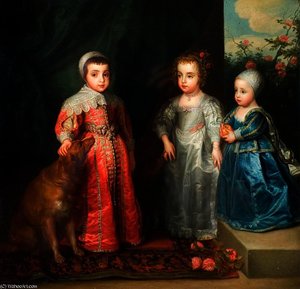
Náhled v interiéru
 Sdílet
 Sdílet
 Podrobnosti o díle
 Průvodce

 Stáhnout
 Podobné položky
 Rentgenové snímky
 Slideshow
 Otázky a odpovědi
 Statistiky
Francis Junius (1591–1677)

- 25.0 x 22.0 cm


 Zobrazit více
Giclée / Umělecký tisk
Giclée nebo plátěný tisk muzeální kvality s rychlou výrobou a širokou nabídkou povrchových úprav. ( Koupit ručně malovaný obraz Přepnout na digitální obraz)




P118B Kč10

P118H Kč10

P118W Kč10

P438Z Kč10

P508JH Kč12

P508YH Kč12

P805H Kč10

P805Z Kč10

P919BZ Kč10

P919G Kč10

P919XJ Kč10

P959ZH Kč10

P968JZ Kč12

W106C Kč8

W218G Kč10

W218JH Kč8

W218Y Kč10

W307PJ Kč10

W316G Kč10

W316PJ Kč8

W316Y Kč10

W398PJ Kč8

W4111J Kč10

W500HY Kč15

W500JH Kč15

W692G Kč12

W849H Kč8

W940BG Kč15

W953PJ Kč8




Vyberte si z našich přednastavených velikostí, které odpovídají původním proporcím díla.

Zadejte šířku a výšku, které potřebujete pro váš rám nebo stěnu. Tisk lze pouze oříznout, nikdy však nelze zvětšit obraz nad jeho původní rozměr, proto při výběru jiného formátu dochází ke ztrátě části obrazu. Před samotným tiskem vám zašleme digitální náhled k schválení. Obraz zobrazený na této stránce nenabízí skutečný výřez — ten uvidíte pouze v náhledu.
Celosvětové doručení () do 2 týdnů namísto standardních 4/5 týdnů. (3 listopad)

Zdarma celosvětová expresní doprava

Vysoce kvalitní lněné plátno

Kompletní pojištění přepravy

Záruka vrácení celního poplatku

Záruka věrného barevného souladu

100dení lhůta pro vrácení zboží (pouze při vadách výroby)

100% záruka vrácení peněz

Sleva při více objednávkách
 Skleněná varianta je dostupná pouze u rozměrů menších než 110 cm

Francis Junius (1591–1677)
Giclée / Umělecký tisk
Rozměry reprodukce
-


Celková cena za vybrané možnosti reprodukcí
Kč 1766
A Portrait of Contemplation: Francis Junius by Sir Anthony van Dyck
Sir Anthony van Dyck’s “Francis Junius (1591–1677)” is more than just a portrait; it's a carefully constructed tableau of intellect, serenity, and the quiet dignity of scholarly life. Painted in 1640, during his influential years at the English court, this work offers a rare glimpse into the mind of a man deeply engaged with the classical world – Francis Junius, a pioneering German philologist whose meticulous study of ancient texts laid the groundwork for modern linguistic scholarship. Van Dyck, already establishing himself as a master of aristocratic portraiture, here demonstrates his remarkable ability to capture not just physical likeness but also the very essence of character.
The painting immediately draws the eye to Junius’s face – a study in thoughtful repose. His long hair, meticulously rendered with a subtle blend of light and shadow, frames a countenance marked by seriousness and perhaps even a hint of melancholy. The beard, equally detailed, adds to his air of learned wisdom. Van Dyck's mastery of chiaroscuro is evident here; the soft illumination highlights Junius’s features while subtly receding into the background, creating a sense of depth and drawing the viewer into his gaze. His hands, clasped together in front of him, speak volumes – not of grand gestures or outward expression, but of inner contemplation, suggesting a man lost in thought, absorbed in the complexities of language and history.
The Setting: A Window to Knowledge
Beyond Junius’s figure lies a carefully orchestrated backdrop that reinforces his intellectual pursuits. An open window reveals a sky – not a dramatic, tempestuous one, but a muted, atmospheric vista. This isn't merely decorative; it subtly symbolizes the vastness of knowledge and the connection between the individual scholar and the wider world of ideas. The inclusion of two books—one positioned near the bottom left corner, the other towards the top right—is particularly significant. These aren’t simply props; they are emblems of Junius’s profession – a testament to his dedication to textual analysis and historical research. The placement suggests a deliberate act of engagement with these works, a constant dialogue between the scholar and his subject.
Van Dyck's choice of composition is deliberately restrained. The figures are positioned centrally within the frame, creating a sense of balance and formality. The lack of excessive ornamentation—no elaborate clothing or opulent furnishings—further emphasizes Junius’s intellectual stature. The overall effect is one of understated elegance and quiet sophistication – hallmarks of Van Dyck's style.
A Master at Work: Van Dyck’s Technique and Context
“Francis Junius” exemplifies van Dyck’s evolving artistic approach during his time in England. While he continued to employ the rich, velvety textures characteristic of his earlier Flemish work, there is a noticeable shift towards greater naturalism and a more nuanced understanding of human expression. His brushwork becomes looser, allowing for subtle gradations of tone and color – a departure from the smoother, more polished surfaces favored by some of his contemporaries. This reflects a growing interest in capturing not just the appearance but also the inner life of his subjects.
Painted in 1640, this portrait emerges during a period of significant cultural exchange between England and continental Europe. Van Dyck’s presence at the English court was instrumental in shaping the development of portraiture in Britain, introducing new techniques and stylistic influences. Junius himself represents a vital link between classical scholarship and the burgeoning intellectual landscape of the 17th century. His work, particularly his editions of ancient texts, profoundly impacted the study of language and literature, establishing him as a towering figure in the history of philology.
A Timeless Reflection: Reproduction and Artistic Legacy
OriginalUniqueArt is proud to offer a meticulously hand-painted reproduction of “Francis Junius” by Sir Anthony van Dyck. Our artists recreate the painting’s subtle nuances, capturing the depth of its emotional resonance and the exquisite detail of Van Dyck's technique. This reproduction serves not only as a beautiful work of art but also as a window into a fascinating period of intellectual history – a testament to the enduring power of scholarship and the artistry of one of Europe’s greatest portraitists.
Whether displayed in a study, a library, or a sophisticated interior space, “Francis Junius” will undoubtedly serve as a captivating focal point, inviting contemplation and sparking conversation. It's an investment in both artistic beauty and intellectual heritage – a piece that speaks to the enduring value of knowledge, wisdom, and the human spirit.
Otázky a odpovědi
Jaká technika byla u díla "Francis Junius (1591–1677)" použita a v jakém roce vzniklo?
Technikou díla „Francis Junius (1591–1677)“ od Antonin van Dyck je Acrylic On Canvas a dílo pochází z roku 1640.
Jakou náladu vyjadřuje „Francis Junius (1591–1677)“ od Antonin van Dyck v rámci směru Baroque Portraiture?
„Francis Junius (1591–1677)“ vyzařuje Reflective emocionální nádech v rámci směru Baroque Portraiture.
Mohu využít rozšířenou realitu k tomu, abych si prohlédl(a) „Francis Junius (1591–1677)“ od Antonin van Dyck ve své místnosti?
Dílo „Francis Junius (1591–1677)“ nabízí náhled v rozšířené realitě: na stránce Náhled v rozšířené realitě si jej můžete prohlédnout ve vlastním prostoru pomocí kompatibilního zařízení.
Biografie umělce
A Flemish Master at the Courts of Europe
Sir Anthony van Dyck, narozen v Antverpách v roce 1599, se stal jedním z nejvýznamnějších a nejpůsobivějších portrétistů barokní éry. Jeho život, i když tragicky ukončený ve věku pouhých čtyřiceti let, byl chaotickou cestou uměleckého prozkoumávání a prestižními zakázkami, které ho zvedly z rodné Flandry do Itálie a nakonec k srdci anglické královské návštěvy. Od raného dětství projevoval van Dyck mimořádný talent, vstoupil do dílny Hendricka van Balena jako mladý učně a rychle absorboval převládající styly doby. Nicméně jeho spojení s Petrem Paulem Rubensovem – ne jen jako student, ale i jako spolupracovník – skutečně utvářilo jeho umělecké základy. Naučil se od Rubense dynamické kompozice, bohaté barevné palety a mistrné zacházení se světlem a stínem, přesto van Dyck brzy začal formovat svůj vlastní, odlišný směr, charakterizovaný elegancí a rafinovaností, které měly stát za jeho podpis.Italské Pobyty a Zrození Stylu
Roky, které van Dyck strávil v Itálii, zahájené kolem roku 1621, byly klíčové pro jeho umělecký rozvoj. Pobořoval se především v Genově, kde si našel přízeň mezi aristokratickými rodinami města. Zde začal kultivovat sofistikovaný styl, pro který měl být znám – styl vyznačující se grácií póz, luxusními látkami a téměř hmatatelným pocitem noblesy. Na rozdíl od robustní energie často nalezené v dílech Rubense vyzařují van Dyckovy italské portréty rafinovanou klidnost, zachycující nejen fyzické podobnosti, ale také vnitřní charakter a společenskou pozici svých modelů. Během této doby se také pustil do *Iconografie*, série pečlivě vyobrazených portrétních rytin, které zobrazovaly prominentní postavy jeho doby – umělce, učenců a panovníků. Tento projekt ukázal jeho výjimečnou technickou zručnost a etabloval ho jako vedoucího rytáře. Tyto rytiny nebyly jen záznamy; byly pečlivě konstruované obrazy navržené k immortalizaci subjektů a vyjadřování jejich postavení a intelektu.Královský Malíř: Van Dyck v Anglii
V roce 1632 obdržel van Dyck pozvání, které navždy změnilo jeho kariérní směr – výzvu od Karla I. z Anglie státního malíře. Tato jmenovitost znamenala zvrat, ne jen pro van Dycka, ale také pro anglickou malířství. Přijel do Londýna s významnou pověstí a rychle se stal neocenitelným pro krále, byl pověřen vytvářením obrazů, které vyzařovaly atmosféru moci, majestátu a božského práva. Portréty Karla I. jsou zvláště pozoruhodné; van Dyck se odklonil od tuhých, formálních reprezentací preferovaných předchozími umělci, místo toho portrétoval krále jako dynamického, charismatického vůdce. Používal inovativní techniky – dramatické osvětlení, rozsáhlé gesta a pečlivě vybrané pozadí – k vytvoření obrazů, které byly vizuálně úžasné i politicky nabité. Jeho vliv se rozšířil za královskou rodinu a formoval vizuální kulturu anglického aristokracie po generace. Nevytvořil jen portréty; vytvořil obraz královské moci, který ovlivnil vnímání panovníků po více než století. Nedotkl se ani náhodou jeho nejlepších portrétů.Dědictví a Trvalý Vliv
Nečekaná smrt van Dycka v roce 1641 poznamenala umělecké svět, ale jeho dědictví přetrvává dodnes. Jeho dopad na anglické portrétnictví je nezměřitelný; stanovil standard elegance a rafinovanosti, kterému se následovníci snažili napodobit.- Technická inovace: Byl mistrem v malířství olejem i rytině, neustále experimentoval s novými technikami.
- Stylistická rafinovanost: Jeho portréty jsou charakterizovány grácií póz, luxusními látkami a jemnými psychologickými poznatky.
- Královský vliv: Přetvořil obraz anglické královské návštěvy, vytvořením vizuálního jazyka moci a prestiže.
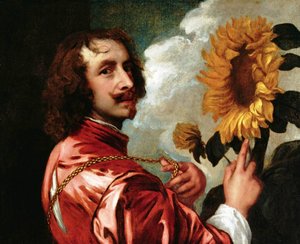
Antonin van Dyck
1599 - 1641 , Belgie
Rychlé informace o umělci
- Artistic Movement Or Style: Baroko
- Artists Or Movements Influenced By This Artist: ['Anglická malba']
- Artists Who Influenced This Artist: ['Rubensov']
- Date Of Birth: 22. března 1599
- Date Of Death: 9. prosince 1641
- Full Name: Sir Anthony van Dyck
- Nationality: Vlámský
- Notable Artworks:
- Portrét Mary Hill
- Equestr. portr. Karla I.
- Lord John Stuart
- Place Of Birth: Antverpy, Belgie
Související články

Francis Bacon: Top 25 děl mistra expresionismu pro váš interiér | OriginalUniqueArt.com
Prozkoumejte top 25 děl Francis Bacona – mistra expresionismu. Objevíte jeho portréty, triptychy a emotivní malbu plnou temných barev. Reprodukce obrazů pro luxusní dekoraci interiéru na OriginalUniqueArt.com. Prohlédněte si celou kolekci online!
Sir Anthony van Dyck: Courtly Portraiture & the Shaping of Baroque Identity
Explore the life & legacy of Sir Anthony van Dyck, the leading court painter of his era. Discover his innovative portraiture, Baroque masterpieces, and investment potential for discerning collectors. Learn more at OriginalUniqueArt.

Rembrandt van Rijn: Top 25 mistrovských děl pro váš interiér | OriginalUniqueArt.cz
Prozkoumejte 25 nejlepších děl Rembrandta van Rijna – od portrétů po biblické scény. Objevte příběhy, techniky a inspiraci nizozemského baroka. Reprodukce obrazů pro váš interiér na OriginalUniqueArt.cz.
Umění 17. století: Top 10 děl a jejich příběhy | OriginalUniqueArt.cz
Prozkoumejte 10 ikonických děl umění 17. století – od Rembrandta po Vermeera! Objevte příběhy, techniky a barokní krásu těchto mistrovských kousků. Reprodukce obrazů nejvyšší kvality na OriginalUniqueArt.com.
The Grandeur of Baroque Portraiture: Power, Emotion & Artistic Innovation
Explore the grandeur of Baroque portraiture! Discover Rubens, Van Dyck & the masters of 17th-century art. Uncover symbolism, techniques & lasting influence. Expert insights for collectors and enthusiasts.