Náhled v interiéru
 Sdílet
 Sdílet
 Podrobnosti o díle
 Průvodce

 Stáhnout
 Podobné položky
 Rentgenové snímky
 Slideshow
 Q&A
Q&A Statistiky
Orvieto Polyptych (detail)
 Tempera On Panel
- WallArt
- Late Gothic
 1321
1321- Late Medieval
 94.0 x 48.0 cm
 Museo dell'Opera del Duomo
 Zobrazit více
Giclée / Umělecký tisk
Giclée nebo plátěný tisk muzeální kvality s rychlou výrobou a širokou nabídkou povrchových úprav. ( Koupit ručně malovaný obraz Přepnout na digitální obraz)




P118B Kč10

P118H Kč10

P118W Kč10

P438Z Kč10

P508JH Kč12

P508YH Kč12

P805H Kč10

P805Z Kč10

P919BZ Kč10

P919G Kč10

P919XJ Kč10

P959ZH Kč10

P968JZ Kč12

W106C Kč8

W218G Kč10

W218JH Kč8

W218Y Kč10

W307PJ Kč10

W316G Kč10

W316PJ Kč8

W316Y Kč10

W398PJ Kč8

W4111J Kč10

W500HY Kč15

W500JH Kč15

W692G Kč12

W849H Kč8

W940BG Kč15

W953PJ Kč8




Vyberte si z našich přednastavených velikostí, které odpovídají původním proporcím díla.

Zadejte šířku a výšku, které potřebujete pro váš rám nebo stěnu. Tisk lze pouze oříznout, nikdy však nelze zvětšit obraz nad jeho původní rozměr, proto při výběru jiného formátu dochází ke ztrátě části obrazu. Před samotným tiskem vám zašleme digitální náhled k schválení. Obraz zobrazený na této stránce nenabízí skutečný výřez — ten uvidíte pouze v náhledu.
Celosvětové doručení () do 2 týdnů namísto standardních 4/5 týdnů. (28 říjen)

Zdarma celosvětová expresní doprava

Vysoce kvalitní lněné plátno

Kompletní pojištění přepravy

Záruka vrácení celního poplatku

Záruka věrného barevného souladu

100dení lhůta pro vrácení zboží (pouze při vadách výroby)

100% záruka vrácení peněz

Sleva při více objednávkách
 Skleněná varianta je dostupná pouze u rozměrů menších než 110 cm

Orvieto Polyptych (detail)
Giclée / Umělecký tisk
Rozměry reprodukce
-


Celková cena za vybrané možnosti reprodukcí
Kč 1723
A Fragment of Divine Grace: The Ethereal World of Simone Martini
To gaze upon this exquisite detail from the Orvieto Polyptych is to step through a veil into the luminous heart of the fourteenth century. Painted in 1321, this fragment serves as an intimate window into the Sienese Gothic masterwork, capturing a moment of profound spiritual stillness. The subject—a figure draped in rich, crimson robes—transports the viewer to an era where art was not merely decoration but a bridge between the earthly and the divine. There is a haunting beauty in her downward gaze, a quietude that speaks of deep contemplation and the weight of sacred devotion. For the discerning collector or designer, this piece offers more than just visual splendor; it provides a soulful anchor, bringing a sense of historical depth and meditative peace to any curated space.
The technical mastery displayed in this work is nothing short of breathtaking. Simone Martini, a titan of the Sienese school, utilized a tempera-on-wood panel method that allowed for an unparalleled level of refinement. By painstakingly layering translucent glazes over meticulous underpaintings, Martini achieved an ethereal luminosity that seems to glow from within the wood itself. This technique creates a velvety surface texture, where the deep reds of the robes possess a tactile richness, and the subtle play of light across the fabric mimics the soft flicker of candlelight in a cathedral. Such precision and delicate handling of color make this reproduction a magnificent centerpiece for those who appreciate the fine nuances of classical craftsmanship.
Symbolism and the Sienese Spirit
Beyond its aesthetic allure, every element of this composition is steeped in the complex symbolism of the Middle Ages. The woman, often identified as Mary Magdalene, carries the weight of her narrative through her attire and posture. Her crimson robe is a powerful signifier, representing both royalty and the purity of a repentant soul—attributes deeply intertwined with the iconography of the Virgin Mother. As she holds an illuminated manuscript, the painting underscores the era's reverence for divine revelation and the pursuit of sacred knowledge. The presence of secondary figures in the background adds a layer of narrative complexity, suggesting a larger, communal moment of religious significance that invites the viewer to contemplate their own place within a grander historical tapestry.
This artwork emerged from a period of immense artistic innovation in Siena, a city-state that rivaled Florence in its cultural and economic vitality. Martini’s ability to blend the courtly elegance of the International Gothic style with a burgeoning sense of human emotion marks this piece as a pivotal moment in art history. For an interior setting, such a work acts as a conversation piece, evoking the sophisticated atmosphere of a Renaissance study or a grand, classical gallery. It is a celebration of Sienese grace—a legacy of beauty that continues to inspire awe and provide a timeless sense of elegance to the modern collector.
Otázky a odpovědi
Pod jakými dalšími jmény je Simone Martini známý/á?
Simone Martini se vystupuje även pod alternativními jmény Simone di Martino, Martini.
V jakém roce vzniklo dílo "Orvieto Polyptych (detail)"?
Dílo "Orvieto Polyptych (detail)" pochází z roku 1321. Toto datum situuje dílo do období tvůrčí činnosti Simone Martini i do jeho dobové kontextu.
Jakou velikost tisku pro "Orvieto Polyptych (detail)" bych si měl(a) zvolit pro svou místnost?
Pro místnost typu Living Room doporučujeme pro dílo „Orvieto Polyptych (detail)“ tisk v rozměru Medium.
Biografie umělce
A Sienese Master of Elegance and Grace
Simone Martini, born around 1284 in the heart of Siena, Italy, stands as a pivotal figure in the transition from medieval to Renaissance art. He wasn’t merely a painter; he was an architect of elegance, a master of line and color who infused his works with a courtly refinement that distinguished him from contemporaries like Giotto. While historical accounts vary regarding his early training—some suggest apprenticeship under Duccio di Buoninsegna, the leading Sienese artist of the time, while others point to Florence and the influence of Giotto—Martini undeniably forged a unique artistic path. His brother-in-law, Lippo Memmi, was also an artist with whom he frequently collaborated, further enriching the vibrant artistic landscape of Siena. The city itself played a crucial role in shaping Martini’s aesthetic; Siena, a thriving center of commerce and culture, fostered an environment where art flourished, blending religious devotion with worldly sophistication.
The Flourishing of International Gothic
Martini's style is immediately recognizable for its departure from the more monumental forms favored in Florence. He embraced a delicate sensibility, characterized by flowing lines, soft decorative details, and an overall sense of grace. This aesthetic wasn’t born in isolation; it was profoundly influenced by external forces. The Via Francigena, a major pilgrimage route traversing Europe, brought with it artistic currents from France—particularly the refined elegance of French manuscript illumination and ivory carving. These influences are readily apparent in Martini's work, manifesting as intricate patterns, elongated figures, and a heightened attention to surface ornamentation. He didn’t simply copy these styles; he synthesized them with existing Sienese traditions, creating something entirely new. His paintings weren’t merely representations of religious scenes but rather elegant narratives imbued with emotional depth and visual poetry.
From Siena to Avignon: A Courtly Appointment
Martini's reputation extended beyond the borders of Italy, leading to a significant turning point in his career. In 1336, he accepted a commission from Pope Benedict XII to create frescoes for the Papal Palace in Avignon, France—a move that placed him at the heart of European power and patronage. This appointment wasn’t merely about artistic skill; it was a testament to Martini's ability to cater to the tastes of a sophisticated courtly audience. While in Avignon, he entered into a remarkable intellectual circle, befriending Francesco Petrarca—better known as Petrarch, the renowned humanist poet. The connection with Petrarch is particularly poignant, as Vasari and other sources suggest that Martini painted a portrait of Laura de Noves, Petrarch’s lifelong muse. Though the portrait itself is lost to time, its very existence speaks volumes about Martini's status as a celebrated artist capable of capturing not only physical likeness but also the essence of beauty and inspiration. The Annunciation with St. Margaret and St. Ansanus, created during his time in Florence before moving to Avignon, is a testament to this period, showcasing delicate beauty and refined aesthetic.
Major Works and Techniques
Martini’s artistic output spanned a wide range of subjects and formats, reflecting his versatility and mastery of technique. His most celebrated works include the *Maestà* fresco in the Palazzo Pubblico, Siena—a monumental depiction of the Virgin Mary with the Child and a host of saints that exemplifies the International Gothic style; the *Annunciation* triptych for the Siena Cathedral, renowned for its exquisite detail and emotional intensity; and the equestrian portrait of Guidoriccio da Fogliano, a powerful symbol of Sienese civic pride. Martini’s technical skill was equally impressive, characterized by his mastery of color, line, and perspective—elements that he skillfully combined to create works of breathtaking beauty and visual impact. His use of gold leaf, vibrant pigments, and intricate decorative details contributed significantly to the opulent and luxurious aesthetic of his paintings.
Legacy and Enduring Influence
Simone Martini’s impact on the development of European art cannot be overstated. He played a crucial role in disseminating the International Gothic style—a movement characterized by its elegance, refinement, and emphasis on decorative detail—across the continent. His influence extended to generations of artists who followed, shaping the course of late medieval and early Renaissance painting. Martini’s work wasn’t simply about technical skill; it was about creating a visual language that resonated with the sensibilities of his time—a language of beauty, grace, and spiritual devotion. Even today, his paintings continue to captivate viewers with their exquisite detail, harmonious compositions, and enduring sense of elegance. His frescoes in San Francesco d’Assisi demonstrate his mastery of large-scale decorative painting, while works like the Saint Catherine of Alexandria Polyptych showcase his unparalleled command of color and form. Simone Martini died in Avignon in 1344, leaving behind a legacy that continues to inspire awe and admiration centuries later—a testament to the enduring power of art to transcend time and touch the human spirit.

Simone Martini
1284 - 1344 , Itálie
Rychlé informace o umělci
- Artistic Movement Or Style: Mezinárodní gotika
- Artists Or Movements Influenced By This Artist: ['Mezinárodní gotika']
- Artists Who Influenced This Artist:
- Duccio di Buoninsegna
- Giotto di Bondone
- Date Of Birth: c. 1284
- Date Of Death: 1344
- Full Name: Simone Martini
- Nationality: Italština
- Notable Artworks:
- Annunciace
- Maestà
- St. Louis
- Place Of Birth: Siena, Itálie
Související články
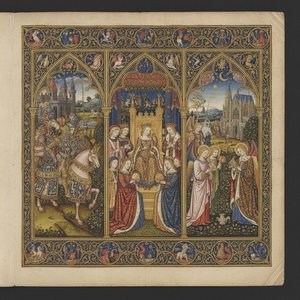
Beyond the Basics: The Bold Visual Impact and Courtly Splendor of International Gothic Art
Explore the breathtaking visual impact of International Gothic art. From Simone Martini’s elegance to courtly gold splendor, discover how this era bridged the Middle Ages and Renaissance with unmatched grace, detail, and emotional depth.

Simone Martini: Innovation, Spirituality & Courtly Refinement in Sienese Painting
Explore the captivating world of Simone Martini, a pivotal figure in Sienese painting & the International Gothic style. Discover his innovative techniques, spiritual depth, and lasting influence on early Renaissance art.

International Gothic Style: The Elegant Dawn of European Art History and the Transition to Renaissance Naturalism
Explore the elegance of International Gothic art. Discover how masters like Simone Martini bridged medieval symbolism and Renaissance naturalism through courtly grace, luminous gold, and intricate detail in this expert guide to European art history.

Gothic Vibes: From Dark Shadows to Bold Modern Edge | The Ultimate Trend Forecast
Explore the evolution of Gothic vibes, from historical shadows to bold modern edge. Discover how dark aesthetics, noir interiors, and contemporary subcultures are redefining modern design through a high-impact, trend-focused lens.

Crimson Threads of Narrative: Exploring Symbolism & Representation in Artworks Featuring the Red Dress
Explore the rich symbolism of the red dress in art history! From ancient power displays to iconic portraits like Cézanne’s 'Madame Cezanne', discover the cultural and artistic significance behind this captivating color. Expert analysis & insights.