Zobrazit v interiéru
 Odeslat
 Sdílet
 Podrobnosti
 Průvodce

 Stáhnout obrázek
 Podobné kousky
 Rentgenové snímky
 Slideshow
 Statistiky
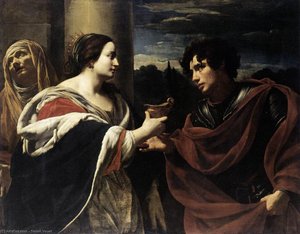
St Jerome and the Angel
 Oil On Canvas
- WallArt
- Baroque Painting
 1622
1622 145.0 x 180.0 cm
 Národní galerie umění
 Přečíst si více
Giclée / Umělecký tisk
Giclée nebo plátěný tisk muzeální kvality s rychlou výrobou a širokou nabídkou povrchových úprav. ( Objednat ručně malovanou reprodukci Přepnout na digitální verzi obrazu)




P118B Kč10

P118H Kč10

P118W Kč10

P438Z Kč10

P508JH Kč12

P508YH Kč12

P805H Kč10

P805Z Kč10

P919BZ Kč10

P919G Kč10

P919XJ Kč10

P959ZH Kč10

P968JZ Kč12

W106C Kč8

W218G Kč10

W218JH Kč8

W218Y Kč10

W307PJ Kč10

W316G Kč10

W316PJ Kč8

W316Y Kč10

W398PJ Kč8

W4111J Kč10

W500HY Kč15

W500JH Kč15

W692G Kč12

W849H Kč8

W940BG Kč15

W953PJ Kč8




Vyberte si z našich přednastavených velikostí, které odpovídají původním proporcím díla.

Zadejte šířku a výšku, které potřebujete pro váš rám nebo stěnu. Tisk lze pouze oříznout, nikdy však nelze zvětšit obraz nad jeho původní rozměr, proto při výběru jiného formátu dochází ke ztrátě části obrazu. Před samotným tiskem vám zašleme digitální náhled k schválení. Obraz zobrazený na této stránce nenabízí skutečný výřez — ten uvidíte pouze v náhledu.
Celosvětové doručení () do 2 týdnů namísto standardních 4/5 týdnů. (23 říjen)

Zdarma celosvětová expresní doprava

Vysoce kvalitní lněné plátno

Úplné pojištění přepravy

Záruka vrácení celního poplatku

Záruka věrného barevného shodu

100dení lhůta pro vrácení zboží (pouze při vadách výroby)

100% garance vrácení peněz

Sleva při více objednávkách
 Skleněná varianta je dostupná pouze u rozměrů menších než 110 cm

St Jerome and the Angel
Giclée / Umělecký tisk
Velikost reprodukce
-


Celková cena
Kč 1713
St Jerome and the Angel: A Dialogue of Faith and Light
Simon Vouet’s “St. Jerome and the Angel,” painted in 1622, is more than just a depiction of a biblical scene; it's a carefully constructed meditation on divine guidance, spiritual contemplation, and the interplay between earthly and celestial realms. This masterful work, housed within the National Gallery of Art in Washington D.C., exemplifies the burgeoning Baroque style’s embrace of dramatic lighting, nuanced emotion, and a heightened sense of realism that distinguished it from the preceding Mannerism. The painting immediately draws the viewer into a scene brimming with quiet intensity – a moment of profound communication between the venerable Saint Jerome, known for his dedication to prayer and translation of the Bible, and the radiant angel who appears before him.
Vouet’s technical prowess is evident in every brushstroke. He skillfully employs *chiaroscuro*, a technique borrowed from Caravaggio, to create a dramatic contrast between light and shadow. The angel, bathed in an ethereal glow, stands in sharp relief against the darker, more muted tones of Jerome's robe and the shadowed background. This deliberate use of light isn’t merely aesthetic; it serves to emphasize the angel’s divine presence and the transformative nature of his message. The composition is carefully balanced – Jerome, a figure of venerable age and contemplative posture, occupies the lower portion of the canvas, while the dynamic angel dominates the upper register, creating a visual hierarchy that underscores their roles in the narrative.
A Renaissance Vision with Baroque Flair
Painted during Vouet’s extended sojourn in Rome, “St. Jerome and the Angel” reflects the profound influence of Italian art on French painting at the time. Vouet had immersed himself in the works of masters like Caravaggio, Paolo Veronese, and the Carracci brothers, absorbing their techniques and philosophies. However, he didn’t simply mimic these artists; instead, he synthesized their innovations with his own distinctive style, creating a uniquely French interpretation of the Baroque aesthetic. The painting showcases a move away from the stylized poses and flattened perspectives of Mannerism towards a more naturalistic approach to form and space – a hallmark of the emerging Baroque style.
The historical context is crucial to understanding the work’s significance. The early 17th century was a period of intense religious fervor in Europe, fueled by the Counter-Reformation. Paintings like this one were often commissioned by the Catholic Church as didactic tools – intended to inspire piety and reinforce orthodox doctrine. The scene of St. Jerome receiving divine guidance speaks directly to this purpose, offering a visual representation of faith, humility, and the promise of salvation.
Symbolism and Emotional Resonance
Beyond its religious subject matter, “St. Jerome and the Angel” is rich in symbolic detail. The book held by Jerome represents his life’s work – the translation of the Bible into Latin. The angel's outstretched hand and pointing finger symbolize divine instruction and revelation. The cup at the center of the image may represent the Holy Spirit or a symbol of spiritual nourishment. Notably, the angel is depicted not as a majestic, imposing figure but as a youthful, almost mischievous presence – suggesting that divine guidance can be both challenging and joyful.
The emotional impact of the painting is profound. The quiet intensity of Jerome’s expression, combined with the radiant beauty of the angel, evokes a sense of reverence and wonder. The scene invites viewers to contemplate their own relationship with faith and the possibility of receiving divine guidance in their lives. It's a moment suspended in time – a dialogue between man and God, rendered with exquisite skill and profound sensitivity.
A Legacy of Light and Shadow
Simon Vouet’s “St. Jerome and the Angel” stands as a testament to his artistic genius and his pivotal role in shaping the course of French painting. It exemplifies the transition from Mannerism to Baroque, showcasing the innovative techniques and stylistic choices that defined this transformative period. Today, reproductions of this captivating work continue to inspire artists and collectors alike, offering a glimpse into a world where faith, beauty, and light converge in a timeless tableau.
Otázky a odpovědi
Z jaké země pochází dílo Baroque Painting s názvem "St Jerome and the Angel"?
Dílo v rámci směru Baroque Painting s názvem "St Jerome and the Angel" vytvořil umělec narozený v zemi Francie.
O jaký typ díla se jedná u „St Jerome and the Angel"]?
V katalogu je dílo „St Jerome and the Angel“ od Simon Vouet zařazeno do kategorie WallArt. Tato kategorie usnadňuje vyhledávání podobných děl.
Jaká je doporučená velikost tisku pro dílo „St Jerome and the Angel“ od Simon Vouet?
Doporučená velikost tisku pro dílo „St Jerome and the Angel“ od Simon Vouet je Medium.
Biografie umělce
Simon Vouet: Francouzský barokní malíř, který přinesl italskou vizi do Paříže
Simon Vouet, narozený 9. ledna roku 1590 v srdci Paříže a zemřelý 30. června roku 1649 na stejném místě, byl umělcem, jehož jméno se navždy zapsalo do dějin francouzského malířství. Jeho životní cesta byla plná cestování, učení a neustálého zdokonalování, což ho nakonec vyvrcholilo v pozici klíčové postavy přechodu od manierismu k baroku ve Francii. Pocházel z rodiny zasvěcené umění – jeho otec Laurent byl malíř a bratr Aubin se také vydal touto cestou – a již od mládí byl obklopen inspirací a podporou, které položily základy jeho budoucího úspěchu. Jeho vnuk Ludovico Dorigny pokračoval v rodinné umělecké tradici a upevnil tak Vouetovo dědictví.
Raná léta a italské vlivy: Cesta k mistrovství
Vouetova kariéra započala portrétováním, kde brzy prokázal svůj talent. Již ve čtrnácti letech se vydal do Anglie na zakázku, což svědčilo o jeho rostoucí pověsti. Následovala cesta přes Osmanskou říši a dále do Benátek v roce 1612, kde se setkal s bohatstvím uměleckých stylů a technik. Zlomovým okamžikem se stalo jeho dlouhé pobyt v Římě (1614-1627). Třináct let strávených v srdci italského renesančního a barokního umění bylo pro něj nesmírně důležité. Pohlcoval dramatické světelné efekty, které zavedl Caravaggio, přijímal prvky italského manierismu a s pečlivostí studoval barevná paleta a techniku di sotto in su (perspektiva zdola nahoru) používanou Paolem Veronesem. Inspiraci hledal také v dílech Carracciho, Guercina, Lanfranca a Guido Reniho, syntetizujíc tyto různorodé styly do jedinečné umělecké vize.
Vývoj charakteristického stylu: Od studenta k prezidentovi
Vouetova schopnost absorbovat a transformovat vlivy se projevila v jeho vlastním, rozpoznatelném stylu. V roce 1624 dosáhl vrcholu své slávy v Římě zvolením do prestižní Accademia di San Luca, což svědčilo o jeho umělecké zdatnosti a uznání v italském světě. Jeho návrat do Francie v roce 1627 znamenal začátek nové éry ve francouzském malířství. Jako Premier peintre du Roi (První malíř krále) se stal dominantní silou, vytvářející oltářní obrazy a alegorické výzdoby pro soukromé mecenáše. Jeho ateliér vychoval celou řadu talentovaných francouzských malířů příští generace, přičemž si i přes své barokní inspirace udržel jistou klasicistní zdrženlivost.
Dědictví a vliv: Formování francouzského baroka
Vouetův odkaz je pevně spjat s jeho klíčovou rolí jako mostu mezi italským a francouzským uměním. Úspěšně přenesl dynamiku a velkolepost italského baroka do Francie, čímž výrazně ovlivnil uměleckou krajinu země. Mezi jeho nejvýznamnější žáky patřili Charles Le Brun, který vytvořil všechny dekorativní malby ve Versailles, Valentin de Boulogne, jeden z hlavních francouzských karavaggistů, Pierre Mignard, Eustache Le Sueur a Claude Mellan. Jeho vliv je patrný v rozsáhlých dekorativních schématech objednaných Ludvíkem XIV., čímž upevnil svou pozici jedné z nejdůležitějších postav ve vývoji francouzského barokního malířství.
Závěr: Umělecký průkopník a tvůrce stylu
Simon Vouet nebyl jen talentovaným malířem, ale i uměleckým průkopníkem a tvůrcem stylu. Jeho schopnost kombinovat různorodé vlivy a přizpůsobit je francouzskému vkusu z něj učinila klíčovou postavu ve vývoji francouzského baroka. Dnes je jeho dílo obdivováno pro svou eleganci, dynamiku a hluboký smysl pro detail, což ho řadí mezi nejvýznamnější umělce 17. století.

Simon Vouet
1590 - 1649 , Francie
Rychlé informace
- Celé Jméno: Simon Vouet
- Datum Narození: 9. ledna 1590
- Datum Úmrtí: 30. června 1649
- Místo Narození: Paříž, Francie
- Národnost: Francouzská
- Umělci, Kteří Ovlivnili:
- Caravaggio
- Paolo Veronese
- Carracci
- Guercino
- Lanfranco
- Guido Reni
- Umělci/Směry Ovlivněni:
- Charles Le Brun
- Valentin de Boulogne
- Francouzské barokní malířství
- Umělecký Směr: Barokní malířství
- Významná Díla:
- Krucifixion (1622)
- Andělé nesoucí nástroje...
- Alegorie bohatství (1630/35)
- Uranie a Kaliope (1634)
- Venuše spící (1630/40)
Související články

Celestial Messengers: A Comprehensive Exploration of Angelic Representation in Art History
Explore the captivating history of angels in art! Discover symbolism, iconic Renaissance masterpieces & renowned artists. Expert insights for art lovers & collectors at OriginalUniqueArt.
Simon Vouet: A Baroque Master's Journey from Italian Influence to French Classicism
Explore the life & art of Simon Vouet, a pivotal French Baroque painter who introduced Italian styles to France. Discover his masterpieces and lasting influence on 17th-century art.

Barokní drama: Umění, které vnáší velkolepost do domova
Objevte velkolepost barokního stylu v interiéru! Průvodce klíčovými prvky, inspirace a tipy pro integraci do moderního bydlení. Reprodukce umění s .
Charles Le Brun: Master of French Baroque Classicism & His Enduring Legacy
Explore the life & art of Charles Le Brun, master of French Baroque Classicism. Discover his royal commissions, influence on Versailles, and enduring legacy through detailed analysis & stunning artworks.

Celestial Messengers: Angels in Painting – A Historical & Artistic Exploration
Explore the captivating history of angels in painting! Discover symbolism, iconic Renaissance & Byzantine masterpieces, and renowned artists. Expert insights for art lovers & collectors at OriginalUniqueArt.