

 Náhled
 Sdílet
 Sdílet
 Podrobnosti o díle

 Stáhnout
 Podobné položky
 Rentgenové snímky
 Slideshow
The Magic Crystal (Study: Male Figure)
 Oil On Canvas
- WallArt
- Baroque
 1878
1878- 19th Century
 32.0 x 18.0 cm
 Manchester Art Gallery
 Zobrazit více
Giclée / Umělecký tisk
Giclée nebo plátěný tisk muzeální kvality s rychlou výrobou a flexibilními možnostmi povrchové úpravy. ( Koupit ručně malovaný obraz Koupit obrázek)




P118B $10

P118H $10

P118W $10

P438Z $10

P508JH $12

P508YH $12

P805H $10

P805Z $10

P919BZ $10

P919G $10

P919XJ $10

P959ZH $10

P968JZ $12

W106C $8

W218G $10

W218JH $8

W218Y $10

W307PJ $10

W316G $10

W316PJ $8

W316Y $10

W398PJ $8

W4111J $10

W500HY $15

W500JH $15

W692G $12

W849H $8

W940BG $15

W953PJ $8




Vyberte si z našich přednastavených velikostí, které odpovídají původním proporcím díla.

Můžete zadat vlastní rozměry tak, aby výtvor odpovídal konkrétnímu rámu nebo prostoru. Pokud zvolená velikost nebude odpovídat poměru stran původního obrazu, dílo buď ořížeme, nebo obraz rozšíříme pomocí zrcadlového efektu či jednobarevného okraje. Před zahájením výroby vám bude zaslán digitální náhled k schválení.
Mějte prosím na paměti, že náhled na obrazovce neodráží skutečné oříznutí nebo rozšíření. Pouze digitální náhled přesně zobrazí finální kompozici.
Ačkoliv jsou k dispozici i vlastní rozměry, pro zachování původních proporcí doporučujeme vybrat si rozměr z předdefinovaného seznamu.
Celosvětové doručení () do 2 týdnů namísto standardních 4/5 týdnů. (25 srpen)

Zdarma celosvětová expresní doprava

Vysoce kvalitní lněné plátno

Kompletní přepravní pojištění

Záruka vrácení celního poplatku

Záruka přesného barevného shodu

60denní lhůta pro vrácení zboží (pouze při vadách výroby)

100% garance vrácení peněz

Sleva při hromadné objednávce
 Skleněná varianta je dostupná pouze u rozměrů menších než 110 cm

The Magic Crystal (Study: Male Figure)
Giclée / Umělecký tisk
Rozměry reprodukce
-


Celková cena za výběr
$ 80
Popis sběratelského kousku
The Magic Crystal (Study: Male Figure) – A Victorian Echo of Baroque Drama
Simeon Solomon’s “The Magic Crystal” stands as a haunting testament to the Pre-Raphaelite movement's fascination with biblical narratives and psychological exploration, achieved through masterful oil painting technique and imbued with profound symbolic resonance. Completed in 1878, this artwork transcends mere visual representation; it delves into themes of suffering, contemplation, and spiritual yearning—a characteristic preoccupation of Victorian artists grappling with anxieties surrounding faith and morality.- Subject Matter: The piece depicts a nude male figure – ostensibly an angel or saint – positioned against a dark, textured surface reminiscent of weathered stone or ancient wood. Beside him rests a small bowl and a crimson object—likely representing blood—underscoring the imagery’s solemnity and hinting at sacrifice. Above all, however, is a subtle depiction of a starry night sky, adding an element of ethereal beauty to the scene’s melancholic core.
- Style: Solomon's work firmly anchors itself within Baroque painting conventions. The dramatic chiaroscuro—the stark contrast between light and shadow—dominates the composition, channeling the theatrical grandeur favored by artists like Caravaggio. This stylistic choice isn’t merely decorative; it serves to heighten emotional intensity and draw the viewer’s gaze directly to the central figure’s torso, emphasizing his vulnerability and inner turmoil.
- Technique: Solomon employed impasto—thickly applied paint—to create a tactile surface that captures the texture of the stone-like background and contributes significantly to the artwork's overall mood. The artist meticulously layered pigments, achieving remarkable depth and volume through painstaking brushwork. This technique lends itself beautifully to capturing the subtle nuances of emotion and conveying a sense of palpable stillness.
- Historical Context: Created during Victorian England—a period marked by religious revivalism and societal anxieties regarding sexuality—the painting reflects broader cultural concerns about morality and spiritual redemption. Solomon’s exploration of biblical themes aligns with the Pre-Raphaelites' desire to recapture the expressive fervor of Renaissance art, rejecting academic conventions in favor of emotionally charged imagery.
- Symbolism: The bowl symbolizes sorrow or offering – perhaps representing a plea for divine compassion—while the crimson hue evokes pain and loss. Furthermore, the starry sky serves as a visual metaphor for transcendence and spiritual aspiration, mirroring the Pre-Raphaelites’ belief in the power of imagination to illuminate the mysteries of faith.
- Explore Simeon Solomon’s ‘The Magic Crystal,’ a haunting 1878 oil painting of a nude male figure in Baroque style. Discover its symbolism & rich textures – a Victorian masterpiece.
- The Magic Crystal (Study: Male Figure) | Art UK
- The Magic Crystal (Study: Male Figure), 1878 - Simeon Solomon
- Simeon Solomon
- Manchester Art Gallery Website: https://www.manchesterartgallery.org/
- Victoria and Albert Museum Collection: https://www.vam.ac.uk/
Biografie umělce
A Life Shrouded in Beauty and Scandal: The World of Simeon Solomon
Simeon Solomon, a name whispered with both reverence and regret within the annals of Victorian art, occupies a unique and often tragic position amongst the Pre-Raphaelites. Born in London in 1840 into a prominent Jewish family – the eighth and final child of merchant Michael (Meyer) Solomon and artist Catherine (Kate) Levy – his life was one of remarkable artistic promise tragically curtailed by societal prejudice and personal demons. Unlike many of his contemporaries who enjoyed long and celebrated careers, Solomon’s trajectory was abruptly altered by scandal, yet his work continues to captivate with its delicate beauty, evocative symbolism, and poignant exploration of themes often considered taboo for the era. He wasn't merely a painter; he was a cultural mirror reflecting the complexities of Victorian England, grappling with faith, desire, and identity in a rapidly changing world.Early Influences and Artistic Development
Solomon’s artistic education began within his own family circle. His mother possessed an amateur talent for miniature painting, while his elder siblings, Abraham and Rebecca Solomon, were both established artists exhibiting at the Royal Academy. It was from them, particularly his brother Abraham, that Simeon received his initial training, learning the fundamentals of draftsmanship and composition. He formally studied at Carey’s Art Academy in 1852 before entering the prestigious Royal Academy Schools in 1856. This period proved pivotal, as it introduced him to the burgeoning Pre-Raphaelite Brotherhood through Dante Gabriel Rossetti. The encounter with Rossetti, along with friendships forged with Edward Burne-Jones and Algernon Charles Swinburne, profoundly shaped Solomon’s artistic sensibilities. He embraced their commitment to detailed realism, vibrant color palettes, and a fascination with literature, mythology, and religious narratives. Early works like *Isaac Offered* (1858) demonstrate this initial influence, showcasing a meticulous attention to detail and a dramatic narrative style characteristic of the Pre-Raphaelites. However, Solomon quickly began to forge his own path, infusing his paintings with a distinctly personal vision.The Pre-Raphaelite Brotherhood and Artistic Exploration
Solomon’s involvement with Rossetti and Burne-Jones cemented his place within the influential Pre-Raphaelite Brotherhood. This group championed artistic ideals rooted in medieval art – rejecting academic conventions and prioritizing emotional sincerity and imaginative storytelling. The brotherhood's aesthetic principles profoundly impacted Solomon’s artistic practice, encouraging him to delve into biblical narratives and classical mythology with unparalleled sensitivity. He skillfully blended meticulous observation with lyrical expression, creating images imbued with spiritual depth and psychological nuance. His depictions of figures like Moses and Shadrach, Meshach, Abednego exemplify this approach, capturing both the grandeur of religious symbolism and the human experience of faith—often confronting uncomfortable truths about morality and societal expectations. Solomon’s artistic explorations extended beyond mere representation; he sought to convey profound emotions and ideas through carefully crafted compositions and luminous color palettes.Themes of Faith, Desire, and Identity – A Bold Vision
Solomon's artistic output was remarkably diverse, encompassing biblical scenes, classical mythology, and genre paintings depicting Jewish life and rituals. He found particular inspiration in the Hebrew Bible, creating works such as *Moses* (1860) and *Shadrach, Meshach, and Abednego* (1863), which resonated with his own cultural heritage. Yet, it was his exploration of classical themes that truly set him apart. Paintings like *In the Temple of Venus* (1863) and *Bacchus* (1867) reveal a fascination with sensuality and beauty, often imbued with an undercurrent of melancholy and longing. These works also hint at Solomon’s growing interest in same-sex desire, a theme he would explore more explicitly – and dangerously – throughout his career. His association with Algernon Charles Swinburne, whose poetry celebrated unconventional love and challenged Victorian morality, undoubtedly fueled this exploration. Solomon's art became a subtle yet powerful commentary on the constraints of Victorian society, hinting at hidden passions and unspoken desires. He was one of the first artists to openly depict homoerotic themes, albeit often veiled in classical allegory or biblical narrative.Scandal and Decline – A Tragic Interruption
The year 1873 marked a devastating turning point in Solomon’s life. His arrest in a public urinal for attempting to commit sodomy brought swift and brutal consequences. Though he received a relatively light fine, the scandal shattered his reputation and effectively ended his career as a publicly exhibited artist. A subsequent arrest in Paris in 1874 led to a three-month prison sentence. Shunned by much of the art establishment, Solomon descended into alcoholism and poverty. Despite these hardships, however, he continued to create art—albeit often under difficult circumstances—finding solace in his craft amidst personal turmoil. He spent time in the St Giles Workhouse, continuing to paint even amidst hardship. His death in 1905, resulting from complications related to alcoholism, went largely unnoticed by the wider public. Yet, Solomon’s legacy persists as a testament to artistic courage and a poignant reminder of the limitations imposed by societal prejudice—a figure whose work continues to inspire debate and admiration for its daring exploration of human emotion and desire. His story serves as a tragic illustration of how personal struggles can overshadow artistic achievement, leaving behind an enduring image of brilliance tragically curtailed.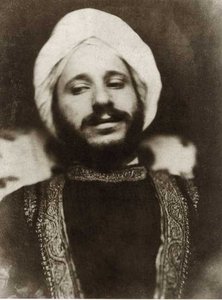
Simeon Solomon
1840 - 1905 , Spojené království
Rychlé fakta
- Artistic Movement Or Style: Pre-Raphaeliti
- Artists Who Influenced This Artist:
- Rossetti
- Burne-Jones
- Date Of Birth: 1840
- Date Of Death: 1905
- Full Name: Simeon Solomon
- Nationality: Britský
- Notable Artworks:
- Isaac Offered
- Moses
- Shadrach, Meshach...
- Bacchus
- Place Of Birth: Londýn, UK
Související články

Barokní drama: Umění, které vnáší velkolepost do domova
Objevte velkolepost barokního stylu v interiéru! Průvodce klíčovými prvky, inspirace a tipy pro integraci do moderního bydlení. Reprodukce umění s .

The Enduring Power of Painting: A Historical & Contemporary Exploration of Form and Emotion
Explore the rich history & enduring techniques of oil painting with OriginalUniqueArt. Discover masterpieces, learn about art collecting, and find authentic handmade reproductions crafted by skilled artists.

The Enduring Legacy of Oil on Canvas: Technique, History & Aesthetic Impact
Explore the rich history & techniques of oil painting – from Renaissance masters to Impressionism. Discover pigments, layering methods, and why this timeless medium endures. Expert insights for artists & art enthusiasts.

The Dramatic Flourish: Exploring the Baroque Movement's Enduring Legacy in Art History
Explore the dramatic world of Baroque art! Discover iconic artists like Caravaggio & Rubens, defining techniques, and its lasting impact on art history. Expert insights for collectors & enthusiasts at OriginalUniqueArt.

Barokní mistrovská díla: 10 obrazů, které definovaly umělecký styl | OriginalUniqueArt.cz
Objevte 10 ikonických děl barokního umění – od Caravaggia po Rembrandta. Ponořte se do příběhů mistrů, technik a emocí tohoto velkolepého období. Reprodukce obrazů nejvyšší kvality na OriginalUniqueArt.com! Prozkoumejte celou kolekci online.

