

 Náhled
 Sdílet
 Sdílet
 Podrobnosti o díle

 Stáhnout
 Podobné položky
 Rentgenové snímky
 Slideshow
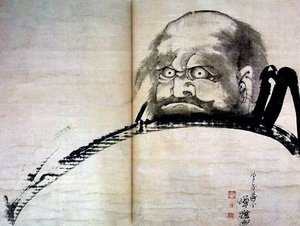
Shoki Ensnaring a Demon in a Spider Web
 Muromachi Period
 1700
1700- Pozdní středověk
 158.0 x 172.0 cm
 Kimbell Art Museum
 Zobrazit více
Ručně malovaná olejová reprodukce
Ručně malovaná olejná barva na plátně ve vašem zvoleném rozměru i s rámem, vyrobená našimi umělci na zakázku. ( Přepnout na tisk Přepnout na obrázek)




P118B $10

P118H $10

P118W $10

P438Z $10

P508JH $12

P508YH $12

P805H $10

P805Z $10

P919BZ $10

P919G $10

P919XJ $10

P959ZH $10

P968JZ $12

W106C $8

W218G $10

W218JH $8

W218Y $10

W307PJ $10

W316G $10

W316PJ $8

W316Y $10

W398PJ $8

W4111J $10

W500HY $15

W500JH $15

W692G $12

W849H $8

W940BG $15

W953PJ $8




Vyberte si z našich přednastavených velikostí, které odpovídají původním proporcím díla.

Můžete zadat vlastní rozměry pro konkrétní rám nebo prostor. Pokud se vámi vybraná velikost neshoduje s proporcemi původního obrazu, dílo buď ořízneme, nebo jej doplníme ručně malovanými prvky. Před zahájením výroby vám bude zaslán digitální náhled ke schválení.
Upozorňujeme, že náhled na obrazovce neodpovídá skutečnému ořezu ani rozšíření. Pouze digitální náhled přesně zobrazí finální kompozici.
Ačkoliv je možné zvolit vlastní velikost, pro zachování původních proporcí doporučujeme vybrat rozměr z předdefinovaného seznamu.
Po přijetí objednávky vám tým OriginalUniqueArt.com zašle e-mail s pokyny a poskytne náhledovou verzi.
Celosvětová doprava () za 3–4 týdny namísto standardních 5 týdnů. (10 srpen). Bez kompromisů v kvalitě.

Zdarma celosvětová expresní doprava

Vysoce kvalitní lněné plátno

Kompletní přepravní pojištění

Záruka vrácení celního poplatku

Záruka přesného barevného shodu

60denní lhůta pro vrácení zboží (pouze při vadách výroby)

100% garance vrácení peněz

Sleva při hromadné objednávce
 Skleněná varianta je dostupná pouze u rozměrů menších než 110 cm

Shoki Ensnaring a Demon in a Spider Web
Technika reprodukce
Rozměry reprodukce
-


Celková cena za výběr
$ 300
Popis díla
A Twisted Vision of Justice: Soga Shohaku’s “Shoki Ensnaring a Demon in a Spider Web”
Soga Shohaku's "Shoki Ensnaring a Demon in a Spider Web," painted around 1700, is not merely a depiction of a mythological scene; it’s a visceral exploration of morality, justice, and the unsettling beauty found within darkness. This arresting two-fold screen, now housed at the Kimbell Art Museum in Fort Worth, immediately commands attention with its dramatic composition and the artist's distinctive, almost jarring, Muromachi period brushwork – a style deliberately chosen to stand apart from the prevailing trends of his time.
At the heart of the image is Shoki (also known as Zhong Kui), a legendary Chinese hero who, unjustly denied a prestigious government post, took his own life in despair. Shohaku’s interpretation transforms this tragic tale into a potent symbol of retribution and protection. The demon-queller, rendered with an almost grotesque intensity, isn't simply a figure of righteous vengeance; he is actively trapping a shadowy form – the embodiment of evil – within a meticulously crafted spiderweb. This intricate web, rendered in bold, expressive strokes, becomes a metaphor for the delicate balance between order and chaos, good and evil.
The Echoes of Muromachi: Technique and Style
Shohaku’s artistic choices are profoundly rooted in the traditions of the Muromachi period (1336–1573), a time renowned for its unconventional approach to painting. While the Edo period (1603-1868) favored refined, often highly detailed, techniques influenced by Chinese art, Shohaku deliberately rejected this trend, embracing instead the looser, more expressive brushwork characteristic of his predecessors. This deliberate anachronism is key to understanding the work’s power; it suggests a conscious rebellion against artistic convention and a deep respect for a style considered outdated by many.
The painting's monochrome palette – primarily consisting of rich blacks and browns – further enhances its dramatic effect. Shohaku masterfully employs ink washes, layering them to create depth and texture. Notice the forceful, almost violent strokes used to define the demon’s form and the intricate details of the spiderweb. These aren’t delicate lines; they are imbued with a sense of urgency and determination, reflecting Shoki's relentless pursuit of justice.
Symbolism and Narrative Depth
Beyond the immediate depiction of the scene, “Shoki Ensnaring a Demon in a Spider Web” is rich in symbolic meaning. The spiderweb itself represents not just entrapment but also protection – safeguarding the realm from malevolent forces. The demon, often associated with chaos and destruction, is rendered as vulnerable and exposed, suggesting that even the most formidable evils can be overcome. The rope used to bind the demon symbolizes the chains of fate and the consequences of wrongdoing.
Furthermore, the inclusion of birds – perched on branches and seemingly observing the scene – adds another layer of interpretation. They could represent messengers of divine judgment or simply witnesses to this extraordinary event. The overall composition evokes a sense of timelessness, suggesting that the struggle between good and evil is an eternal one.
A Legacy of Unconventional Genius
Soga Shohaku’s legacy lies in his unwavering commitment to artistic individuality. He wasn't simply replicating established styles; he was forging his own path, drawing inspiration from a bygone era while imbuing his work with a uniquely modern sensibility. His paintings, particularly this powerful depiction of Shoki, continue to fascinate and challenge viewers today, reminding us that art can be both visually stunning and profoundly thought-provoking.
Reproductions of “Shoki Ensnaring a Demon in a Spider Web” offer a remarkable opportunity to bring this extraordinary artwork into your home or office. The dramatic composition and evocative symbolism will undoubtedly serve as a captivating focal point, sparking conversation and inviting contemplation on the enduring themes of justice, morality, and the eternal struggle between light and darkness.
Biografie umělce
life and artistic style
soga shōhaku, a japanese painter from the edo period (1730-1781), defied conventions with his unique brush style, reminiscent of the muromachi period, which was already 150 years out of vogue by the time of his birth. this distinctive approach set him apart from his contemporaries.notable works and their significance
* race at uji river (harvard art museums, cambridge, united states): this polychromatic screen, depicting a famous episode from the 14th-century war epic "the tale of the heike," showcases shōhaku's pictorial grotesquerie. it is a rare example of his work in full color. * the immortal li tieguai (128 x 28 cm, paper): this piece illustrates the story of one of the eight chinese immortals, li tieguai, and demonstrates shōhaku's ability to convey complex narratives through his art.artistic influences and legacy
* shōhaku's preference for the muromachi period's brush style reflects an aesthetic that was already passé by the time of his birth. this choice not only distinguishes him from his contemporaries but also highlights his unique artistic vision. * his monstrous depictions of prominent figures were extremely unusual compared to other painters of his time, further solidifying his position as an unconventional artist.explore more at OriginalUniqueArt
- discover soga shōhaku's works in the artist profile on OriginalUniqueArt.
- learn more about japanese art movements, including the bunjinga art movement, which influenced shōhaku's style.
- view other notable artists from the edo period in OriginalUniqueArt's extensive collection, including mori ransai.
conclusion
soga shōhaku's unorthodox approach to japanese painting during the edo period has left an indelible mark on art history. his unique style, characterized by monstrous depictions and a preference for outdated aesthetics, continues to fascinate art lovers today. explore his works and those of other influential artists at OriginalUniqueArt, the virtual museum for art aficionados. references:- soga shōhaku - artist profile, OriginalUniqueArt
- the bunjinga art movement, OriginalUniqueArt
- mori ransai - artist profile, OriginalUniqueArt
- ito jakuchu, known for his unique use of vegetables and plants in his art.
- kano einō, a prominent member of the preeminent kano family workshop.
soga shohaku
1730 - 1781 , Japan
Rychlé fakta
- Artistic Movement Or Style: Muromachi Style
- Artists Or Movements Influenced By This Artist: ['Bunjinga']
- Artists Who Influenced This Artist: ['Takada Keiho']
- Date Of Birth: Kyoto, Japan (1730)
- Full Name: Soga Shōhaku
- Nationality: Japanese
- Notable Artworks:
- Race at Uji River
- The Immortal Li Tieguai
- Place Of Birth: Kyoto
Související články

Katsushika Hokusai: 25 mistrovských děl japonského umění pro váš interiér | OriginalUniqueArt.com
Prozkoumejte 25 ikonických děl japonského mistra Katsushiky Hokusaiho! Objevte příběhy za Velkou vlnou, 36 pohledů na horu Fuji a další ukiyo-e tisků. Kvalitní reprodukce obrazů pro váš interiér na OriginalUniqueArt.com.

Timeless Elegance: Capturing the Spirit of Japanese Culture Through the Lens of Ukiyo-e Fine Art
Explore the profound beauty of Japanese Ukiyo-e art. Discover the legacy of Hokusai and the Utagawa school through an expert exploration of Edo-period aesthetics, seasonal motifs, and the enduring global influence of Japan's 'Floating World' on fine art history.
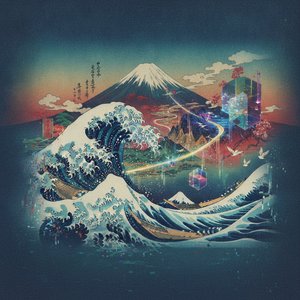
Beyond the Great Wave: The High-Impact Visual Revolution of Japanese Landscape Art
Go beyond Hokusai's Great Wave. Explore the high-impact, graphic world of Japanese Ukiyo-e landscapes and urban prints. Discover how these bold, vibrant woodblock masterpieces continue to shape modern pop culture and contemporary design aesthetics.
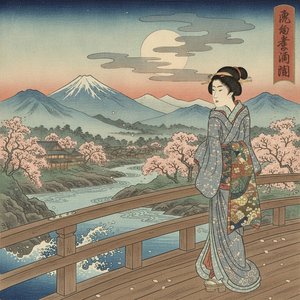
Ukiyo-e's Greatest Hits: 10 Masterpieces That Shaped a Movement | OriginalUniqueArt
Journey into Japan's 'Floating World'! Explore 10 Ukiyo-e masterpieces by Hokusai, Hiroshige & more. Discover the stories behind these iconic woodblock prints and bring timeless Japanese art to your home with OriginalUniqueArt.com. Explore the full collection online.

Timeless Beauty: Exploring the Iconic Artworks and Cultural Legacy of Japan's Edo Period
Embark on a cultural journey through Japan's Edo Period. Discover the profound beauty of Ukiyo-e masters like Kuniyoshi and Toshinobu, exploring the vibrant legacy of Kabuki and Sumo through an art-history lens for the true classic art enthusiast.

