

 Náhled v interiéru
 Sdílet
 Sdílet
 Podrobnosti o díle
 Průvodce

 Stáhnout
 Podobné položky
 Rentgenové snímky
 Slideshow
 Statistiky
Grass and Insects


 Zobrazit více
Giclée / Umělecký tisk
Giclée nebo plátěný tisk muzeální kvality s rychlou výrobou a širokou nabídkou povrchových úprav. ( Koupit ručně malovaný obraz Přepnout na digitální obraz)




P118B Kč10

P118H Kč10

P118W Kč10

P438Z Kč10

P508JH Kč12

P508YH Kč12

P805H Kč10

P805Z Kč10

P919BZ Kč10

P919G Kč10

P919XJ Kč10

P959ZH Kč10

P968JZ Kč12

W106C Kč8

W218G Kč10

W218JH Kč8

W218Y Kč10

W307PJ Kč10

W316G Kč10

W316PJ Kč8

W316Y Kč10

W398PJ Kč8

W4111J Kč10

W500HY Kč15

W500JH Kč15

W692G Kč12

W849H Kč8

W940BG Kč15

W953PJ Kč8




Vyberte si z našich přednastavených velikostí, které odpovídají původním proporcím díla.

Zadejte šířku a výšku, které potřebujete pro váš rám nebo stěnu. Tisk lze pouze oříznout, nikdy však nelze zvětšit obraz nad jeho původní rozměr, proto při výběru jiného formátu dochází ke ztrátě části obrazu. Před samotným tiskem vám zašleme digitální náhled k schválení. Obraz zobrazený na této stránce nenabízí skutečný výřez — ten uvidíte pouze v náhledu.
Celosvětové doručení () do 2 týdnů namísto standardních 4/5 týdnů. (25 říjen)

Zdarma celosvětová expresní doprava

Vysoce kvalitní lněné plátno

Kompletní pojištění přepravy

Záruka vrácení celního poplatku

Záruka věrného barevného souladu

100dení lhůta pro vrácení zboží (pouze při vadách výroby)

100% záruka vrácení peněz

Sleva při více objednávkách
 Skleněná varianta je dostupná pouze u rozměrů menších než 110 cm

Grass and Insects
Giclée / Umělecký tisk
Rozměry reprodukce
-


Celková cena za vybrané možnosti reprodukcí
Kč 1711
Shin Saimdang’s “Grass and Insects”: A Symphony of Color and Quiet Observation
Shin Saimdang (1504–1551), a trailblazing female artist in Joseon dynasty Korea, stands as an emblem of intellectual curiosity and artistic prowess—a woman who defied societal constraints to pursue her passions for poetry, calligraphy, and painting. Her legacy resides not merely in the exquisite beauty of her artwork but also in its profound reflection of the era’s cultural values and philosophical ideals. This examination delves into “Grass and Insects,” one of her most celebrated panels from a monumental ten-panel folding screen—a masterpiece that encapsulates Saimdang's distinctive artistic vision and offers invaluable insight into Korean art history.A Window Into Joseon Aesthetic Principles
“Grass and Insects” exemplifies the dominant aesthetic sensibilities of the late 16th century, characterized by meticulous detail, harmonious color palettes, and a reverence for nature’s subtle grandeur. The screen embodies Neo-Confucian ideals—a belief system that prioritized moral cultivation alongside intellectual pursuits—reflected in Saimdang's careful composition and her masterful execution of brushstrokes. Unlike Western art traditions focused on dramatic narratives or idealized figures, Korean painting during this period favored contemplative scenes depicting landscapes and flora, intended to inspire serenity and contemplation. The screen’s overall design adheres to the principles of “Yonghwa,” meaning “harmonious beauty”—a concept central to Joseon artistic philosophy that sought to achieve balance between form and content.Technique and Material Considerations
Saimdang employed a technique rooted in meticulous observation and painstaking layering—a hallmark of Korean painting at the time. Using mineral pigments mixed with animal glue, she achieved remarkable luminosity and vibrancy, capturing the delicate textures of grass blades and the iridescent sheen of insects’ wings. The screen's surface is covered with thin layers of lacquer, providing protection while enhancing the colors and creating a tactile experience for the viewer. Furthermore, Saimdang skillfully utilized “Ma,” or negative space—a technique that deliberately leaves areas unfilled to create visual balance and emphasize the subject matter—demonstrating an understanding of compositional principles that transcended mere representation. The careful blending of pigments and meticulous brushwork contribute to the screen’s enduring beauty and artistic significance.Symbolism: Echoes of Confucian Thought
Beyond its technical brilliance, “Grass and Insects” resonates with deeper symbolic meanings rooted in Confucian cosmology—a worldview that viewed humanity as intrinsically linked to the natural world. The depiction of various insects—including beetles, dragonflies, cicadas, and moths—represents transformation and renewal—themes central to Confucian teachings concerning reincarnation and moral progress. Similarly, the inclusion of flowers like hibiscus, poppies, and lilies symbolizes purity and virtue—values upheld by Joseon society as markers of moral excellence. The meticulous rendering of grass blades underscores the importance of simplicity and humility—qualities considered essential for achieving inner harmony and cultivating compassion.Emotional Resonance: A Moment Frozen in Time
“Grass and Insects” transcends mere visual representation; it evokes a profound emotional response—a feeling of tranquility and appreciation for the beauty of the natural world. The screen’s muted color palette—dominated by greens, blues, and reds—creates an atmosphere of serenity and contemplation—inviting viewers to pause and reflect on the passage of time. Saimdang's masterful brushwork conveys a sense of quiet observation—capturing not just what is seen but also what is felt—a testament to her artistic sensitivity and her ability to communicate complex ideas through subtle visual cues. Viewing this artwork inspires contemplation about the interconnectedness of humanity and nature, reminding us of the enduring power of art to elevate our spirits and enrich our understanding of the human experience.Concluding Remarks: An Artistic Legacy Enduring Through Centuries
Shin Saimdang’s “Grass and Insects” remains a cornerstone of Korean art history—a testament to her artistic genius and her unwavering commitment to intellectual pursuits. Its harmonious composition, masterful technique, and evocative symbolism continue to captivate audiences today—serving as an enduring reminder of Joseon dynasty Korea's aesthetic ideals and its profound appreciation for the natural world. The screen’s legacy extends beyond its visual splendor; it embodies a spirit of contemplation and moral cultivation—values that resonate powerfully across cultures and generations—solidifying Saimdang’s place as one of Korea’s most celebrated artists and an inspiration to aspiring creatives everywhere.Otázky a odpovědi
Jak je známé dílo "Grass and Insects" od Shin Saimdang?
Úroveň popularity zaznamenaná pro „Grass and Insects“ od Shin Saimdang je Recognized.
V jakém roce bylo vytvořeno dílo „Grass and Insects“ od Shin Saimdang?
Dílo „Grass and Insects“ od Shin Saimdang vzniklo v roce 1500.
Lze obraz díla „Grass and Insects“ od Shin Saimdang volně reprodukovat?
Dílo „Grass and Insects“ od Shin Saimdang spadá do v rámci volného užití – autorská práva vypršela. Tento stav určuje pravidla pro reprodukci obrazu tohoto díla.
Biografie umělce
Pionýřská žena korejské malby období dynastie Joseon
Shin Saimdang, tato mnohostranná umělkyně z Jižní Koreje, žila v éře dynastie Joseon a zanechala v korejské dějinách umění nezapuditelnou stopu. Narodila se 29. října 1504 v Gangneungu v provincii Gangwon a její tvůrčí duše se projevovala nejen skrze malířské štítlky, ale i jako talentované spisovatelky, kaligrafky a poetky.Raný život a umělecké počátky
Umělecké talenty Shin Saimdang byly patrné již od nejmenších let; už v sedmi letech dokázala mistrovsky napodobovat styl malování An Gyeona, dalšího významného korejského umělce. Její rodný dům, Ojukheon, který slouží i jako sídlo její materné linie, zůstává dodnes dokonale zachován jako témoček jejího vzestupu.Umělecký přínos a styl
Malby Shin Saimdang, které jsou proslulé jemnými tahy štětcem a živými barvami, tvoří součást nádherné desetipanelové skládací paravánky. Její díla, jako například Tráva a hmyz, zachycují bohatou paletu témat – od melounů a lžících až po vlčíky, hibiskusy a různé druhy hmyzu. Tato mistrovská díla lze dnes obdivovat v Národním muzeu Koreje (Seoul, Jižní Korea), kde i nadále neustále inspirují milovníky umění po celém světě.- Prohlédněte si díla Shin Saimdang v obchodě OriginalUniqueArt: https://OriginalUniqueArt.com/@/shin-saimdang
- Objevte sbírky Národního muzea Koreje: /en/art/show/national-museum-of-korea-seoul/
- Zjistěte více o uměleckém hnutí dynastie Joseon: umělecké hnutí dynastie Joseon
Odkaz a vliv
Odkaz Shin Saimdang sahá daleko za hranice její vlastní tvorby, neboť je rovněž známá jako matka Yi Iho, slavného učence a politika éry Joseon. Její život a dílo slouží jako nesmrtelná inspirace, která v sobě zhmotňuje samotnou podstatu korejského umění období dynastie Joseon. Klíčová díla Shin Saimdang:- Tráva a hmyz (Národní muzeum Koreje, Seoul, Jižní Korea)
- Další významná díla charakterizovaná jemnou kresbou a čistými, zářivými barvami, tvořící součást desetipanelové paravánky.
- An Gyeon, další významný korejský malíř raného období dynastie Joseon.

Shin Saimdang
1504 - 1551 , Jižní Korea
Rychlé informace o umělci
- Artistic Movement Or Style: Umělecký směr nebo styl: Umění dynastie Joseon
- Artists Or Movements Influenced By This Artist: Umělci nebo směry ovlivnění tímto umělcem: Umění dynastie Joseon
- Artists Who Influenced This Artist: Umělci, kteří tohoto umělce ovlivnili: An Gyeon
- Date Of Birth: Datum narození: 29. října 1504
- Date Of Death: Datum úmrtí: 1551
- Full Name: Celé jméno: Shin Saimdang
- Nationality: Národnost: Korejská
- Notable Artworks: ['Významná umělecká díla: Tráva a hmyz']
- Place Of Birth: Místo narození: Gangneung, Jižní Korea
Související články
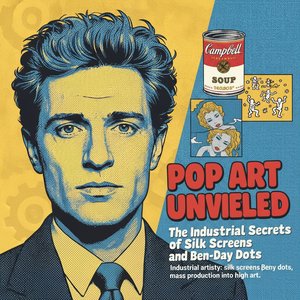
Pop Art Unveiled: The Industrial Secrets of Silk Screens and Ben-Day Dots
Explore the industrial artistry of Pop Art. Delve into the sophisticated history of Ben-Day dots and silk screen techniques that transformed mass media into high art, perfect for discerning collectors seeking deep historical insight and aesthetic excellence.
Dots & Screens: The Industrial Secrets Behind 1960s Pop Art Masterpieces
Explore the industrial secrets of 1960s Pop Art. Discover how Ben-Day dots and silk screening transformed mass media into masterpieces by Roy Lichtenstein. An in-depth look at the intersection of mechanical printing and fine art history for students and collectors.

Beyond the Screen: Transforming Personal Memories into Timeless AI-Driven Anime Masterpieces
Experience the magic of digital metamorphosis. Transform your cherished photos into stunning, hand-painted anime masterpieces using our proprietary AI technology and professional artists. Elevate your personal story with a timeless, high-quality oil painting on canvas.
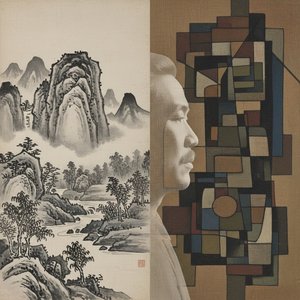
Yi Eungro: Bridging East & West in the Landscape of Korean Modernism
Explore the captivating world of Yi Eungro (Lee Ungno), a pivotal figure in Korean modernism. Discover his unique fusion of Eastern and Western artistic traditions, abstract masterpieces, and lasting legacy. A must-read for discerning art collectors.
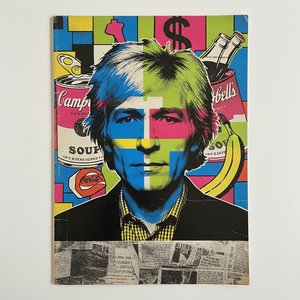
Andy Warhol: Deconstructing Pop Culture & Redefining Artistic Expression
Explore the revolutionary art of Andy Warhol & the Pop Art movement. Discover his iconic techniques, cultural impact, and investment potential. A guide for discerning collectors.