Náhled v interiéru
 Sdílet
 Sdílet
 Podrobnosti o díle
 Průvodce

 Stáhnout
 Podobné položky
 Rentgenové snímky
 Slideshow
 Q&A
Q&A Statistiky
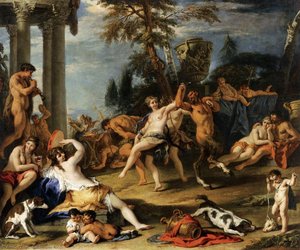
Venus and Satyr

- 102.0 x 125.0 cm


 Zobrazit více
Giclée / Umělecký tisk
Giclée nebo plátěný tisk muzeální kvality s rychlou výrobou a širokou nabídkou povrchových úprav. ( Koupit ručně malovaný obraz Přepnout na digitální obraz)




P118B Kč10

P118H Kč10

P118W Kč10

P438Z Kč10

P508JH Kč12

P508YH Kč12

P805H Kč10

P805Z Kč10

P919BZ Kč10

P919G Kč10

P919XJ Kč10

P959ZH Kč10

P968JZ Kč12

W106C Kč8

W218G Kč10

W218JH Kč8

W218Y Kč10

W307PJ Kč10

W316G Kč10

W316PJ Kč8

W316Y Kč10

W398PJ Kč8

W4111J Kč10

W500HY Kč15

W500JH Kč15

W692G Kč12

W849H Kč8

W940BG Kč15

W953PJ Kč8




Vyberte si z našich přednastavených velikostí, které odpovídají původním proporcím díla.

Zadejte šířku a výšku, které potřebujete pro váš rám nebo stěnu. Tisk lze pouze oříznout, nikdy však nelze zvětšit obraz nad jeho původní rozměr, proto při výběru jiného formátu dochází ke ztrátě části obrazu. Před samotným tiskem vám zašleme digitální náhled k schválení. Obraz zobrazený na této stránce nenabízí skutečný výřez — ten uvidíte pouze v náhledu.
Celosvětové doručení () do 2 týdnů namísto standardních 4/5 týdnů. (2 listopad)

Zdarma celosvětová expresní doprava

Vysoce kvalitní lněné plátno

Kompletní pojištění přepravy

Záruka vrácení celního poplatku

Záruka věrného barevného souladu

100dení lhůta pro vrácení zboží (pouze při vadách výroby)

100% záruka vrácení peněz

Sleva při více objednávkách
 Skleněná varianta je dostupná pouze u rozměrů menších než 110 cm

Venus and Satyr
Giclée / Umělecký tisk
Rozměry reprodukce
-


Celková cena za vybrané možnosti reprodukcí
Kč 1737
Sebastiano Ricci’s “Venus and Satyr”: A Venetian Masterpiece of Sensuality and Illusion
The painting "Venus and Satyr," executed around 1720 by Sebastiano Ricci, is more than a mere depiction of mythological figures; it's a vibrant testament to the late Baroque aesthetic flourishing in Venice. Ricci, an uncle to the renowned Marco Ricci, possessed a singular gift for capturing luminous color and creating an atmosphere of opulent illusion – qualities that define this captivating work. The scene unfolds within a richly detailed, almost theatrical setting, suggesting a private chamber or grotto, where the goddess Venus reclines amidst a profusion of luxurious fabrics, foliage, and architectural elements. This isn’t a straightforward narrative; rather, it's an exploration of sensuality, desire, and the interplay between earthly pleasure and divine beauty.
A Symphony of Light and Color – Ricci’s Technique
Ricci’s mastery lies in his masterful manipulation of light. He employs a technique known as “chiaroscuro,” dramatically contrasting areas of intense illumination with deep shadows, creating a palpable sense of depth and volume. The Venus herself is bathed in a warm, golden glow, highlighting her voluptuous form and the delicate curves of her skin. Notice how Ricci uses reflected light to create an almost ethereal quality around her, as if she’s emerging from a dream. The satyr, rendered with a more earthy palette – browns, ochres, and hints of crimson – stands in stark contrast, his shadowed features hinting at both mischievousness and primal instinct. He is not merely a subordinate figure but a crucial element in the painting's dynamic composition, embodying the earthly desires that Venus subtly acknowledges.
Symbolism and Mythological Allusion
The pairing of Venus and Satyr is deeply rooted in classical mythology. Venus, the Roman goddess of love and beauty, is often associated with fertility, pleasure, and sensuality. The satyr, a creature of the woods with goat-like features, represents untamed desire, instinct, and the wildness of nature. Ricci doesn’t shy away from the inherent tension between these two forces. The young Cupid, nestled amongst his parents, embodies innocent love – a counterpoint to the more overt sensuality of the scene. The inclusion of the elaborate drapery and foliage further amplifies the atmosphere of abundance and indulgence, suggesting a world where earthly pleasures are readily available.
Historical Context: Venice at its Zenith
To fully appreciate “Venus and Satyr,” it’s essential to understand the cultural context in which it was created. Venice in the early 18th century was a vibrant center of artistic innovation, boasting some of the greatest painters of the era – Titian, Veronese, and now Ricci. The city's wealth, fueled by trade and maritime power, fostered a taste for luxury and opulence, reflected in the lavish interiors depicted in many Venetian paintings. Ricci’s work exemplifies this trend, capturing the spirit of a society embracing pleasure and indulgence while simultaneously maintaining a sophisticated artistic sensibility. His style, influenced by the earlier works of Giovanni Battista Stoldo and even hints of Caravaggio's dramatic use of light, established him as a leading figure in the late Baroque movement.
Emotional Resonance: A Study in Desire and Contemplation
Beyond its technical brilliance and mythological references, “Venus and Satyr” possesses a profound emotional resonance. The painting invites contemplation – not just of the figures themselves, but of the complex interplay between desire, beauty, and restraint. Venus’s pose is one of languid repose, suggesting both vulnerability and power. The satyr's watchful gaze conveys a mixture of admiration, possessiveness, and perhaps even a touch of melancholy. The overall effect is not overtly erotic, but rather subtly suggestive, prompting the viewer to engage with the painting on a deeply personal level. It’s a masterpiece that continues to captivate audiences centuries after its creation, offering a glimpse into the alluring world of Venetian art and the timeless themes it explores.
Otázky a odpovědi
Do jaké místnosti se doporučuje „Venus and Satyr“ od Sebastiano Ricci?
Reprodukce díla „Venus and Satyr“ se skvěle hodí do Living Room.
Kde si mohu prohlédnout náhled díla "Venus and Satyr"?
Stránka Náhled v prostoru díla „Venus and Satyr“ vám umožňuje prohlédnout si umělecké dílo před objednávkou.
Jak se v díle „Venus and Satyr“ od Sebastiano Ricci propojují umělecký směr a doba?
Dílo "Venus and Satyr" patří k období Baroque, jehož tvůrce působil v éře – Raná modernita.
Biografie umělce
Život a počátky Sebastiana Ricciho
Sebastiano Ricci, zrozený 1. srpna 1659 v malebném Bellunu, se stal jednou z nejvýznamnějších postav pozdního benátského baroka. Jeho umělecká dráha byla charakterizována dynamikou a světlem, které odrážely jeho temperament i duch doby. Ricci nebyl jen malířem; byl to vypravěč, který dokázal na plátně oživit mytologické příběhy a historické události s velkolepou grácií a virtuozitou.
Ricciho umělecké vzdělání začalo v roce 1671 učenictvím u Federica Cervelliho ve Benátkách. Některé zdroje však uvádějí, že jeho prvním mistrem byl Sebastiano Mazzoni. Ať už to bylo jakkoli, Ricci brzy prokázal mimořádný talent a začal se formovat pod vlivem benátské malířské tradice, která kladla důraz na barvu, světlo a dramatický efekt.
Rozvoj uměleckého stylu a klíčová díla
Ricciho styl byl silně ovlivněn Giovanni Gioseffo dal Sole během jeho pobytu v Bologni. Tato inspirace se projevila v jeho tendenci k velkolepým, zářivým kompozicím plným pohybu a emocí. Jeho obrazy často zobrazovaly mytologické scény s důrazem na lidskou postavu a její interakci s okolním prostředím.
Mezi jeho nejvýznamnější díla patří Bachus a Ariadna, obraz, který dokonale ilustruje Ricciho mistrovství barokního stylu. Dalším důležitým dílem je Památník admirálovi siru Clowdisley Shovellovi, kde malíř prokázal schopnost zachytit podstatu okamžiku a vyjádřit hluboké emoce. V roce 1685-1687 se Ricci podílel na výzdobě oratoria Panny Marie ze Seraglia ve spolupráci s Ferdinandem Galli-Bibienou, za což obdržel odměnu 4 482 lir.
Pozdní léta a mezinárodní uznání
Ricciho kariéra nebyla vždy hladká. Čelil období nepokojů, včetně vězení a skandálů, které však nezabránily jeho pokračující tvorbě. Vytvořil další pozoruhodná díla, jako například Venuše se loučí s Adonisem, obraz, který demonstruje jeho schopnost zachytit nebeskou krásu a jemnost.
Nakonec Ricci přijal zahraniční zakázky v Londýně, kde pracoval na objednávku lorda Burlingtona. Tato práce mu zajistila mezinárodní uznání a upevnila jeho pozici jako jednoho z nejvýznamnějších malířů své doby.
Odraz barokního ducha a Ricciho dědictví
Sebastiano Ricci byl skutečným představitelem benátského baroka. Jeho obrazy jsou plné života, pohybu a emocí, které diváka vtahují do světa mytologie a historie. Jeho umělecký styl ovlivnil řadu dalších malířů, včetně jeho syna Marca Ricciho.
- Prozkoumejte další díla Sebastiana Ricciho na OriginalUniqueArt.com.
- Objevte více o benátském baroku a jeho vlivech na Wikipedii.
- Seznamte se s dalšími významnými umělci té doby, jako je Luigi Bonazza, na OriginalUniqueArt.com.
Důležité: Tento článek vychází z dostupných informací z OriginalUniqueArt.com a může se měnit s přibývajícími daty.

Sebastiano Ricci
1659 - 1734 , Itálie
Rychlé informace o umělci
- Datum Narození: 1. srpen 1659
- Datum Úmrtí: 15. květen 1734
- Místo Narození: Belluno, Itálie
- Národnost: Italská
- Ovlivněno Umělci: ['Giovanni dal Sole']
- Plné Jméno: Sebastiano Ricci
- Umělecký Směr: Pozdní baroko
- Významná Díla:
- Bacchus a Ariadna
- Venuše odchází…
Související články

The Dramatic Flourish: Exploring the Baroque Movement's Enduring Legacy in Art History
Explore the dramatic world of Baroque art! Discover iconic artists like Caravaggio & Rubens, defining techniques, and its lasting impact on art history. Expert insights for collectors & enthusiasts at OriginalUniqueArt.
Sebastiano Ricci: Venetian Master of Baroque Illusionism & Rococo Grace
Explore the captivating world of Sebastiano Ricci, a leading Venetian Baroque painter renowned for his luminous frescoes & illusionistic masterpieces. Discover his life, techniques, and lasting influence on art history.

The Visceral Stage: Exploring Dramatic Narratives & Emotional Intensity in Baroque Art
Explore the dramatic world of Baroque art! Discover iconic masters like Caravaggio & Rembrandt, their techniques, and the movement's lasting impact. Expert insights for collectors & enthusiasts at OriginalUniqueArt.

Barokní mistrovská díla: 10 obrazů, které definovaly umělecký styl | OriginalUniqueArt.cz
Objevte 10 ikonických děl barokního umění – od Caravaggia po Rembrandta. Ponořte se do příběhů mistrů, technik a emocí tohoto velkolepého období. Reprodukce obrazů nejvyšší kvality na OriginalUniqueArt.com! Prozkoumejte celou kolekci online.

Barokní drama: Umění, které vnáší velkolepost do domova
Objevte velkolepost barokního stylu v interiéru! Průvodce klíčovými prvky, inspirace a tipy pro integraci do moderního bydlení. Reprodukce umění s .