Zobrazit v interiéru
 Odeslat
 Sdílet
 Podrobnosti
 Průvodce

 Stáhnout obrázek
 Podobné kousky
 Rentgenové snímky
 Slideshow
 Statistiky
Last Supper
 Oil On Canvas
- WallArt
- High Renaissance
 1713
1713 67.0 x 104.0 cm
 Národní galerie umění
 Přečíst si více
Giclée / Umělecký tisk
Giclée nebo plátěný tisk muzeální kvality s rychlou výrobou a širokou nabídkou povrchových úprav. ( Objednat ručně malovanou reprodukci Přepnout na digitální verzi obrazu)




P118B Kč10

P118H Kč10

P118W Kč10

P438Z Kč10

P508JH Kč12

P508YH Kč12

P805H Kč10

P805Z Kč10

P919BZ Kč10

P919G Kč10

P919XJ Kč10

P959ZH Kč10

P968JZ Kč12

W106C Kč8

W218G Kč10

W218JH Kč8

W218Y Kč10

W307PJ Kč10

W316G Kč10

W316PJ Kč8

W316Y Kč10

W398PJ Kč8

W4111J Kč10

W500HY Kč15

W500JH Kč15

W692G Kč12

W849H Kč8

W940BG Kč15

W953PJ Kč8




Vyberte si z našich přednastavených velikostí, které odpovídají původním proporcím díla.

Zadejte šířku a výšku, které potřebujete pro váš rám nebo stěnu. Tisk lze pouze oříznout, nikdy však nelze zvětšit obraz nad jeho původní rozměr, proto při výběru jiného formátu dochází ke ztrátě části obrazu. Před samotným tiskem vám zašleme digitální náhled k schválení. Obraz zobrazený na této stránce nenabízí skutečný výřez — ten uvidíte pouze v náhledu.
Celosvětové doručení () do 2 týdnů namísto standardních 4/5 týdnů. (24 říjen)

Zdarma celosvětová expresní doprava

Vysoce kvalitní lněné plátno

Úplné pojištění přepravy

Záruka vrácení celního poplatku

Záruka věrného barevného shodu

100dení lhůta pro vrácení zboží (pouze při vadách výroby)

100% garance vrácení peněz

Sleva při více objednávkách
 Skleněná varianta je dostupná pouze u rozměrů menších než 110 cm

Last Supper
Giclée / Umělecký tisk
Velikost reprodukce
-


Celková cena
Kč 1709
A Moment Frozen in Time: The Story of the Last Supper
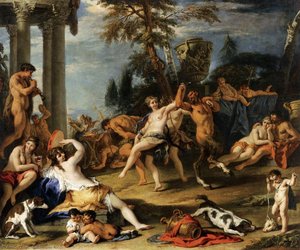
Sebastiano Ricci’s “Last Supper,” a monumental fresco dominating the refectory of Santa Maria delle Grazie in Milan, isn't merely a depiction of a biblical event; it’s a profound exploration of human emotion and betrayal. Painted between 1713 and 1714, this work captures the immediate aftermath of Jesus’ announcement that one among his disciples will betray him – a moment charged with disbelief, apprehension, and simmering resentment. Ricci masterfully conveys the palpable tension in the room, drawing the viewer into the heart of this dramatic exchange. The composition is carefully orchestrated; Jesus sits at the center, radiating an almost serene authority, while the apostles react with a spectrum of responses—shock, denial, suspicion, and outright anger – each face meticulously rendered to reveal their individual personalities and inner turmoil.
The painting’s historical context is crucial to understanding its power. Commissioned during the late Baroque period, Ricci's work reflects the era’s fascination with dramatic narratives and intense emotional expression. The Renaissance ideals of humanism are present, not in a purely idealized form, but through the realistic portrayal of flawed humanity – the vulnerability beneath the bravado, the fear masked by defiance. Ricci was part of a vibrant artistic milieu in Venice, influenced by masters like Dal Simè and Titian, yet he developed a distinct style characterized by a luminous palette and dynamic compositions. His work stands as a bridge between the grandeur of the High Renaissance and the more emotionally charged sensibilities of the Baroque.
Technique and Materials: A Delicate Balance
What sets Ricci’s “Last Supper” apart is not just its subject matter, but also the innovative – and ultimately problematic – techniques he employed. Unlike traditional fresco methods, which involve painting directly onto wet plaster, Ricci utilized tempera on a prepared gesso ground. This allowed for greater flexibility in altering details after the paint had dried, a crucial element for a work of this scale and complexity. However, it also introduced instability; the materials used were not entirely compatible with the wall’s structure, leading to rapid deterioration over centuries. The painting's surface has undergone numerous restorations, each attempting to mitigate the damage caused by humidity, temperature fluctuations, and the inherent fragility of tempera paint.
- The Gesso Ground: A carefully prepared layer of gesso provided a stable base for the pigment.
- Tempera Paint: Ricci used tempera, a fast-drying emulsion of pigments in egg yolk, known for its luminosity and rich colors.
- Pitch and Mastic: These substances were applied to seal the wall and create a barrier against moisture, though they ultimately proved insufficient to protect the delicate paint layer.
Symbolism and Emotional Resonance
Beyond the immediate narrative of betrayal, Ricci’s “Last Supper” is rich in symbolic detail. The arrangement of the apostles around the table reflects their social standing and relationships within the group. Judas Iscariot, often depicted with a subtly averted gaze and a gesture of offering, embodies deceit and treachery. The use of light and shadow – *chiaroscuro* – dramatically emphasizes key figures and creates a sense of drama and psychological intensity. Notice how Ricci uses subtle shifts in color to convey the emotional state of each apostle; the vibrant reds and yellows associated with Jesus contrast sharply with the muted blues and grays used for the disciples, highlighting their internal conflict.
The inclusion of the dog at the bottom left corner is a particularly intriguing detail. While its precise meaning remains debated by art historians, it’s often interpreted as representing loyalty or perhaps even the impending doom that awaits Judas. The overall effect is one of profound emotional depth – a visceral portrayal of human fallibility and the devastating consequences of betrayal.
A Timeless Masterpiece: Reproduction and Legacy
“The Last Supper” remains one of the most studied and admired paintings in the world, captivating viewers with its dramatic composition, masterful technique, and profound emotional resonance. High-quality reproductions capture much of the original’s power, offering a window into this pivotal moment in Christian history. When selecting a reproduction, consider factors such as print quality, color accuracy, and archival suitability to ensure that you are preserving the essence of Ricci's masterpiece for years to come. This iconic image continues to inspire artists, designers, and art lovers alike, solidifying its place as a cornerstone of Western artistic heritage.
Otázky a odpovědi
Jaká velikost "Last Supper" se doporučuje pro Dining Room?
Pro místnost typu Dining Room je doporučená velikost tisku díla „Last Supper“ od Sebastiano Ricci Large.
K jaké fázi kariéry Sebastiano Ricci odpovídá datum vzniku díla „Last Supper“ z roku 1713?
„Last Supper“, vytvořené v roce 1713, patří do Late Renaissance tvorby umělce Sebastiano Ricci.
Lze dílo „Last Supper“ od Sebastiano Ricci, které je uloženo v Národní galerie umění, legálně reprodukovat?
Originál díla „Last Supper“ se nachází v instituci Národní galerie umění a toto dílo je patří do volného užití – autorská práva vypršela.
Biografie umělce
Život a počátky Sebastiana Ricciho
Sebastiano Ricci, zrozený 1. srpna 1659 v malebném Bellunu, se stal jednou z nejvýznamnějších postav pozdního benátského baroka. Jeho umělecká dráha byla charakterizována dynamikou a světlem, které odrážely jeho temperament i duch doby. Ricci nebyl jen malířem; byl to vypravěč, který dokázal na plátně oživit mytologické příběhy a historické události s velkolepou grácií a virtuozitou.
Ricciho umělecké vzdělání začalo v roce 1671 učenictvím u Federica Cervelliho ve Benátkách. Některé zdroje však uvádějí, že jeho prvním mistrem byl Sebastiano Mazzoni. Ať už to bylo jakkoli, Ricci brzy prokázal mimořádný talent a začal se formovat pod vlivem benátské malířské tradice, která kladla důraz na barvu, světlo a dramatický efekt.
Rozvoj uměleckého stylu a klíčová díla
Ricciho styl byl silně ovlivněn Giovanni Gioseffo dal Sole během jeho pobytu v Bologni. Tato inspirace se projevila v jeho tendenci k velkolepým, zářivým kompozicím plným pohybu a emocí. Jeho obrazy často zobrazovaly mytologické scény s důrazem na lidskou postavu a její interakci s okolním prostředím.
Mezi jeho nejvýznamnější díla patří Bachus a Ariadna, obraz, který dokonale ilustruje Ricciho mistrovství barokního stylu. Dalším důležitým dílem je Památník admirálovi siru Clowdisley Shovellovi, kde malíř prokázal schopnost zachytit podstatu okamžiku a vyjádřit hluboké emoce. V roce 1685-1687 se Ricci podílel na výzdobě oratoria Panny Marie ze Seraglia ve spolupráci s Ferdinandem Galli-Bibienou, za což obdržel odměnu 4 482 lir.
Pozdní léta a mezinárodní uznání
Ricciho kariéra nebyla vždy hladká. Čelil období nepokojů, včetně vězení a skandálů, které však nezabránily jeho pokračující tvorbě. Vytvořil další pozoruhodná díla, jako například Venuše se loučí s Adonisem, obraz, který demonstruje jeho schopnost zachytit nebeskou krásu a jemnost.
Nakonec Ricci přijal zahraniční zakázky v Londýně, kde pracoval na objednávku lorda Burlingtona. Tato práce mu zajistila mezinárodní uznání a upevnila jeho pozici jako jednoho z nejvýznamnějších malířů své doby.
Odraz barokního ducha a Ricciho dědictví
Sebastiano Ricci byl skutečným představitelem benátského baroka. Jeho obrazy jsou plné života, pohybu a emocí, které diváka vtahují do světa mytologie a historie. Jeho umělecký styl ovlivnil řadu dalších malířů, včetně jeho syna Marca Ricciho.
- Prozkoumejte další díla Sebastiana Ricciho na OriginalUniqueArt.com.
- Objevte více o benátském baroku a jeho vlivech na Wikipedii.
- Seznamte se s dalšími významnými umělci té doby, jako je Luigi Bonazza, na OriginalUniqueArt.com.
Důležité: Tento článek vychází z dostupných informací z OriginalUniqueArt.com a může se měnit s přibývajícími daty.

Sebastiano Ricci
1659 - 1734 , Itálie
Rychlé informace
- Datum Narození: 1. srpen 1659
- Datum Úmrtí: 15. květen 1734
- Místo Narození: Belluno, Itálie
- Národnost: Italská
- Ovlivněno Umělci: ['Giovanni dal Sole']
- Plné Jméno: Sebastiano Ricci
- Umělecký Směr: Pozdní baroko
- Významná Díla:
- Bacchus a Ariadna
- Venuše odchází…
Související články
Leonardo da Vinci: Top 25 mistrovských děl pro váš domov | OriginalUniqueArt.cz
Prozkoumejte 25 ikonických děl Leonarda da Vinciho – od slavné Mona Lisy po Poslední večeři. Objevte renesanční umění, techniky a inspirativní příběhy za mistrovskými díly. Kvalitní reprodukce obrazů pro váš interiér na OriginalUniqueArt.cz
Leonardo da Vinci: A Renaissance Master’s Synthesis of Art, Science & Human Observation – Reinterpreted for the Collector
Explore Leonardo da Vinci’s timeless masterpieces with OriginalUniqueArt. Discover insights into his art, science, and legacy – trusted expertise for discerning collectors seeking authentic reproductions & investment opportunities.
Top 25 uměleckých děl Uffizi: Renesanční mistrovství pro váš domov
Prozkoumejte 25 ikonických děl Galleria degli Uffizi ve Florencii! Obdivujte Botticelliho, Leonarda da Vinci a další renesanční mistry. Reprodukce obrazů pro váš domov na OriginalUniqueArt.com – inspirace a umění do interiéru.
Renesanční humanismus v umění: Top 10 mistrovských děl pro váš interiér
Prozkoumejte 10 ikonických děl renesance – od Da Vinciho po Michelangela. Objevte příběhy, techniky a nadčasovou krásu humanismu v umění. Reprodukce nejvyšší kvality na OriginalUniqueArt.com!
Louvre: Top 25 uměleckých děl | Reprodukce obrazů a inspirace pro interiér
Prozkoumejte 25 nejvýznamnějších uměleckých děl Louvre v Paříži! Obdivujte Monu Lisu, Michelangelova Davida a další klasiky renesance, impresionismu a baroka. Najděte inspiraci pro váš interiér a luxusní reprodukce obrazů na OriginalUniqueArt.com.