
 Náhled v interiéru
 Sdílet
 Sdílet
 Podrobnosti o díle
 Průvodce

 Stáhnout
 Podobné položky
 Rentgenové snímky
 Slideshow
 Q&A
Q&A Statistiky
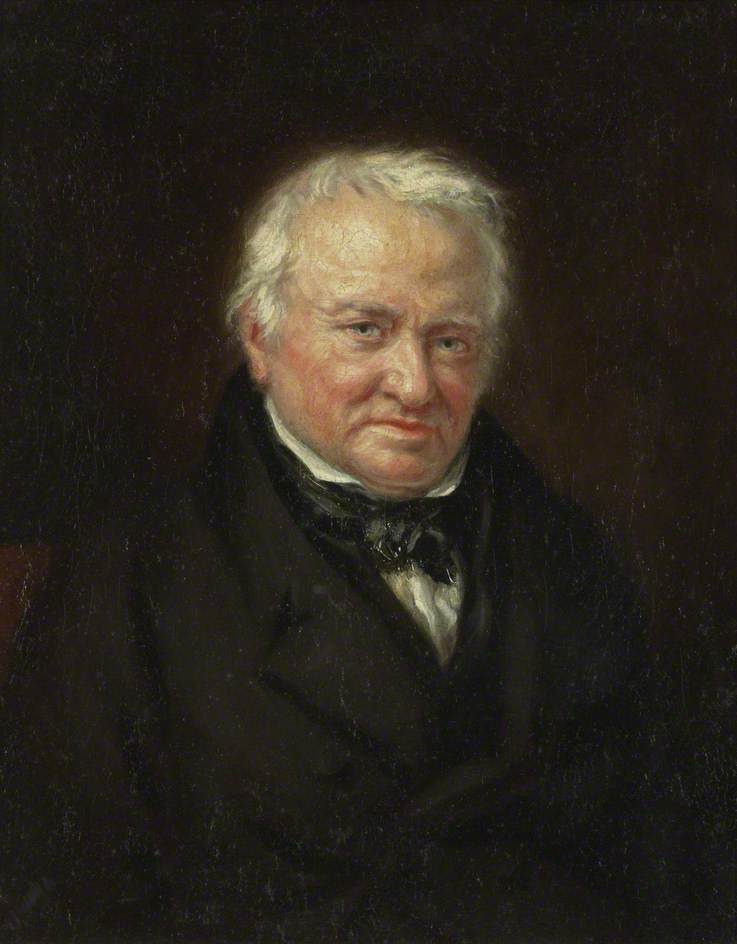
George Gibson
 1830
1830 34.0 x 29.0 cm
 The Beacon Museum
 Zobrazit více
Umělecké dílo zobrazené na této stránce je chráněno autorským zákonem, což znamená, že nemůžeme legálně vytvářet ani prodávat jeho identickou reprodukci. Tato ochrana je vymáhána na základě mezinárodních dohod, jako například Berberská úmluva a národními zákony, včetně těch stanovených v Americký autorský zákon – Díl 17. Všechna práva vyhrazena.
Tato metoda je plně v souladu s autorským právem, protože nezahrnuje kopírování ani duplikování chráněného díla. Jde o kreativní reinterpretaci – nový obraz, který je inspirován originálem, ale není s ním identický.
Giclée / Umělecký tisk
Giclée nebo plátěný tisk muzeální kvality s rychlou výrobou a širokou nabídkou povrchových úprav. ( Koupit ručně malovaný obraz Přepnout na digitální obraz)




































Vyberte si z našich přednastavených velikostí, které odpovídají původním proporcím díla.

Zadejte šířku a výšku, které potřebujete pro váš rám nebo stěnu. Tisk lze pouze oříznout, nikdy však nelze zvětšit obraz nad jeho původní rozměr, proto při výběru jiného formátu dochází ke ztrátě části obrazu. Před samotným tiskem vám zašleme digitální náhled k schválení. Obraz zobrazený na této stránce nenabízí skutečný výřez — ten uvidíte pouze v náhledu.
Celosvětové doručení () do 2 týdnů namísto standardních 4/5 týdnů. (28 říjen)

Zdarma celosvětová expresní doprava

Vysoce kvalitní lněné plátno

Kompletní pojištění přepravy

Záruka vrácení celního poplatku

Záruka věrného barevného souladu

100dení lhůta pro vrácení zboží (pouze při vadách výroby)

100% záruka vrácení peněz

Sleva při více objednávkách
 Skleněná varianta je dostupná pouze u rozměrů menších než 110 cm

George Gibson
Giclée / Umělecký tisk
Rozměry reprodukce
-


Celková cena za vybrané možnosti reprodukcí
Kč 1723
Biografie umělce
The Divine Tide: The Spiritual Landscapes of Samuel Crossthwaite
In the annals of British maritime art, few figures command as much quiet reverence as Samuel Crossthwaite (1791–1868). A man whose life was a dual pilgrimage between the pulpit and the easel, Crossthwaite did not merely paint the sea; he sought to capture the very breath of the divine moving across the waves. Born in Newcastle upon Tyne, his early years were steeped in the traditions of a devout Anglican family, a foundation that would later transform his canvases from simple maritime records into profound theological meditations. His artistic sensibilities were deeply nurtured by the mentorship of George Gibson, a prominent clergyman and artist who taught him to see the sublime beauty of God's creation within the rugged textures of the natural world.
Crossthwaite’s intellectual journey was as vast as the oceans he depicted. He pursued rigorous scholarly excellence at Newcastle University, eventually earning a doctorate in theology. This academic depth informed his later vocation as the Rector of St Mary's Church in Newcastle, yet his heart remained tethered to the coast. His work represents a unique intersection of ecclesiastical devotion and Romantic naturalism. While many of his contemporaries focused on the technical precision of naval vessels or the commercial triumphs of shipping, Crossthwaite looked toward the horizon to find symbols of faith. To him, a storm-tossed sea was not merely a meteorological event but an expression of divine majesty and the overwhelming power of the Creator.
Mastery of Light and the Romantic Spirit
The aesthetic language of Crossthwaite is firmly rooted in the Romantic movement, sharing the emotional intensity and reverence for nature found in the works of masters like Turner and Constable. He possessed a singular ability to manipulate color—specifically a palette of luminous blues, deep greens, and somber greys—to evoke the shifting atmospheric conditions of the Northumberland and Cornish coasts. His technique was characterized by a meticulous attention to detail that allowed him to render the spray of salt, the weight of heavy clouds, and the translucent quality of light breaking through a tempest.
His compositions often utilized dramatic contrasts to stir the viewer's soul:
- Atmospheric Depth: The use of hazy, luminous skies to create a sense of infinite space.
- Symbolic Imagery: The subtle integration of biblical motifs or figures of saints amidst the churning waves, serving as anchors of hope within the chaos.
- Chromatic Harmony: A sophisticated mastery of cool tones that captured the chilling beauty of the maritime climate.
Through these elements, Crossthwaite achieved a sense of spiritual contemplation. His seascapes frequently depict dramatic, illuminated skies clashing against dark, turbulent waters, creating a visual metaphor for the struggle between earthly turmoil and divine peace. This ability to imbue topographical landscapes with profound theological meaning elevated his work above mere maritime illustration.
Legacy of a Mariner Painter
Though he lived a life defined by his duties as a clergyman, Crossthwaite’s legacy is indelibly etched in the history of British landscape painting. He remains a celebrated figure for his ability to bridge the gap between the seen and the unseen. His paintings serve as windows into the Victorian psyche, reflecting a period when the awe of scientific discovery was deeply intertwined with a profound religious wonder.
Today, his works are cherished not only for their technical brilliance but for their capacity to evoke a sense of peace and transcendence. He stands as a testament to the idea that art can be a form of prayer, and that the most turbulent seas can hold the most profound stillness. His contribution to the maritime art tradition continues to inspire those who find beauty in the rugged, the wild, and the eternal.

Rychlé informace o umělci
- Artistic Movement Or Style: Romanticism
- Artists Or Movements Influenced By This Artist: ['Romantic Painting']
- Artists Who Influenced This Artist:
- George Gibson
- Henry Jackson
- Date Of Death: 1868
- Full Name: Samuel Crossthwaite
- Nationality: English
- Notable Artworks:
- The Shepherdess
- The Sea Shore
- Place Of Birth: Newcastle upon Tyne, England