
 Náhled v interiéru
 Sdílet
 Sdílet
 Podrobnosti o díle
 Průvodce

 Stáhnout
 Podobné položky
 Rentgenové snímky
 Slideshow
 Otázky a odpovědi
 Statistiky
Kimo sandal


 Zobrazit více
Umělecké dílo zobrazené na této stránce je chráněno autorským zákonem, což znamená, že nemůžeme legálně vytvářet ani prodávat jeho identickou reprodukci. Tato ochrana je vymáhána na základě mezinárodních dohod, jako například Berberská úmluva a národními zákony, včetně těch stanovených v Americký autorský zákon – Díl 17. Všechna práva vyhrazena.
Tato metoda je plně v souladu s autorským právem, protože nezahrnuje kopírování ani duplikování chráněného díla. Jde o kreativní reinterpretaci – nový obraz, který je inspirován originálem, ale není s ním identický.
Giclée / Umělecký tisk
Giclée nebo plátěný tisk muzeální kvality s rychlou výrobou a širokou nabídkou povrchových úprav. ( Koupit ručně malovaný obraz Přepnout na digitální obraz)




P118B Kč10

P118H Kč10

P118W Kč10

P438Z Kč10

P508JH Kč12

P508YH Kč12

P805H Kč10

P805Z Kč10

P919BZ Kč10

P919G Kč10

P919XJ Kč10

P959ZH Kč10

P968JZ Kč12

W106C Kč8

W218G Kč10

W218JH Kč8

W218Y Kč10

W307PJ Kč10

W316G Kč10

W316PJ Kč8

W316Y Kč10

W398PJ Kč8

W4111J Kč10

W500HY Kč15

W500JH Kč15

W692G Kč12

W849H Kč8

W940BG Kč15

W953PJ Kč8




Vyberte si z našich přednastavených velikostí, které odpovídají původním proporcím díla.

Zadejte šířku a výšku, které potřebujete pro váš rám nebo stěnu. Tisk lze pouze oříznout, nikdy však nelze zvětšit obraz nad jeho původní rozměr, proto při výběru jiného formátu dochází ke ztrátě části obrazu. Před samotným tiskem vám zašleme digitální náhled k schválení. Obraz zobrazený na této stránce nenabízí skutečný výřez — ten uvidíte pouze v náhledu.
Celosvětové doručení () do 2 týdnů namísto standardních 4/5 týdnů. (11 listopad)

Zdarma celosvětová expresní doprava

Vysoce kvalitní lněné plátno

Kompletní pojištění přepravy

Záruka vrácení celního poplatku

Záruka věrného barevného souladu

100dení lhůta pro vrácení zboží (pouze při vadách výroby)

100% záruka vrácení peněz

Sleva při více objednávkách
 Skleněná varianta je dostupná pouze u rozměrů menších než 110 cm

Kimo sandal
Giclée / Umělecký tisk
Rozměry reprodukce
-


Celková cena za vybrané možnosti reprodukcí
Kč 1763
A Timeless Icon of Hollywood Style
The Salvatore Ferragamo ‘Kimo’ sandal, a seemingly simple pair of gold leather shoes, represents far more than just footwear. It's a tangible artifact of the mid-20th century, a whisper of Hollywood glamour, and a testament to the visionary craftsmanship that defined a legendary designer. Born in 1898 in Italy, Salvatore Ferragamo’s journey began with humble beginnings – a childhood spent observing a cobbler – but quickly blossomed into a global brand synonymous with innovation and luxury. The Kimo sandal, launched in 1951, perfectly encapsulates this evolution, embodying the spirit of an era defined by elegance, sophistication, and a touch of daring.
This particular example, captured in a striking studio photograph, is a remarkable window into that world. The stark white background immediately draws attention to the shoes themselves, highlighting their intricate design and luxurious materials. The metallic sheen of the gold leather reflects light with an almost liquid quality, creating a sense of movement and depth. It’s not merely a shoe; it's a miniature sculpture, meticulously crafted with a level of detail that speaks volumes about Ferragamo’s dedication to his art.
Deconstructing the Design: A Symphony of Lines and Forms
The Kimo sandal’s design is deceptively complex. The interwoven straps, rendered in a rich gold hue, create a mesmerizing network of lines that both define and enhance the shape of the footbed. These aren't just decorative elements; they are integral to the shoe’s structure, providing support and stability while adding a layer of visual interest. The curved heel, a signature element of Ferragamo’s designs, contributes to the sandal’s elegant silhouette, lending it a touch of sophistication and poise. The interplay of these lines – straight, curved, and interwoven – creates a dynamic composition that is both visually arresting and remarkably balanced.
- Lines: The intricate strapwork establishes a complex network of linear patterns, adding depth and visual interest.
- Shapes: The sandal’s form combines the organic curves of the footbed with the geometric precision of the heel, creating a harmonious balance.
- Textures: While the background is smooth, the leather itself possesses subtle textural variations, reflecting light in an intriguing manner.
A Legacy Forged in Hollywood and Beyond
The Kimo sandal’s story is inextricably linked to the golden age of Hollywood. Ferragamo's shoes were a coveted accessory for stars like Joan Crawford, Greta Garbo, and Marilyn Monroe, who embraced his innovative designs and unparalleled craftsmanship. The shoe became synonymous with glamour and sophistication, appearing in countless films and gracing the feet of some of the most iconic figures of the era. The photograph itself evokes this atmosphere – it’s a studio shot, meticulously staged to capture the essence of Hollywood style.
Beyond its association with Hollywood, the Kimo sandal represents Ferragamo's broader legacy as a pioneer in footwear design. He was a true innovator, constantly experimenting with new materials and techniques, pushing the boundaries of what was possible in shoemaking. His commitment to anatomical precision – studying the structure of the foot to create shoes that were both comfortable and stylish – remains a cornerstone of his enduring reputation.
Symbolism and Emotional Resonance
The Kimo sandal is more than just a beautiful shoe; it’s a symbol of aspiration, luxury, and timeless style. The gold color itself represents wealth, sophistication, and indulgence—a visual shorthand for the glamour of Hollywood. The intricate detailing speaks to Ferragamo's dedication to craftsmanship and his belief in the power of beauty. When viewed today, the Kimo sandal evokes a sense of nostalgia for a bygone era, reminding us of a time when style was paramount and every detail mattered.
Reproductions of this iconic design offer a chance to bring a touch of mid-century glamour into your own home or wardrobe, preserving a piece of fashion history while celebrating the genius of Salvatore Ferragamo.
Otázky a odpovědi
Je u díla „Kimo sandal“ od Salvatore Ferragamo povoleno vytvářet reprodukce z důvodu autorského práva?
Originál díla „Kimo sandal“ se nachází v instituci Museo Salvatore Ferragamo a toto dílo je stále chráněno autorským právem.
Jakou techniku a styl charakterizuje „Kimo sandal“ od Salvatore Ferragamo?
V díle "Kimo sandal" se setkává technika Acrylic On Canvas sismem Contemporary Realism.
Kde si mohu koupit print díla „Kimo sandal“ od Salvatore Ferragamo?
Tisk díla „Kimo sandal“ od Salvatore Ferragamo si můžete objednat přímo na jeho stránce Kvalitní umělecký tisk: umělecký tisk na bavlněném plátně nebo archivním plátnovém papíře.
Biografie umělce
Odkaz vytesaný do kůže: Život a vize Salvatore Ferragoma
Salvatore Ferragamo, jméno synonymické pro eleganci, inovaci a zlatou éru hollywoodského glamuru, se narodil v ponudných podmínkách roku 1898 v italském Bonitu. Daleko od třpytivého světa, který by později definoval, byl mladý Salvatoreův raný život hluboce zakořeněn v venkovské prostotě, a právě zde však začala jeho neobyčlamá cesta. Jako jedenácté z čtrnácti dětí projevoval vrozenou fascinaci výrobou obuvi a trávil nespočet hodin pozorováním místního ševce – řemesla, kterému se jeho otec zpočátku vyhýbal, neboť jej považoval za profesi s nízkým společenským postavením. Přesto Ferragomova vášeň se ukázala jako nezlomná; už v devíti letech vyrobil svůj první pár bot pro první světlé přijetí své sestry, což bylo svědectvím o jeho rostoucím talentu a odhodlání. Tento čin nebyl pouhou výrobou obuvi; byla to výroba osudu. Signalovalo to zrod umělecké vize, která měla změnit tvář módního průmyslu.Od Bostonu k Hollywoodu: Transatlantický vzestup
Tísněn ambicemi, Ferragamo v roce ること15 emigroval do Ameriky, kde se připojil ke svým bratrům v Bostonu, než se nakonec začal gravitovat směrem k rostoucímu filmovému průmyslu Kalifornie. Tento krok se ukázal jako klíčový. Zpočátku založil opravovnu, ale rychle si uvědomil neuspokojenou potřebu vysoce řemeslně zpracované obuvi, která by odpovídala nárokům stříbrného plátna. Hvězdy Hollywoodu – Lillian Gish, Mary Pickford a brzy i nespočet dalších – se stali jeho věrnými klientkami. Ferragamo nevyráběl jen boty; vytvářel iluze a pozvedoval filmové postavy, které fascinovaly celou národ. Pochopil sílu vizuálního vyprávění a to, jak může obuv přispět k narativu postav. Toto pochopení ho vedlo ke studiu anatomie na University of Southern California, protože věřil, že skutečné pohodlí a elegance pramení z hlubokého porozumění struktuře chodidla. Jeho inovativní použití ocelových vložek pro podporu klenby revolučně změnilo konstrukci obuvi, přičemž upřednostnil jak estetiku, tak pohodu – což se stalo základním pilířem jeho designové filozofie.Návrat domů: Florentská renesance a umělecký rozkvět
V roce 1927 se Ferragamo vrátil do své rodné Itálie a usadil se ve Florenci – městě prosyceném uměleckou tradicí a řemeslnou precizností. Založil dílnu, která se rychle stala laboratoří inovací. Navzdory finančním potížím během Velké hospodářské krize a vyhlášení bankrotu v roce 1933 vytrval, poháněn neochvějnou vírou ve svou vizi. Po obnovení podnikání v roce 1938 v historickém Palazzo Spini Feroni se Ferragamo vydal do období plodivé kreativity. Nebojácně experimentoval s netradičními materiály – korkem, rybí kůží, dokonce i kovem – a posouval hranice toho, co bylo v obuvnictví považováno za možné. Tato ochota vzdort proti konvencím se stala jeho podpisem. Jeho návrhy nebyly pouhými funkčními předměty; byly to sochařská uměcí, odrážející hlubokou úctu k historii i odvážného ducha modernity. Ikonická platforma (wedge heel), zrozená z nedostatku materiálů během války, stojí jako důkaz jeho vynalézavosti a obratnosti, za což v roce 1947 získal prestižní ocenění Neiman Marcus Award.Trvalý dojem: Odkaz a vliv
Dopad Salvatore Ferragoma sahá daleko za hranice světa obuvi. Založil Salvatore Ferragamo S.p.A., impérium luxusního zboží, které prosperuje i dnes s stovkami butiků po celém světě. Ačkoliv je oslavován pro své návrhy pro hollywoodské ikony jako Marilyn Monroe – pro kterou vytvořil její charakteristické jehlové podpatky – a Audrey Hepburn, jeho vliv rezonuje i ve współczesní módě. Jeho závazek k anatomickému pohodlí, inovativním materiálům a sochařským formám připravil cestu generacím návrhářů. Muzeum Ferragamo ve Florencii slouží jako živý hold jeho odkazu, prezentující nejen jeho průlomové návrhy obuvi, ale také jeho širší umělecké zájmy, včetně sbírek jako La Collezione Bonello (Malta) či Palumbo-Fossati Collection (Benátky). Jeho práce přesahuje pouhou módu; je oslavou umění, inovace a neochvějné síly italského řemesla. Přestože v roce 1960 odešel ze světa, duch Salvatore Ferragoma nadále inspiruje a připomíná nám, že skutečný styl nespočívá jen v tom, co nosíme, ale v příběhu, který tento oděv vypráví.Významná díla a sbírky
- Pollicino: Živá Pop Art socha obuvi, která představuje odvážnou barvu a hravý design.
- Sandal (1952): Ikonický příklad luxusního řemesla a geometrického designu, ztělesující eleganci tehdejší éry.
- Prototipo di sandalo (1938): Úchvatná historická obuv demonstrující složitý výšivkářský detail a řemeslnou zručnost.
- La Collezione Bonello (Malta):: Kurátorovaná sbírka obsahující díla mistrů jako Caravaggio či Alberto Morrocco, odrážející Ferragamův zájem o krásné umění.
- The Palumbo-Fossati Collection (Benátky, Itálie): Renomovaná sestava evropského malířství pokrývající staletí, zdůrazňující širší kulturní zájmy Ferragoma.

Salvatore Ferragamo
1898 - 1960 , Itálie
Rychlé informace o umělci
- Artistic Movement Or Style: Štýl
- Artists Or Movements Influenced By This Artist: ['Christian Dior']
- Artists Who Influenced This Artist: ['Guccio Gucci']
- Date Of Birth: 5 června 1898
- Date Of Death: 7 augusta 1960
- Full Name: Salvatore Ferragamo
- Nationality: Itálec
- Notable Artworks:
- Pollicino
- Sandal
- Prototipo di sandalo
- Place Of Birth: Bonito, Itálie
Související články

Style on Canvas: The Timeless Allure of Fashion Illustration Artworks
Discover the exquisite world of fashion illustration art. From Art Deco elegance to bespoke oil reproductions, explore how timeless sartorial beauty transforms luxury interiors through masterfully crafted canvas works and curated historical masterpieces.

Draped Narratives: Fashion as Symbol & Subject in Historical Art
Explore the fascinating history of fashion as a symbol of power & status in art! Discover masterpieces from Gainsborough to Tissot and learn how clothing shaped societal narratives. Find museum-quality reproductions at OriginalUniqueArt.

The Lens of Luxury: A Visual Journey Through the Evolution and Artistry of Fashion Photography
Embark on a visual journey through the evolution of fashion photography. Discover how masters like Gianfranco Ferré blended geometry, surrealism, and texture to redefine high-fashion art for collectors and connoisseurs of luxury imagery.
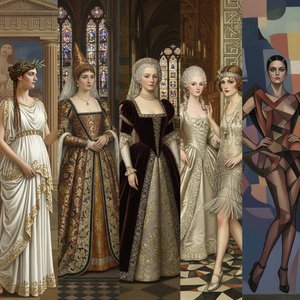
Style Through the Ages: Iconic Artworks That Defined the Evolution of Fashion Design
Explore the breathtaking intersection of fine art and high fashion. Discover how iconic masterpieces from Art Deco to Impressionism have shaped the world of luxury couture and timeless design in this curated visual journey.

Gianfranco Ferré: Deconstructing Haute Couture – A Legacy of Architectural Form
Explore the revolutionary world of Gianfranco Ferré, 'the architect of fashion.' Discover his architectural approach to haute couture, iconic Dior designs, and lasting influence on luxury style. A deep dive for collectors & enthusiasts.

