

 Zobrazit v interiéru
 Odeslat
 Sdílet
 Podrobnosti
 Průvodce

 Stáhnout obrázek
 Podobné kousky
 Rentgenové snímky
 Slideshow
 Statistiky
Ceres and Phytalus


 Přečíst si více
Giclée / Umělecký tisk
Giclée nebo plátěný tisk muzeální kvality s rychlou výrobou a širokou nabídkou povrchových úprav. ( Objednat ručně malovanou reprodukci Přepnout na digitální verzi obrazu)




P118B Kč10

P118H Kč10

P118W Kč10

P438Z Kč10

P508JH Kč12

P508YH Kč12

P805H Kč10

P805Z Kč10

P919BZ Kč10

P919G Kč10

P919XJ Kč10

P959ZH Kč10

P968JZ Kč12

W106C Kč8

W218G Kč10

W218JH Kč8

W218Y Kč10

W307PJ Kč10

W316G Kč10

W316PJ Kč8

W316Y Kč10

W398PJ Kč8

W4111J Kč10

W500HY Kč15

W500JH Kč15

W692G Kč12

W849H Kč8

W940BG Kč15

W953PJ Kč8




Vyberte si z našich přednastavených velikostí, které odpovídají původním proporcím díla.

Můžete zadat vlastní rozměry tak, aby výtvor odpovídal konkrétnímu rámu nebo prostoru. Pokud zvolená velikost nebude odpovídat poměru stran původního obrazu, dílo buď ořížeme, nebo obraz rozšíříme pomocí zrcadlového efektu či jednobarevného okraje. Před zahájením výroby vám bude zaslán digitální náhled k schválení.
Mějte prosím na paměti, že náhled na obrazovce neodráží skutečné oříznutí nebo rozšíření. Pouze digitální náhled přesně zobrazí finální kompozici.
Ačkoliv jsou k dispozici i vlastní rozměry, pro zachování původních proporcí doporučujeme vybrat si rozměr z předdefinovaného seznamu.
Celosvětové doručení () do 2 týdnů namísto standardních 4/5 týdnů. (13 říjen)

Zdarma celosvětová expresní doprava

Vysoce kvalitní lněné plátno

Úplné pojištění přepravy

Záruka vrácení celního poplatku

Záruka věrného barevného shodu

100dení lhůta pro vrácení zboží (pouze při vadách výroby)

100% garance vrácení peněz

Sleva při více objednávkách
 Skleněná varianta je dostupná pouze u rozměrů menších než 110 cm

Ceres and Phytalus
Giclée / Umělecký tisk
Velikost reprodukce
-


Celková cena
Kč 1672
A Mythological Encounter in Shadow and Line
In the evocative depths of Salvator Rosa’s 1662 masterpiece, Ceres and Phytalus, we are transported into a realm where the boundaries between the divine and the mortal dissolve. This exquisite etching captures a pivotal moment of mythological encounter, rendered through the masterful use of monochromatic linework. The scene centers upon Ceres, the Roman goddess of agriculture and fertility, and the mortal Phytalus, whose kneeling posture radiates a profound sense of reverence and supplication. Through the delicate interplay of light and shadow, Rosa invites the viewer into a dense, primordial forest where every etched line breathes life into the surrounding foliage. The composition is not merely a depiction of a story, but an immersive experience of texture and atmosphere, where the organic curves of the human forms emerge from a rugged, untamed landscape.
The technical brilliance of this work lies in Rosa’s command over the medium of printmaking. Utilizing the intricate techniques of hatching and cross-hatching, the artist achieves a remarkable range of tonal variations that simulate depth and dimension without the need for color. These dense networks of lines create areas of profound darkness within the thickets, contrasting sharply with the lighter, more delicate strokes that define the figures' skin and the soft highlights on the leaves. This method lends the piece a tactile quality; one can almost feel the rough bark of the ancient trees and the dampness of the forest floor. The lack of a singular, piercing light source creates a diffused, ethereal glow, contributing to the dreamlike, somewhat ambiguous perspective that characterizes the Baroque fascination with the mysterious and the sublime.
The Baroque Spirit and Symbolic Resonance
As a prominent figure of the Italian Baroque, Salvator Rosa was renowned for his refusal to conform to the rigid classical standards of his era. In Ceres and Phytalus, we see his signature blend of naturalism and dramatic tension. The subject matter—a goddess descending to interact with humanity—carries heavy symbolic weight, touching upon themes of abundance, the cycle of life, and the sacred connection between the earth and its inhabitants. For the discerning collector or interior designer, this piece offers more than just visual beauty; it provides a window into the philosophical inquiries of the 17th century. The tension held in Phytalus’s bowed head and the commanding yet nurturing presence of Ceres creates an emotional resonance that lingers long after the first glance.
Integrating a high-quality reproduction of such a work into a contemporary space allows for a sophisticated dialogue between historical depth and modern elegance. Whether placed in a study filled with leather-bound books or as a focal point in a minimalist gallery-style living room, the monochromatic intensity of Rosa’s vision commands attention. It serves as an intellectual anchor, sparking conversation about mythology, the artistry of the etching needle, and the enduring power of the Baroque aesthetic. To possess such a work is to hold a fragment of history, capturing the very essence of a period defined by its passion, its shadows, and its profound reverence for the natural world.
Otázky a odpovědi
Mohu si "Ceres and Phytalus" prohlédnout podrobněji?
Stránka Rentgenové snímky díla „Ceres and Phytalus“ od Salvator Rosa představuje interaktivní prohlížeč, který vám umožňuje procházet jedenácty optickými vrstvami obrazu díla, včetně pohledu ve stylu rentgenu.
Nachází se dílo „Ceres and Phytalus“ od Salvator Rosa v zemi původu umělce?
Ne – dílo se nachází v zahraničí. Salvator Rosa se narodil(a) v Itálie, zatímco originál díla „Ceres and Phytalus“ je uchováván v muzeu v Spojené státy americké.
Kdy bylo dílo "Ceres and Phytalus" vytvořeno a ke kterému směru patří?
Dílo "Ceres and Phytalus" vzniklo v roce 1662 v rámci směru Baroque.
K jakému využití se doporučuje „Ceres and Phytalus“ od Salvator Rosa?
Navrhované využití pro „Ceres and Phytalus“ od Salvator Rosa je Accent. Lze jej však využít i k jiným účelům.
Jaké barvy dominují dílu „Ceres and Phytalus“ od Salvator Rosa?
Dílo „Ceres and Phytalus“ od Salvator Rosa využívá paletu Monochrome, přičemž hlavní barvou je Putty (#c7c7c3).
Je pro dílo „Ceres and Phytalus“ k dispozici stažení?
Digitální verzi díla „Ceres and Phytalus“ od Salvator Rosa si můžete stáhnout na stránce Stáhnout jako stažení digitálního obrazu ve vysokém rozlišení.
Jakou úroveň kontrastu vykazuje „Ceres and Phytalus“ od Salvator Rosa?
„Ceres and Phytalus“ od Salvator Rosa vykazuje Serene kontrast mezi světlými a tmavými částmi.
Patří „Ceres and Phytalus“ od Salvator Rosa do volného tisku?
Co se týče autorských práv, dílo "Ceres and Phytalus" spadá do patří do volného užití – autorská práva vypršela.
Biografie umělce
mladost a vzdělání
Salvator Rosa, italský barokní malíř, básník a grafik, se narodil v Arenella u Neapole buď 20. června, nebo 21. července 1615. Jeho matka, Giulia Greca Rosa, patřila k jedné z řeckých rodin na Sicilii. Přestože jeho otec doufal, že se Salvator stane právníkem nebo knězem, již od raného věku projevoval neúprosnou náklonnost k umění.umělecká kariéra
Umělecká dráha Salvatora Rosy byla definována jeho neortodoxním a extravagantním stylem, který ho výrazně odlišoval od tehdejších současníků. Působil v Neapoli, Římě a Florencii, přičemž na jeho tvorbu měl vliv naturalismus Ribery i klasicismus Poussina. Přesto však odmítal nechat se svázat jakýmkoli konkrétním stylem či uměleckým směrem.- Pythagoras vycházející z podsvětí (Kimbell Art Museum, Fort Worth, Spojené státy), jedno z jeho nejslavnějších děl, představuje jeho jedinečnou syntézu filosofických a uměleckých témat.
- Jeho dílo Křest eunucha (Chrysler Museum of Art, Norfolk, Spojené státy) demonstruje jeho schopnost vdechnout i menším biblickým příběhům nesmírné drama.
vlivy a odkaz
Dílo Salvatora Rosy mělo zásadní dopad na vývoj barokního umění. Jeho vliv je patrný v dílech pozdějších umělců, jako byl Luca Giordano, který dále rozšiřoval hranice umělecké výraznosti.závěr
Život a dílo Salvatora Rosy i nadále fascinují milovníky umění i historiky. Jeho nekonvenční styl a neustálý odpor proti normám jeho doby mu zajistily trvalé místo v kronikách barokního umění. Jako malíř, básník a grafik zůstává záhadnou postavou, jejíž tvorba stále inspiruje nové generace umělců i nadšenců do umění.
Salvator Rosa
1615 - 1673 , Itálie
Rychlé informace
- Artistic Movement Or Style: Baroque art
- Artists Or Movements Influenced By This Artist: ['Romanticism']
- Artists Who Influenced This Artist: ['José de Ribera']
- Date Of Birth: June 20 or July 21, 1615
- Full Name: Salvator Rosa
- Nationality: Italian
- Notable Artworks:
- View of the Gulf of Salerno
- Study for 'Il Genio di Rosa
- Place Of Birth: Arenella, Sicily
Související články
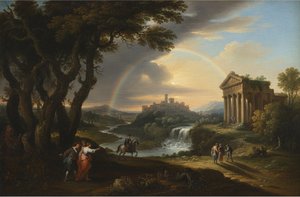
Shadow, Light, and Spectacle: The Dramatic Evolution of Baroque Landscape Painting
Explore the breathtaking drama of Baroque landscapes. Our expert guide delves into the interplay of light and shadow in 17th-century masterpieces. Discover art history and find museum-quality, hand-painted oil reproductions to bring classical grandeur to your home.

Drama in Nature: The Captivating Grandeur of Baroque Landscapes and the Art of Emotional Spectacle
Explore the breathtaking drama of Baroque landscapes. From Rubens's grand vistas to the mastery of chiaroscuro, discover how 17th-century artists transformed nature into a theatrical stage of emotion and light. A deep dive for true art enthusiasts.
10 legendárních leptů, které změnily umění navždy | OriginalUniqueArt
Prozkoumejte 10 legendárních leptů od Rembrandta, Goya a dalších mistrů. Objevte historii umělecké grafiky, etingové techniky a inspirujte se pro váš interiér s reprodukcemi nejvyšší kvality na OriginalUniqueArt.com.

Baroque Classicism: The Grandeur of Order and Drama in 17th-Century Art History
Explore the profound elegance of Baroque Classicism. Discover how 17th-century masters synthesized dramatic emotion with classical order through the lens of the Counter-Reformation and the works of legends like Carlo Maratta and Andrea Sacchi.

Salvator Rosa: A Baroque Rebel's Vision of Landscape, Allegory & the Human Condition
Explore the captivating world of Salvator Rosa, a rebellious Baroque master. Discover his dramatic landscapes, allegorical paintings & lasting influence on Romanticism. Hand-painted reproductions available at OriginalUniqueArt.


