Odeslat
 Sdílet
 Podrobnosti
 Průvodce

 Stáhnout obrázek
 Podobné kousky
 Slideshow
 Statistiky
Banány a citróny


 Přečíst si více
Umělecké dílo zobrazené na této stránce je chráněno autorským zákonem, což znamená, že nemůžeme legálně vytvářet ani prodávat jeho identickou reprodukci. Tato ochrana je vymáhána na základě mezinárodních dohod, jako například Berberská úmluva a národními zákony, včetně těch stanovených v Americký autorský zákon – Díl 17. Všechna práva vyhrazena.
Tato metoda je plně v souladu s autorským právem, protože nezahrnuje kopírování ani duplikování chráněného díla. Jde o kreativní reinterpretaci – nový obraz, který je inspirován originálem, ale není s ním identický.
Giclée / Umělecký tisk
Giclée nebo plátěný tisk muzeální kvality s rychlou výrobou a širokou nabídkou povrchových úprav. ( Objednat ručně malovanou reprodukci Přepnout na digitální verzi obrazu)




































Vyberte si z našich přednastavených velikostí, které odpovídají původním proporcím díla.

Zadejte šířku a výšku, které potřebujete pro váš rám nebo stěnu. Tisk lze pouze oříznout, nikdy však nelze zvětšit obraz nad jeho původní rozměr, proto při výběru jiného formátu dochází ke ztrátě části obrazu. Před samotným tiskem vám zašleme digitální náhled k schválení. Obraz zobrazený na této stránce nenabízí skutečný výřez — ten uvidíte pouze v náhledu.
Celosvětové doručení () do 2 týdnů namísto standardních 4/5 týdnů. (24 říjen)

Zdarma celosvětová expresní doprava

Vysoce kvalitní lněné plátno

Úplné pojištění přepravy

Záruka vrácení celního poplatku

Záruka věrného barevného shodu

100dení lhůta pro vrácení zboží (pouze při vadách výroby)

100% garance vrácení peněz

Sleva při více objednávkách
 Skleněná varianta je dostupná pouze u rozměrů menších než 110 cm

Banány a citróny
Giclée / Umělecký tisk
Velikost reprodukce
-


Celková cena
Kč 1709
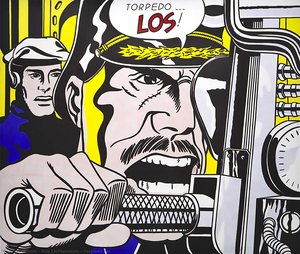
A Pop Art Still Life: Bananas and Grapefruit by Roy Lichtenstein (1972)
Roy Lichtenstein’s *Bananas and Grapefruit*, created in 1972, stands as a cornerstone of American Pop Art—a movement that irrevocably altered the trajectory of twentieth-century art. More than just a depiction of fruit, it's an audacious exploration of visual language, consumer culture, and the very notion of artistic originality. Lichtenstein’s masterful manipulation of technique and his deliberate embrace of comic book aesthetics cemented his place as one of the most influential artists of his generation.Subject & Composition
The artwork presents a strikingly simple subject: a bowl brimming with bananas and grapefruit. However, Lichtenstein doesn't strive for realism; instead, he employs a flattened perspective—characteristic of Pop Art’s rejection of traditional illusionism—to emphasize the geometric forms dominating the composition. The bowl itself is positioned centrally against a stark black background intersected by bold horizontal white stripes. This deliberate arrangement immediately draws the eye and elevates the fruit beyond mere objects into recognizable symbols within Lichtenstein's visual vocabulary. The artist’s intention wasn’t to capture the nuances of natural form but rather to distill it down to its essential elements—shapes and colors—creating a deliberately reductive image that speaks volumes about the era in which it was conceived.Style & Technique
Lichtenstein’s signature style is instantly identifiable through several key features. Primarily, he utilizes bold, flat planes of color, defined by crisp black outlines – a technique borrowed directly from comic book printing—to create an almost mechanical aesthetic. These colors are applied with unwavering precision, mirroring the reproducibility demanded by mass media and signaling Lichtenstein’s engagement with industrial processes. The use of Ben-Day dots—though not explicitly visible in this particular work—is emblematic of Lichtenstein's stylistic approach; these halftone patterns mimic the printing process and further blur the boundaries between fine art and commercial illustration. This technique contributes to a sense of manufactured perfection, rejecting painterly texture and emphasizing visual impact over nuanced representation. The overall impression is one of deliberate simplification and graphic clarity.Historical Context & Artistic Movement
Pop Art emerged in the mid-1960s as a reaction against Abstract Expressionism’s emotional intensity and subjective exploration. Artists like Lichtenstein, Andy Warhol, and Jasper Johns challenged prevailing artistic conventions by appropriating imagery from popular culture—advertising billboards, comic strips, and everyday objects—transforming them into artworks that interrogated societal values and questioned the role of art in contemporary life. *Bananas and Grapefruit* exemplifies this trend perfectly, reflecting a broader cultural preoccupation with mass production and consumerism during the Cold War era. Lichtenstein’s work from 1972 aligns seamlessly with the movement's ethos—a desire to democratize art by engaging with familiar visual codes and rejecting elitist artistic discourse.Symbolism & Emotional Impact
While *Bananas and Grapefruit* eschews overt symbolism, it subtly communicates a commentary on abundance and artificiality. The fruit itself represents vitality and freshness – qualities often idealized in advertising—yet its stylized presentation feels detached from the natural world. The flattened perspective and lack of depth contribute to an immediacy that resonates with Pop Art’s rejection of emotional expression in favor of objective representation. Ultimately, Lichtenstein's piece invites contemplation on how art can engage with broader cultural concerns, prompting viewers to consider the relationship between visual culture and our perception of reality. It’s a visually arresting artwork that captures the spirit of its time—a testament to Lichtenstein’s ability to transform commonplace subjects into compelling statements about artistic innovation and societal critique.Collecting & Interior Design
A Lichtenstein work like *Bananas and Grapefruit* is highly sought after by collectors interested in twentieth-century art, particularly Pop Art. Its bold colors and graphic style lend itself beautifully to interior design settings—particularly modern or contemporary spaces where a touch of iconic sophistication can elevate the aesthetic experience. High-quality reproductions faithfully capture Lichtenstein’s original vision, offering an accessible way for enthusiasts to bring this influential artist's work into their homes or workplaces. Consider pairing it with minimalist furnishings and neutral color palettes to maximize its visual impact—a striking juxtaposition that underscores Lichtenstein’s enduring legacy as a pioneer of Pop Art.Otázky a odpovědi
Jakou atmosféru má dílo "Banány a citróny"?
Dílo „Banány a citróny“ od Roy Lichtenstein je v náladě popsáno jako Výrazné. Tato klasifikace může pomoci při zařazení díla do konkrétního prostředí.
V jaké orientaci je dílo „Banány a citróny“ od Roy Lichtenstein?
„Banány a citróny“ od Roy Lichtenstein je Horizontální orientace kompozice. Před výběrem velikosti tisku je vhodné si zkontrolovat její poměry stran.
Je „Banány a citróny“ od Roy Lichtenstein známým uměleckým dílem?
Úroveň popularity zaznamenaná pro „Banány a citróny“ od Roy Lichtenstein je Ikonické.
Biografie umělce
The Genesis of a Pop Visionary
Roy Fox Lichtenstein, narozený 27. října 1923 v pulzujícím New Yorku, nezměnil podstatně tvář dvacátého století umění. Jako klíčová postava pop-artového hnutí se neomezoval na odrážení své doby; aktivně ji zkoumal, transformací běžných obrazů v přesvědčivé umělecké prohlášení. Jeho výchova v prosperující židovské rodině ve střední třídě formovala jak kulturní povědomí, tak ranou uměleckou tendenci. Dětství strávené v muzeích a při koncertech, doplněné hlubokou oblibou jazzové hudby, položilo základy kreativního ducha, který by zpochybnil tradiční představy o vysokém umění. Ačkoli byl na počátku přitahován realistickým kreslením a malbou, Lichtensteinova formální podpora začala v roce 1939 na Art Students League v New Yorku pod vedením Reginalda Marshe, následovaná studiem na státní universitě v Ohiu – krátce přerušené vojenslou službou. Tyto zkušenosti poskytly robustní technickou základnu, kterou později brilantně zrekonstruoval skrze lupu masové kultury a komerčních estetických hodnot. Semínka jeho charakteristického stylu nebyla semena v zasvěcených prostorách umělecké tradice, ale spíše ve často přehlíženém světě každodenních obrazů, zejména komiksových stripů a reklamy.Od Abstraktního Výraznictví k Převzetí: Klíčový Překlápění
Raná tvorba Lichtensteina jasně ukazovala zapojení do abstraktního výjivrčího umění, odrážející dominantní estetické trendy po válce. Tato fáze však byla přechodná, průmyslový kámen k jeho revolučnímu stylu. Klíčový okamžik nastal během jeho působení na Rutgers University, kde potkal Allana Kaprowa, čímž se znovu rozsvítila Lichtensteinova zájem o proto-popové obrazy. Tato setkání vyvolala kritické posunutí v jeho uměleckém směru, vedoucí ho k zpochybnění stanovených hranic mezi „vysokým“ a „nízkým“ uměním. Začal hledat za hranice subjektivního vyjádření abstraktního výjivrčího umění a zaměřil se na objektivní jazyk populární kultury – konkrétně komiksových stripů a reklamy. Rok 1961 znamenal obrat s *Look Mickey*, dílem, které odvážně přebíralo postavy z Disneyových komiksů, signalizující začátek jeho charakteristického stylu. Nebyla to pouhá kopie komiksových stripů; byla to umělecký akt re-hodnocení, který posouval běžné obrazy na status vysokého umění. Nevytvořil jen kopie komiksových stripů; pečlivě je reprodukoval pomocí technik napodobujících komerční tiskové procesy, záměrně rozmazával hranice mezi původním uměleckým dílem a masovou produkcí. Toto přejímání nebylo o bezkritickém oslavování spotřebitelské kultury, ale spíše o zkoumání jejího všudypřítomného vlivu na americkou společnost a zpochybňování tradičních uměleckých hierarchií.Jazyk Ben-Dayových Bodů a Odvážných Čar
Lichtensteinův umělecký slovník je okamžitě rozpoznatelný: výrazné, primární barvy, silné černé obrysy a především Ben-Dayovy body – technika přímo vypůjčená z mechanického tisku komiksových stripů. Tyto body nebyly jen dekorativní; byly nedílnou součástí jeho koncepčního rámce, reprezentující samotný proces masové výroby a zpochybňující tradiční důraz na umělecké ruce. Jeho obrazy často zvětšovaly detaily z komiksových stripů do monumentálních rozměrů, nucíc diváky čelit estetickým kvalitám uměleckého projevu, který je obvykle odsouzen k triviálnosti. Díla jako *Whaam!* (1963), *Drowning Girl* (1963) a *Oh, Jeff…I Love You, Too…But…* (1964) se stala ikonickými reprezentacemi pop-artu, zachycujícími úzkosti a touhy americké společnosti v rychlé změně. Tyto díla nebyly jen zobrazení komiksových scén; byly komentáři témat války, romantiky a společenských očekávání, filtrované skrze vizuální jazyk masmédií. Jeho cílem bylo odstranit jakýkoliv umělecký subjektivní předpoklad, prezentovat svou práci jako objektivní odraz americké společnosti – zrcadlo, které se dívá na její vlastní vyrobenou realitu. Záměrná plochost a absence malířského gesta dále zdůrazňovaly toto oddělení, napodobujíc neosobnost komerčního tisku.Dědictví a Trvalý Dopad
Vliv Roye Lichtensteina se rozšiřuje daleko za hranice malby. Jeho inovativní použití komerčních technik a přejímání položil základy pro nové generace umělců, kteří zkoumali témata spotřebitelské kultury, mediální saturace a kulturní identity. Prodej *Masterpiece* v roce 2017 za 165 milionů dolarů upevnil jeho pozici mezi nejúspěšnějšími americkými umělci všech dob, ale jeho dědictví není definováno pouze finanční hodnotou. Zpochybnil tradiční představy o umělecké autorské právu a originalitě, nucíc k přehodnocení toho, co se považuje za „umění“ samotné. Jeho dílo nadále inspiruje grafické designéry, ilustrátory a vizuální umělce v různých oborech.- Klíčové úspěchy: Zavedl pop-artový styl; dosáhl mezinárodního uznání díky průkopnickým výstavám.
- Významná díla: *Whaam!*, *Drowning Girl*, *Oh, Jeff…I Love You, Too…But…*, *Masterpiece*.
- Pedagogická kariéra: Ovlivnil nadějné umělce na státní univerzitě v Oswegu a Rutgers University.

Roy Lichtenstein
1923 - 1997 , Spojojené státy americké
Rychlé informace
- Artistic Movement Or Style: Pop Art
- Artists Or Movements Influenced By This Artist:
- Grafici
- Ilustrátoři
- Artists Who Influenced This Artist:
- Reginald Marsh
- Allan Kaprow
- Date Of Birth: 27. října 1923
- Full Name: Roy Fox Lichtenstein
- Nationality: Američan
- Notable Artworks:
- Whaam!
- Drowning Girl
- Oh, Jeff…
- Place Of Birth: New York City, USA
Související články
The Psychology of the Palette: Decoding Roy Lichtenstein's Bold Color Theory
Explore the profound psychological depth of Roy Lichtenstein's color theory. Discover how his use of primary colors and Ben-Day dots revolutionized modern art, transforming mass media imagery into sophisticated fine art for the discerning collector.
Roy Lichtenstein: Top 25 děl pop artu pro váš interiér | OriginalUniqueArt.cz
Prozkoumejte 25 ikonických děl Roye Lichtensteina – průkopníka pop artu. Obrazy s komiksovými motivy, výrazné barvy a unikátní technika ben-day dots. Najděte inspiraci pro váš interiér a kvalitní reprodukce na OriginalUniqueArt.cz! Prozkoumejte celou kolekci online.
Top 10 ikon Pop Artu: Umělecká revoluce ve vašem interiéru | OriginalUniqueArt.com
Prozkoumejte 10 ikonických děl Pop Artu od Andyho Warhola, Roye Lichtensteina a dalších. Objevte příběhy za slavnými obrazy, techniky a barevné revoluce tohoto uměleckého hnutí. Reprodukce obrazů nejvyšší kvality na OriginalUniqueArt.com.
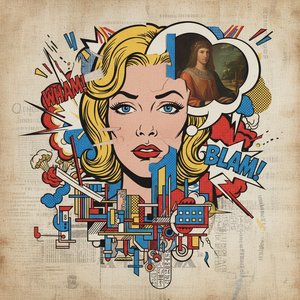
Beyond the Ben-Day Dots: Roy Lichtenstein's Pop Art Revolution & Enduring Legacy
Explore Roy Lichtenstein's revolutionary Pop Art! Discover the story behind Ben-Day dots, iconic works like 'Whaam!', and investment insights for collectors. Expert analysis & high-quality reproductions at OriginalUniqueArt.

The Psychology of the Palette: Decoding Roy Lichtenstein's Bold Color Theory
Explore the psychological depth of Roy Lichtenstein's color theory. An expert analysis for art students and collectors on Ben-Day dots, primary palettes, and the intersection of Pop Art with mass media history.