- Domů

- Reprodukce olejomalby
- Rose Maynard Bartonová
- Barges On

 Koupit tisk Koupit digitální obrázek
 Sdílet
 Sdílet
 Podrobnosti o díle
 Přidat do oblíbených

 Stáhnout
 Podobné položky
 Rentgenové snímky
 Slideshow
Barges On

 Zobrazit více
Ručně malovaná olejová reprodukce
Ručně malovaná olejná barva na plátně ve vašem zvoleném rozměru i s rámem, vyrobená našimi umělci na zakázku.




































Vyberte si z našich přednastavených velikostí, které odpovídají původním proporcím díla.

Můžete zadat vlastní rozměry pro konkrétní rám nebo prostor. Pokud se vámi vybraná velikost neshoduje s proporcemi původního obrazu, dílo buď ořízneme, nebo jej doplníme ručně malovanými prvky. Před zahájením výroby vám bude zaslán digitální náhled ke schválení.
Upozorňujeme, že náhled na obrazovce neodpovídá skutečnému ořezu ani rozšíření. Pouze digitální náhled přesně zobrazí finální kompozici.
Ačkoliv je možné zvolit vlastní velikost, pro zachování původních proporcí doporučujeme vybrat rozměr z předdefinovaného seznamu.
Po přijetí objednávky vám tým OriginalUniqueArt.com zašle e-mail s pokyny a poskytne náhledovou verzi.
Celosvětová doprava () za 3–4 týdny namísto standardních 5 týdnů. (17 červenec). Bez kompromisů v kvalitě.

Zdarma celosvětová expresní doprava

Vysoce kvalitní lněné plátno

Kompletní přepravní pojištění

Záruka vrácení celního poplatku

Záruka přesného barevného shodu

60denní lhůta pro vrácení zboží (pouze při vadách výroby)

100% garance vrácení peněz

Sleva při hromadné objednávce
 Skleněná varianta je dostupná pouze u rozměrů menších než 110 cm

Barges On
Technika reprodukce
Rozměry reprodukce
-


Celková cena za výběr
-
Biografie umělce
Rose Maynard Barton: A Life in Watercolour
Rose Maynard Barton (1856–1930) stands as a beacon of Anglo-Irish watercolour artistry, remembered for her luminous landscapes—particularly those capturing the spirit of Dublin and London—and her tender portrayals of children. Her artistic journey unfolded against the backdrop of Victorian England, marked by formative influences and enduring legacy within Irish art history.Early Life and Artistic Training
Born April 21, 1856, in Rochefort, Ireland, Barton descended from a family steeped in artistic heritage—her maternal relatives included Eva Henrietta Hamilton and Letitia Marion Hamilton, both accomplished painters themselves. Her father practiced law, grounding her upbringing in intellectual pursuits alongside an innate appreciation for beauty. Recognizing the importance of formal education, Barton pursued private instruction which nurtured her liberal worldview and fostered a keen understanding of social currents. A pivotal moment arrived in 1875 when she travelled to Brussels with her sister Emily, securing invaluable drawing lessons from Henri Gervex—a Parisian artist whose Impressionistic style would profoundly shape Barton’s artistic sensibilities. Subsequently, she honed her watercolour technique at Paul Jacob Naftel's studio in London, immersing herself in the burgeoning art scene of the era.Artistic Career and Exhibitions
Barton’s dedication to watercolour painting cemented her reputation as a masterful artist through consistent participation in the Watercolour Society of Ireland (WCSI). Her canvases graced the walls of prestigious institutions like the Royal Academy (RA) and the Royal Hibernian Academy (RHA), showcasing her evolving skill and garnering critical acclaim. Notably, “Dead Game,” exhibited at the RHA in 1882, established her early artistic prowess—a testament to her ability to capture fleeting moments of natural beauty with remarkable precision. Barton’s work continued to resonate with audiences across London galleries including the Japanese Gallery, Dudley Gallery and Grosvenor Gallery. Furthermore, she championed the cause of female artists as a member of the Society of Women Artists, advocating for greater recognition and opportunity within the artistic community.Style and Notable Works
Barton's watercolour style embodied Impressionistic principles—characterized by delicate brushstrokes, vibrant colour palettes, and an emphasis on capturing atmospheric effects. She excelled at depicting landscapes—particularly Dublin’s riverside vistas and London’s sprawling gardens—infused with a palpable sense of emotion. Her subjects included serene depictions of children, imbued with tenderness and innocence. Among her most celebrated works is “Old Chelsea Wall,” London – a masterful illustration of her ability to convey the essence of a location through subtle tonal variations and nuanced colour harmonies. Available on OriginalUniqueArt.com, this piece exemplifies Barton’s artistic vision. Another poignant image is "The Doorway" (1918), which powerfully communicates childhood nostalgia against the grandeur of architectural space. Her paintings reside in prominent collections including the National Gallery of Ireland, Dublin City Gallery The Hugh Lane and Ulster Museum—a testament to her enduring contribution to Irish art heritage.Legacy and Historical Significance
Rose Maynard Barton’s unwavering commitment to watercolour painting secured her place as a pivotal figure in Victorian-era British art. Her membership in the Royal Watercolour Society (RWS) in 1911 underscored her respectability within the artistic world—a pioneering achievement for women artists at the time. Moreover, her lifelong friendship with Mildred Anne Butler fostered collaborative artistic endeavors and mutual encouragement—reflecting the spirit of camaraderie prevalent amongst artists during Barton’s lifetime. Her work continues to inspire admiration for its beauty and emotional depth, cementing Barton's legacy as a celebrated Irish watercolourist.
Rose Maynard Bartonová
1856 - 1930 , Irsko
Rychlé fakta
- Artistic Movement Or Style: Watercolour painting
- Artists Who Influenced This Artist:
- Henri Gervex
- Paul Jacob Naftel
- Date Of Birth: April 21, 1856
- Full Name: Rose Maynard Barton
- Nationality: Anglo-Irish
- Notable Artworks:
- Old Chelsea Wall, London
- The Doorway (1918)
- Place Of Birth: Rochefort, Ireland
Související články

Rose Maynard Barton: Pioneering Irish Modernism & the Intimate World of Domesticity
Discover Rose Maynard Barton (1856-1930), a pioneering Irish watercolourist celebrated for her evocative landscapes and charming depictions of domestic life. Explore her legacy & artwork at OriginalUniqueArt.
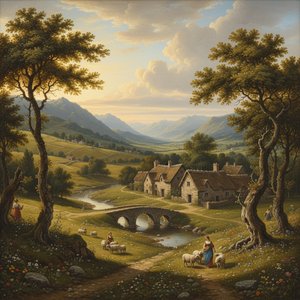
Evoking Arcadia: A Historical & Aesthetic Exploration of Rural Landscape Art
Explore the rich history of pastoral landscape art, from classical Arcadia to Impressionism & beyond. Discover key artists, movements, and how to collect serene rural scenes for your home. Expert insights at OriginalUniqueArt.
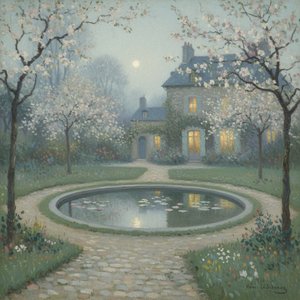
Henri Le Sidaner: Evoking Atmosphere & Intimacy in Post-Impressionist Landscapes
Discover the evocative world of Henri Le Sidaner, a master of Intimist painting. Explore his tranquil landscapes & atmospheric interiors – a celebration of light and intimacy. Learn about his life, style, and lasting legacy.

Sir Alfred James Munnings: Top 25 Děl Mistra Koní – Umění a Dekorace pro Vaši Sbírku
Prozkoumejte 25 ikonických obrazů Alfreda Jamese Munnings, mistra koní a anglického impresionismu. Obdivujte realistické krajinomalby, jezdecké scény a válečné obrazy. Reprodukce a luxusní dekorace na OriginalUniqueArt.com! Prohlédněte si celou sbírku online.
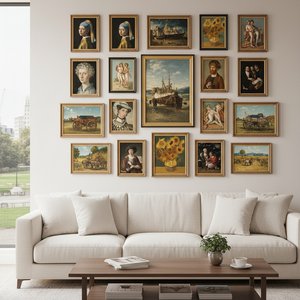
25 Mistrovských Děl Národní Galerie v Londýně: Umění pro Váš Domov | OriginalUniqueArt
Prozkoumejte 25 ikonických děl Národní galerie v Londýně! Obrazy Van Gogha, Moneta, Rembrandta a dalších mistrů. Historie umění, techniky a inspirace pro váš interiér. Reprodukce obrazů nejvyšší kvality na OriginalUniqueArt.com

