

 Náhled
 Sdílet
 Sdílet
 Podrobnosti o díle

 Stáhnout
 Podobné položky
 Rentgenové snímky
 Slideshow
 Statistiky
Still-Life
 Baroque Realism
 1645
1645 43.0 x 56.0 cm
 Zobrazit více
Koupě vysoce rozlišeného, vylepšeného digitálního obrazu, který je mnohem kvalitnější než online náhled.
Každý soubor je pečlivě připraven našimi odborníky pomocí pokročilých nástrojů a expertní manuální retuše. Zajišťujeme, aby každý obraz disponoval výjimečnou ostrostí, přesnou barevnou věrností a jemnými detaily.
Finální soubor vám bude do 72 hodin zaslán e-mailem, optimalizovaný pro okamžité použití v profesionálním, redakčním i tiskovém prostředí. Nabízíme stejnou kvalitu, které důvěřují špičková designová studia, nakladatelství i galerie.
Digitální obrazy
Stáhněte si soubor ve vysokém rozlišení pro osobní prohlížení, tisk a kreativní projekty. ( Přepnout na tisk Koupit ručně malovaný obraz)
Součást každé objednávky digitálního obrazu
Profesionální digitální doručení, zaručeno.
Když si vyberete OriginalUniqueArt.com, nezískáváte pouze obrázek – získáváte digitální umělecké dílo s profesionálně vylepšenými detaily, zpracované s precizností a podpořené zárukou za spokojenost. Zde je vše, co vaše objednávka automaticky obsahuje:

Rychlé doručení e-mailem
Váš digitální obraz ve vysokém rozlišení vám bude zaslán e-mailem do 72 hodin od objednávky – připraven k okamžitému použití.

Digitální soubor s využitím AI
Vaše umělecké dílo je profesionálně optimalizováno pomocí pokročilých nástrojů umělé inteligence a manuální úpravy, což zajišťuje maximální úroveň detailu, ostrosti a přesnosti barev.

Bezplatné doživotní znovuodeslání
Soubor jste omylem smazali nebo ztratili? Žádný problém – kdykoliv vám ho znovu zašleme zcela zdarma.

Bez poplatků za dovoz – navždy
Užijte si své umělecké dílo okamžitě bez celních poplatků, daní nebo nákladů na dopravu – digitální stažení je vždy bez daňových povinností.

Záruka přesnosti barev
Pomocí profesionálních nástrojů a správy barev zajišťujeme, aby váš digitální obraz odrážel původní barvy co nejvěrněji.

100dená záruka spokojenosti
Pokud nebudete s digitálním obrázkem spokojeni, provedeme jeho revizi nebo vám vrátíme 100% platby do 100 dnů – bez jakýchkoliv dotazů.

100% záruka vrácení peněz
Nespokojeni? Získejte plnou náhradu peněz do 100 dnů od obdržení digitálního souboru – bez zbytečných dotazů.

Slevy při hromadných objednávkách
Koupěte si 3 obrazy, ušetřete 10% - Koupěte si 5, ušetřete 15% - Koupěte si 10+, ušetřete 20%. Ideální pro kreativní projekty, galerie a agentury.
Biografie umělce
A Life Immersed in Stillness: The World of Roelof Koets
Roelof Koets, a name perhaps less immediately recognizable than some of his Dutch Golden Age contemporaries, nevertheless occupies a significant and fascinating niche within the pantheon of 17th-century Netherlandish painters. Born around 1592 in Haarlem, a city already blossoming with artistic talent, Koets dedicated his career to the meticulous rendering of still life – not as a mere depiction of objects, but as a profound exploration of texture, light, and the ephemeral beauty of the material world. His life, though relatively undocumented compared to some of the more flamboyant figures of the era, reveals a craftsman deeply embedded in the artistic community of his time, collaborating with leading painters and subtly influencing those who followed.Early Career and Guild Affiliation
The details of Koets’s early training remain somewhat elusive; however, it is clear he was immersed in the vibrant artistic milieu of Haarlem from a young age. The city itself served as an incubator for painters like Frans Hals, and the burgeoning trade and prosperity of the Dutch Golden Age provided both patronage and subject matter. In 1654, Koets became a member of the esteemed Haarlem Guild of St. Luke as a *vinder*, or dean – a position signifying recognition from his peers and a level of mastery within the guild’s structure. This affiliation was crucial; it not only provided access to commissions but also fostered collaboration with other artists. Notably, Koets frequently worked alongside Pieter Claesz and Jan Jansz van de Velde, often contributing specific elements—particularly fruits—to larger, more complex still life compositions. These collaborations highlight the division of labor common in 17th-century Dutch painting workshops, where specialized skills were pooled to create impressive works for a growing art market.Influences and Artistic Development
Koets’s artistic sensibility was shaped by several key influences. The work of Floris van Dyck is readily apparent in his early paintings, particularly in the delicate handling of light and shadow and the precise depiction of textures. He, in turn, exerted an influence on Floris van Schooten, demonstrating a clear lineage of artistic inspiration within the Haarlem school. However, Koets wasn’t simply imitating; he developed a distinctive style characterized by intimate compositions, rich browns and ochres, and a remarkable ability to capture the lifelike quality of perishable subjects like grapes, fish, and bread. His paintings are not grandiose displays of wealth but rather quiet meditations on the beauty of everyday objects, imbued with a subtle sense of realism and depth. The use of *impasto* – applying paint thickly to create texture – is particularly notable in his fruit still lifes, adding a tactile quality that draws the viewer into the scene.Major Achievements and Symbolic Resonance
While Koets’s oeuvre remains relatively small—only a handful of signed paintings survive—his contributions are nonetheless significant. Works like “Banquet Still-Life” (1655) exemplify his mastery of Baroque composition, showcasing opulent abundance and rich textures with dramatic *chiaroscuro* lighting. The painting is not merely a depiction of food; it’s a symbolic representation of prosperity, indulgence, and the fleeting nature of earthly pleasures. Similarly, “Still-Life” (1645), featuring grapes and raisins, demonstrates his exceptional skill in capturing the delicate translucence of fruit and the subtle play of light on their surfaces. These paintings are not simply exercises in technical virtuosity; they invite contemplation on themes of mortality, abundance, and the transience of life—a common thread within Dutch still life painting of the period. The inclusion of objects like silver salt cellars or elaborate glassware also hints at the wealth and status of the patrons who commissioned these works.Historical Significance and Legacy
Roelof Koets’s historical significance lies in his contribution to the development of Dutch Golden Age still life painting. He was part of a generation that elevated this genre from its earlier, more rudimentary forms to a sophisticated art form capable of conveying complex symbolism and emotional resonance. Though he is not as widely celebrated as some of his contemporaries, Koets’s work embodies the spirit of the era—a fascination with realism, a meticulous attention to detail, and a profound appreciation for the beauty of the everyday world. His paintings continue to captivate viewers today, offering a glimpse into the lives, values, and artistic sensibilities of 17th-century Netherlands. He is not to be confused with Roelof Koets of Zwolle, who specialized in portraiture, highlighting the importance of distinguishing between artists with similar names during this period. His legacy endures through his surviving works and the influence he had on subsequent generations of Dutch painters, solidifying his place as a key figure within the rich tapestry of the Dutch Golden Age.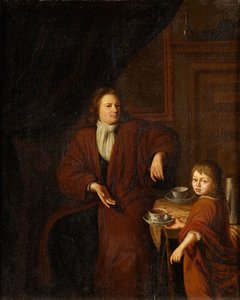
roelof koets
1592 - 1654 , Netherlands
Stručné informace
- Artistic Movement Or Style: Dutch Golden Age painting
- Artists Or Movements Influenced By This Artist: ['Floris van Schooten']
- Artists Who Influenced This Artist: ['Floris van Dyck']
- Date Of Birth: 1592
- Date Of Death: 1654
- Full Name: Roelof Koets
- Nationality: Dutch
- Notable Artworks:
- Banquet Still-Life
- Still-Life (1645)
- Portrait of a Minister
- Place Of Birth: Haarlem, Netherlands