Menu
Text size

() ·

A painting made for you, by hand

The Green Coat

Ručně malovaná olejová reprodukce

Rukou malované olejné plátno v libovolném rozměru i s rámem, vyrobené našimi umělci na zakázku. ( Přepnout na tisk Přepnout na digitální obraz)

Popis sbírného předmětu

A whimsical bird perched upon a chair draped in vibrant fabric defines this 1916 masterpiece by British Modernist Robert Polhill Bevan, offering a unique opportunity to bring this elegant oil painting into your collection.

Biografie umělce

Robert Polhill Bevan (1865-1925): Britský malíř a zakladatel skupiny Camden Town. Pionýr fauvizmu, známý výraznými krajinami a scénami každodenního života.

from ·

Chapter 1

How large should it be?

Slide to change the size; the picture on the left shows the frame at its real width. The proportions of the original are kept.

Standardní velikost
na zakázku
CM
INCH

Vyberte si z našich přednastavených velikostí, které odpovídají původním proporcím díla.

šířka
výška

Zadejte šířku a výšku, které potřebujete pro váš rám nebo stěnu. Protože se jedná o ruční malbu, při výběru jiného formátu může umělec kolem obrazu domalovat o něco více, nebo jej mírně oříznout — rozhodnete si vy. Před zahájením malby vám zašleme digitální náhled ke schválení. Obraz zobrazený na této stránce neodpovídá skutečnému výsledku — pouze digitální náhled jej zobrazuje.

Chapter 2

How should it arrive?

Choose the edges of the stretched canvas

Choose your frame

Corner sample of the WhiteWrap canvas edge finish, stretched on masivní dřevo bars
White Kč1
Corner sample of the BlurSideWrap canvas edge finish, stretched on masivní dřevo bars
Blurside Kč1
Corner sample of the ExtendedWrap canvas edge finish, stretched on masivní dřevo bars
Extended Kč1
Corner sample of the P118B picture frame: tvarovaný polystyren, 5 cm wide and 3 cm thick
P118B Kč10
Corner sample of the P118H picture frame: tvarovaný polystyren, 5 cm wide and 3 cm thick
P118H Kč10
Corner sample of the P118W picture frame: tvarovaný polystyren, 5 cm wide and 3 cm thick
P118W Kč10
Corner sample of the P438Z picture frame: tvarovaný polystyren, 5.5 cm wide and 3.5 cm thick
P438Z Kč10
Corner sample of the P508JH picture frame: tvarovaný polystyren, 7 cm wide and 3.5 cm thick
P508JH Kč12
Corner sample of the P508YH picture frame: tvarovaný polystyren, 7 cm wide and 3.5 cm thick
P508YH Kč12
Corner sample of the P805H picture frame: tvarovaný polystyren, 5 cm wide and 3.5 cm thick
P805H Kč10
Corner sample of the P805Z picture frame: tvarovaný polystyren, 5 cm wide and 3.5 cm thick
P805Z Kč10
Corner sample of the P919BZ picture frame: tvarovaný polystyren, 7 cm wide and 3.5 cm thick
P919BZ Kč10
Corner sample of the P919G picture frame: tvarovaný polystyren, 7 cm wide and 3.5 cm thick
P919G Kč10
Corner sample of the P919XJ picture frame: tvarovaný polystyren, 7 cm wide and 3.5 cm thick
P919XJ Kč10
Corner sample of the P959ZH picture frame: tvarovaný polystyren, 5 cm wide and 3 cm thick
P959ZH Kč10
Corner sample of the P968JZ picture frame: tvarovaný polystyren, 6 cm wide and 4 cm thick
P968JZ Kč12
Corner sample of the W106C picture frame: masivní dřevo, 5 cm wide and 3 cm thick
W106C Kč8
Corner sample of the W218G picture frame: masivní dřevo, 5 cm wide and 3 cm thick
W218G Kč10
Corner sample of the W218JH picture frame: masivní dřevo, 5 cm wide and 3 cm thick
W218JH Kč8
Corner sample of the W218Y picture frame: masivní dřevo, 5 cm wide and 3 cm thick
W218Y Kč10
Corner sample of the W307PJ picture frame: masivní dřevo, 6 cm wide and 3 cm thick
W307PJ Kč10
Corner sample of the W316G picture frame: masivní dřevo, 6 cm wide and 3 cm thick
W316G Kč10
Corner sample of the W316PJ picture frame: masivní dřevo, 6 cm wide and 3 cm thick
W316PJ Kč8
Corner sample of the W316Y picture frame: masivní dřevo, 6 cm wide and 3 cm thick
W316Y Kč10
Corner sample of the W398PJ picture frame: masivní dřevo, 5 cm wide and 3 cm thick
W398PJ Kč8
Corner sample of the W4111J picture frame: masivní dřevo, 6.5 cm wide and 3.5 cm thick
W4111J Kč10
Corner sample of the W500HY picture frame: masivní dřevo, 7 cm wide and 5 cm thick
W500HY Kč15
Corner sample of the W500JH picture frame: masivní dřevo, 7 cm wide and 5 cm thick
W500JH Kč15
Corner sample of the W692G picture frame: masivní dřevo, 8 cm wide and 4 cm thick
W692G Kč12
Corner sample of the W849H picture frame: masivní dřevo, 5 cm wide and 3 cm thick
W849H Kč8
Corner sample of the W940BG picture frame: masivní dřevo, 7.5 cm wide and 4.5 cm thick
W940BG Kč15
Corner sample of the W953PJ picture frame: masivní dřevo, 6 cm wide and 3.5 cm thick
W953PJ Kč8
Corner sample of the H24-GOLD picture frame: řezané dřevo s gessu, 10 cm wide and 6 cm thick
H24-GOLD Kč30
Corner sample of the H24-SILVER picture frame: řezané dřevo s gessu, 10 cm wide and 6 cm thick
H24-SILVER Kč30
Corner sample of the H36-GOLD picture frame: řezané dřevo s gessu, 15 cm wide and 6.5 cm thick
H36-GOLD Kč45
Corner sample of the H36-SILVER picture frame: řezané dřevo s gessu, 15 cm wide and 6.5 cm thick
H36-SILVER Kč45

Moulding: . Overall size with the frame: .

Chapter 3

Who paints it, and should anything change?

Examples of what can be changed: Replace face with customer photo; Add pet (e.g., replace cat with dog); Include hidden message in background; Change background landscape or elements.
After order, OriginalUniqueArt.com team will email client for instructions and provide a mockup preview

Celosvětová doprava () za 3–4 týdny namísto standardních 5 týdnů. (30 říjen). Bez kompromisů v kvalitě.

Chapter 4

The finishing touches

A nameplate, as in a museum?

Detaily ryté bronzové plakety

This elegant plaque features the artist's name and the title of the artwork, finely engraved for a timeless presentation.

It is made from bronze with a refined, elegant finish. The text is precisely laser-engraved for a sharp and permanent result. Measuring 9x2 cm, the plaque is compact yet easy to read. It's built to be durable and scratch-resistant, offering a professional, museum-quality look. Mounting is simple thanks to the included adhesive backing.

Detaily průhledné akrylové desky

The plaque includes essential engraved details such as the artist's name, the title of the artwork, the date it was created, the type of media used-like oil on canvas or watercolor-a brief description of the piece, and a QR code that links to the complete artwork information.

It is crafted from clear acrylic, offering a sleek, modern appearance. The text is UV-engraved in black to ensure strong visual contrast. With a size of 10x15 cm, it ensures optimal readability. It comes equipped with two metal hooks for secure wall mounting. The plaque is designed to be weather-resistant, making it suitable for various environments, and it includes interactive features that work seamlessly with smartphone scanning.

Detaily černé akrylové destičky

This elegant plaque includes engraved information such as the artist's name, the title of the artwork, the date it was created, the type of media used (like oil on canvas or watercolor), a short description of the artwork, and a QR code for quick access to more information.

The plaque itself is made from refined black acrylic with a premium finish. The text is laser-engraved in white for high contrast and readability. Its size is 10x15 cm, designed to be easy to read. It comes with two metal hooks for professional mounting. The design is sleek and fits any interior style. It is also weather-resistant and durable, with built-in digital integration for mobile compatibility.

A protective varnish?

When do you need it?

Chapter 5

Your painting, as you ordered it

The Green Coat

Technika reprodukce

Rozměry reprodukce

-

Vybraní mistři umění

Vyšší míra detailu, jemnosti a delší doba výroby

-

Možnosti rámování reprodukcí

-

-

U děl nebo reprodukcí, u nichž je jakákoliv strana větší než 105 cm (přibližně 41 palců), bude rám dodán jako sestava v rozloženém stavu. Tato metoda zajišťuje bezpečné doručení a chrání dílo před poškozením během přepravy.

Vyžaduje se odborná montáž – nejedná se o produkt pro svépomocnou realizaci (DIY).
Sestava musí být složena a plátno napnuto zkušeným profesionálním rámovačem s použitím dřevěného lepidla (není součástí balení), kleští na napínání plátna a svorek pro udržení pravých úhlů křížů během schnutí lepidla. Nesprávná montáž nebo nerovnoměrné napnutí plátna může způsobit trvalé poškození uměleckého díla, které není kryto naší zárukou.

  • Jsou zahrnuty všechny lišty z masivního dřeva, přesně na míru nařezané.

  • Sestavuje se pomocí součástí balení (šroubů), plus dřevěného lepidla na rohové spoje, které není součástí balení a musí jej zajistit váš rámovač.

  • Vyžaduje se profesionální nářadí, které není součástí sady: kleště na napínání plátna a svorky pro udržení kolmosti příček během schnutí lepidla.

Důležité:
Spoje v rozích vyžadují lepidlo na dřevo, tyčinky musí být přichyceny pomocí svorek, dokud lepidlo zcela neuschne, a pro napnutí plátna na sestavený rám je zapotřebí kleští na natahování plátna. Žádný z těchto náčiní není součástí sady. Před objednáním této velikosti prosím zajistěte zkušeného profesionálního rámovače.

Popisek díla

-

-

Ochranný lak

Lesklý lak (zvýrazňuje barvy, chrání před světlem a vlhkostí)

-

Přizpůsobit své umělecké dílo

Příklady možných úprav: nahrazení obličeje fotografií zákazníka; přidání domácího mazlíčka (např. výměna kočky za psa); vložení skrytého vzkazu do pozadí; změna krajiny nebo prvků v pozadí.

-

Prioritní doručení

Celosvětové doručení () za 3–4 týdny namísto standardních 5 týdnů. (30 říjen). Bez kompromisů v kvalitě.

-

Expresní doručení

Celosvětová doprava () do 5 týdnů. (6 listopad).

V ceně

Celková cena za vybrané možnosti reprodukcí

Kč 6516

Celková cena Kč 6516

Skleněná varianta je dostupná pouze u rozměrů menších než 110 cm

Included with every order

  • Zdarma celosvětová expresní doprava
  • Vysoce kvalitní lněné plátno
  • Kompletní pojištění přepravy
  • Záruka vrácení celního poplatku
  • Záruka věrného barevného souladu
  • 100dení lhůta pro vrácení zboží (pouze při vadách výroby)
  • 100% záruka vrácení peněz
  • Sleva při více objednávkách

The painting The Green Coat by Robert Bevan is a fascinating piece of art that showcases the artist's unique style and technique. Created in 1916, this oil on canvas painting measures 56 x 46 cm and features a chair with a green coat draped over it, along with a bird perched on the back of the chair.

Artist Background

Robert Bevan was a British artist known for his contributions to the development of modern art in the UK. His work is characterized by its simplicity and elegance, often featuring everyday objects and scenes. Bevan's style is reminiscent of other notable artists, such as Kazimir Severinovich Malevich, who was a pioneer of the Cubism movement. You can find more information about Malevich's work on OriginalUniqueArt.com.

The Painting's Significance

The Green Coat is a significant piece in Bevan's oeuvre, as it showcases his ability to create complex and thought-provoking works using simple compositions. The painting features a range of bold colors and intricate details, making it a standout piece in any collection. You can find similar paintings by Bevan on OriginalUniqueArt.com, including his notable work Under the Hammer.
  • The painting is a great example of Bevan's use of color and composition to create a sense of depth and atmosphere.
  • The inclusion of the bird perched on the back of the chair adds a touch of whimsy and playfulness to the piece.
  • The Green Coat is a testament to Bevan's skill as an artist and his ability to create complex and thought-provoking works using simple compositions.
Handmade oil painting reproductions of The Green Coat are available on OriginalUniqueArt.com, allowing art lovers to own a piece of history. The Museum School of Oriental And African Studies in London, United Kingdom, is also home to a range of notable artworks, including pieces by Sir George Clausen. You can find more information about the museum and its collection on OriginalUniqueArt.com.
The Green Coat is a captivating painting that showcases Robert Bevan's unique style and technique. Its significance lies in its ability to create a sense of depth and atmosphere using simple compositions, making it a standout piece in any collection.

Otázky a odpovědi

Do kterého uměleckého směru a do jaké éry spadá dílo „The Green Coat“ od Robert Polhill Bevan?

Dílo „The Green Coat“ od Robert Polhill Bevan patří k享有 směrům Fauvism, které charakterizovaly éru – 19. století svého autora.

Pod jakými dalšími jmény nebo pseudony je Robert Polhill Bevan známý/á?

Robert Polhill Bevan je známý/á také pod jmény Robert Bevan.

Kde si mohu koupit digitální kopii díla „The Green Coat“ od Robert Polhill Bevan?

„The Green Coat“ je k dispozici jako stažení digitálního obrazu ve vysokém rozlišení, zakoupit jej můžete přímo na stránce Digitální snímek.

More about this painting

Náhled v interiéru Náhled v AR Přepnout na tisk Přepnout na digitální obraz Sdílet
Podrobnosti o díle Průvodce Přidat do oblíbených Stáhnout Podobné položky Rentgenové snímky Slideshow Q&A Statistiky

In numbers

  • 1916the year it was painted
  • 29frames to choose from
  • standard sizes, in its own proportions
  • 5weeks to paint and deliver it
Robert Polhill Bevan

Robert Polhill Bevan

1865 - 1925, Spojené království

Quick facts about Robert Polhill Bevan

  • Artistic Movement Or Style: Fauvism, Divisionism
  • Artists Or Movements Influenced By This Artist: ['Modern British Art']
  • Artists Who Influenced This Artist:
    • Paul Gauguin
    • Velázquez
    • Goya
    • Renoir
  • Date Of Birth: 1865
  • Date Of Death: 1925
  • Full Name: Robert Polhill Bevan
  • Nationality: British
  • Notable Artworks:
    • The Farmhouse
    • Ploughing on the Downs
    • Queen’s Grove
    • The Cab Horse
  • Place Of Birth: Hove, United Kingdom

Biografie umělce

Robert Polhill Bevan (1865–1925): British painter & Camden Town Group founder

Robert Polhill Bevan, born in Hove in 1865, occupies a pivotal yet often understated position within the narrative of early 20th-century British art. Emerging from a Quaker background steeped in banking connections – his parents were Richard Alexander Bevan and Laura Maria Polhill – he defied conventional expectations to become a daring innovator, a key figure in the transition from Impressionism towards more radical explorations of color and form. His journey was one of constant experimentation, absorbing influences from across Europe while forging a distinctly personal artistic vision that would profoundly impact the development of modern art in Britain. Bevan’s early education at Westminster School of Art under Fred Brown provided a solid foundation, but it was his subsequent studies at the Académie Julian in Paris that truly ignited his creative spark. There, he encountered a constellation of rising stars – Paul Sérusier, Pierre Bonnard, Édouard Vuillard, and Maurice Denis – artists who were challenging academic conventions and embracing new approaches to painting. These encounters proved formative, exposing Bevan to the principles of synthetism and laying the groundwork for his future explorations.

Brittany, Fauvism, and the Search for Pure Color

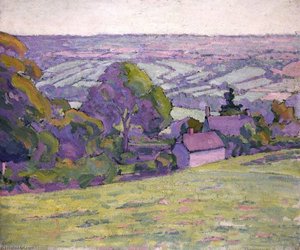
The impact of Brittany on Bevan’s artistic development cannot be overstated. Two significant journeys in 1890 and 1891 immersed him in the atmosphere of Pont-Aven, a small coastal town that had become a magnet for artists seeking an alternative to Parisian salon culture. The bold colors and simplified forms championed by artists like Gauguin resonated deeply with Bevan, influencing his early drawings and prints. He was particularly drawn to the luminous landscapes of Breton Brittany, where he spent considerable time studying the works of Paul Gauguin and Vincent van Gogh. This fascination fueled his experimentation with pure color – a technique that would foreshadow the emergence of Fauvism on the continent – as evidenced by paintings like “The Chestnut Tree” and “Landscape in the Blackdown Hills.” Bevan’s approach wasn't merely decorative; it represented a deliberate rejection of academic realism, prioritizing expressive chromatic intensity over accurate representation. This bold stylistic choice distinguished him from many of his contemporaries and cemented his place among the vanguard of British modernism. The influence of Cézanne was also palpable in Bevan’s work during this period, particularly in his exploration of geometric forms and spatial relationships – a testament to his intellectual curiosity and engagement with broader artistic trends.

Collective Visions: The Camden Town Group and Beyond

Bevan wasn't an artist who operated alone; he actively sought connection with fellow innovators determined to redefine British art. He was a founding member of the Fitzroy Street Group, alongside artists like Walter Sickert and Frank Auerbach, which quickly evolved into the Camden Town Group in 1911. This collective aimed to depict modern urban life – particularly London’s East End – with uncompromising honesty and emotional intensity. Bevan's involvement with the Camden Town Group was crucial for fostering a dialogue about artistic experimentation and challenging established conventions. He joined forces with Spencer Gore, Joseph Crawhall and Henry Tonks, creating a vibrant artistic community that pushed boundaries and explored new expressive possibilities. Furthermore, Bevan’s membership in the London Group (established in 1913) alongside artists like Vanessa Bell and Roger Fry solidified his commitment to avant-garde ideals and broadened his artistic horizons. He also participated in the Cumberland Market Group in 1915, collaborating with fellow Camden Town painters on ambitious projects that reflected the spirit of the era. Bevan’s engagement with these groups wasn't merely social; it stimulated intellectual debate and encouraged him to confront pressing societal issues – a characteristic that would inform his artistic output throughout his career.

Landscapes, Urban Scenes, and Lasting Legacy

Bevan’s oeuvre spanned diverse subjects—portraits capturing the dignity of individuals—and urban scenes documenting the realities of modern life (“The Cab Horse”). However, he is most celebrated for his landscapes – particularly those depicting the Blackdown Hills near Lewes, Sussex. His paintings embody a profound appreciation for the beauty of the natural world and are imbued with an expressive dynamism that captures fleeting moments of light and atmosphere. Works like “In the Downs Near Lewes,” “The Chestnut Tree” and “Landscape in the Blackdown Hills, Devon” exemplify Bevan’s mastery of color and brushwork—techniques honed during his formative years in Brittany and Paris. He skillfully employed divisionist principles – a technique pioneered by Georges Seurat – to achieve remarkable tonal effects, creating luminous surfaces that convey both visual splendor and emotional depth. Bevan's artistic vision extended beyond mere representation; he sought to communicate an inner experience—a feeling for the rhythms of nature and the complexities of human existence. His paintings remain treasured examples of British landscape art from the early twentieth century, demonstrating a commitment to innovation and aesthetic integrity that continues to inspire artists today. Bevan’s contribution to British modernism is undeniable; he stands as a beacon of artistic courage and intellectual curiosity—a legacy that secures his place in art history
  • Notable artworks: “The Farmhouse”, “Ploughing on the Downs”, “Queen’s Grove”, “The Cab Horse”
  • Places of birth: Hove, United Kingdom

Rychlé informace

  • Artist: Robert Polhill Bevan
  • Movement: British Modernism
  • Medium: Oil on canvas
  • Artistic style: Fauvism, simplicity, and elegance
  • Subject or theme: Still life with everyday objects
  • Dimensions: 56 x 46 cm