Zobrazit v interiéru
 Odeslat
 Sdílet
 Podrobnosti
 Průvodce

 Stáhnout obrázek
 Podobné kousky
 Rentgenové snímky
 Slideshow
 Statistiky
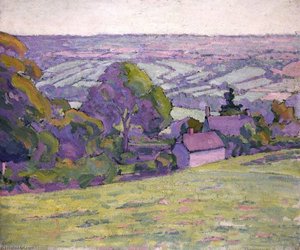
Ploughing on the Downs
 Oil On Canvas
- WallArt
- Post-Impressionism
 1906
1906- Modern
 62.0 x 82.0 cm
 Přečíst si více
Giclée / Umělecký tisk
Giclée nebo plátěný tisk muzeální kvality s rychlou výrobou a širokou nabídkou povrchových úprav. ( Objednat ručně malovanou reprodukci Přepnout na digitální verzi obrazu)




P118B Kč10

P118H Kč10

P118W Kč10

P438Z Kč10

P508JH Kč12

P508YH Kč12

P805H Kč10

P805Z Kč10

P919BZ Kč10

P919G Kč10

P919XJ Kč10

P959ZH Kč10

P968JZ Kč12

W106C Kč8

W218G Kč10

W218JH Kč8

W218Y Kč10

W307PJ Kč10

W316G Kč10

W316PJ Kč8

W316Y Kč10

W398PJ Kč8

W4111J Kč10

W500HY Kč15

W500JH Kč15

W692G Kč12

W849H Kč8

W940BG Kč15

W953PJ Kč8




Vyberte si z našich přednastavených velikostí, které odpovídají původním proporcím díla.

Můžete zadat vlastní rozměry tak, aby výtvor odpovídal konkrétnímu rámu nebo prostoru. Pokud zvolená velikost nebude odpovídat poměru stran původního obrazu, dílo buď ořížeme, nebo obraz rozšíříme pomocí zrcadlového efektu či jednobarevného okraje. Před zahájením výroby vám bude zaslán digitální náhled k schválení.
Mějte prosím na paměti, že náhled na obrazovce neodráží skutečné oříznutí nebo rozšíření. Pouze digitální náhled přesně zobrazí finální kompozici.
Ačkoliv jsou k dispozici i vlastní rozměry, pro zachování původních proporcí doporučujeme vybrat si rozměr z předdefinovaného seznamu.
Celosvětové doručení () do 2 týdnů namísto standardních 4/5 týdnů. (13 říjen)

Zdarma celosvětová expresní doprava

Vysoce kvalitní lněné plátno

Úplné pojištění přepravy

Záruka vrácení celního poplatku

Záruka věrného barevného shodu

100dení lhůta pro vrácení zboží (pouze při vadách výroby)

100% garance vrácení peněz

Sleva při více objednávkách
 Skleněná varianta je dostupná pouze u rozměrů menších než 110 cm

Ploughing on the Downs
Giclée / Umělecký tisk
Velikost reprodukce
-


Celková cena
Kč 1672
A Symphony of Rural Labor: The Essence of Ploughing on the Downs
In the quiet, rhythmic pulse of the English countryside, there exists a profound beauty found in the repetitive motions of agricultural life. Robert Polhill Bevan’s 1906 masterpiece, Ploughing on the Downs, captures this very essence with an almost poetic vitality. The canvas unfolds as a sprawling stage where the toil of the earth meets the grace of movement. At its heart, the composition is driven by the powerful presence of four horses, their forms engaged in the strenuous task of turning the soil. Each animal pulls in a slightly different direction, creating a dynamic tension that prevents the scene from feeling static. This interplay of strength and direction is mirrored by the human figures scattered across the landscape—two souls positioned near the left periphery and another on the right—all working in silent coordination with their beasts. Even a solitary dog, nestled near the center-left, adds a touch of domestic warmth to this industrious tableau, grounding the grand scale of the work in the intimate reality of farm life.
Beyond the mere depiction of farming, Bevan utilizes his unique position as a pioneer of British Modernism to infuse the scene with a vibrant, structural energy. While many of his contemporaries remained tethered to traditional realism, Bevan’s training at the Académie Julian in Paris allowed him to experiment with the bold colors and flattened planes that would later define the Camden Town Group. In Ploughing on the Downs, we see this transition in action; the use of oil on canvas provides a rich, tactile depth that makes the textures of the earth and the muscularity of the horses feel tangible. The artist’s brushwork does not merely outline shapes but breathes life into them, capturing the dust of the furrow and the heavy breath of the working animals. This technique creates a sense of "living" art, where the viewer can almost hear the low grunts of the horses and the soft rustle of the wind across the downs.
For the discerning collector or interior designer, this painting offers more than just a window into the past; it provides a sophisticated focal point that balances rustic charm with modern aesthetic sensibilities. The work serves as a tribute to the dignity of labor and the enduring connection between humanity and the land. Its palette, though rooted in the natural tones of the British landscape, possesses a rhythmic quality that can breathe life into a contemporary gallery or a classic study. To possess a high-quality reproduction of this piece is to invite a sense of historical continuity and tranquil strength into one's space. It is an invitation to pause, to reflect on the cycles of nature, and to appreciate the monumental beauty found in the most humble of daily endeavors.
Otázky a odpovědi
Jakou úroveň kontrastu vykazuje „Ploughing on the Downs“ od Robert Polhill Bevan?
Kontrast světla a stínu u díla „Ploughing on the Downs“ je klasifikován jako Bold. Kontrast popisuje, jak výrazně se liší světlé a tmavé oblasti.
Kdo vytvořil dílo "Ploughing on the Downs" a v jakém stylu je zpracováno?
Robert Polhill Bevan vytvořil dílo „Ploughing on the Downs“ v rámci směru Post-Impressionism.
Je k dispozici prezentace pro „Ploughing on the Downs“ od Robert Polhill Bevan?
Dílo „Ploughing on the Downs“ od Robert Polhill Bevan si můžete prohlédnout jako diaporama na stránce Diaporama daného díla.
Jak si mohu prohlédnout náhled reprodukce díla „Ploughing on the Downs“ od Robert Polhill Bevan?
Chcete-li si prohlédnout náhled reprodukce díla „Ploughing on the Downs“ od Robert Polhill Bevan, otevřete stránku Náhled tohoto díla.
Jaká technika byla použita pro dílo „Ploughing on the Downs“ od Robert Polhill Bevan?
„Ploughing on the Downs“ je vytvořeno v technice Oil On Canvas.
Kolik let bylo Robert Polhill Bevan, když v roce 1906 vytvořil(a) dílo „Ploughing on the Downs"?
Robert Polhill Bevan bylo 41 let, když v roce 1906 vytvořilo dílo „Ploughing on the Downs“. Věk je vypočítán z roku narození umělce, 1865.
Mohu si před koupí prohlédnout „Ploughing on the Downs“ od Robert Polhill Bevan na své vlastní stěně?
Dílo „Ploughing on the Downs“ od Robert Polhill Bevan si můžete prohlédnout přímo na své vlastní stěně díky stránce Náhled v AR s využitím rozšířené reality na kompatibilním zařízení.
Z jaké země pochází dílo Post-Impressionism s názvem "Ploughing on the Downs"?
Dílo „Ploughing on the Downs“ vytvořil/a Robert Polhill Bevan, narozený/á v Spojené království, v rámci směru Post-Impressionism. Původ umělce/umělkyně propojuje toto dílo s Post-Impressionism, jak jej praktikují umělci z Spojené království.
Biografie umělce
Robert Polhill Bevan (1865–1925): British painter & Camden Town Group founder
Robert Polhill Bevan, born in Hove in 1865, occupies a pivotal yet often understated position within the narrative of early 20th-century British art. Emerging from a Quaker background steeped in banking connections – his parents were Richard Alexander Bevan and Laura Maria Polhill – he defied conventional expectations to become a daring innovator, a key figure in the transition from Impressionism towards more radical explorations of color and form. His journey was one of constant experimentation, absorbing influences from across Europe while forging a distinctly personal artistic vision that would profoundly impact the development of modern art in Britain. Bevan’s early education at Westminster School of Art under Fred Brown provided a solid foundation, but it was his subsequent studies at the Académie Julian in Paris that truly ignited his creative spark. There, he encountered a constellation of rising stars – Paul Sérusier, Pierre Bonnard, Édouard Vuillard, and Maurice Denis – artists who were challenging academic conventions and embracing new approaches to painting. These encounters proved formative, exposing Bevan to the principles of synthetism and laying the groundwork for his future explorations.Brittany, Fauvism, and the Search for Pure Color
The impact of Brittany on Bevan’s artistic development cannot be overstated. Two significant journeys in 1890 and 1891 immersed him in the atmosphere of Pont-Aven, a small coastal town that had become a magnet for artists seeking an alternative to Parisian salon culture. The bold colors and simplified forms championed by artists like Gauguin resonated deeply with Bevan, influencing his early drawings and prints. He was particularly drawn to the luminous landscapes of Breton Brittany, where he spent considerable time studying the works of Paul Gauguin and Vincent van Gogh. This fascination fueled his experimentation with pure color – a technique that would foreshadow the emergence of Fauvism on the continent – as evidenced by paintings like “The Chestnut Tree” and “Landscape in the Blackdown Hills.” Bevan’s approach wasn't merely decorative; it represented a deliberate rejection of academic realism, prioritizing expressive chromatic intensity over accurate representation. This bold stylistic choice distinguished him from many of his contemporaries and cemented his place among the vanguard of British modernism. The influence of Cézanne was also palpable in Bevan’s work during this period, particularly in his exploration of geometric forms and spatial relationships – a testament to his intellectual curiosity and engagement with broader artistic trends.Collective Visions: The Camden Town Group and Beyond
Bevan wasn't an artist who operated alone; he actively sought connection with fellow innovators determined to redefine British art. He was a founding member of the Fitzroy Street Group, alongside artists like Walter Sickert and Frank Auerbach, which quickly evolved into the Camden Town Group in 1911. This collective aimed to depict modern urban life – particularly London’s East End – with uncompromising honesty and emotional intensity. Bevan's involvement with the Camden Town Group was crucial for fostering a dialogue about artistic experimentation and challenging established conventions. He joined forces with Spencer Gore, Joseph Crawhall and Henry Tonks, creating a vibrant artistic community that pushed boundaries and explored new expressive possibilities. Furthermore, Bevan’s membership in the London Group (established in 1913) alongside artists like Vanessa Bell and Roger Fry solidified his commitment to avant-garde ideals and broadened his artistic horizons. He also participated in the Cumberland Market Group in 1915, collaborating with fellow Camden Town painters on ambitious projects that reflected the spirit of the era. Bevan’s engagement with these groups wasn't merely social; it stimulated intellectual debate and encouraged him to confront pressing societal issues – a characteristic that would inform his artistic output throughout his career.Landscapes, Urban Scenes, and Lasting Legacy
Bevan’s oeuvre spanned diverse subjects—portraits capturing the dignity of individuals—and urban scenes documenting the realities of modern life (“The Cab Horse”). However, he is most celebrated for his landscapes – particularly those depicting the Blackdown Hills near Lewes, Sussex. His paintings embody a profound appreciation for the beauty of the natural world and are imbued with an expressive dynamism that captures fleeting moments of light and atmosphere. Works like “In the Downs Near Lewes,” “The Chestnut Tree” and “Landscape in the Blackdown Hills, Devon” exemplify Bevan’s mastery of color and brushwork—techniques honed during his formative years in Brittany and Paris. He skillfully employed divisionist principles – a technique pioneered by Georges Seurat – to achieve remarkable tonal effects, creating luminous surfaces that convey both visual splendor and emotional depth. Bevan's artistic vision extended beyond mere representation; he sought to communicate an inner experience—a feeling for the rhythms of nature and the complexities of human existence. His paintings remain treasured examples of British landscape art from the early twentieth century, demonstrating a commitment to innovation and aesthetic integrity that continues to inspire artists today. Bevan’s contribution to British modernism is undeniable; he stands as a beacon of artistic courage and intellectual curiosity—a legacy that secures his place in art history- Notable artworks: “The Farmhouse”, “Ploughing on the Downs”, “Queen’s Grove”, “The Cab Horse”
- Places of birth: Hove, United Kingdom

Robert Polhill Bevan
1865 - 1925 , Spojené království
Rychlé informace
- Artistic Movement Or Style: Fauvism, Divisionism
- Artists Or Movements Influenced By This Artist: ['Modern British Art']
- Artists Who Influenced This Artist:
- Paul Gauguin
- Velázquez
- Goya
- Renoir
- Date Of Birth: 1865
- Date Of Death: 1925
- Full Name: Robert Polhill Bevan
- Nationality: British
- Notable Artworks:
- The Farmhouse
- Ploughing on the Downs
- Queen’s Grove
- The Cab Horse
- Place Of Birth: Hove, United Kingdom
Související články

John Constable: 25 mistrovských děl krajinářské poezie | OriginalUniqueArt.com
Prozkoumejte 25 ikonických děl Johna Constabla, mistra anglického krajinářství a romantismu. Obdivujte jeho olejomalby, plátna s venkovskou atmosférou a inspirujte se pro dekoraci interiéru. Reprodukce obrazů nejvyšší kvality na OriginalUniqueArt.com

Cultivating Visions: A Historical Journey Through Rural Landscapes in Art
Explore the rich history of rural landscape painting with OriginalUniqueArt. Discover Impressionist masterpieces, key artists & movements. Find your perfect serene artwork and bring nature's beauty home.

Sir Alfred James Munnings: Top 25 Děl Mistra Koní – Umění a Dekorace pro Vaši Sbírku
Prozkoumejte 25 ikonických obrazů Alfreda Jamese Munnings, mistra koní a anglického impresionismu. Obdivujte realistické krajinomalby, jezdecké scény a válečné obrazy. Reprodukce a luxusní dekorace na OriginalUniqueArt.com! Prohlédněte si celou sbírku online.

Romantická krajina v malbě: 10 mistrovských děl, které definovaly umělecký proud | OriginalUniqueArt
Prozkoumejte 10 ikonických děl romantické krajinářské malby! Objevte příběhy Caspara Davida Friedricha, Turnera a dalších mistrů. Reprodukce obrazů nejvyšší kvality pro váš interiér na OriginalUniqueArt.com.

Evocations of Place: A Historical Journey Through Landscape Art
Explore the rich history of landscape art with OriginalUniqueArt. Discover renowned artists, movements like Impressionism & Romanticism, and expert guidance for collecting timeless pieces. Find your perfect serene escape today!