
 Náhled
 Sdílet
 Sdílet
 Podrobnosti o díle

 Stáhnout
 Podobné položky
 Rentgenové snímky
 Slideshow
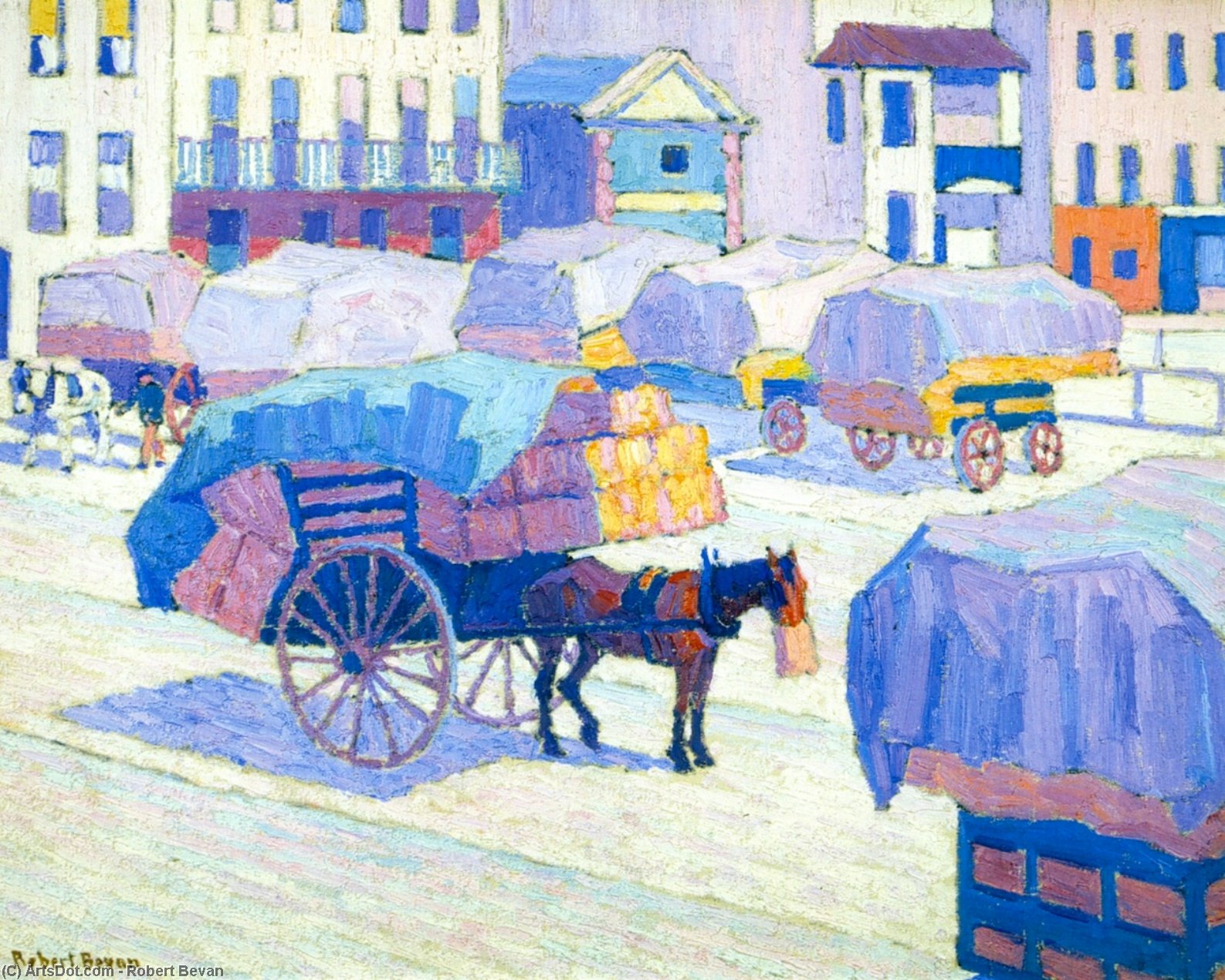
Hay Carts
 Oil On Canvas
- WallArt
- Fauvism
 1915
1915- Modern
 48.0 x 60.0 cm
 Zobrazit více
Koupě vysoce rozlišeného, vylepšeného digitálního obrazu, který je mnohem kvalitnější než online náhled.
Každý soubor je pečlivě připraven našimi odborníky pomocí pokročilých nástrojů a expertní manuální retuše. Zajišťujeme, aby každý obraz disponoval výjimečnou ostrostí, přesnou barevnou věrností a jemnými detaily.
Finální soubor vám bude do 72 hodin zaslán e-mailem, optimalizovaný pro okamžité použití v profesionálním, redakčním i tiskovém prostředí. Nabízíme stejnou kvalitu, které důvěřují špičková designová studia, nakladatelství i galerie.
Digitální obrazy
Stáhněte si soubor ve vysokém rozlišení pro osobní prohlížení, tisk a kreativní projekty. ( Přepnout na tisk Přepnout na ručně malovanou reprodukci)
Součást každé objednávky digitálního obrazu
Profesionální digitální doručení, zaručeno.
Když si vyberete OriginalUniqueArt.com, nezískáváte pouze obrázek – získáváte digitální umělecké dílo s profesionálně vylepšenými detaily, zpracované s precizností a podpořené zárukou za spokojenost. Zde je vše, co vaše objednávka automaticky obsahuje:

Rychlé doručení e-mailem
Váš digitální obraz ve vysokém rozlišení vám bude zaslán e-mailem do 72 hodin od objednávky – připraven k okamžitému použití.

Digitální soubor s využitím AI
Vaše umělecké dílo je profesionálně optimalizováno pomocí pokročilých nástrojů umělé inteligence a manuální úpravy, což zajišťuje maximální úroveň detailu, ostrosti a přesnosti barev.

Bezplatné doživotní znovuodeslání
Soubor jste omylem smazali nebo ztratili? Žádný problém – kdykoliv vám ho znovu zašleme zcela zdarma.

Bez poplatků za dovoz – navždy
Užijte si své umělecké dílo okamžitě bez celních poplatků, daní nebo nákladů na dopravu – digitální stažení je vždy bez daňových povinností.

Záruka přesnosti barev
Pomocí profesionálních nástrojů a správy barev zajišťujeme, aby váš digitální obraz odrážel původní barvy co nejvěrněji.

60denní záruka spokojenosti
Pokud nebudete s digitální fotografií spokojeni, provedeme její revizi nebo vám vrátíme 100% během 60 dnů – bez jakýchkoliv dotazů.

100% záruka vrácení peněz
Nespokojeni? Získejte plnou částku zpět do 60 dní od přijetí vašeho digitálního souboru – bez jakýchkoliv dotazů.

Slevy při hromadných objednávkách
Koupěte si 3 obrazy, ušetřete 10% - Koupěte si 5, ušetřete 15% - Koupěte si 10+, ušetřete 20%. Ideální pro kreativní projekty, galerie a agentury.
Popis sběratelského kusu
A Symphony of Motion: The Vibrant World of Robert Bevan’s Hay Carts
In the heart of 1915, amidst a world undergoing profound transformation, Robert Polhill Bevan captured a fleeting moment of rhythmic vitality in his masterpiece, "Hay Carts." This oil on canvas is far more than a mere depiction of a street scene; it is a sensory experience that invites the viewer to step into a bustling era of transition. The painting presents a lively tableau of horse-drawn carriages and wagons navigating a sunlit thoroughfare, where the heavy labor of the carts meets the casual stride of pedestrians. Through his masterful use of color and composition, Bevan breathes life into the inanimate, turning a routine moment of transport into a dynamic dance of light and movement.
The brilliance of this work lies in its ability to balance the weight of the subject matter with an almost weightless energy. The horses, serving as the focal points of the piece, are rendered with a keen eye for both anatomical presence and spirited character. As they pull their respective loads, there is a palpable sense of momentum that pulls the viewer’s gaze along the road, following the trajectory of the wagons. Bevan utilizes bold, confident brushstrokes that do not merely outline forms but suggest the very vibration of life on a busy street. This technique creates a textured surface where light seems to dance across the canvas, reflecting the shimmering atmosphere of a day in motion.
Modernist Vision and the Art of Everyday Life
As a pioneer of British Modernism and a founding member of the Camden Town Group, Bevan brought a revolutionary perspective to the depiction of everyday life. In "Hay Carts," we see the influence of Fauvism—a movement characterized by its use of intense, non-naturalistic colors to evoke emotion rather than strictly mimic reality. The palette is strikingly vibrant, utilizing rich tones that heighten the sense of warmth and activity. This approach allows the artist to transcend simple documentation, instead offering a psychological landscape where the interaction between humans, animals, and their environment feels deeply interconnected.
For the discerning collector or interior designer, "Hay Carts" offers a unique opportunity to introduce a piece of art history that is both intellectually stimulating and aesthetically pleasing. The painting’s composition—a sophisticated arrangement of diagonal lines and scattered figures—provides a sense of organized chaos that can serve as a captivating centerpiece in any curated space. Whether placed in a contemporary setting to provide a bold pop of color or within a more traditional gallery-style room to evoke a sense of nostalgia, the work radiates an enduring charm. It is a celebration of the beauty found in the mundane, reminding us that even the most routine street scenes hold the potential for profound artistic splendor.
Biografie umělce
Robert Polhill Bevan (1865–1925): British painter & Camden Town Group founder
Robert Polhill Bevan, born in Hove in 1865, occupies a pivotal yet often understated position within the narrative of early 20th-century British art. Emerging from a Quaker background steeped in banking connections – his parents were Richard Alexander Bevan and Laura Maria Polhill – he defied conventional expectations to become a daring innovator, a key figure in the transition from Impressionism towards more radical explorations of color and form. His journey was one of constant experimentation, absorbing influences from across Europe while forging a distinctly personal artistic vision that would profoundly impact the development of modern art in Britain. Bevan’s early education at Westminster School of Art under Fred Brown provided a solid foundation, but it was his subsequent studies at the Académie Julian in Paris that truly ignited his creative spark. There, he encountered a constellation of rising stars – Paul Sérusier, Pierre Bonnard, Édouard Vuillard, and Maurice Denis – artists who were challenging academic conventions and embracing new approaches to painting. These encounters proved formative, exposing Bevan to the principles of synthetism and laying the groundwork for his future explorations.Brittany, Fauvism, and the Search for Pure Color
The impact of Brittany on Bevan’s artistic development cannot be overstated. Two significant journeys in 1890 and 1891 immersed him in the atmosphere of Pont-Aven, a small coastal town that had become a magnet for artists seeking an alternative to Parisian salon culture. The bold colors and simplified forms championed by artists like Gauguin resonated deeply with Bevan, influencing his early drawings and prints. He was particularly drawn to the luminous landscapes of Breton Brittany, where he spent considerable time studying the works of Paul Gauguin and Vincent van Gogh. This fascination fueled his experimentation with pure color – a technique that would foreshadow the emergence of Fauvism on the continent – as evidenced by paintings like “The Chestnut Tree” and “Landscape in the Blackdown Hills.” Bevan’s approach wasn't merely decorative; it represented a deliberate rejection of academic realism, prioritizing expressive chromatic intensity over accurate representation. This bold stylistic choice distinguished him from many of his contemporaries and cemented his place among the vanguard of British modernism. The influence of Cézanne was also palpable in Bevan’s work during this period, particularly in his exploration of geometric forms and spatial relationships – a testament to his intellectual curiosity and engagement with broader artistic trends.Collective Visions: The Camden Town Group and Beyond
Bevan wasn't an artist who operated alone; he actively sought connection with fellow innovators determined to redefine British art. He was a founding member of the Fitzroy Street Group, alongside artists like Walter Sickert and Frank Auerbach, which quickly evolved into the Camden Town Group in 1911. This collective aimed to depict modern urban life – particularly London’s East End – with uncompromising honesty and emotional intensity. Bevan's involvement with the Camden Town Group was crucial for fostering a dialogue about artistic experimentation and challenging established conventions. He joined forces with Spencer Gore, Joseph Crawhall and Henry Tonks, creating a vibrant artistic community that pushed boundaries and explored new expressive possibilities. Furthermore, Bevan’s membership in the London Group (established in 1913) alongside artists like Vanessa Bell and Roger Fry solidified his commitment to avant-garde ideals and broadened his artistic horizons. He also participated in the Cumberland Market Group in 1915, collaborating with fellow Camden Town painters on ambitious projects that reflected the spirit of the era. Bevan’s engagement with these groups wasn't merely social; it stimulated intellectual debate and encouraged him to confront pressing societal issues – a characteristic that would inform his artistic output throughout his career.Landscapes, Urban Scenes, and Lasting Legacy
Bevan’s oeuvre spanned diverse subjects—portraits capturing the dignity of individuals—and urban scenes documenting the realities of modern life (“The Cab Horse”). However, he is most celebrated for his landscapes – particularly those depicting the Blackdown Hills near Lewes, Sussex. His paintings embody a profound appreciation for the beauty of the natural world and are imbued with an expressive dynamism that captures fleeting moments of light and atmosphere. Works like “In the Downs Near Lewes,” “The Chestnut Tree” and “Landscape in the Blackdown Hills, Devon” exemplify Bevan’s mastery of color and brushwork—techniques honed during his formative years in Brittany and Paris. He skillfully employed divisionist principles – a technique pioneered by Georges Seurat – to achieve remarkable tonal effects, creating luminous surfaces that convey both visual splendor and emotional depth. Bevan's artistic vision extended beyond mere representation; he sought to communicate an inner experience—a feeling for the rhythms of nature and the complexities of human existence. His paintings remain treasured examples of British landscape art from the early twentieth century, demonstrating a commitment to innovation and aesthetic integrity that continues to inspire artists today. Bevan’s contribution to British modernism is undeniable; he stands as a beacon of artistic courage and intellectual curiosity—a legacy that secures his place in art history- Notable artworks: “The Farmhouse”, “Ploughing on the Downs”, “Queen’s Grove”, “The Cab Horse”
- Places of birth: Hove, United Kingdom

Robert Polhill Bevan
1865 - 1925 , Spojené království
Stručné informace
- Artistic Movement Or Style: Fauvism, Divisionism
- Artists Or Movements Influenced By This Artist: ['Modern British Art']
- Artists Who Influenced This Artist:
- Paul Gauguin
- Velázquez
- Goya
- Renoir
- Date Of Birth: 1865
- Date Of Death: 1925
- Full Name: Robert Polhill Bevan
- Nationality: British
- Notable Artworks:
- The Farmhouse
- Ploughing on the Downs
- Queen’s Grove
- The Cab Horse
- Place Of Birth: Hove, United Kingdom

