
 Náhled
 Sdílet
 Sdílet
 Podrobnosti o díle

 Stáhnout
 Podobné položky
 Rentgenové snímky
 Slideshow
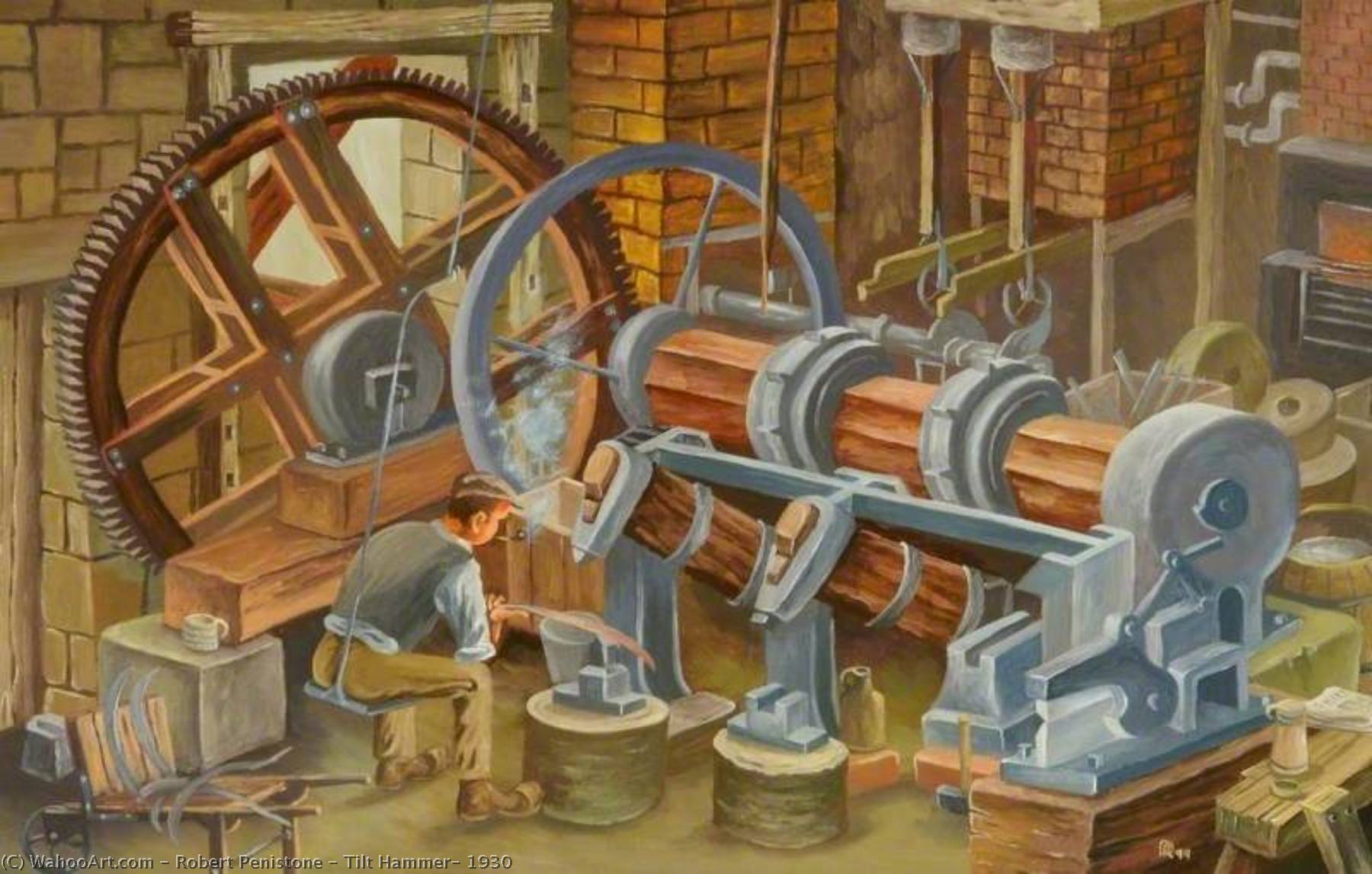
Tilt Hammer, 1930
 2000
2000 43.0 x 63.0 cm
 Zobrazit více
Koupě vysoce rozlišeného, vylepšeného digitálního obrazu, který je mnohem kvalitnější než online náhled.
Každý soubor je pečlivě připraven našimi odborníky pomocí pokročilých nástrojů a expertní manuální retuše. Zajišťujeme, aby každý obraz disponoval výjimečnou ostrostí, přesnou barevnou věrností a jemnými detaily.
Finální soubor vám bude do 72 hodin zaslán e-mailem, optimalizovaný pro okamžité použití v profesionálním, redakčním i tiskovém prostředí. Nabízíme stejnou kvalitu, které důvěřují špičková designová studia, nakladatelství i galerie.
Digitální obrazy
Stáhněte si soubor ve vysokém rozlišení pro osobní prohlížení, tisk a kreativní projekty. ( Koupit tisk Koupit ručně malovaný obraz)
Součást každé objednávky digitálního obrazu
Profesionální digitální doručení, zaručeno.
Když si vyberete OriginalUniqueArt.com, nezískáváte pouze obrázek – získáváte digitální umělecké dílo s profesionálně vylepšenými detaily, zpracované s precizností a podpořené zárukou za spokojenost. Zde je vše, co vaše objednávka automaticky obsahuje:

Rychlé doručení e-mailem
Váš digitální obraz ve vysokém rozlišení vám bude zaslán e-mailem do 72 hodin od objednávky – připraven k okamžitému použití.

Digitální soubor s využitím AI
Vaše umělecké dílo je profesionálně optimalizováno pomocí pokročilých nástrojů umělé inteligence a manuální úpravy, což zajišťuje maximální úroveň detailu, ostrosti a přesnosti barev.

Bezplatné doživotní znovuodeslání
Soubor jste omylem smazali nebo ztratili? Žádný problém – kdykoliv vám ho znovu zašleme zcela zdarma.

Bez poplatků za dovoz – navždy
Užijte si své umělecké dílo okamžitě bez celních poplatků, daní nebo nákladů na dopravu – digitální stažení je vždy bez daňových povinností.

Záruka přesnosti barev
Pomocí profesionálních nástrojů a správy barev zajišťujeme, aby váš digitální obraz odrážel původní barvy co nejvěrněji.

60denní záruka spokojenosti
Pokud nebudete s digitální fotografií spokojeni, provedeme její revizi nebo vám vrátíme 100% během 60 dnů – bez jakýchkoliv dotazů.

100% záruka vrácení peněz
Nespokojeni? Získejte plnou částku zpět do 60 dní od přijetí vašeho digitálního souboru – bez jakýchkoliv dotazů.

Slevy při hromadných objednávkách
Koupěte si 3 obrazy, ušetřete 10% - Koupěte si 5, ušetřete 15% - Koupěte si 10+, ušetřete 20%. Ideální pro kreativní projekty, galerie a agentury.
Popis sběratelského kusu
The Artist's Vision
Robert Penistone's work is characterized by its attention to detail and ability to capture the essence of industrial scenes. In "Tilt Hammer", the artist focuses on a large machine, with a man working on it, surrounded by other workers and machinery. The scene is set amidst a backdrop of chairs scattered throughout the area, likely for workers to rest during their breaks. This painting is not only a testament to Penistone's skill but also a window into the past, showcasing the daily life and hardships of factory workers.Other Notable Works by Robert Penistone
Some of Robert Penistone's other notable works include "Crane Driver" (1930) and "Forging Steel under a Steam Hammer" (1930), both of which are also housed at the Kelham Island Museum. These paintings, like "Tilt Hammer", demonstrate Penistone's fascination with industrial themes and his ability to bring them to life through art. For more information on these works, visit Robert Penistone: Tilt Hammer, 1930 and explore the extensive collection of artworks available at OriginalUniqueArt.com.To discover more about the industrial heritage preserved by the Kelham Island Museum, read Discovering the Artworks of Kelham Island Museum, United Kingdom. This resource provides a deeper understanding of the museum's role in preserving the history of Sheffield's industrial past.
- View Robert Penistone's artworks at Robert Penistone | OriginalUniqueArt.com
- Explore the collection of the Kelham Island Museum through OriginalUniqueArt.com's documentation
- Learn about the significance of industrial art and its preservation at Kelham Island Museum
Biografie umělce
A Life Forged in Steel and Shadow
Robert Penistone (born 1946) isn't merely an artist; he’s a meticulous recorder, a preserver of a vanishing world. His canvases aren’t landscapes in the traditional sense – they are meticulously rendered studies of industry, of the grit and grandeur of Sheffield during its twilight years. Born into a city steeped in steelmaking history, Penistone's artistic journey is inextricably linked to the very fabric of his hometown. He didn’t seek out romantic vistas; instead, he chose to confront the stark reality of factories, foundries, and the men who labored within them – capturing their strength, their weariness, and the enduring spirit of a community built on heavy industry.
Penistone's early life was deeply influenced by the industrial landscape surrounding him. Growing up in Sheffield during the post-war era meant witnessing firsthand the decline of its once-dominant steel industry. This period of transition – the shift from boom to bust, the loss of jobs and community identity – became a central theme in his work. He wasn’t interested in glorifying the past; rather, he sought to document it with unflinching honesty, preserving these scenes before they were entirely erased by time and progress. His artistic training, though not formally extensive, was undoubtedly shaped by this lived experience, instilling within him an acute observational skill and a deep understanding of his subject matter.
The Language of Industry: Technique and Style
Penistone’s technique is characterized by its remarkable detail and almost photographic realism. He employs a layered approach to painting, building up the image through numerous thin glazes of oil paint – a method that allows him to capture subtle variations in texture, light, and shadow with astonishing precision. His palette is predominantly muted, dominated by shades of grey, brown, ochre, and rust – colors directly evocative of the industrial environment he depicts. These tones aren’t applied randomly; they are carefully chosen to convey mood and atmosphere, creating a sense of both solidity and melancholy.
Crucially, Penistone doesn't simply reproduce what he sees. He actively shapes his compositions, using perspective and light to draw the viewer into the scene. His figures – often workers in their overalls and helmets – are rendered with a quiet dignity, suggesting resilience and stoicism. The use of strong diagonals and geometric forms within the factory interiors adds a dynamic element to his paintings, reflecting the relentless machinery that powered the industry. He’s less concerned with capturing a single moment in time than with conveying the *feeling* of being present within these spaces – the heat, the noise, the pervasive sense of labor.
Sheffield's Industrial Echoes: Key Works and Themes
Several works stand out as particularly significant examples of Penistone’s artistic vision. “Siemens Open Hearth, Sheffield, No. 1 Melting Shop (1917–1968)” is arguably his most iconic painting – a monumental depiction of the heart of Sheffield's steelmaking operation. The sheer scale of the scene, combined with its meticulous detail, creates an immersive experience for the viewer, transporting them directly into the furnace room. Similarly, “View of Stocksbridge, Sheffield, from the Clock Tower Gardens, Late 1940s” offers a poignant glimpse into the city’s post-war recovery, capturing the resilience of its inhabitants amidst the ruins of industry.
Beyond these specific works, Penistone's oeuvre consistently explores recurring themes: the dignity of labor, the impact of industrialization on community life, and the bittersweet beauty of a disappearing world. He wasn’t simply documenting factories; he was portraying the people who worked within them – their faces etched with hardship, but also radiating an undeniable sense of pride and purpose. His paintings serve as a powerful testament to Sheffield's industrial heritage, reminding us of the sacrifices made and the legacy left behind.
A Lasting Legacy: Penistone’s Place in British Art
Robert Penistone’s work occupies a unique space within British art history. While he shares affinities with the documentary realism of artists like Ian Potter and Graham Sutherland, his focus on industrial subjects sets him apart. He's not simply an observer; he’s an interpreter – a chronicler of a specific time and place, capturing its essence with remarkable skill and sensitivity.
His paintings are increasingly recognized for their historical significance, offering invaluable insights into the social and economic realities of post-war Britain. Penistone's work is held in collections such as the Museo Robert Brady in Mexico, demonstrating a growing international appreciation for his unique artistic vision. More than just an artist, he’s become a visual historian – preserving the memory of Sheffield’s industrial past for future generations.

robert penistone
1946 -
Stručné informace
- Artistic Movement Or Style: Industrial Painting
- Artists Or Movements Influenced By This Artist: ['British Landscape']
- Artists Who Influenced This Artist:
- Turner
- Rossetti
- Date Of Birth: 1946
- Full Name: Robert Penistone
- Nationality: British
- Notable Artworks:
- Siemens Open Hearth
- View of Stocksbridge
- Place Of Birth: Sheffield, UK

