- Domů

- Reprodukce olejomalby
- robert le lorrain
- Vertumnus and Pomona

 Koupit tisk Koupit digitální obrázek
 Sdílet
 Sdílet
 Podrobnosti o díle
 Přidat do oblíbených

 Stáhnout
 Podobné položky
 Rentgenové snímky
 Slideshow
Vertumnus and Pomona

 Zobrazit více
Ručně malovaná olejová reprodukce
Ručně malovaná olejná barva na plátně ve vašem zvoleném rozměru i s rámem, vyrobená našimi umělci na zakázku.




P118B $10

P118H $10

P118W $10

P438Z $10

P508JH $12

P508YH $12

P805H $10

P805Z $10

P919BZ $10

P919G $10

P919XJ $10

P959ZH $10

P968JZ $12

W106C $8

W218G $10

W218JH $8

W218Y $10

W307PJ $10

W316G $10

W316PJ $8

W316Y $10

W398PJ $8

W4111J $10

W500HY $15

W500JH $15

W692G $12

W849H $8

W940BG $15

W953PJ $8




Vyberte si z našich přednastavených velikostí, které odpovídají původním proporcím díla.

Můžete zadat vlastní rozměry pro konkrétní rám nebo prostor. Pokud se vámi vybraná velikost neshoduje s proporcemi původního obrazu, dílo buď ořízneme, nebo jej doplníme ručně malovanými prvky. Před zahájením výroby vám bude zaslán digitální náhled ke schválení.
Upozorňujeme, že náhled na obrazovce neodpovídá skutečnému ořezu ani rozšíření. Pouze digitální náhled přesně zobrazí finální kompozici.
Ačkoliv je možné zvolit vlastní velikost, pro zachování původních proporcí doporučujeme vybrat rozměr z předdefinovaného seznamu.
Po přijetí objednávky vám tým OriginalUniqueArt.com zašle e-mail s pokyny a poskytne náhledovou verzi.
Celosvětová doprava () za 3–4 týdny namísto standardních 5 týdnů. (19 červenec). Bez kompromisů v kvalitě.

Zdarma celosvětová expresní doprava

Vysoce kvalitní lněné plátno

Kompletní přepravní pojištění

Záruka vrácení celního poplatku

Záruka přesného barevného shodu

60denní lhůta pro vrácení zboží (pouze při vadách výroby)

100% garance vrácení peněz

Sleva při hromadné objednávce
 Skleněná varianta je dostupná pouze u rozměrů menších než 110 cm

Vertumnus and Pomona
Technika reprodukce
Rozměry reprodukce
-


Celková cena za výběr
-
Biografie umělce
Giovanni Francesco Barbieri, ‘Il Guercino’ – A Master of Dramatic Light and Shadow
Giovanni Francesco Barbieri, universally known as Il Guercino (1591-1666), stands as a pivotal figure in the transition between Mannerism and Baroque painting. Born in Cento, a small town near Bologna, Italy, his early life was marked by a physical condition – a pronounced squint that earned him the nickname “il guercino,” meaning ‘the squinter.’ This visual impairment profoundly shaped his artistic vision, fostering an intense sensitivity to light, shadow, and form, ultimately leading to a distinctive style characterized by dramatic contrasts and a powerful emotional resonance. Unlike many artists of his time who relied on idealized beauty and classical restraint, Guercino embraced a more visceral approach, drawing inspiration from Caravaggio’s revolutionary use of tenebrism – the stark juxtaposition of light and dark – while simultaneously developing a unique expressive language.- Early Influences: Guercino's artistic journey began largely through self-study, though he received crucial instruction from Benedetto Gennari, a prominent Bolognese painter. His early works demonstrate a clear debt to the Carracci brothers, particularly Ludovico, whose emphasis on naturalism and dynamic composition served as a foundational influence.
- Rome and the Papal Court: A pivotal moment in his career arrived when he was summoned to Rome by Pope Gregory XV in 1621. This invitation provided him with access to significant commissions and exposed him to the vibrant artistic milieu of the city, further refining his technique and broadening his subject matter.
- A Varied Style: Guercino’s style evolved considerably throughout his career, reflecting both external influences and internal experimentation. His early works are characterized by a refined elegance and a meticulous attention to detail, while later paintings exhibit a greater sense of dynamism, emotional intensity, and a looser brushstroke.
The Dramatic Power of Light and Shadow
Guercino’s most distinctive contribution to the art world lies in his masterful manipulation of light and shadow – a technique he honed through years of careful observation and relentless experimentation. Unlike many of his contemporaries who employed chiaroscuro as a mere stylistic device, Guercino used it to convey profound psychological states and heighten the dramatic impact of his scenes. He meticulously studied the way light interacts with surfaces, creating an illusion of depth and volume that draws the viewer into the heart of the composition.- Tenebrism’s Influence: While not a direct follower of Caravaggio, Guercino absorbed many of the principles of tenebrism, employing strong contrasts between light and dark to create a sense of mystery and drama.
- Modeling and Shading: His approach extended beyond simple darkness; he skillfully used subtle gradations of shading to model forms, creating a remarkable illusion of three-dimensionality.
- Emotional Resonance: Guercino’s use of light and shadow was not merely decorative but served as a powerful tool for communicating emotion – conveying feelings of anguish, ecstasy, or profound contemplation.
Key Works and Patronage
Guercino's prolific output spanned a wide range of subjects, including biblical scenes, mythological narratives, portraits, and allegorical compositions. His most celebrated works include *Jacob Blessing the Sons of Joseph* (1620), a monumental altarpiece housed in the National Gallery of Ireland, and *The Cumaean Sibyl* (c. 1638), a dramatic depiction of the prophetess foretelling the birth of Christ. He also produced numerous drawings, which are highly valued for their technical brilliance and expressive power.- Ecclesiastical Commissions: A significant portion of Guercino’s work was commissioned by churches and religious institutions, reflecting his commitment to serving the Catholic Church.
- Portraiture: He also produced a number of portraits, often characterized by their psychological depth and subtle nuances of expression.
- The National Gallery Collection: The National Gallery in London holds an exceptional collection of Guercino’s works, providing invaluable insight into the evolution of his style and artistic vision.
Legacy and Historical Significance
Despite facing criticism during his lifetime for stylistic shifts and a perceived decline in quality, Guercino's influence on subsequent generations of artists is undeniable. His innovative use of light and shadow, combined with his dramatic compositions and profound emotional intensity, paved the way for future developments in Baroque painting. He stands as a testament to the power of individual vision and the enduring legacy of a truly remarkable artist.- Influence on Later Artists: Guercino’s work inspired artists such as Frans Hals and influenced Impressionist painters like Monet and Van Gogh.
- A Bridge Between Styles: He represents a crucial link between Mannerism and Baroque, embodying the dynamism and expressive potential of both styles.
- Rediscovery in the 20th Century: Guercino’s work experienced a significant revival in the 20th century, thanks to the efforts of scholars like Sir Denis Mahon, who meticulously researched his life and oeuvre, ensuring that his artistic achievements would be recognized and appreciated by a wider audience.

robert le lorrain
1666 - 1743 , France
Rychlé fakta
- Artistic Movement Or Style: Baroque
- Artists Or Movements Influenced By This Artist:
- Frans Hals
- Impressionists
- Artists Who Influenced This Artist:
- Caravaggio
- Ludovico Carracci
- Date Of Birth: February 8, 1591
- Date Of Death: December 22, 1666
- Full Name: Giovanni Francesco Barbieri, called Guercino
- Nationality: Italian
- Notable Artworks:
- Jacob blessing the sons of Joseph
- King David
- The Cumaean Sibyl
- Hagar and Ishmael
- Place Of Birth: Cento, Italy
Související články
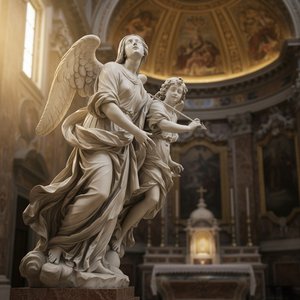
Gian Lorenzo Bernini: Sculpting Baroque Emotion & the Roman Imagination
Explore the life & revolutionary art of Gian Lorenzo Bernini, the master sculptor of the Baroque era. Discover his iconic works like David and Ecstasy of Saint Teresa – a journey into Roman artistic genius.

The Dramatic Flourish: Exploring the Baroque Movement's Enduring Legacy in Art History
Explore the dramatic world of Baroque art! Discover iconic artists like Caravaggio & Rubens, defining techniques, and its lasting impact on art history. Expert insights for collectors & enthusiasts at OriginalUniqueArt.
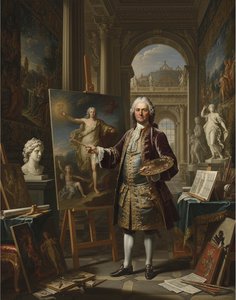
Charles Le Brun: Master of French Baroque Classicism & His Enduring Legacy
Explore the life & art of Charles Le Brun, master of French Baroque Classicism. Discover his royal commissions, influence on Versailles, and enduring legacy through detailed analysis & stunning artworks.

Echoes of Olympus: Mythological Narratives in Western Art Through the Ages
Explore the captivating history of mythological narratives in Western art! From ancient Greece to modern masterpieces, discover iconic artworks & symbolism. Expert analysis and high-quality reproductions at OriginalUniqueArt.

Pietro da Cortona: Baroque Grandeur & the Synthesis of Roman Painting
Explore the life & masterpieces of Pietro da Cortona, a defining figure of the Italian Baroque. Discover his stunning frescoes at Palazzo Barberini and lasting influence on Roman art history. Learn more with OriginalUniqueArt.

