
 Náhled
 Sdílet
 Sdílet
 Podrobnosti o díle

 Stáhnout
 Podobné položky
 Rentgenové snímky
 Slideshow
 Statistiky
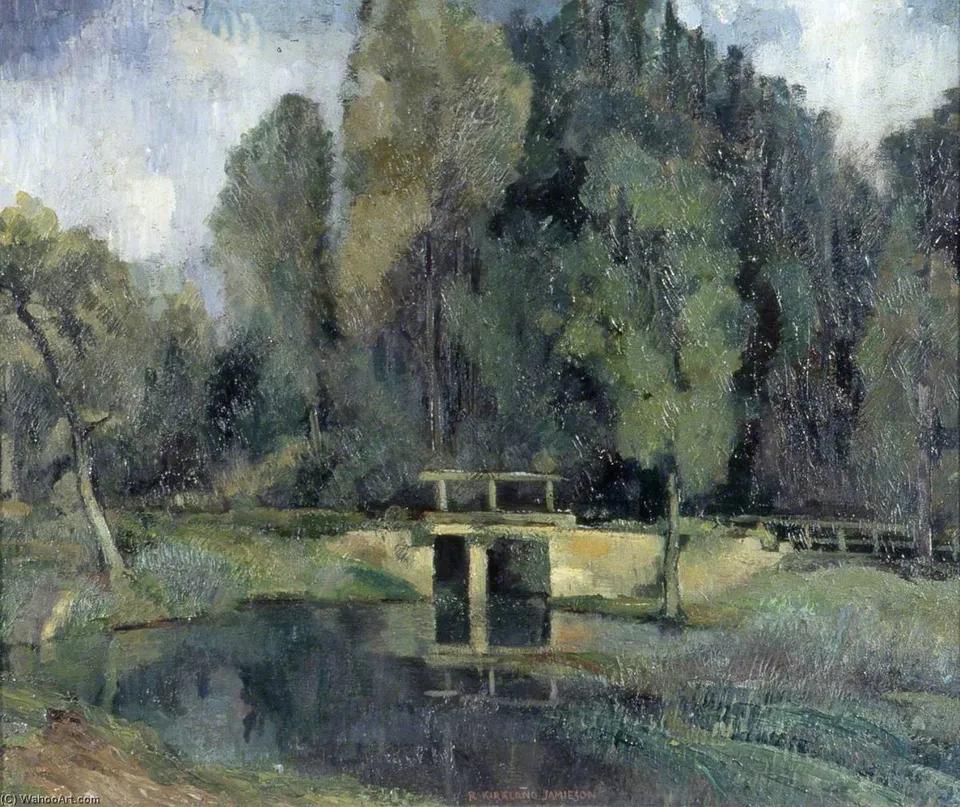
A Sluice on the 'Windrush'
 64.0 x 76.0 cm
 Zobrazit více
Giclée / Umělecký tisk
Giclée nebo plátěný tisk muzeální kvality s rychlou výrobou a flexibilními možnostmi povrchové úpravy. ( Koupit ručně malovaný obraz Přepnout na digitální obraz)




































Vyberte si z našich přednastavených velikostí, které odpovídají původním proporcím díla.

Můžete zadat vlastní rozměry tak, aby výtvor odpovídal konkrétnímu rámu nebo prostoru. Pokud zvolená velikost nebude odpovídat poměru stran původního obrazu, dílo buď ořížeme, nebo obraz rozšíříme pomocí zrcadlového efektu či jednobarevného okraje. Před zahájením výroby vám bude zaslán digitální náhled k schválení.
Mějte prosím na paměti, že náhled na obrazovce neodráží skutečné oříznutí nebo rozšíření. Pouze digitální náhled přesně zobrazí finální kompozici.
Ačkoliv jsou k dispozici i vlastní rozměry, pro zachování původních proporcí doporučujeme vybrat si rozměr z předdefinovaného seznamu.
Celosvětové doručení () do 2 týdnů namísto standardních 4/5 týdnů. (16 září)

Zdarma celosvětová expresní doprava

Vysoce kvalitní lněné plátno

Kompletní přepravní pojištění

Záruka vrácení celního poplatku

Záruka přesného barevného shodu

100dená lhůta pro vrácení zboží (pouze při vadách)

100% garance vrácení peněz

Sleva při hromadné objednávce
 Skleněná varianta je dostupná pouze u rozměrů menších než 110 cm

A Sluice on the 'Windrush'
Giclée / Umělecký tisk
Rozměry reprodukce
-


Celková cena za výběr
$ 80
Biografie umělce
The Serene Vision of Robert Kirkland Jamieson
In the quiet corners of the early twentieth-century landscape, few artists captured the ephemeral magic of the English countryside with as much tenderness as Robert Kirkland Jamieson. A Scottish painter whose soul seemed deeply entwined with the pastoral rhythms of rural life, Jamieson possessed a rare ability to translate the stillness of a garden or the biting chill of a winter morning into a visual poem. Born in 1881 in Lanark, Scotland, his journey from the industrial echoes of Glasgow to the sun-drenched studios of Paris represents a classic artistic pilgrimage, one that would ultimately define his mastery of light and atmosphere.
Jamieson’s early years were shaped by a foundation of discipline and pedagogical rigor. Initially training at the Glasgow Training College for Teachers, he developed an eye for detail and a structured approach to composition that would later serve as the backbone of his Impressionistic explorations. However, it was his departure for Paris in 1903 that ignited his true creative spirit. Immersed in the vibrant heart of the Impressionist movement, he studied under luminaries such as Frédéric Bazille and Jules Bastien-Lepage. This period of intense study introduced him to the principles of plein air painting—the practice of capturing nature directly from the source—and a fascination with the way light dances across surfaces, a technique he would carry back to the rolling hills and quaint towns of Britain.
A Mastery of Light and Atmosphere
The hallmark of Jamieson’s oeuvre is an exquisite balance between meticulous detail and soft, evocative brushwork. His canvases often serve as windows into a world of profound tranquility, where the passage of time feels suspended. Whether he was depicting the lush, vibrant greenery of a London Garden or the stark, skeletal beauty of a snowy landscape in Winter, his palette remained remarkably sensitive to the shifting moods of the seasons. He did not merely paint scenery; he painted the very air that surrounded it.
His technical evolution is most evident in his use of color and texture:
- Luminous Color Palettes: Inspired by the works of Claude Monet, Jamieson utilized subtle gradations of hue to mimic the way sunlight filters through leaves or reflects off a frost-covered gate.
- Textural Depth: Through his use of oil on canvas, he achieved a tactile quality that allowed viewers to feel the weight of a heavy snowdrift or the delicate softness of spring blossoms.
- Compositional Harmony: His works, such as Early Spring, often feature a sophisticated interplay between large architectural elements and intimate natural details, creating a sense of both grandeur and domestic peace.
Legacy and Historical Significance
Throughout his long career, which spanned until his death in 1950, Jamieson remained a dedicated educator and an active participant in the international art community. His work was exhibited extensively across Britain and abroad, earning him a place among the significant figures of British landscape art. He bridged the gap between the rigorous academic traditions of his training and the emotive, light-driven freedom of the Impressionists.
Today, Jamieson’s legacy lives on in the collections of prestigious institutions like the Glasgow Museums Resource Centre, the Arts Council Collection, and the Ferens Art Gallery. His paintings continue to resonate with modern audiences because they offer a sanctuary of peace—a reminder of a slower, more contemplative era. In an increasingly frenetic world, the quiet mastery of Robert Kirkland Jamieson remains a profound testament to the enduring beauty of the natural world and the transformative power of a single, well-placed brushstroke.

robert kirkland jamieson
1881 - 1950
Rychlé fakta
- Artistic Movement Or Style: Impressionism
- Artists Or Movements Influenced By This Artist: ['Raze Collective']
- Artists Who Influenced This Artist: ['Marion Kirkland Reid']
- Date Of Birth: 1881
- Date Of Death: 1950
- Full Name: Robert Kirkland Jamieson
- Nationality: Scottish
- Notable Artworks:
- London Garden
- Early Spring
- Bridge over a River
- Place Of Birth: Lanark, Scotland