

 Zobrazit v interiéru
 Odeslat
 Sdílet
 Podrobnosti
 Průvodce

 Stáhnout obrázek
 Podobné kousky
 Rentgenové snímky
 Slideshow
 Statistiky
Window


 Přečíst si více
Giclée / Umělecký tisk
Giclée nebo plátěný tisk muzeální kvality s rychlou výrobou a širokou nabídkou povrchových úprav. ( Objednat ručně malovanou reprodukci Přepnout na digitální verzi obrazu)




P118B Kč10

P118H Kč10

P118W Kč10

P438Z Kč10

P508JH Kč12

P508YH Kč12

P805H Kč10

P805Z Kč10

P919BZ Kč10

P919G Kč10

P919XJ Kč10

P959ZH Kč10

P968JZ Kč12

W106C Kč8

W218G Kč10

W218JH Kč8

W218Y Kč10

W307PJ Kč10

W316G Kč10

W316PJ Kč8

W316Y Kč10

W398PJ Kč8

W4111J Kč10

W500HY Kč15

W500JH Kč15

W692G Kč12

W849H Kč8

W940BG Kč15

W953PJ Kč8




Vyberte si z našich přednastavených velikostí, které odpovídají původním proporcím díla.

Zadejte šířku a výšku, které potřebujete pro váš rám nebo stěnu. Tisk lze pouze oříznout, nikdy však nelze zvětšit obraz nad jeho původní rozměr, proto při výběru jiného formátu dochází ke ztrátě části obrazu. Před samotným tiskem vám zašleme digitální náhled k schválení. Obraz zobrazený na této stránce nenabízí skutečný výřez — ten uvidíte pouze v náhledu.
Celosvětové doručení () do 2 týdnů namísto standardních 4/5 týdnů. (20 říjen)

Zdarma celosvětová expresní doprava

Vysoce kvalitní lněné plátno

Úplné pojištění přepravy

Záruka vrácení celního poplatku

Záruka věrného barevného shodu

100dení lhůta pro vrácení zboží (pouze při vadách výroby)

100% garance vrácení peněz

Sleva při více objednávkách
 Skleněná varianta je dostupná pouze u rozměrů menších než 110 cm

Window
Giclée / Umělecký tisk
Velikost reprodukce
-


Celková cena
Kč 1697
A Symphony of Light and Geometry
In the early twentieth century, as the world stood on the precipice of profound transformation, Robert Delaunay captured a moment of pure, luminous transcendence in his 1912 masterpiece, "Window." This work is far more than a mere depiction of a windowpane; it is an invitation to witness the birth of Orphism, a movement that sought to liberate color from the constraints of representational form. To gaze upon this painting is to step into a realm where light does not simply illuminate objects but becomes the subject itself. Delaunay masterfully distills the sensory experience of perception, transforming a simple architectural element into a complex mosaic of interlocking rectangles and vibrant squares that seem to pulse with an internal energy.
The brilliance of "Window" lies in its ability to evoke a sense of rhythmic movement through static shapes. Through a sophisticated technique of layered paint application—often incorporating the rich, tactile quality of encaustic wax alongside traditional oils—Delaunay achieved a depth that feels almost ethereal. The subtle gradations of pigment within each geometric cell create a shimmering effect, reminiscent of sunlight filtering through stained glass. This meticulous manipulation of color density allows the viewer to experience a visual dynamism that transcends the flat surface of the canvas, making the piece feel as though it is breathing with light.
The Orphic Vision: Color as Emotion
At the heart of this composition lies the radical philosophy of Orphism. Moving away from the analytical fragmentation of Cubism, Delaunay and his contemporaries embraced a more lyrical approach, prioritizing the emotional resonance of pure color. In "Window," there is no attempt to replicate the naturalistic world; instead, the artist uses hues of deep blue, radiant yellow, and warm orange to communicate a sense of harmony and cosmic order. This focus on pure abstraction allows the painting to function as an emotional landscape, where the interplay of light and shadow serves as a metaphor for the clarity and chaos of human existence.
For the discerning collector or interior designer, this piece offers a unique opportunity to introduce a focal point of sophisticated energy into a space. The painting’s vibrant palette and structured composition make it an ideal centerpiece for modern, minimalist, or even classical interiors, providing a burst of intellectual and visual stimulation. It does not merely decorate a wall; it transforms the atmosphere of a room, inviting contemplation and a renewed appreciation for the beauty found in geometric precision.
A Legacy of Harmony Amidst Change
The historical context of "Window" adds a layer of profound poignancy to its visual splendor. Created during an era of significant societal upheaval, the painting serves as a radiant antidote to the anxieties of the pre-war period. While much of the art of this time grappled with the fragmentation of reality, Delaunay sought to synthesize it, finding a way to weave disparate elements into a cohesive, beautiful whole. This pursuit of geometric harmony reflects a deep-seated desire for stability and beauty amidst a changing world.
Owning a high-quality reproduction of this seminal work allows one to possess a fragment of art history—a piece that embodies the courage of innovation and the timeless allure of light. "Window" remains a testament to the power of abstraction to touch the human spirit, offering a window not just into a room, but into the very essence of light and color.
Otázky a odpovědi
Jaké je umětrovědné postavení díla „Window“ od Robert Delaunay?
Dílo „Window“ od Robert Delaunay patří k období Modern a směru Cubism. Tyto prvky společně zasazují dílo do historie umění.
O čem je dílo "Window"?
„Window“ od Robert Delaunay zobrazuje: abstract, geometric shapes, color palette, window motif, orphism influence, luminosity, composition.
Jakou barvu v kompozici díla „Window“ od Robert Delaunay dominuje?
Dominantní barvou díla „Window“ od Robert Delaunay je Espresso (#5f5945).
Biografie umělce
Pionýr abstraktního barvy: Život a umění Roberta Delauna
Robert Delaunay, narozený v Paříži v roce 1885, se vyvinul jako klíčová postava radikálních uměleckých změn počátku dvacátého století. Ačkoliv byl zpočátku přitahován spíše tradičnějšími formami malířství, jeho cesta ho dovedla k průzkumu barvy a světla, což by v konečném důsledku definovalo jeho odkaz a významně přispělo k zrodu abstraktního umění. Delaunay se nezajímoval pouze o to, aby svět *zobrazoval*; usiloval o zachycení jeho samotné podstaty prostřednictí živého jazyka geometrických tvarů a zářivých odstínů. Společně se svou manželkou Sonią Delaunay a dalšími vizionáři spoluzaložil hnutí orfismus. Jeho raný život byl poznamenán určitou mírou nestability – jeho rodiče se rozvedli, když byl mladý, a vychovávali ho příbuzní – ale to možná podpořilo nezávislého ducha, který mu později pomohl v otužování proti uměleckým konvencím. Zpočátku se věnoval dekorativnímu umění, ale rychle gravitoval k malířství a již v roce 1904 vystavoval na Salonu des Indépendants, čímž prokázal svůj rostoucí talent a ambice.Od divizionismu k úsvitu orfismu
Delaunův umělecký vývoj byl charakterizován neustálým experimentováním. Zpočátku se pohyboval v rámci neoimpresionismu, neboli divizionismu, a osvojoval si jeho principy aplikace malých, samostatných teček barvy pro vytvoření třpytivého efektu. Brzy však překročil hranice pouhého replikování optických jevů; začal zkoumat expresivní potenciál samotné barvy. Klíčové přátelství s Jeanem Metzingerem bylo v tomto období formativní, neboť společně zkoumali možnosti fragmentovaných forem a mozaikových kompozic. Tyto rané spolupráce položily základy pro jejich pozdější zapojení do kubismu, i když se Delaunay nakonec od jeho analytického přístupu odvrátil. Nebyl ohryzen rozkládáním objektů na geometrické komponenty; spířed byl snaha o jejich syntézu do dynamických uspořádání barvy a světla. Tento posun vyvrcholil vznikem orfismu – termínu, který zavedl básník Guillaume Apollinaire – jehož cílem bylo vytvořit čistě abstraktní umění vyvolávající emocionální reakce svou chromatickou intenzitou. Dílo Simultánní kontrasty: Slunce a Měsíc je dokonalým příkladem tohoto přístupu, ukazujícím Delaunovu mistrovskou manipulaci s barvou pro vyjádření pocitu energie a pohybu.Síla „simultanéité“ a umělecký vliv
Středobodem Delaunovy umělecké filosofie byl koncept „simultanéité“ – myšlenka, že barvy spolu interagují a vytvářejí nové vjemy a vnímání. Věřil, že barva není pouze popisným prvkem, ale aktivní silou schopnou formovat náš prožitek reality. Tento přesvědčení se odrazilo v jeho sérii obrazů zobrazujících Eiffelovu věž, kde dekonstruoval tuto ikonickou strukturu do sítě protínajících se rovin a živých odstínů. Nebyly to výtvary *věže* jako takové, ale spířed průzkumy toho, jak světlo a barva transformují její vzhled. Delaunovy teorie hluboce rezonovaly s dalšími umělci jeho doby a ovlivnily postavy jako Paul Klee, Franz Marc, August Macke, a dokonce i ruská avantgardní hnutí. Jeho důraz na abstrakci a expresivní sílu barvy pomohl připravit cestu nové generaci umělců, kteří odmítli reprezentativní konvence ve prospěch čistě vizuálních forem. On nevytvářel pouze obrazy; vyvíjel teoretický rámec pro pochopení vztahu mezi barvou, světlem a vnímáním.Pozdní roky a nesmrtelný odkaz
Vypuknutí první světové války Donutilo Delauna a jeho manželku hledat útočiště ve Španělsku a Portugalsku, kde pokračovali v práci a vystavování. Po návratu do Paříže v 20. letech zkoumal širokou škálu témat, včetně portrétů a figurativních scén, ale vždy zůstal věr svým základním principům barvy a abstrakce. V pozdějších letech se Delaunay vrátil k dřívějším tématům a vytvářel stále komplexnější a dynamičtější kompozice. Podnikl také ambiciózní projekty, jako bylo navrhování rozsáhlých barevných reliéfů pro Pařížskou mezinárodní výstavu v roce 1937, čímž dokázal svou schopnost přenést uměleckou vizi i do architektonického kontextu. Robert Delaunayho předčasný úmrtí v roce 1941 byl pro svět umění ztrátou, ale jeho vliv je cítit i dnes. Jeho průkopnická práce položila základy mnoha pozdějších vývojů v abstraktním umění a jeho zkoumání barvy zůstává zdrojem inspirace pro umělce napříč různými obory. Jeho odkaz není pouze otázkou estetické inovace, ale také intelektuálního zkoumání – je důkazem síly umění transformovat naše chápání světa kolem nás.Významná díla
- Eiffelova věž (1909–1911)
- Simultánní kontrasty: Slunce a Měsíc (1913)
- Okna otevřená současně, 1. část, 3. motiv (1912)
- Cesta v Laonu (1910)
- Rytmy (1934)

Robert Delaunay
1885 - 1941 , Francie
Rychlé informace
- Artistic Movement Or Style: Kubismus, Orphism
- Artists Or Movements Influenced By This Artist: ['Der Blaue Reiter']
- Artists Who Influenced This Artist:
- Henri Rousseau
- Jean Metzinger
- Date Of Birth: 12. dubna 1885
- Full Name: Robert Delaunay
- Nationality: Francouzský
- Notable Artworks:
- Eiffelova věže série
- Simultaneous Contrasts
- Okna otevřená současně
- Place Of Birth: Paříž, Francie
Související články
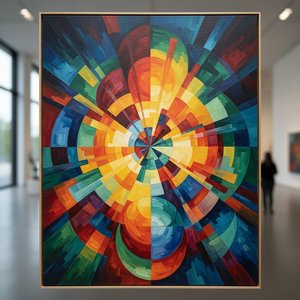
Orphism: A Symphony of Color and Form – Exploring the Abstract Roots of Modern Art
Explore Orphism, the vibrant abstract art movement pioneered by Robert & Sonia Delaunay. Discover its unique color theory, lasting influence on modern art, and how to bring this 'symphony of color' into your home with OriginalUniqueArt.
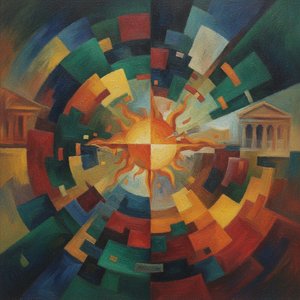
Orphism Unveiled: The Radiant Dance of Color and Light in the Evolution of Abstract Art
Discover the luminous world of Orphism. Explore how masters like Robert and Sonia Delaunay revolutionized art through a radiant dance of color, light, and geometric abstraction in this deep dive into modern art history.
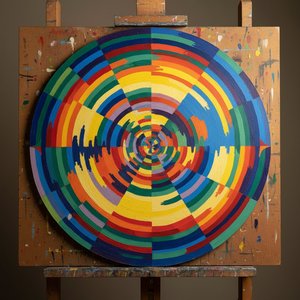
Sonia Delaunay: A Life in Color – Exploring the Rhythms of Abstraction and Synesthesia
Explore the vibrant world of Sonia Delaunay, a pioneer of abstract art and co-founder of Orphism. Discover her revolutionary use of color, geometric forms, and influence on modern design. A deep dive into her life & legacy.
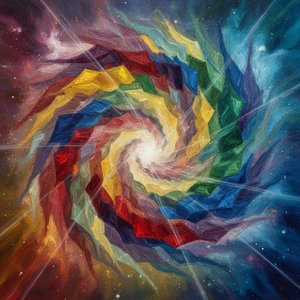
Orphism Unlocked: The High-Energy Color Revolution That Defined Abstract Art
Dive into the high-energy world of Orphism. Discover how this color revolution broke Cubism's rules to define modern abstraction through light, motion, and pure visual impact. Explore the legacy of the Delaunays and bring bold, vibrant energy to your contemporary space.

Geometrická abstrakce: 10 mistrovských děl, které změnily umění | OriginalUniqueArt.cz
Prozkoumejte 10 ikonických děl geometrické abstrakce od Mondriana, Maleviče a Kandinského. Objevte příběhy umělců, techniky a historii tohoto revolučního hnutí. Najděte inspiraci pro moderní dekorace a luxusní reprodukce obrazů na OriginalUniqueArt.com.

