

 Náhled v interiéru
 Sdílet
 Sdílet
 Podrobnosti o díle
 Průvodce

 Stáhnout
 Podobné položky
 Rentgenové snímky
 Slideshow
 Statistiky
Spring Planting

 Zobrazit více
Umělecké dílo zobrazené na této stránce je chráněno autorským zákonem, což znamená, že nemůžeme legálně vytvářet ani prodávat jeho identickou reprodukci. Tato ochrana je vymáhána na základě mezinárodních dohod, jako například Berberská úmluva a národními zákony, včetně těch stanovených v Americký autorský zákon – Díl 17. Všechna práva vyhrazena.
Jako etická a právní alternativa nabízíme vlastní, ručně malovaná umělecká díla inspirovaná originálem. Naši zdatní a profesionální umělci si pečlivě studují styl, náladu a uměleckou podstatu originálu, aby vytvořili nové, jedinečné dílo, které vyvolává stejný pocit – přičemž zůstává samostatným originálním tvůrčím dílem.
Tato metoda je plně v souladu s autorským právem, protože nezahrnuje kopírování ani duplikování chráněného díla. Jde o kreativní reinterpretaci – nový obraz, který je inspirován originálem, ale není s ním identický.
Ručně malovaná olejová reprodukce
Rukou malované olejné plátno v libovolném rozměru i s rámem, vyrobené našimi umělci na zakázku. ( Přepnout na tisk Přepnout na digitální obraz)




P118B Kč10

P118H Kč10

P118W Kč10

P438Z Kč10

P508JH Kč12

P508YH Kč12

P805H Kč10

P805Z Kč10

P919BZ Kč10

P919G Kč10

P919XJ Kč10

P959ZH Kč10

P968JZ Kč12

W106C Kč8

W218G Kč10

W218JH Kč8

W218Y Kč10

W307PJ Kč10

W316G Kč10

W316PJ Kč8

W316Y Kč10

W398PJ Kč8

W4111J Kč10

W500HY Kč15

W500JH Kč15

W692G Kč12

W849H Kč8

W940BG Kč15

W953PJ Kč8




Vyberte si z našich přednastavených velikostí, které odpovídají původním proporcím díla.

Zadejte šířku a výšku, které potřebujete pro váš rám nebo stěnu. Protože se jedná o ruční malbu, při výběru jiného formátu může umělec kolem obrazu domalovat o něco více, nebo jej mírně oříznout — rozhodnete si vy. Před zahájením malby vám zašleme digitální náhled ke schválení. Obraz zobrazený na této stránce neodpovídá skutečnému výsledku — pouze digitální náhled jej zobrazuje.
Po přijetí objednávky vám tým OriginalUniqueArt.com zašle e-mail s pokyny a poskytne náhledovou verzi.
Celosvětová doprava () za 3–4 týdny namísto standardních 5 týdnů. (25 říjen). Bez kompromisů v kvalitě.

Zdarma celosvětová expresní doprava

Vysoce kvalitní lněné plátno

Kompletní pojištění přepravy

Záruka vrácení celního poplatku

Záruka věrného barevného souladu

100dení lhůta pro vrácení zboží (pouze při vadách výroby)

100% záruka vrácení peněz

Sleva při více objednávkách
 Skleněná varianta je dostupná pouze u rozměrů menších než 110 cm

Spring Planting
Technika reprodukce
Rozměry reprodukce
-


Celková cena za vybrané možnosti reprodukcí
Kč 6415
Biografie umělce
A Life Painted in Light: Richard Hayley Lever and the Pursuit of Atmospheric Impressionism
Richard Hayley Lever, born in Bowden, South Australia in 1876, embarked on a journey that would carry him across continents and immerse him in the evolving currents of Post-Impressionist painting. His story is one of relentless artistic exploration, fueled by an early talent nurtured at Prince Alfred College under James Ashton and further honed within the vibrant art communities of England, France, and ultimately, America. Lever wasn’t merely a painter; he was a seeker of light, atmosphere, and the emotional resonance embedded within landscapes and marine scenes. The inheritance received after his maternal grandfather's death in 1882 provided the crucial opportunity for him to pursue formal training abroad, setting the stage for a career defined by both technical skill and an increasingly personal artistic vision.From Cornish Shores to Parisian Studios: Early Influences and Development
Lever’s initial foray into the art world led him to St. Ives, Cornwall in 1899—a fishing port already renowned as a haven for marine painters like Julius Olsson. This proved pivotal. He shared studio space with Frederick Judd Waugh and absorbed techniques from both Olsson and Algernon Talmage, figures who championed capturing the raw energy of the sea. The Cornish coast became his initial canvas, imbued with the spirit of Impressionism but already hinting at a bolder approach to color and form. A subsequent period in France, specifically in Douarnenez and Concarneau, Brittany, further solidified his understanding of light and its transformative power on the landscape. These early works demonstrate a commitment to *plein air* painting—a dedication to capturing the immediacy of observation directly from nature. However, Lever wasn’t content with mere replication; he sought to convey not just what he saw, but how it *felt*. A return trip to Adelaide in 1904 allowed him to exhibit and teach, briefly grounding him within his native Australia before a renewed pull towards Europe and the burgeoning artistic movements taking shape there. His marriage to Aida Smith Gale in St. Ives in 1906 marked a period of personal stability that coincided with an intensification of his artistic exploration, culminating in the evocative “Van Gogh’s Hospital, Holland” series of 1908—a clear indication of the profound influence Van Gogh's expressive use of color and emotion had on his developing style.The American Embrace: Finding a Voice in New England
A turning point arrived in 1911 when Ernest Lawson, an American Impressionist painter, encouraged Lever to relocate to the United States. Arriving in New York City in 1912, he initially focused on urban scenes—the bustling energy of Times Square and the serene expanse of Central Park. Yet, it was the discovery of the American East Coast, particularly Gloucester, Massachusetts, that truly ignited his artistic passion. He spent several summers painting there and at Marblehead, captivated by the rugged beauty of the coastline and the vibrant light reflecting off the water. This period saw Lever fully integrate into a circle of influential artists—Robert Henri, William Glackens, John Sloan, and George Bellows—who championed realism and direct engagement with American life. While exhibiting alongside these figures, he maintained his distinct voice, developing a spontaneous, bold style that blended Impressionistic techniques with a heightened sense of emotional intensity.Teaching and Legacy: A Philosophy of “Having a Good Time”
From 1919 to 1931, Lever dedicated himself to teaching at the Art Students League of New York, establishing a studio in Gloucester and continuing his travels throughout New England, Nantucket, and Martha’s Vineyard. His pedagogical approach was remarkably free-spirited, encapsulated by his belief that “Art is the re-creation of mood in line, form and color” and the simple yet profound assertion: “If I were confined to my own back yard for the rest of my life, I'd still have more pictures in my mind than I would have time to paint. Art is nothing but having a good time.” This philosophy encouraged his students to find inspiration within themselves and their surroundings, prioritizing emotional expression over rigid technique. Lever’s work gained recognition through numerous exhibitions—including the Pennsylvania Academy of Fine Arts Annual, Corcoran Gallery biennials, and the National Academy of Design—and found its way into prominent collections such as those of the Metropolitan Museum of Art, Brooklyn Museum, and even the White House, where he was commissioned to paint a portrait of the presidential yacht USS Mayflower in 1924.A Lasting Impression: Richard Hayley Lever’s Historical Significance
Richard Hayley Lever died in Mount Vernon, New York, in 1958, leaving behind a rich body of work that reflects his lifelong pursuit of atmospheric impressionism. He wasn't simply replicating scenes; he was translating emotions onto canvas—the power of the sea, the warmth of sunlight, the quiet beauty of coastal landscapes. His ability to blend Impressionistic techniques with a uniquely personal and expressive style cemented his place within American art history. Lever’s legacy lies not only in the captivating beauty of his paintings but also in his unwavering commitment to artistic freedom and the joy of creation. He stands as a testament to the enduring power of observation, emotion, and the transformative potential of light—a painter who truly lived and breathed the landscapes he so passionately depicted.
Richard Hayley Lever
1876 - 1958
Rychlé informace o umělci
- Full Name: Richard Hayley Lever
- Nationality: Australian/American
- Date Of Birth: 1876
- Date Of Death: 1958
- Place Of Birth: Bowden, Australia
- Notable Artworks:
- Van Gogh's Hospital
- Swimming Hole
- Sunset on the Bay
- Artistic Movement Or Style: Post-Impressionism
- Artists Who Influenced This Artist:
- Vincent Van Gogh
- Julius Olsson
Související články

Top 10 impresionistických krajin: Mistrovská díla, která změnila umění | OriginalUniqueArt.cz
Prozkoumejte 10 ikonických impresionistických krajin od Monet, Renoir a dalších. Objevte příběhy umělců, techniky a barvy, které definovaly toto revoluční hnutí. Najděte dokonalý obraz pro váš interiér na OriginalUniqueArt.cz

Richard Hayley Lever: A Study in British Impressionism & Coastal Light
Explore the captivating world of Richard Hayley Lever (1876-1958), a master of Impressionism renowned for his vibrant coastal scenes. Discover his life, style & legacy with OriginalUniqueArt.

Top 10 impresionistických krajin: Mistrovská díla, která změnila umění | OriginalUniqueArt
Prozkoumejte 10 ikonických impresionistických krajin od Monet, Renoir a dalších. Objevte příběhy umělců, techniky a barevnost tohoto revolučního hnutí. Najděte perfektní obraz pro váš interiér na OriginalUniqueArt.com
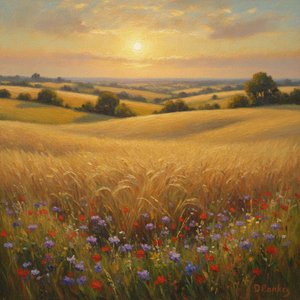
Golden Fields & Sun-Drenched Meadows: Capturing the Soul of Impressionist Landscapes
Immerse yourself in the luminous world of Impressionist landscapes. Discover how masters like Monet and Gauguin captured ephemeral light through plein air painting, and learn to bring the soul of sun-drenched meadows into your home with exquisite, hand-painted oil reproductions.
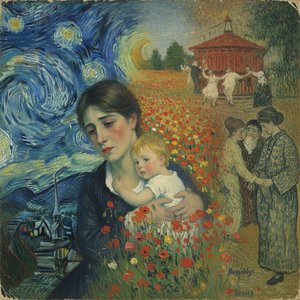
Capturing the Soul: The Most Emotionally Moving Impressionist and Post-Impressionist Masterpieces
Discover the profound emotional depth of Impressionist and Post-Impressionist masterpieces. Explore how legends like Monet, Van Gogh, and Gauguin captured light and soul through evocative landscapes and vibrant brushwork for a timeless connection to art history.