

 Náhled
 Sdílet
 Sdílet
 Podrobnosti o díle

 Stáhnout
 Podobné položky
 Rentgenové snímky
 Slideshow
 Statistiky
Dog with a Wild Duck
 Oil On Canvas
- WallArt
- Victorian Realism
 38.0 x 46.0 cm
 Guildhall Art Gallery
 Zobrazit více
Giclée / Umělecký tisk
Giclée nebo plátěný tisk muzeální kvality s rychlou výrobou a flexibilními možnostmi povrchové úpravy. ( Koupit ručně malovaný obraz Přepnout na digitální obraz)




P118B $10

P118H $10

P118W $10

P438Z $10

P508JH $12

P508YH $12

P805H $10

P805Z $10

P919BZ $10

P919G $10

P919XJ $10

P959ZH $10

P968JZ $12

W106C $8

W218G $10

W218JH $8

W218Y $10

W307PJ $10

W316G $10

W316PJ $8

W316Y $10

W398PJ $8

W4111J $10

W500HY $15

W500JH $15

W692G $12

W849H $8

W940BG $15

W953PJ $8




Vyberte si z našich přednastavených velikostí, které odpovídají původním proporcím díla.

Můžete zadat vlastní rozměry tak, aby výtvor odpovídal konkrétnímu rámu nebo prostoru. Pokud zvolená velikost nebude odpovídat poměru stran původního obrazu, dílo buď ořížeme, nebo obraz rozšíříme pomocí zrcadlového efektu či jednobarevného okraje. Před zahájením výroby vám bude zaslán digitální náhled k schválení.
Mějte prosím na paměti, že náhled na obrazovce neodráží skutečné oříznutí nebo rozšíření. Pouze digitální náhled přesně zobrazí finální kompozici.
Ačkoliv jsou k dispozici i vlastní rozměry, pro zachování původních proporcí doporučujeme vybrat si rozměr z předdefinovaného seznamu.
Celosvětové doručení () do 2 týdnů namísto standardních 4/5 týdnů. (17 září)

Zdarma celosvětová expresní doprava

Vysoce kvalitní lněné plátno

Kompletní přepravní pojištění

Záruka vrácení celního poplatku

Záruka přesného barevného shodu

100dená lhůta pro vrácení zboží (pouze při vadách)

100% garance vrácení peněz

Sleva při hromadné objednávce
 Skleněná varianta je dostupná pouze u rozměrů menších než 110 cm

Dog with a Wild Duck
Giclée / Umělecký tisk
Rozměry reprodukce
-


Celková cena za výběr
$ 80
A Moment Frozen in Time: Richard Ansdell's "Dog with a Wild Duck"
Richard Ansdell’s “Dog with a Wild Duck,” painted during the Victorian era, is more than just a depiction of an animal encounter; it’s a poignant study of instinct, power, and the delicate balance between predator and prey. The painting captures a fleeting moment—a large dog, likely a Dalmatian or similar breed known for its strength and agility, firmly holds a wild duck in its mouth. It's not a scene of aggression, but rather one of raw, natural energy, frozen on canvas with remarkable detail. Ansdell’s mastery lies in his ability to convey the tension inherent in this interaction—the dog’s focused gaze, the duck’s desperate struggle, and the surrounding environment that witnesses this primal dance. The background is alive with other birds, some taking flight, others perched amongst branches, adding depth and a sense of bustling wildlife activity to the scene. This isn't merely about a dog and a duck; it's about the broader ecosystem and the interconnectedness of life itself.Victorian Naturalism and Artistic Technique
Ansdell was a leading figure in Victorian naturalism, an artistic movement that emphasized realistic depictions of nature and everyday life. Unlike some of his contemporaries who romanticized landscapes or focused on grand historical narratives, Ansdell chose to portray the often-overlooked beauty of rural scenes and animal behavior. His technique reflects this dedication to realism. He employed oil paints with meticulous precision, layering colors to create a rich texture and capturing the subtle nuances of fur, feathers, and light. Observe how he renders the dog’s coat—the individual hairs are almost palpable, conveying both its strength and softness. Similarly, the duck's plumage is rendered with remarkable detail, highlighting its iridescent sheen and the frantic movement of its wings. Ansdell’s skill in capturing anatomical accuracy combined with his artistic license to create a scene that feels both authentic and emotionally resonant. He often collaborated with landscape artists like Thomas Creswick, allowing him to seamlessly integrate his animal subjects into beautifully rendered natural settings—a testament to his understanding of composition and the importance of context.Symbolism and Victorian Values
Beyond its aesthetic appeal, “Dog with a Wild Duck” carries symbolic weight within the context of Victorian society. The dog, often associated with loyalty, domesticity, and even nobility, represents human control over nature. Its firm grip on the wild duck—a symbol of freedom and untamed wilderness—can be interpreted as a reflection of Victorian ideals regarding progress, industry, and the subjugation of the natural world for human benefit. However, Ansdell’s portrayal avoids overt moralizing; instead, he presents a neutral observation of a natural occurrence. The painting doesn't judge the dog or the duck but rather invites viewers to contemplate the complex relationship between humans and the environment. This ambiguity is part of what makes the work so compelling—it allows for multiple interpretations and encourages deeper reflection on our place within the larger world.An Enduring Emotional Impact
Even today, “Dog with a Wild Duck” evokes a powerful emotional response. The painting’s inherent drama – the tension between predator and prey – is captivating. There's a sense of immediacy, as if we are witnessing this scene unfold before our very eyes. Ansdell masterfully captures not just the physical appearance of his subjects but also their essence—the dog’s focused determination, the duck’s desperate struggle for survival. This ability to convey emotion through realistic depiction is what elevates Ansdell's work beyond mere representation and transforms it into a timeless piece of art that continues to resonate with audiences across generations. The painting serves as a reminder of the raw beauty and inherent drama found within the natural world, skillfully captured by one of Victorian England’s most talented animal painters.Biografie umělce
Richard Ansdell (1815 – 1885): A Life Etched in Rural Detail
Richard Ansdell, a name synonymous with Victorian depictions of animal life and sporting scenes, emerged from humble beginnings to become one of Britain’s most popular artists. Born in Liverpool in 1815, his early life was marked by hardship; the death of his father led him to the care of the Liverpool Blue Coat School for orphans. Yet, even amidst these challenges, a talent for art blossomed, nurtured first through studies with W.C. Smith, a local portrait painter, and later honed during a period as a sign painter in the Netherlands – an experience that broadened his artistic horizons and exposed him to diverse subject matter. This formative period instilled in Ansdell not only technical skill but also a keen observational eye, qualities that would define his future work. He quickly established himself within the Liverpool art scene, exhibiting at the Liverpool Academy from 1835 and becoming a student there the following year, laying the foundation for a prolific career.Early Influences and Artistic Training
Ansdell’s artistic journey began modestly, influenced by the teachings of W.C. Smith, who instilled in him foundational skills in portraiture. This initial training provided him with invaluable experience in capturing likenesses accurately and conveying emotion effectively—skills that would serve as a bedrock for his later endeavors. Recognizing the importance of expanding his repertoire beyond traditional portraiture, Ansdell undertook a significant period of study abroad in Holland. During this time, he immersed himself in the vibrant artistic culture of Amsterdam and Rotterdam, gaining exposure to diverse styles and techniques – notably Impressionism—which subtly shaped his aesthetic sensibilities. The Dutch experience fostered not only technical proficiency but also a broader understanding of visual storytelling, equipping him with tools for conveying complex narratives through imagery. This formative period cemented Ansdell’s commitment to meticulous observation and artistic experimentation, establishing the groundwork for his distinctive style.Rise to Fame: Sporting Scenes and Royal Patronage
Ansdell swiftly ascended to prominence within the Liverpool art community thanks to his captivating depictions of animal life and sporting pursuits—genres that resonated deeply with Victorian audiences eager for representations of leisure activities and rural landscapes. His debut exhibition at the Royal Academy in London in 1840, featuring “Grouse Shooting” and “A Galloway Farm,” marked a pivotal moment in his artistic career, securing him immediate recognition and establishing an annual presence at the gallery until his death. This consistent output speaks to both Ansdell’s unwavering dedication and the sustained demand for his work—a testament to his ability to capture the spirit of Victorian England with remarkable accuracy. Furthermore, he received considerable patronage from influential figures within Liverpool society, bolstering his reputation and securing commissions that allowed him to hone his craft further. Notably, his monumental painting “A Country Meeting of the Royal Agricultural Society at Bristol” – measuring 16 feet long—became a symbol of Victorian ambition and artistic achievement.Collaborations and Artistic Style
Ansdell’s artistic vision flourished through collaborative partnerships with fellow artists who complemented his strengths and broadened his creative horizons. His collaboration with Thomas Creswick, a master of landscape painting, resulted in breathtaking canvases that seamlessly blended meticulously rendered animals into evocative natural settings—a hallmark of Ansdell's distinctive style. Similarly, his association with William Powell Frith enriched his artistic repertoire, allowing him to explore diverse genres and experiment with innovative techniques. These collaborations weren’t merely pragmatic arrangements but opportunities for mutual inspiration and stylistic exchange—demonstrating Ansdell’s belief in the power of collective creativity. His paintings are characterized by exceptional detail, capturing textures with remarkable precision—the plumage of birds, the fur of animals, the weave of fabrics—and conveying movement with dynamic brushstrokes. He possessed an unparalleled ability to portray emotion through visual cues, imbuing his subjects with palpable energy and psychological depth.Legacy and Enduring Influence
Richard Ansdell died in 1885, leaving behind a legacy that continues to inspire artists and captivate audiences today. His paintings—particularly “The Combat” depicting two red stags locked in battle and “The Fight for the Standard at Waterloo”—remain iconic representations of Victorian heroism and artistic ambition. These monumental canvases stand as enduring symbols of Ansdell’s mastery and his unwavering commitment to capturing dramatic narratives with breathtaking visual impact. Moreover, his work has been celebrated by prominent institutions such as Liverpool’s Walker Art Gallery and the Lytham St Annes Art Collection—ensuring its accessibility for future generations. Recent valuations have confirmed Ansdell's enduring value within the art market, demonstrating continued interest in his oeuvre and solidifying his place among Britain’s most revered Victorian artists. His contribution to the visual arts is undeniable; he remains a beacon of artistic excellence and a testament to the transformative power of observation and meticulous craftsmanship.
Richard Ansdell
1815 - 1885 , Spojené království
Rychlé fakta
- Artistic Movement Or Style: Víťazství
- Date Of Birth: 1815
- Date Of Death: 1885
- Full Name: Richard Ansdell
- Nationality: Británie
- Notable Artworks:
- Stag at Bay
- The Combat
- Hunted Slaves
- Place Of Birth: Liverpool, UK
Související články
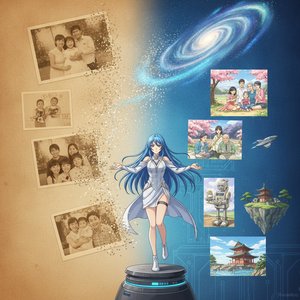
From Selfie to Studio Masterpiece: Transform Your Photos into Stunning AI-Driven Anime Art with OriginalUniqueArt
Step into the spotlight with OriginalUniqueArt's AI-driven transformation. Turn your photos into stunning, hand-painted anime oil masterpieces. Experience the perfect fusion of cutting-edge technology and museum-grade craftsmanship to create a timeless pop-culture legacy for your home.
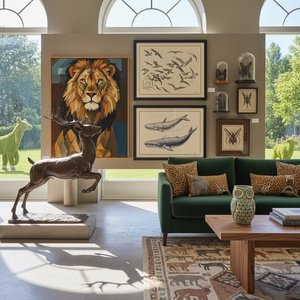
Animalia: Trvalá přítomnost zvířat v umění a interiérovém designu
Prozkoumejte trvalý vliv zvířat v umění a designu interiéru. Od středověké symboliky po moderní interpretace – objevte skryté významy a inspiraci pro váš domov.
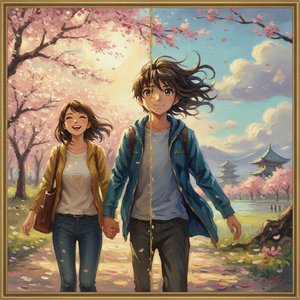
Level Up Your Art: Transform Personal Photos into High-Octane Action Anime Masterpieces with AI-Driven Oil Painting
Transform your favorite photos into high-octane action anime masterpieces. Using proprietary AI and master artists, we turn digital memories into hand-painted oil on canvas legacies. Experience the perfect fusion of pop culture energy and timeless fine artistry at OriginalUniqueArt.com.

Beyond the Screen: Transforming Personal Memories into Timeless AI-Driven Anime Masterpieces
Experience the magic of digital metamorphosis. Transform your cherished photos into stunning, hand-painted anime masterpieces using our proprietary AI technology and professional artists. Elevate your personal story with a timeless, high-quality oil painting on canvas.
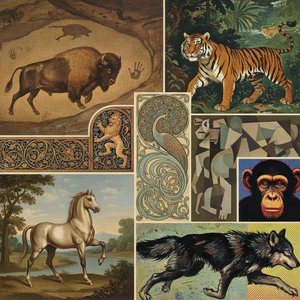
Beastly Brushstrokes: A Historical Journey Through Animal Painting & Aesthetic Movements
Explore the rich history of animal painting across cultures & movements. Discover iconic artists, symbolism, collecting trends & expert art consultation at OriginalUniqueArt.com.