Přepnout na tisk
 Zobrazit více







































 U děl nebo reprodukcí, u nichž je jakákoliv strana větší než 105 cm (přibližně 41 palců), bude rám dodán jako sestava v rozloženém stavu. Tato metoda zajišťuje bezpečné doručení a chrání dílo před poškozením během přepravy.


Unveiling the Enigma: René Magritte’s “Black Magic”
René Magritte's "Black Magic," painted in 1934, is not merely a depiction of a woman and a bird; it’s an immersion into the unsettling realm of the subconscious, a quintessential example of surrealist exploration. The painting immediately arrests the viewer with its stark contrast – the pale blue skin of the figure against the rugged, shadowed rock face, creating a visual tension that speaks to the inherent instability of perception itself. This work, born from Magritte’s deeply personal experiences and his fascination with challenging conventional notions of reality, remains one of his most iconic and enduring images.
A Portrait of Loss and Hidden Realities
The genesis of "Black Magic" is inextricably linked to the artist's childhood trauma. The suicide of Magritte’s mother, a profoundly disturbing event witnessed by the thirteen-year-old René, left an indelible mark on his artistic sensibility. The image of her body recovered from the Sambre River – the dress obscuring her face – became a recurring motif, subtly manifesting in the veiled figures and obscured perspectives that characterize much of Magritte’s oeuvre. This isn't simply a portrait; it’s a visual echo of grief, a meditation on loss, and an attempt to grapple with the unknowable aspects of human experience. The woman’s nakedness further amplifies this sense of vulnerability and exposure, inviting the viewer to confront uncomfortable truths about mortality and the fragility of identity.
Surrealist Technique and Composition
Executed in Magritte's signature style, “Black Magic” exemplifies the meticulous technique that underpinned his surrealist approach. The painting is rendered with a precise, almost photographic realism – a deliberate contrast to the dreamlike subject matter. Magritte’s brushwork is controlled and considered, building up layers of color to create depth and texture. The composition itself is carefully constructed; the bird perched on her shoulder isn't merely an accessory but a symbolic element, perhaps representing freedom, fragility, or even a watchful presence. The cliff face behind her adds a dramatic backdrop, enhancing the sense of isolation and amplifying the painting’s unsettling atmosphere. The use of muted tones – primarily blues, grays, and browns – contributes to the overall mood of mystery and contemplation.
Symbolism and Emotional Resonance
"Black Magic" operates on multiple symbolic levels. The blue skin could represent a detachment from reality, a state of altered consciousness, or perhaps a mourning shroud. The bird, often associated with freedom and spirituality, is rendered passive, suggesting a loss of agency or a surrender to the unknown. The setting itself – a desolate rock formation – reinforces the themes of isolation and vulnerability. Ultimately, the painting evokes a profound sense of unease and invites viewers to question their own perceptions of reality. It’s a powerful reminder that what we see is not always what is truly there, and that the most compelling art often resides in the spaces between appearances.
Otázky a odpovědi
Existuje průvodce k dílu „Black Magic“ od René Magritte?
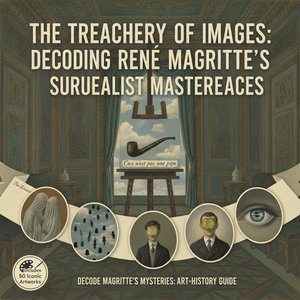
Stránka Průvodce pro studenty díla „Black Magic“ od René Magritte nabízí tištěný dvoulistový informační list: samotné umělecké dílo s identifikační tabulkou, časovou osu situující dílo do období života umělce, další díla daného autora, naměřenou barevnou paletu a citace ve čtyřech stylech připravené pro okamžité zkopírování.
Jakou náladu a emoce v sobě spojuje dílo "Black Magic"?
Zachycená nálada díla „Black Magic“ od René Magritte je Mystical a jeho emocionální náboj je Mysterious.
Jak sytá je paleta díla "Black Magic"?
Dílo „Black Magic“ od René Magritte je zachyceno s Subtle Color saturací.
 Náhled v interiéru
 Sdílet
 Sdílet
 Podrobnosti o díle
 Průvodce

 Stáhnout
 Podobné položky
 Rentgenové snímky
 Slideshow
 Otázky a odpovědi
 Statistiky