

 Zobrazit v interiéru
 Odeslat
 Sdílet
 Podrobnosti
 Průvodce

 Stáhnout obrázek
 Podobné kousky
 Rentgenové snímky
 Slideshow
 Statistiky
It
 Contemporary Realism
 1999
1999 57.0 x 54.0 cm
 EMMA - Espoo Museum of Modern Art
 Přečíst si více
Ručně malovaná olejová reprodukce
Ručně malované olejné plátno v libovolném rozměru i s rámem, vyrobené našimi umělci na zakázku. ( Přepnout na tiskové verze Přepnout na digitální verzi obrazu)




P118B $10

P118H $10

P118W $10

P438Z $10

P508JH $12

P508YH $12

P805H $10

P805Z $10

P919BZ $10

P919G $10

P919XJ $10

P959ZH $10

P968JZ $12

W106C $8

W218G $10

W218JH $8

W218Y $10

W307PJ $10

W316G $10

W316PJ $8

W316Y $10

W398PJ $8

W4111J $10

W500HY $15

W500JH $15

W692G $12

W849H $8

W940BG $15

W953PJ $8




Vyberte si z našich přednastavených velikostí, které odpovídají původním proporcím díla.

Můžete zadat vlastní rozměry pro konkrétní rám nebo prostor. Pokud se vámi vybraná velikost neshoduje s proporcemi původního obrazu, dílo buď ořízneme, nebo jej doplníme ručně malovanými prvky. Před zahájením výroby vám bude zaslán digitální náhled ke schválení.
Upozorňujeme, že náhled na obrazovce neodpovídá skutečnému ořezu ani rozšíření. Pouze digitální náhled přesně zobrazí finální kompozici.
Ačkoliv je možné zvolit vlastní velikost, pro zachování původních proporcí doporučujeme vybrat rozměr z předdefinovaného seznamu.
Po přijetí objednávky vám tým OriginalUniqueArt.com zašle e-mail s pokyny a poskytne náhledovou verzi.
Celosvětová doprava () za 3–4 týdny namísto standardních 5 týdnů. (26 září). Bez kompromisů v kvalitě.

Zdarma celosvětová expresní doprava

Vysoce kvalitní lněné plátno

Úplné pojištění přepravy

Záruka vrácení celního poplatku

Záruka věrného barevného shodu

100dení lhůta pro vrácení zboží (pouze při vadách výroby)

100% garance vrácení peněz

Sleva při více objednávkách
 Skleněná varianta je dostupná pouze u rozměrů menších než 110 cm

It
Technika provedení
Velikost reprodukce
-


Celková cena
$ 300
Biografie umělce
Marina Abramović: A Pioneer of Physical and Conceptual Art
Born in Belgrade, Yugoslavia (now Serbia) on November 30, 1946, Marina Abramović’s life has been a relentless exploration of the boundaries between performer and audience, body and mind. Her journey from a childhood steeped in Yugoslavian Partisan history to becoming a globally recognized figure as “the grandmother of performance art” is a testament to her unwavering commitment to pushing artistic limits and challenging conventional notions of art itself. Abramović’s work isn't merely about visual spectacle; it’s an intensely physical and psychological engagement, demanding both vulnerability from the artist and active participation from the viewer.
Her early life profoundly shaped her artistic trajectory. Raised within a family connected to the Serbian Orthodox Church through her great-uncle, Varnava, Patriarch of Serbia, Abramović's upbringing instilled in her a deep connection to tradition and spirituality, which would later inform her exploration of themes like ritual, suffering, and the human condition. The tumultuous backdrop of World War II and the subsequent socialist era further fueled her desire to question established norms and explore alternative modes of expression.
Early Artistic Development and Influences
Abramović’s formal artistic training began at the Academy of Fine Arts in Belgrade (1970) and continued at the Academy of Fine Arts in Zagreb (1972). However, she quickly rejected traditional academic approaches, seeking instead to develop a highly personal and experimental practice. Early influences included conceptual art, particularly the work of Joseph Kosuth and Yoko Ono, as well as the body art movement spearheaded by Hermann Nitsch. Crucially, her relationship with Ulay, a fellow artist and choreographer whom she met in 1978, became central to her artistic development. Their collaborative performances, often involving extreme physical endurance and ritualistic elements, formed the core of her work for nearly two decades.
The dynamic between Abramović and Ulay was characterized by intense emotional and physical intimacy, frequently pushing their bodies and minds to the breaking point. Performances like “Ribalta” (1978-1980), where they stood facing each other across a chasm in Milan, symbolizing the division of Europe after World War II, established her as a provocative force within the art world. This period saw the emergence of key themes that would dominate her later work: vulnerability, trust, and the exploration of the limits of human endurance.
Key Performances and Conceptual Innovations
Abramović’s career is punctuated by a series of iconic performances that have redefined the possibilities of performance art. “Cleaning the Mirror” (1995), in which she sat for 72 hours in a New York City subway station, silently observing the faces of passersby, exemplifies her commitment to confronting discomfort and challenging audience expectations. “Seven Easy Pieces” (2005) involved Abramović smashing seven porcelain vases – a seemingly simple act that became a powerful meditation on destruction, value, and the fragility of beauty.
Her work frequently incorporates elements of ritual, endurance, and psychological intensity. “The Artist Is Present” (2010), performed at the MoMA in New York City, saw Abramović sitting silently across from viewers for eight hours a day, offering only eye contact – an act that invited profound introspection and fostered a unique connection between artist and audience. These performances are not simply theatrical events; they are deeply personal explorations of the self and the relationship between art, body, and perception.
Legacy and Institutionalization
In 2007, Marina Abramović founded the Marina Abramović Institute (MAI), a non-profit organization dedicated to preserving and expanding her artistic legacy while also fostering a global community of performance artists. The MAI serves as both a research center and a platform for new works, ensuring that Abramović’s radical approach continues to inspire and challenge generations of artists. Her influence extends far beyond the realm of performance art, impacting fields such as psychology, sociology, and even medicine, as her work has been studied for its effects on the human nervous system.
Abramović's body of work remains profoundly relevant today, prompting viewers to confront uncomfortable truths about themselves and the world around them. Her relentless pursuit of artistic innovation and her willingness to expose herself physically and emotionally have cemented her place as one of the most important and influential artists of our time.

reijo juhani hukkanen
1946 - 2024 , Finland
Rychlé informace
- Artistic Movement Or Style: Conceptual & Performance Art
- Artists Or Movements Influenced By This Artist: ['Performance Art']
- Artists Who Influenced This Artist: ['Ulay']
- Date Of Birth: November 30, 1946
- Full Name: Marina Abramović
- Nationality: Serbian
- Notable Artworks:
- Rhythm
- Cleaning the Mirror
- Spirit Cooking
- Balkan Baroque
- Seven Easy Pieces
- The Artist Is Present
- Place Of Birth: Belgrade, Serbia
Související články

Metal Art for Commercial Spaces: A Procurement Guide to Durable & Modern Large-Scale Decor Solutions
Expert procurement guide for hotel designers and managers. Discover durable, large-scale metal art solutions for commercial spaces. Learn about material selection, maintenance, and efficient bulk ordering for high-traffic hospitality and corporate interiors.

The Enduring Form: Exploring Themes & Techniques in Sculpture Across Historical Periods
Explore the rich history of sculpture from ancient masterpieces to contemporary innovations. Discover key techniques, influential artists & investment potential for discerning art collectors.

10 legendárních bronzových soch, které změnily umění | OriginalUniqueArt
Objevte 10 legendárních bronzových soch od Michelangela, Rodina a dalších mistrů! Ponořte se do historie umění, technik a příběhů za těmito nadčasovými díly. Najděte inspiraci pro váš interiér s OriginalUniqueArt.com – repliky nejvyšší kvality.

10 legendárních bronzových mistrovských děl, která změnila umění | OriginalUniqueArt
Objevte 10 legendárních bronzových mistrovských děl od Rodina, Donatella a dalších. Ponořte se do historie umění a nechte se inspirovat nadčasovými sochařskými replikami pro váš interiér. Prozkoumejte celou kolekci online na OriginalUniqueArt.com!
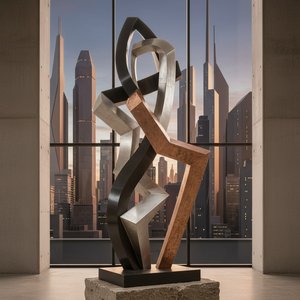
Forged in Fire: The Timeless Strength and Ethereal Beauty of Metal Art
Discover the enduring allure of metal art. Explore how masterfully forged sculptures blend industrial strength with organic elegance to create timeless investment pieces for sophisticated collectors and luxury interiors.