Raymond S. Haupert, Moravian College
Ručně malovaná olejová reprodukce
Ručně malovaná olejná barva na plátně ve vašem zvoleném rozměru i s rámem, vyrobená našimi umělci na zakázku. ( Koupit tisk
Koupit obrázek)
P118B $10
P118H $10
P118W $10
P438Z $10
P508JH $12
P508YH $12
P805H $10
P805Z $10
P919BZ $10
P919G $10
P919XJ $10
P959ZH $10
P968JZ $12
W106C $8
W218G $10
W218JH $8
W218Y $10
W307PJ $10
W316G $10
W316PJ $8
W316Y $10
W398PJ $8
W4111J $10
W500HY $15
W500JH $15
W692G $12
W849H $8
W940BG $15
W953PJ $8
Vyberte si z našich přednastavených velikostí, které odpovídají původním proporcím díla.
Můžete zadat vlastní rozměry pro konkrétní rám nebo prostor. Pokud se vámi vybraná velikost neshoduje s proporcemi původního obrazu, dílo buď ořízneme, nebo jej doplníme ručně malovanými prvky. Před zahájením výroby vám bude zaslán digitální náhled ke schválení.
Upozorňujeme, že náhled na obrazovce neodpovídá skutečnému ořezu ani rozšíření. Pouze digitální náhled přesně zobrazí finální kompozici.
Ačkoliv je možné zvolit vlastní velikost, pro zachování původních proporcí doporučujeme vybrat rozměr z předdefinovaného seznamu.
Po přijetí objednávky vám tým OriginalUniqueArt.com zašle e-mail s pokyny a poskytne náhledovou verzi.
Celosvětová doprava () za 3–4 týdny namísto standardních 5 týdnů. (17 srpen). Bez kompromisů v kvalitě.
Zdarma celosvětová expresní doprava
Vysoce kvalitní lněné plátno
Kompletní přepravní pojištění
Záruka vrácení celního poplatku
Záruka přesného barevného shodu
60denní lhůta pro vrácení zboží (pouze při vadách výroby)
100% garance vrácení peněz
Sleva při hromadné objednávce
Raymond S. Haupert, Moravian College
Technika reprodukce
Rozměry reprodukce
-
Celková cena za výběr
$ 300
Popis díla
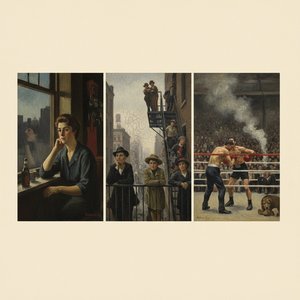
Reginald Marsh: Zachycenie Żwirku i Światła Artystycznego
Reginald Marsh (1898–1954) stoi na czele amerykańskiego realizmu społecznego, znanego przede wszystkim za niezwykle szczegółowe przedstawienia Nowego Jorku lat 20. i 30. Nie tylko dokumentował sceny plaż Coney Island czy występów burlesque – choć te z pewnością znajdują się w jego twórczości – Marsh’s art embodies a profound engagement with the textures and rhythms of urban life, underpinned by an unwavering commitment to artistic exploration. Jego dziedzictwo nie ogranicza się jedynie do ikonicznych obrazów, ale także do pionierskich technik i trwałego wpływu na kolejne pokolenia artystów. Urodzony w Paryżu nad Café du Dome, Marsh’s formative years were steeped in artistic heritage. Syn Fredericka Dana Marsh – muralisty, który bronił amerykańskiego impresjonizmu – i Alice Randall, miniaturzystki – jego rodzina stworzyła środowisko sprzyjające kreatywności. Jego ojciec już wczesnym latami przyjął estetykę modernistyczną, która zainspirowała Marsh’s artistic vision. Podczas studiów na Akademii Sztuki w Dreźnie Marsh nauczył się od Caspara Davida Friedricha – jednego z najważniejszych twórców romantyzmu niemieckiego – jak uchwycić piękno natury i emocje ludzkie. Jego umiejętności obserwacji oraz zdolność przekazywania uczuć stanęły się fundamentem jego stylu artystycznego. Marsh rozpoczął karierę zawodową jako ilustrator magazynu *Harper’s Bazaar*, gdzie prezentował swoje prace w sposób niezwykle ekspresyjny i pełen energii. Jego obrazy odzwierciedlały atmosferę miasta, ale także zainteresowanie ludzkimi emocjami i doświadczeniami – cechy charakterystyczne dla amerykańskiego realizmu społecznego. Marsh wykorzystał technikę olejną na płótnie, aby stworzyć obrazy o głębokości kolorystycznej oraz fakturalnej złożoności. Jego prace wyróżniają się szczegółową obserwacją rzeczywistości i umiejętnością przekazywania jej atmosfery oraz emocji widzowi. Marsh był jednym z najważniejszych twórców swojej epoki, który zainspirował wielu innych artystów. Marsh’s oeuvre is marked by jego niezwykłą świadomość kontekstu społecznego i historycznego. Jego obrazy często przedstawiają życie codzienne ludzi zwyczajnych oraz problemy społeczne – tematy charakterystyczne dla realizmu społecznego lat 20. i 30., które odzwierciedlają ducha swojej epoki. Marsh wykorzystał technikę olejną na płótnie, aby stworzyć obrazy o głębokości kolorystycznej oraz fakturalnej złożoności. Jego prace wyróżniają się szczegółową obserwacją rzeczywistości i umiejętnością przekazywania jej atmosfery oraz emocji widzowi. Marsh był jednym z najważniejszych twórców swojej epoki, który zainspirował wielu innych artystów. Jego twórczość pozostaje inspiracją dla współczesnych artystów i stanowi ważną część historii sztuki amerykańskiej. Największą sławę Marsh zdobył dzięki swoim obrazom przedstawiającym życie miasta Nowego Jorku podczas Wielkiego Kryzysu Ekonomicznego lat 30., kiedy to jego prace wyrażały rozpacz oraz nadzieję społeczną. Jego twórczość stała się symbolem odporności ducha ludzkiego i umiejętności przekazywania emocji poprzez sztukę. Marsh wykorzystał technikę olejną na płótnie, aby stworzyć obrazy o głębokości kolorystycznej oraz fakturalnej złożoności. Jego prace wyróżniają się szczegółową obserwacją rzeczywistości i umiejętnością przekazywania jej atmosfery oraz emocji widzowi. Marsh był jednym z najważniejszych twórców swojej epoki, który zainspirował wielu innych artystów. Jego dzieła są cenione za piękno estetyczne oraz głębokie przesłanie filozoficzne.Biografie umělce
Reginald Marsh: Capturing Urban Grit and Artistic Vision
Reginald Marsh (1898-1954) stands as a pivotal figure in American Social Realism, renowned for his strikingly detailed depictions of New York City during the 1920s and 1930s. More than just documenting scenes of Coney Island beaches or burlesque performances—though these undeniably populate his oeuvre—Marsh’s art embodies a profound engagement with the textures and rhythms of urban life, underpinned by an unwavering commitment to artistic exploration. His legacy resides not only in his iconic images but also in his pioneering techniques and enduring influence on subsequent generations of artists. Born in Paris above the Café du Dome, Marsh's formative years were steeped in artistic heritage. The son of Frederick Dana Marsh—a muralist who championed American Impressionism—and Alice Randall, a miniaturist painter—Marsh’s family fostered an environment where creativity flourished. His father’s early embrace of modernist aesthetics instilled in him a deep appreciation for the transformative power of art and its ability to convey complex emotions and ideas. Moving to Nutley, New Jersey, at the age of two, Marsh benefited from proximity to Frank Fowler's Artist Colony—a haven for American painters seeking inspiration and camaraderie—further cementing his connection to the artistic tradition. Marsh pursued formal education diligently, earning a Bachelor’s degree in Law from Yale University in 1920 and subsequently delving into art studies at Yale Art School. There he honed his skills as illustrator for Campus Humor magazine's *Yale Record*, immersing himself in the vibrant spirit of collegiate life and developing an early mastery of visual storytelling. This formative period solidified his artistic sensibilities and prepared him for a career dedicated to capturing the essence of human experience through compelling imagery. His professional journey began in New York City, where Marsh tirelessly sought freelance illustration work—a pursuit that ultimately led him to a pivotal collaboration with Peter Arno at *The New Yorker*. Beginning in 1925, Marsh’s contributions to the magazine spanned nearly two decades, establishing him as a respected voice within American journalism and cementing his reputation for astute observation and nuanced storytelling. Beyond caricature, he produced evocative illustrations for publications like *The Masses*, reflecting his commitment to social commentary and artistic experimentation. Marsh's artistic technique was characterized by remarkable versatility. Primarily working in egg tempera and oil paints—though he also embraced watercolor, ink wash drawings, and prints—he consistently pushed the boundaries of conventional painting methods. Influenced profoundly by European masters like Raphael, Leonardo da Vinci, and Michelangelo—whose reproductions adorned his father’s studio—Marsh sought to emulate their compositional strategies and expressive power. Notably, a chance encounter with Thomas Hart Benton in Paris ignited his fascination with Baroque art, prompting him to adopt Benton's stylistic approach—characterized by monumental scale and dramatic lighting—a deliberate effort to elevate his own artistic vision. He studied the techniques employed by Titian, Tintoretto, and Rubens, absorbing their mastery of color and texture. This immersion in Old Master traditions culminated in a transformative encounter with Kenneth Hayes Miller and George Luks—artists who championed realism and social engagement—who encouraged him to prioritize artistic integrity over commercial considerations. Miller’s guidance instilled in Marsh the conviction that “these awkward things are your work. These are real. Stick to these things and don't let anyone dissuade you!” He continued his artistic development under Miller’s mentorship, embracing experimentation with watercolor and oil—a testament to his unwavering dedication to honing his craft. Marsh’s exploration of European painting extended beyond mere admiration; he actively studied the techniques employed by Titian, Tintoretto, and Rubens, absorbing their mastery of color and texture. This immersion in Old Master traditions culminated in a transformative encounter with Kenneth Hayes Miller and George Luks—artists who championed realism and social engagement—who encouraged him to prioritize artistic integrity over commercial considerations. Miller’s guidance instilled in Marsh the conviction that “these awkward things are your work. These are real. Stick to these things and don't let anyone dissuade you!” He continued his artistic development under Miller’s mentorship, embracing experimentation with watercolor and oil—a testament to his unwavering dedication to honing his craft. His meticulous attention to detail—documented through detailed records of plate etching processes and pigment mixing—reflected his unwavering commitment to preserving the legacy of Old Master techniques while forging new paths for artistic innovation. His enduring contribution to American art lies in his ability to capture both the grandeur of historical influences and the immediacy of urban experience, securing his place as a cornerstone of Social Realism and an exemplar of artistic integrity.Reginald Marsh
1898 - 1954 , Francie
Rychlé fakta
- Artistic Movement Or Style: Social Realismus
- Artists Or Movements Influenced By This Artist:
- Tintoretto
- Rubens
- Thomas Hart Benton
- Artists Who Influenced This Artist:
- Frank Fowler
- John Sloan
- Kenneth Hayes Miller
- George Luks
- Date Of Birth: Paris, Francie
- Date Of Death: Lug Juli 1954
- Full Name: Reginald Marsh
- Nationality: Američan
- Notable Artworks:
- Atlantický lodníkový přístav s tažením
- Přístavová soutěž
- Pip a Flip
- Place Of Birth: Paříž


Skleněná varianta je dostupná pouze u rozměrů menších než 110 cm