

 Zobrazit v interiéru
 Odeslat
 Sdílet
 Podrobnosti
 Průvodce

 Stáhnout obrázek
 Podobné kousky
 Rentgenové snímky
 Slideshow
 Statistiky
Playing Marbles
 Acrylic On Canvas
- WallArt
- Landscape & Portrait Painting
 1928
1928 51.0 x 60.0 cm
 Galerie Courtauld
 Přečíst si více
Umělecké dílo zobrazené na této stránce je chráněno autorským zákonem, což znamená, že nemůžeme legálně vytvářet ani prodávat jeho identickou reprodukci. Tato ochrana je vymáhána na základě mezinárodních dohod, jako například Berberská úmluva a národními zákony, včetně těch stanovených v Americký autorský zákon – Díl 17. Všechna práva vyhrazena.
Jako etickou a právní alternativu nabízíme vlastní, ručně malovaná umělecká díla inspirovaná originálem. Naši zdatní a profesionální umělci si pečlivě studují styl, náladu a uměleckou podstatu originálu, aby vytvořili nové, jedinečné dílo, které vyvolává stejný pocit – přičemž zůstává samostatným originálním tvůrčím dílem.
Tato metoda je plně v souladu s autorským právem, protože nezahrnuje kopírování ani duplikování chráněného díla. Jde o kreativní reinterpretaci – nový obraz, který je inspirován originálem, ale není s ním identický.
Ručně malovaná olejová reprodukce
Ručně malované olejné plátno v libovolném rozměru i s rámem, vyrobené našimi umělci na zakázku. ( Přepnout na tiskové verze Přepnout na digitální verzi obrazu)




P118B Kč10

P118H Kč10

P118W Kč10

P438Z Kč10

P508JH Kč12

P508YH Kč12

P805H Kč10

P805Z Kč10

P919BZ Kč10

P919G Kč10

P919XJ Kč10

P959ZH Kč10

P968JZ Kč12

W106C Kč8

W218G Kč10

W218JH Kč8

W218Y Kč10

W307PJ Kč10

W316G Kč10

W316PJ Kč8

W316Y Kč10

W398PJ Kč8

W4111J Kč10

W500HY Kč15

W500JH Kč15

W692G Kč12

W849H Kč8

W940BG Kč15

W953PJ Kč8




Vyberte si z našich přednastavených velikostí, které odpovídají původním proporcím díla.

Zadejte šířku a výšku, které potřebujete pro váš rám nebo stěnu. Protože se jedná o ruční malbu, při výběru jiného formátu může umělec kolem obrazu domalovat o něco více, nebo jej mírně oříznout — rozhodnete si vy. Před zahájením malby vám zašleme digitální náhled ke schválení. Obraz zobrazený na této stránce neodpovídá skutečnému výsledku — pouze digitální náhled jej zobrazuje.
Po přijetí objednávky vám tým OriginalUniqueArt.com zašle e-mail s pokyny a poskytne náhledovou verzi.
Celosvětová doprava () za 3–4 týdny namísto standardních 5 týdnů. (22 říjen). Bez kompromisů v kvalitě.

Zdarma celosvětová expresní doprava

Vysoce kvalitní lněné plátno

Úplné pojištění přepravy

Záruka vrácení celního poplatku

Záruka věrného barevného shodu

100dení lhůta pro vrácení zboží (pouze při vadách výroby)

100% garance vrácení peněz

Sleva při více objednávkách
 Skleněná varianta je dostupná pouze u rozměrů menších než 110 cm

Playing Marbles
Technika provedení
Velikost reprodukce
-


Celková cena
Kč 6422
Playing Marbles - A Portrait of Childhood Innocence
Raymond James Coxon’s “Playing Marbles,” completed in 1928, stands as a testament to the enduring fascination with capturing fleeting moments of human experience—specifically, the carefree joy of childhood. Executed in oil on panel, this artwork embodies the stylistic hallmarks of Landscape & Portrait Painting and Abstract Works, reflecting Coxon's evolving artistic sensibilities throughout his prolific career. The painting depicts children engrossed in a game of marbles in what appears to be an outdoor setting – likely a garden or courtyard – capturing a scene brimming with youthful energy and camaraderie.Composition and Technique
Coxon’s masterful brushwork contributes significantly to the artwork's emotive power. Thick impasto—a technique where paint is applied thickly onto the surface—creates textural richness, emphasizing the rough earth beneath the children’s feet and conveying a palpable sense of immediacy. The artist employs a muted palette dominated by earthy tones – browns, greens, and ochres – mirroring the natural environment and fostering a feeling of tranquility. Careful attention to detail is evident in the depiction of the boys' faces, capturing expressions of concentration and delight as they manipulate their marbles. Coxon’s use of light and shadow subtly enhances the scene’s atmosphere, casting soft illumination on the figures and highlighting the contours of their bodies.Historical Context: The Jazz Age Aesthetic
“Playing Marbles” aligns itself with the broader artistic trends of the Jazz Age (1920s), a period characterized by optimism, experimentation, and a rejection of Victorian conventions. Artists like Coxon embraced bold forms and expressive brushstrokes as a reaction against academic realism—a stylistic shift that prioritized emotional resonance over meticulous representation. The artwork’s subject matter – children at play – speaks to the humanist values prevalent during this era, reflecting a desire to celebrate human connection and spontaneity.Symbolism: Representing Playful Curiosity
Beyond its formal qualities, “Playing Marbles” carries symbolic significance. The game itself represents curiosity, exploration, and engagement with the world around us—themes that resonate deeply within the depiction of youthful innocence. The marbles themselves can be interpreted as symbols of potential, aspiration, and the simple pleasures of life. Coxon’s deliberate choice of subject matter underscores the importance of preserving childhood memories and celebrating the beauty of everyday experiences.Emotional Impact: A Snapshot of Happiness
Ultimately, “Playing Marbles” succeeds in conveying a profound emotional impact—a feeling of warmth, contentment, and uncomplicated joy. The artist's skillful rendering captures not just the visual appearance of the scene but also its intangible essence. Viewers are transported back to a time of carefree laughter and unburdened imagination, reminding us of the enduring value of childhood wonder. Coxon’s masterpiece remains an evocative reminder that art can illuminate the most fundamental aspects of human experience.- Artist: Raymond James Coxon
- Year Created: 1928
- Medium: Oil on Panel
- Dimensions: 51 x 60 cm
- Location: The Courtauld, London (Samuel Courtauld Trust)
Otázky a odpovědi
Je „Playing Marbles“ od Raymond James Coxon známým uměleckým dílem?
„Playing Marbles“ je klasifikováno jako Recognized.
Jak lze využít dílo „Playing Marbles“ od Raymond James Coxon při dekorování interiéru?
Dílo „Playing Marbles“ je doporučeno pro Accent a ideálním prostorem pro jeho umístění je Living Room.
Kde si mohu koupit print díla „Playing Marbles“ od Raymond James Coxon?
Dílo "Playing Marbles" je k dispozici jako umělecká tiskovina na bavlněném plátně nebo archivním plátnovém papíře. Objednávky můžete zadat na stránce Umělecká tiskovina v požadované velikosti.
Biografie umělce
Storoletá vize: Život a odkaz Raymonde Jamese Coxona
Dějiny britského umění dv twentiethého století jsou často vyprávěny skrze optiku náhlých hnutí a radikálních zvratů, přesto však jen málo životů vtěluje trvající ducha umělecké evoluce tak hluboce jako život Raymonde Jamese Coxona. Narodil se v Hanley v Staffordshire v roce 1896 a jeho cesta byla příběhem neuvěřitelné dlouhověkosti a stylistické šířky, která zahrnovala téměř celé století tvůrčímu zkoumání. Jeho život formovaly bouřlivé vlny historie, od děsivých zkušeností Velké války až po tiché, kontemplativní okamžiky poválečné obnovy. Toto rozsáhlé časové plátno mu umožnilo být svědkem – a zároveň účastníkem – proměny britské estetické krajiny, která se posouvala od přísných klasických základů jeho mládí směrem k jemnějšímu a experimentálnějšímu modernismu.
Coxonova umělecká identita byla vytesána v prestižních sálech Leeds School of Art a Royal College of Art. Právě během těchto formativních let si vybudoval hlubokou úctu k technické dokonalosti, vlastnost vychovanou pod vedením vlivných postav, jako byl Sir William Rothenstein. Jeho raná akademická úspěšná byla ambiciózní; jeho diplomová práce, monumentální freska inspirovaná Masacciovým dílem Vyhnání z ráje, odhalila mladého umělce schopného zápasu s velkými klasickými narativy i komplexními lidskými emocemi. Toto období bylo rovněž poznamenáno významnými sociálními vazbami, zejména přátelstvím se legendárním sochařem Henrym Mooreem, které umístilo Coxona do živého kruhu umělců, kteří by později definovali hranice britské sochařské a malířské tvorby.
Od bojiště k plátnu
Trajektorii Coxonovy kariéry nevratně změnila jeho služba v Machine Gun Corps během první světové války. Ačkoliv konflikt přinesl nesmírné utrpení, poskytl také jedinečký, syrový pohled, který navždy ovlivnil jeho pozorovatelské schopnosti. Při službě v kavalerijní sekci využíval Coxon akvarelové miniatury k dokumentaci pomíjivých, často brutálních realit frontové linie. Tato díla malého formátu sloužila jako intimní okna do světa v chaosu, vyžadující preciznost a schopnost zachytit atmosféru, což se později stalo rysy jeho širšího repertoáru. Toto období dokumentace v něm vštípilo hluboký smysl pro důležitost „okamžiku“ – schopnost zmrazit čas špičkou štětce.
Jak desetiletí postupovala, Coxonova tvorba začala odrážet fascinující odklon od čistě reprezentativních forem. Přestože zůstal hluboce zakořeněn v tradicích krajinářství a portrétництва, byl v něm patrný neodolatelný tah k abstrakci. Jeho krajiny, jako například evokativní Dewpond, Surrey, prokazují mistrovskou ovládnutí světla a topografie, přitom však naznačují i hlubší, strukturálnější chápání přírodního světa. Podobně jeho portréty, z nichž vyniká elegantní Model odpočívající, ukazují sofistikované využití tónu a formy k vyjmutí charakteru a přítomnosti, čímž propojují klasickou disciplínu jeho výcviku s moderním smyslem pro texturu a prostor.
Trvalý umělecký dojem
Význam Raymonde Jamese Coxona nespočívá pouze v šíři jeho témat, ale i v jeho schopnosti zůstat relevantním napříč měnícími se uměleckými epochami. Jeho dílo slouží jako most mezi tradicionalistickými hodnotami pozdní viktoriánské éry a experimentálním duchem poloviny dv twentiethého století. Ať už zachycoval drsnou krásu Tremadoc nebo zkoumal složitost lidské postavy, Coxonova práce zůstává ukotvena v upřímném závazku k řemeslu malířství.
Reflektor nad jeho životem je vlastně trasou za evolucí samotného britského umění:
- Technická dokonalost: Základ vybudovaný na klasických principech a přísném akademickém výcviku.
- Historický svědek: Umělec, jehož vize byla vyostřena přímou zkušeností z globálního konfliktu.
- Stylistická všestrannost: Plynulý přechod od detailních akvarelových miniatur k odvážným abstraktním průzkumům.
- Trvalý vliv: Odkaz definovaný celoživotní oddaností pozorování a interpretaci světa kolem něj.

Raymond James Coxon
1896 - 1997 , Spojené království
Rychlé informace
- Artistic Movement Or Style: Malba krajiny a portrétu; Abstraktní díla
- Artists Or Movements Influenced By This Artist: ['Masaccio']
- Artists Who Influenced This Artist: ['Henry Moore']
- Date Of Birth: 18. srpna 1896
- Date Of Death: 31. ledna 1997
- Full Name: Raymond James Coxon
- Nationality: Britská
- Notable Artworks:
- Model Resting
- Tremadoc
- Midday
- Place Of Birth: Hanley, Spojené království
Související články

John Constable: 25 mistrovských děl krajinářské poezie | OriginalUniqueArt.com
Prozkoumejte 25 ikonických děl Johna Constabla, mistra anglického krajinářství a romantismu. Obdivujte jeho olejomalby, plátna s venkovskou atmosférou a inspirujte se pro dekoraci interiéru. Reprodukce obrazů nejvyšší kvality na OriginalUniqueArt.com
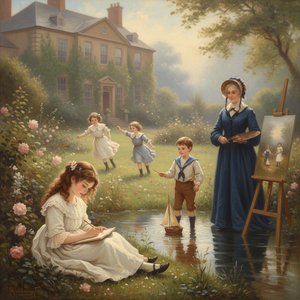
James Sant: Capturing Victorian Childhood & the Evolving Landscape of British Genre Painting
Explore the life & art of James Sant (1820-1916), renowned Victorian portraitist to Queen Victoria. Discover his captivating depictions of childhood, landscapes, and aristocratic society. Learn about his legacy & find fine art reproductions.

Romantická krajina v malbě: 10 mistrovských děl, které definovaly umělecký proud | OriginalUniqueArt
Prozkoumejte 10 ikonických děl romantické krajinářské malby! Objevte příběhy Caspara Davida Friedricha, Turnera a dalších mistrů. Reprodukce obrazů nejvyšší kvality pro váš interiér na OriginalUniqueArt.com.

Evoking Atmosphere & Identity: A Journey Through Landscape Painting's History
Explore the rich history of landscape painting! Discover renowned artists, movements like Romanticism, & techniques such as atmospheric perspective. Find inspiration and quality reproductions at OriginalUniqueArt.

Evocations of Place: A Historical Journey Through Landscape Art
Explore the rich history of landscape art with OriginalUniqueArt. Discover renowned artists, movements like Impressionism & Romanticism, and expert guidance for collecting timeless pieces. Find your perfect serene escape today!
