
 Náhled
 Sdílet
 Sdílet
 Podrobnosti o díle

 Stáhnout
 Podobné položky
 Rentgenové snímky
 Slideshow
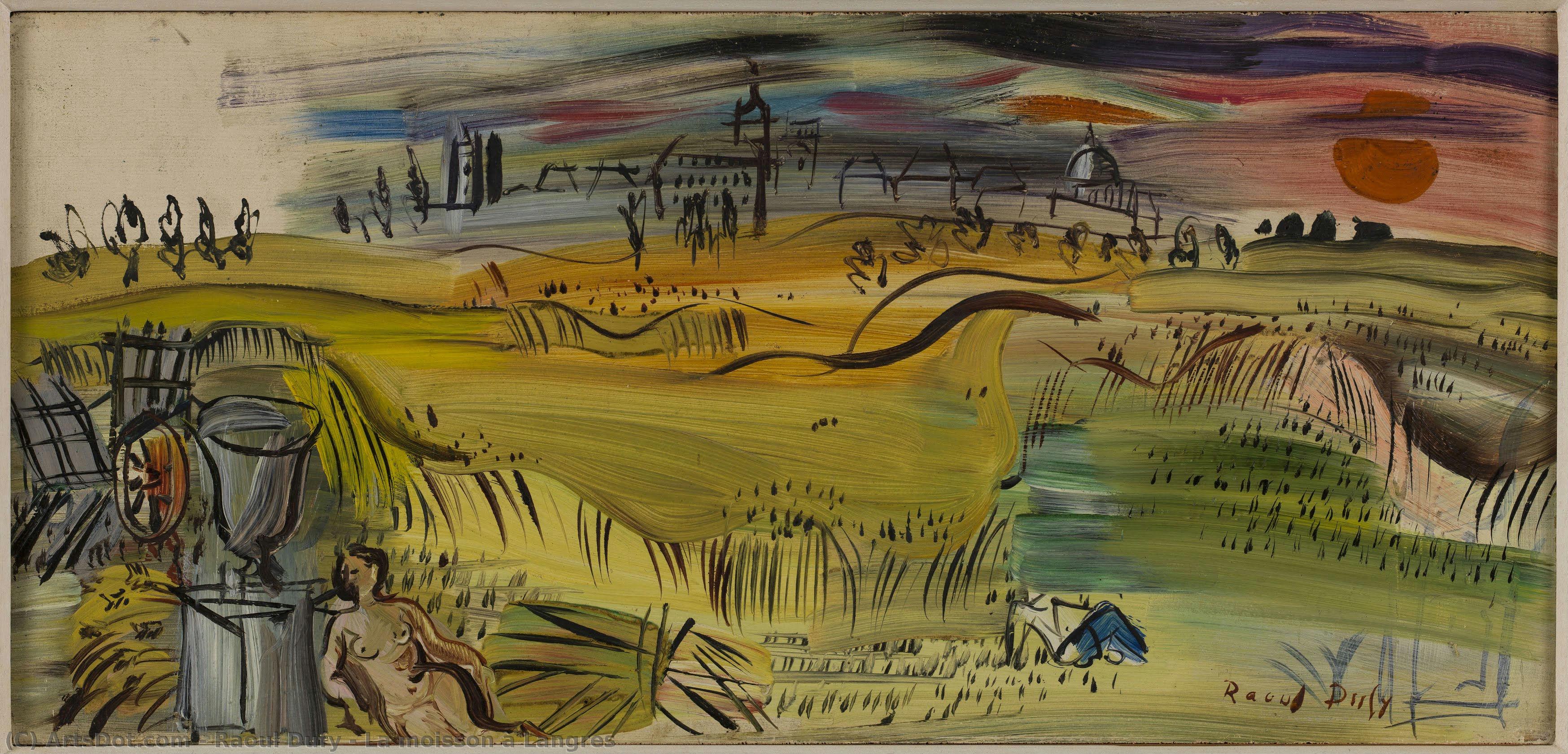
La moisson à Langres


 Zobrazit více
Giclée / Umělecký tisk
Giclée nebo plátěný tisk muzeální kvality s rychlou výrobou a flexibilními možnostmi povrchové úpravy. ( Koupit ručně malovaný obraz Koupit obrázek)




P118B $10

P118H $10

P118W $10

P438Z $10

P508JH $12

P508YH $12

P805H $10

P805Z $10

P919BZ $10

P919G $10

P919XJ $10

P959ZH $10

P968JZ $12

W106C $8

W218G $10

W218JH $8

W218Y $10

W307PJ $10

W316G $10

W316PJ $8

W316Y $10

W398PJ $8

W4111J $10

W500HY $15

W500JH $15

W692G $12

W849H $8

W940BG $15

W953PJ $8




Vyberte si z našich přednastavených velikostí, které odpovídají původním proporcím díla.

Můžete zadat vlastní rozměry tak, aby výtvor odpovídal konkrétnímu rámu nebo prostoru. Pokud zvolená velikost nebude odpovídat poměru stran původního obrazu, dílo buď ořížeme, nebo obraz rozšíříme pomocí zrcadlového efektu či jednobarevného okraje. Před zahájením výroby vám bude zaslán digitální náhled k schválení.
Mějte prosím na paměti, že náhled na obrazovce neodráží skutečné oříznutí nebo rozšíření. Pouze digitální náhled přesně zobrazí finální kompozici.
Ačkoliv jsou k dispozici i vlastní rozměry, pro zachování původních proporcí doporučujeme vybrat si rozměr z předdefinovaného seznamu.
Celosvětové doručení () do 2 týdnů namísto standardních 4/5 týdnů. (15 srpen)

Zdarma celosvětová expresní doprava

Vysoce kvalitní lněné plátno

Kompletní přepravní pojištění

Záruka vrácení celního poplatku

Záruka přesného barevného shodu

60denní lhůta pro vrácení zboží (pouze při vadách výroby)

100% garance vrácení peněz

Sleva při hromadné objednávce
 Skleněná varianta je dostupná pouze u rozměrů menších než 110 cm

La moisson à Langres
Giclée / Umělecký tisk
Rozměry reprodukce
-


Celková cena za výběr
$ 80
Popis sběratelského kousku
A Symphony of Sunlight and Harvest
In the luminous masterpiece La moisson à Langres, Raoul Dufy invites the viewer into a sun-drenched pastoral dream, where the boundaries between nature and human joy dissolve into a vibrant tapestry of color. Painted in 1938, this work captures more than just a seasonal harvest; it encapsulates a fleeting moment of tranquility and communal harmony. The canvas unfolds as a sprawling landscape of golden cereal fields, undulating under the warmth of a bright daytime sky. Scattered throughout this fertile expanse, figures move with a rhythmic grace, their presence suggesting a peaceful day spent in the embrace of the outdoors. The inclusion of two dogs, wandering near the foreground and center, adds an intimate, domestic touch to the scene, grounding the expansive landscape in a sense of lived experience and companionship.
Dufy, a master of the Fauvist-inspired lightness that defined much of his later career, utilizes a technique that feels both spontaneous and meticulously balanced. The painting is a testament to his ability to use color as a primary emotional driver. Rather than relying on heavy, somber shadows, Dufy employs bright, rhythmic strokes that allow light to dance across the surface of the wheat. This approach creates a sense of luminosity that makes the sunlight feel almost tangible, as if the warmth of the Langres countryside is radiating directly from the canvas. For the collector or interior designer, this piece offers an unparalleled ability to breathe life and vitality into a room, acting as a window into a perpetual summer.
The Essence of French Joie de Vivre
To understand La moisson à Langres is to understand the spirit of Dufy himself—an artist whose life was an unapologetic celebration of light and color. Emerging from the influences of Impressionism, Dufy moved beyond mere representation to capture the emotional essence of a scene. In this work, the harvest serves as a profound symbol of abundance and the cyclical beauty of life. The movement of the people within the field is not depicted with rigid anatomical precision, but rather through fluid, expressive lines that suggest the gentle breeze and the collective rhythm of labor and leisure. This stylistic choice evokes a sense of nostalgia for a simpler, more harmonious era, making the painting an emotionally resonant piece for any curated collection.
For those seeking to adorn a sophisticated interior, this reproduction offers a magnificent focal point that balances complexity with serenity. The composition’s openness provides a sense of spatial expansion, making it ideal for large-scale wall placements where its golden hues can interact with natural light. Whether placed in a sunlit gallery or a contemporary living space, the painting serves as an enduring tribute to the beauty of the French landscape and the timeless allure of the harvest, promising to inspire awe and a sense of profound peace to all who behold it.
Biografie umělce
A Life Immersed in Color and Light
Raoul Dufy, born June 3, 1877, in the bustling port city of Le Havre, Normandy, was an artist whose name became inextricably linked with joy, vibrancy, and a distinctly French *joie de vivre*. His artistic journey wasn’t forged amidst the traditional tools of a painter – palettes and easels – but rather within the practical realities of his early life. After leaving school at just fourteen, he found work in a coffee-importing company, an experience that instilled in him a keen eye for detail and an appreciation for the rhythms of commerce. Yet, even amidst this seemingly mundane existence, the undeniable pull towards artistic expression remained, igniting a passion that would ultimately define his entire life, forging strong bonds with fellow artists Raimond Lecourt and Othon Friesz – companions who shared a studio in Montmartre and a shared commitment to exploring new visual languages. These formative years were deeply influenced by the Impressionist movement, particularly the luminous landscapes of Claude Monet and Camille Pissarro, providing him with a foundational understanding of light, color, and composition that would later inform his distinctive style. He received a prestigious scholarship, allowing him to pursue formal training at the École Nationale supérieure des Beaux-Arts in Paris, further honing his skills and immersing himself within the dynamic artistic environment of the era.Embracing Fauvism and Finding His Voice
The early 20th century presented Dufy with a rapidly evolving art world. Initially, he experimented with Cubism, but it was Henri Matisse’s groundbreaking *Luxe, calme et volupté* at the 1905 Salon des Indépendants that proved to be a truly transformative moment. The sheer audacity of color and expressive freedom unleashed by Matisse and his fellow “Fauves” – those wild beasts – resonated profoundly with Dufy, propelling him towards a style characterized by bold hues and liberated brushwork. However, Dufy didn’t simply mimic; he absorbed the energy of Fauvism and distilled it into something uniquely his own. He deliberately moved away from strict adherence to the movement's tenets, developing a more decorative and fluid approach – a style that retained the boldness of color but softened its confrontational edge. This period witnessed a fascinating exploration of various mediums: illustration, textile design for the celebrated Paul Poiret (creating vibrant patterns for luxurious fabrics), and even ceramics, demonstrating a remarkable versatility that extended far beyond the confines of traditional painting. His designs weren’t merely decorative embellishments; they were integral expressions of his artistic vision, bringing color and dynamism to everyday objects and reflecting his deep appreciation for beauty in all its forms.A Stenographic Style: Capturing Modern Life
By the 1920s, Dufy had fully blossomed into a master of what became known as his “stenographic” style – a technique that defined much of his most iconic work. This involved rapidly applying thin washes of color over skeletal structures, creating an impression of movement and spontaneity. It was a method perfectly suited to capturing the energy of modern life: yachting regattas, bustling city scenes, elegant social gatherings on the French Riviera, and the vibrant atmosphere of jazz clubs. Dufy wasn’t interested in meticulous detail or photographic realism; he sought to convey atmosphere, emotion, and the fleeting beauty of a moment – the essence of experience rather than its literal representation. His paintings became celebrations of leisure, pleasure, and the spirited pulse of contemporary society. He painted orchestras with dazzling color and dynamic composition, racecourses filled with excitement and movement, and seascapes that shimmered with light and reflected the joy of being alive. This period also saw him undertaking large-scale commissions, including the monumental *La Fée Electricité* for the 1937 Exposition Internationale in Paris – a vast work celebrating electricity’s impact on modern life, executed with remarkable speed and ingenuity using a new quick-drying medium.Key Characteristics of Dufy’s Art
- Vibrant Color Palette: Dufy was renowned for his use of bright, saturated colors, often applied in thin washes.
- Dynamic Composition: His paintings frequently feature energetic compositions that convey a sense of movement and spontaneity.
- Decorative Style: A strong decorative element is present throughout his work, influenced by his designs for textiles and ceramics.
- Celebration of Modern Life: Dufy’s art often depicts scenes of leisure, social gatherings, and the pleasures of contemporary society.
- Stenographic Technique: His signature style involved rapidly applying thin washes of color over skeletal structures.
Legacy and Enduring Appeal
Despite facing significant health challenges later in life due to rheumatoid arthritis, Raoul Dufy remained a dedicated artist until his death on March 23, 1953, in Forcalquier. His work continued to evolve, reflecting both his physical limitations and his unwavering artistic spirit. Today, his paintings are held in prestigious collections across the globe – including the Musée d’Orsay in Paris, the Hermitage Museum in St. Petersburg, The Museum of Modern Art in New York, and the Art Institute of Chicago – a testament to his enduring artistic significance and the universal appeal of his vibrant, joyful vision. Dufy's influence extends far beyond painting; his designs continue to inspire textile and decorative arts, demonstrating the lasting impact of his creative genius. He left behind an impressive body of work – thousands of paintings, watercolors, drawings, prints, and applied art pieces – that collectively represent a celebration of life, color, and the beauty of the everyday. Raoul Dufy wasn’t merely a painter; he was a chronicler of his time, capturing the spirit of an era with a unique blend of Fauvist energy, decorative flair, and a profoundly optimistic vision—a reminder to embrace *joie de vivre* in all its forms.
Raoul Dufy
1877 - 1953 , Francie
Rychlé fakta
- Artistic Movement Or Style: Fauvizmus
- Artists Or Movements Influenced By This Artist:
- Ceramika
- Textil
- Artists Who Influenced This Artist:
- Monet
- Matisse
- Date Of Birth: 3. června 1877
- Date Of Death: 23. března 1953
- Full Name: Raoul Dufy
- Nationality: Francouzský
- Notable Artworks:
- La Fée Electricité
- The Thoroughbred
- Place Of Birth: Le Havre, Francie
Související články

Idyllic Visions: Exploring the Pastoral Scene in Art History – From Arcadia to Modern Interpretations
Explore the captivating history of pastoral art from classical Arcadia to modern masterpieces. Discover key artists like Millet & Cole at OriginalUniqueArt. Find serene landscape paintings for your home.
Top 10 krajin v umění: Mistrovská díla a inspirace pro váš domov
Objevte 10 nejúchvatnějších krajin v umění od Turnerů po Van Gogha! Ponořte se do příběhů mistrů a inspirujte se pro svůj interiér. Reprodukce obrazů nejvyšší kvality na OriginalUniqueArt.com – pro milovníky umění a dokonalý dekor.
Idyllic Visions: Exploring the Pastoral Tradition in Western Art – Themes, Techniques & Enduring Appeal
Explore the rich history of pastoral art from classical Arcadia to contemporary interpretations. Discover key artists, themes & collecting tips at OriginalUniqueArt.

John Constable: 25 mistrovských děl krajinářské poezie | OriginalUniqueArt.com
Prozkoumejte 25 ikonických děl Johna Constabla, mistra anglického krajinářství a romantismu. Obdivujte jeho olejomalby, plátna s venkovskou atmosférou a inspirujte se pro dekoraci interiéru. Reprodukce obrazů nejvyšší kvality na OriginalUniqueArt.com
Anthony Vandyke Copley Fielding: Rediscovering a Master of Romantic Landscape
Discover the captivating landscapes of Anthony Vandyke Copley Fielding, a master of Romantic watercolour painting. Explore his life, technique, and legacy with OriginalUniqueArt – your source for museum-quality art reproductions & expert appraisal.

